
Review · VERONA
From Verona: Valpolicella and Amarone Wine Tasting Tour
Amarone is the star here, but the best part of this four-hour outing is seeing how different wineries make and present Valpolicella wine. You visit two cellars, taste Amarone and Ripasso, and get a useful comparison between larger-scale production and small family winemaking.
I like the small group limit of eight, which keeps the ride friendly and gives you room to ask questions. I also like the food served with the tastings, including local salami, meats, cheeses, and olive oil. The one drawback is that this is not a full-day vineyard excursion. You get a good introduction, but not a slow country lunch or a long walk through the valley.
- Two distinct wineries: Compare a larger operation with a smaller family-run cellar.
- Amarone explained clearly: Learn about the drying and production methods behind this famous wine.
- Food with the tasting: Expect local meats, cheeses, salami, and, at some stops, olive oil.
- Comfortable transport: Travel from central Verona in an air-conditioned minivan.
- Small group setting: Groups are limited to eight participants.
- Strong guide team: Stefano, Sara, Francesca, and Alessandra are among the guides praised for their humor, safe driving, and clear explanations.
Why Valpolicella Makes a Good Half-Day Trip
Verona is a fine base for wine country. The city gives you Roman ruins, grand piazzas, and opera season, but Valpolicella offers a quieter change of pace just outside town. In about 30 minutes, you leave the city center and reach vineyards and wineries in the valley.
This tour works well because you do not need to rent a car or worry about tasting and driving. Your guide handles the route, explains the local wine styles, and brings you back to the same central meeting point.
The experience is focused on wine rather than sightseeing stops. You may take photographs in the gardens and vineyards, but the main purpose is to understand the wine, meet the producers, and taste several bottles in the places where they are made.
At $112.15 per person, the price is reasonable for a four-hour outing that includes private transportation, a coordinator, two winery visits, and two tastings. You are also paying for the convenience of a central pickup and a designated driver. It is not the cheapest way to sample Italian wine, but it offers more context than a tasting room in Verona.
Meeting in Central Verona
The tour begins on Via Teatro Ristori, 7, in front of the Ristori Theatre entrance. Look for a guide holding a yellow sign marked TOUR. Hotel pickup and drop-off are not included, so plan to reach the theatre on your own.
This is an easy meeting point if you are staying in central Verona, but allow enough time to find the theatre. The activity ends at the same place, which makes it simple to continue with dinner or an evening walk after returning.
The van ride to Valpolicella takes about 30 minutes. The vehicle is air-conditioned, an important detail during warm weather and useful after several tastings. The small group size also means you are not being loaded onto a large coach. With no more than eight people, the ride feels closer to a shared outing than a mass tour.
English is the listed tour language. Guides such as Stefano, Sara, Francesca, and Alessandra have been praised for their clear explanations, friendly manner, local knowledge, and safe driving. Guide assignments can vary, so do not book expecting one particular person, but the operation has several experienced hosts.
More Wine Tasting Tours in Italy
- Florence: Chianti Wineries Tour with Wine Tasting
★ 4.5 · 10,071 reviews - Small-Group Wine Tasting Experience in the Tuscan Countryside
★ 5.0 · 7,392 reviews - Rome: Tuscany & Montepulciano Day Trip with Lunch & Wine Tasting
★ 4.5 · 5,232 reviews
First Winery: How Amarone Begins
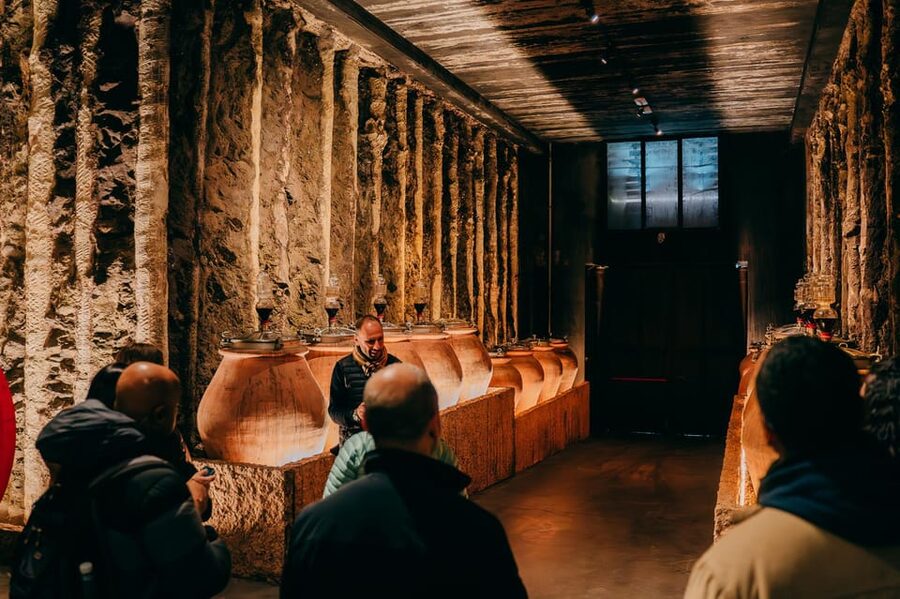
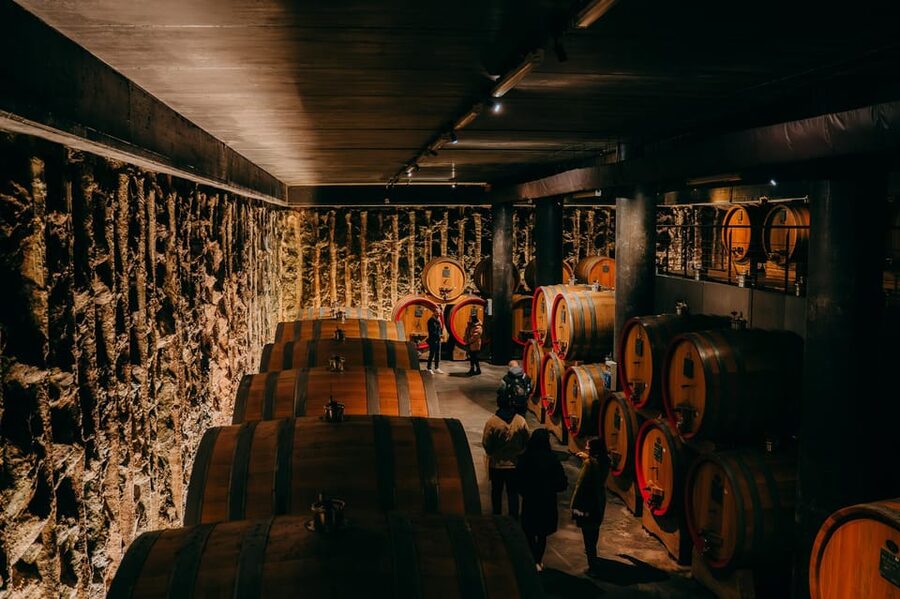
The first winery visit lasts about 90 minutes. Once you arrive, a sommelier or winery representative takes you through the cellar and explains how the wines are produced and stored.
This is where the tour earns its keep. Amarone is not simply another red wine from northern Italy. The grapes are handled in a special way before fermentation, and the method affects the wine’s body, flavor, and alcohol level. Your guide and the winery host explain the process in practical terms, including the techniques used to create Amarone and the related Ripasso style.
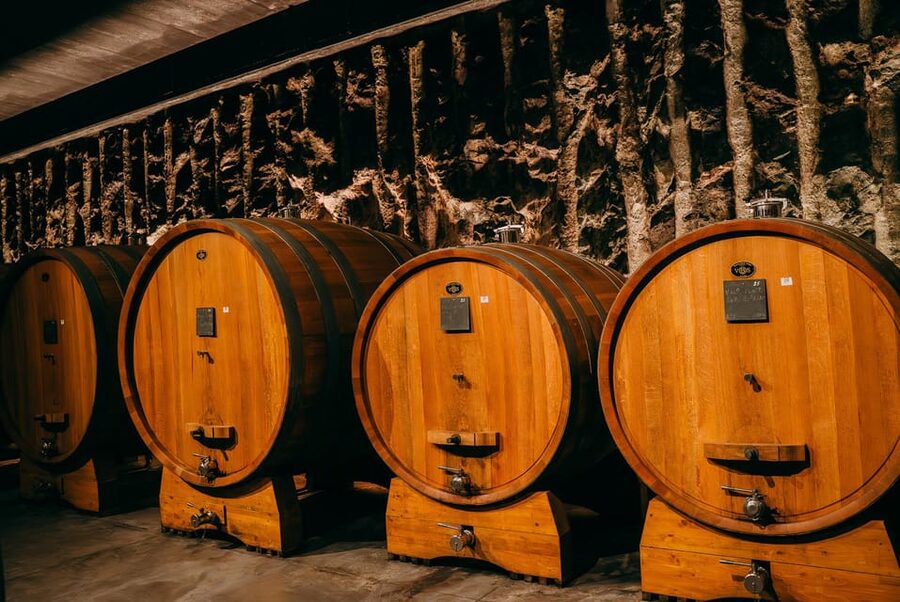
You will also hear about how the wine is kept in the cellar. That matters because the tasting is not just a parade of glasses. You are seeing the place where the bottles mature and learning why the producer makes each choice.
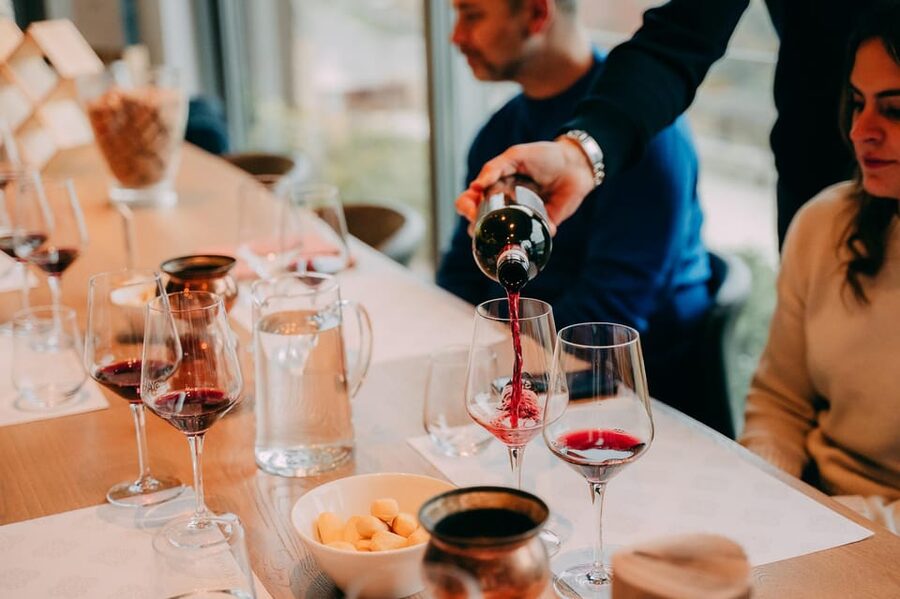
The first tasting includes selected Valpolicella wines, with Amarone as the main attraction. The exact number can vary, but some groups have tasted around five wines at the first stop. Small food pairings may include finger foods and homemade salami, giving you something substantial enough to balance the wine.
I like the order of events. You first see the production areas, then sit down to taste. By that point, the labels mean more because you have already heard how the wines are made.
The Short Transfer Between Cellars
After the first tasting, you return to the minivan for a drive of roughly 15 minutes. This is a short transfer, but it helps create the main contrast of the day.
The wineries are selected to show different approaches to production. One may have greater production capacity, while another may be a smaller family operation. That comparison is more useful than visiting two places that follow the same model.
You get a better feel for the region this way. Valpolicella is not one single type of winery, and the people behind the bottles can have very different methods, scale, and family stories.
The drive also gives you a break between tastings. Four hours is enough time to enjoy the wine without turning the outing into an all-day commitment. Still, you should pace yourself. You will be tasting at both wineries, and the minivan ride home is much more pleasant if you use the food and take the samples slowly.
Second Winery: A More Personal Look at Production
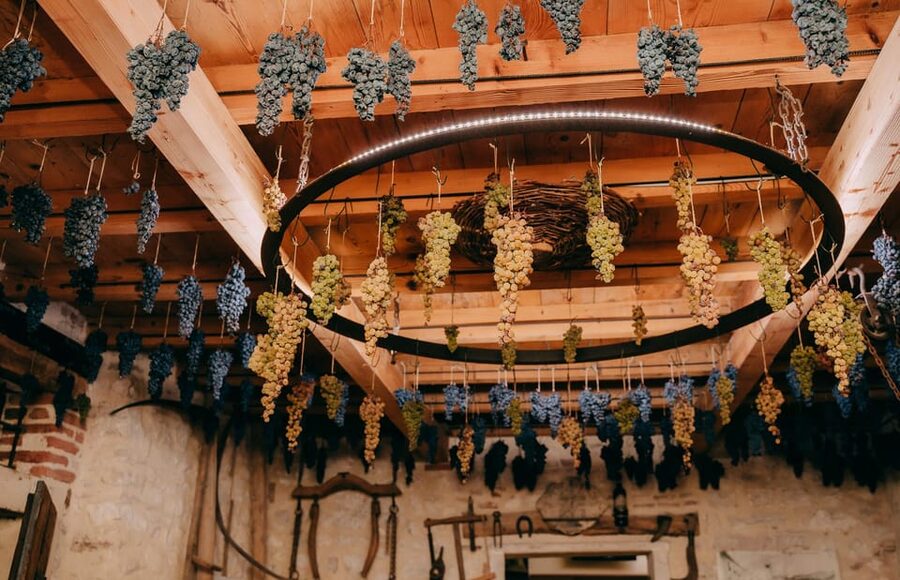
The second tasting lasts about 75 minutes. This stop often provides the more intimate side of Valpolicella, particularly when the visit is hosted by a family producer.
One highly praised pairing of stops included Farina and Damoli, offering a clear comparison between a larger winery and a smaller family cellar. Other departures may use different producers, since the operation works with a selection of local wineries. The exact names are not guaranteed, but the format is built around contrast.
At the smaller winery, you may hear more about family history, personal methods, and the work involved in promoting the wines. The visits are not limited to tasting at a bar. The hosts explain the cellars, production steps, and the differences between the expressions you are trying.
The second tasting can include several wines, along with a larger display of regional meats and cheeses. Some groups have also tasted the winery’s olive oil. This makes the stop feel closer to a generous local sampling than a technical wine lesson alone.
I especially like this part for people who want to understand the human side of winemaking. Large producers can show you scale and organization. A family winery can show you the personal decisions behind a smaller range of bottles. Together, the two visits give you a more rounded picture of Valpolicella.
Same town, a different pour:
- Tuscany Day Trip from Florence: Siena, San Gimignano, Pisa and Lunch at a Winery
★ 5.0 · 21,634 reviews - SMALL-GROUP Wine Safaris: Tuscan Wine Tasting Tours from Florence
★ 5.0 · 5,088 reviews - Winner 2025 Florence Sunset Food & Wine Tour by Eating Europe
★ 5.0 · 5,015 reviews - From Florence: Siena, San Gimignano, Pisa & Lunch at Winery
★ 4.8 · 4,538 reviews
Amarone, Ripasso, and What You Actually Learn
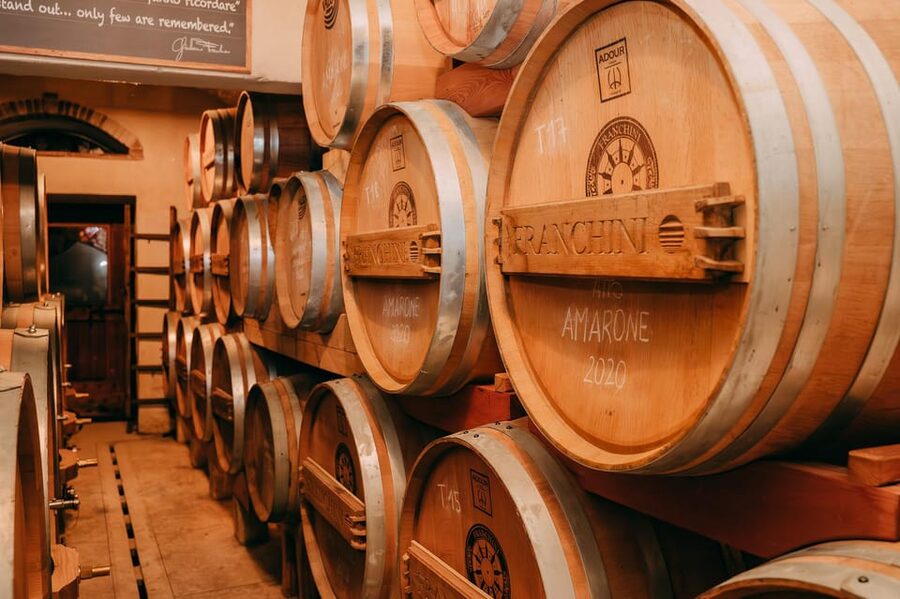
You do not need to be a wine expert to enjoy this tour. The guides explain the region’s wines in accessible language, and the winery hosts handle the more detailed production information.
Amarone receives the most attention, as expected. You learn the basic stages of production and the techniques that give the wine its distinctive character. Ripasso is also included, so you can compare two important styles from the region rather than tasting Amarone in isolation.
The tour is especially useful if you have seen these names on restaurant menus but never understood the difference. After the tastings, you should have a clearer sense of what you like and what you might order back in Verona.
The guide commentary also extends beyond the cellar. Stefano, for example, has been praised for combining information about Verona with an explanation of Valpolicella wine. That link helps place the valley within your wider visit to the Veneto.
Do not expect a formal sommelier course. The pace is relaxed, and the goal is to help you enjoy the wines and understand the basics. If you ask questions, the small group format gives you a better chance of getting a thoughtful answer.
Food Pairings That Make the Tastings Better
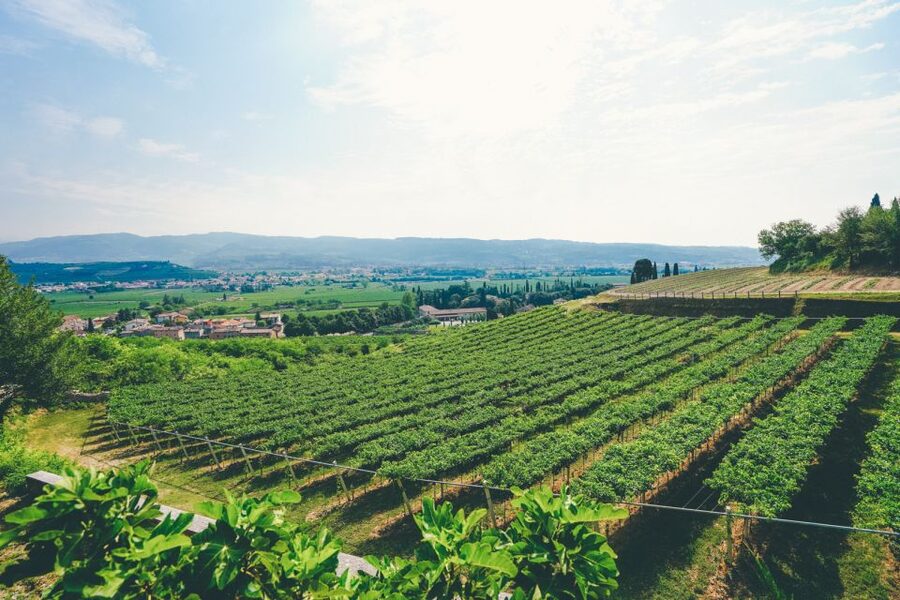
The food is not an afterthought. Local salami, meats, cheeses, finger foods, and olive oil appear during the tastings, depending on the winery and visit.
This matters for two reasons. First, these foods show how the wines are enjoyed in the region. Second, eating between samples makes the four-hour schedule more comfortable. Wine tasting without food can become tiring, especially when Amarone is involved.
The amount and exact selection are not fixed in the description, so do not book this as a full meal. The food is best understood as generous tasting accompaniment. Some visits include a large meat and cheese display, while others offer smaller plates and homemade salami.
Tell the operator about food intolerances or allergies in advance. That is a practical step, since the tastings can include several local products and substitutions may need to be arranged.
The Scenery and the Pace of the Afternoon
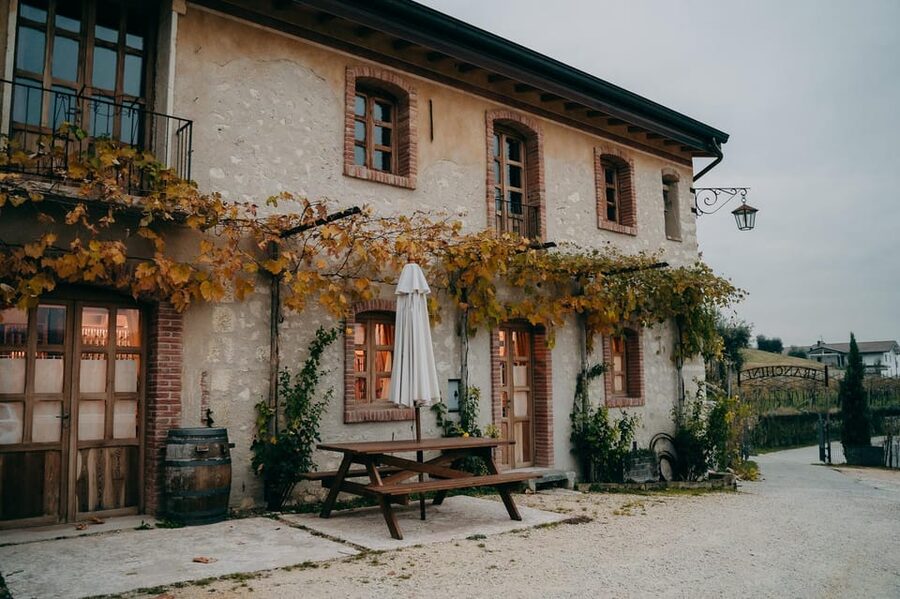
There is enough time to take photographs in the gardens and vineyards, but the tour does not promise a long vineyard walk. The scenery comes mainly through the drive and the winery settings.
This pace suits you if you want a pleasant break from city sightseeing without giving up most of the day. The total schedule includes about 30 minutes to reach Valpolicella, 90 minutes at the first winery, 15 minutes between wineries, 75 minutes at the second, and about 30 minutes back to Verona.
That timing adds up to roughly four hours. Starting times vary, so check the schedule carefully when booking. A morning or afternoon departure can work well, depending on your Verona plans.
The tour runs year-round. Each season will give you a different look at the valley, but the core experience remains indoors and works in all weather. The guide commentary and cellar visits keep the outing worthwhile even when conditions are not ideal for photographs.
Who Will Get the Most From This Tour
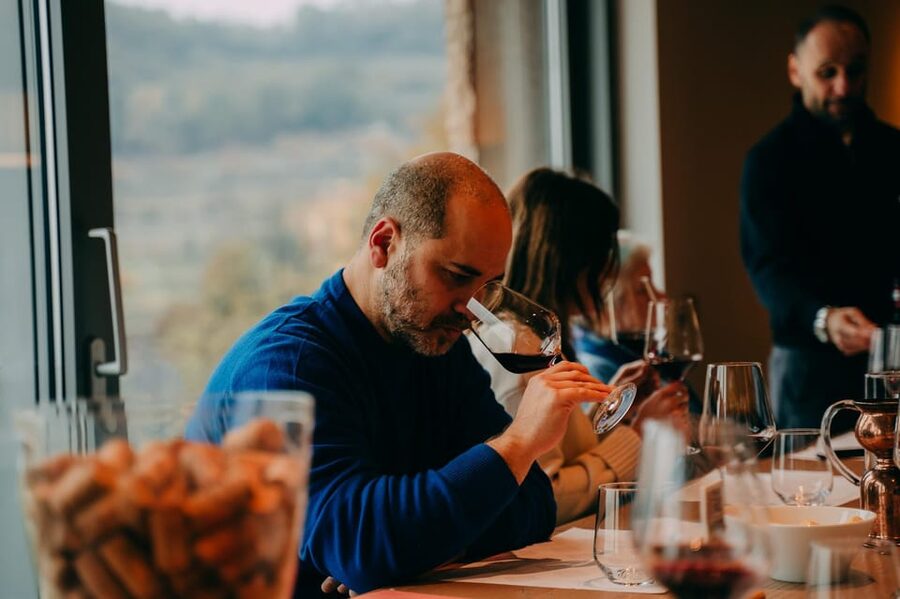
I would recommend this outing to wine drinkers who want a convenient introduction to Valpolicella without spending a full day away from Verona. It also suits couples, solo visitors, and small groups who prefer a personal setting over a coach tour.
It is a good choice for beginners because the explanations start with the basics. It also works for people who already enjoy wine, especially if you like comparing producers and learning how production scale affects the final product.
The tour is not suitable for children under 14, and the minimum drinking age is 18. Anyone under the legal drinking age must be accompanied by an adult. Unaccompanied minors cannot join.
People with reduced mobility should ask the operator for specific details before booking. Some parts of the wineries may not be easy to access, and the activity is not listed as suitable for wheelchair users. Pets and oversized luggage are not allowed.
The tour requires at least two participants to operate. That is worth checking if you are booking close to your travel date or planning to attend alone.
Is $112.15 a Fair Price?
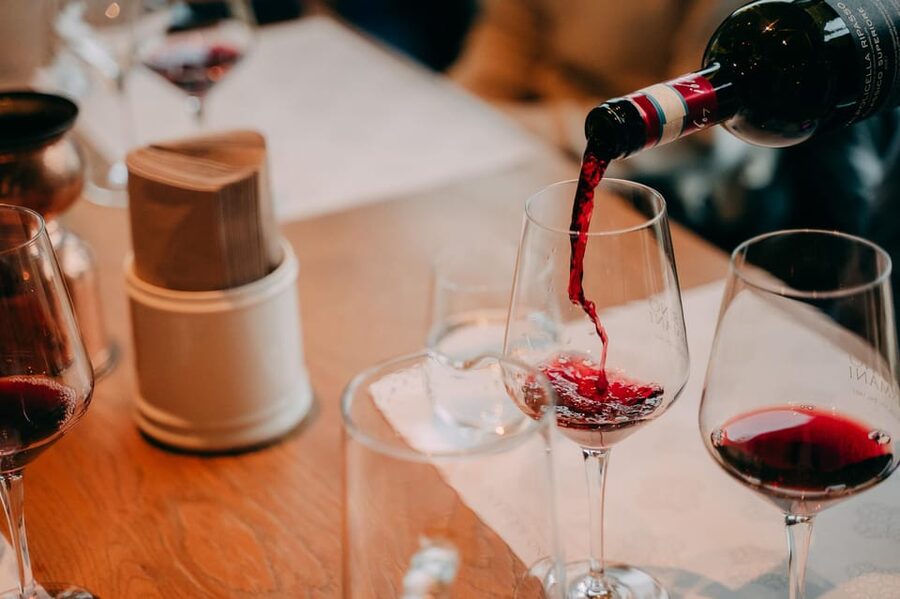
At $112.15, you receive more than four glasses at a city wine bar. The cost covers transportation from central Verona, a guide or group coordinator, two winery visits, and two tasting sessions.
The real value comes from the combination of logistics and access. You do not have to research wineries, arrange a driver, or work out how to reach the valley. You also taste in two different settings and get food with the wines.
The main limitation is the four-hour format. If you want a long lunch, several hours in one estate, or a full rural day with multiple villages, this will feel brief. If you have only part of a day available, the shorter schedule is an advantage.
Free cancellation is available up to 24 hours before departure for a full refund, and you can reserve now and pay later. These policies give you some flexibility while building a Verona itinerary.
Should You Book the Valpolicella Tour?
Book it if you want to taste Amarone and Ripasso in the region where they are made, while keeping the outing easy and compact. The strongest feature is the comparison between two winery styles, supported by good food, a comfortable van, and guides who can make the technical details enjoyable.
I would skip it only if you want a full-day wine-country experience, a long vineyard hike, or complete control over which wineries you visit. The exact producers can vary, and the tour stays focused on tastings rather than extended sightseeing.
For most visitors spending a few days in Verona, this is a smart half-day addition. You get outside the city, learn what makes Amarone different, taste a range of local wines, and return to the center in time for an evening meal.
FAQ
Where does the Valpolicella wine tour meet?
Meet your guide in front of the Ristori Theatre entrance at Via Teatro Ristori, 7. The guide will hold a yellow sign marked TOUR.
Where does the tour end?
The activity ends back at the same meeting point on Via Teatro Ristori, 7.
How long does the tour last?
The tour lasts four hours. Check availability for the departure times offered on your chosen date.
How many wineries do you visit?
You visit two Valpolicella wineries and take part in two wine tastings.
Is transportation included?
Yes. Private transportation in an air-conditioned minivan is included. Hotel pickup and drop-off are not included.
Can children join the tour?
Children under 14 cannot join. The minimum drinking age is 18, and anyone under the legal drinking age must be accompanied by an adult.
Freshly poured around Italy
- Polignano a Mare: Private Cruise with Champagne★ 4.8 · 66 reviews
- Polignano: Coastline Tour With Prosecco And Taralli & Swim★ 4.7 · 103 reviews
- Rome: Pompeii Tour with Wine and Lunch by High Speed Train★ 4.8 · 485 reviews
- Polignano a Mare: Boat Cruise to Scenic Caves with Prosecco★ 4.7 · 550 reviews
- Polignano a Mare Boat Tour with Prosecco and Taralli★ 4.9 · 334 reviews
- Polignano a Mare: Boat Tour with Prosecco and Snacks★ 4.8 · 282 reviews
- Pisa: Cathedral Guided Tour and Tower tickets & wine tasting★ 4.8 · 78 reviews
- Piedmont: Winery Tour, Taste Barolo, Barbaresco & Local Food★ 4.6 · 61 reviews
Wine Tasting Tours, side by side.
From Porto: Douro Valley w/ Boat Tour, Wine Tasting & Lunch
Read our review →
Complete Douro Valley Wine Tour with Lunch, Wine Tastings and River Cruise
Read our review →
Florence: Chianti Wineries Tour with Wine Tasting
Read our review →
From Split: Krka Waterfalls, Food & Wine Tasting Tour
Read our review →
Small-Group Wine Tasting Experience in the Tuscan Countryside
Read our review →
Montserrat & Cogwheel Train, Gourmet Wine Tasting & Tapas/Lunch
Read our review →
Rome: Tuscany & Montepulciano Day Trip with Lunch & Wine Tasting
Read our review →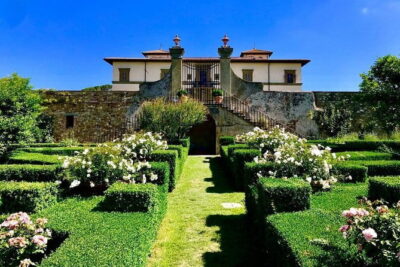
SMALL-GROUP Wine Safaris: Tuscan Wine Tasting Tours from Florence
Read our review →Lists this tasting sits in