
Review · CANADA
Quebec City: Historical Walking and Tasting Tour
Quebec City’s past and food culture meet neatly on this three-hour Old Quebec walk. You move through the upper town with a guide, hear how the first settlers shaped New France, and stop four times for tastes from local producers and restaurants. Some guides add theatrical flair, including period characters such as Marie Rollet or Louis Hébert.
I like the mix of history and food, which gives you a better feel for Quebec than either a standard sightseeing walk or a stand-alone food stop. I also like the local angle: tastings may include cheese, sausage, vegetables, drinks, seafood, vegetarian alternatives, and maple taffy or gelato. The main catch is that the portions are small, so eat beforehand if you want a full meal.
Key Points
- Four tasting stops: Sample local products and restaurant dishes, with selections changing by season and availability.
- Upper Old Quebec focus: The route centers on the area around Place d’Armes and the Fairmont Le Château Frontenac.
- History with personality: Guides such as Chantal, Jonathan, and Yves bring energy, stories, and sometimes period dress to the walk.
- A brisk, hilly outing: Comfortable shoes matter, and the tour is not suitable for people with mobility impairments.
- Good value for curious eaters: At $87 per person, you get three hours of guiding and four tastings, but not a full lunch.
- Tell the operator about allergies: Send food allergies or intolerances through the booking chat after reserving.
Four Tastes, One Old City Story
The clever part of this experience is its shape. You are not parked at one restaurant for a long meal, and you are not following a guide through streets with no break. Instead, the walk keeps changing pace: a story here, a tasting there, then another stretch of Old Quebec.
That rhythm suits Quebec City. The old town is compact enough to explore on foot, but its streets, squares, churches, fortifications, and steep changes in level can feel like separate scenes. Food gives each pause a purpose. You taste something, hear how local ingredients fit the region, then continue with a better sense of place.
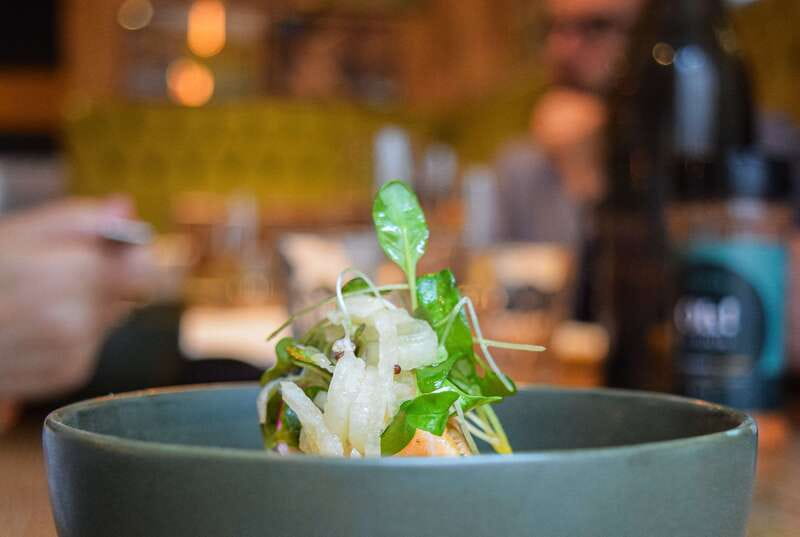
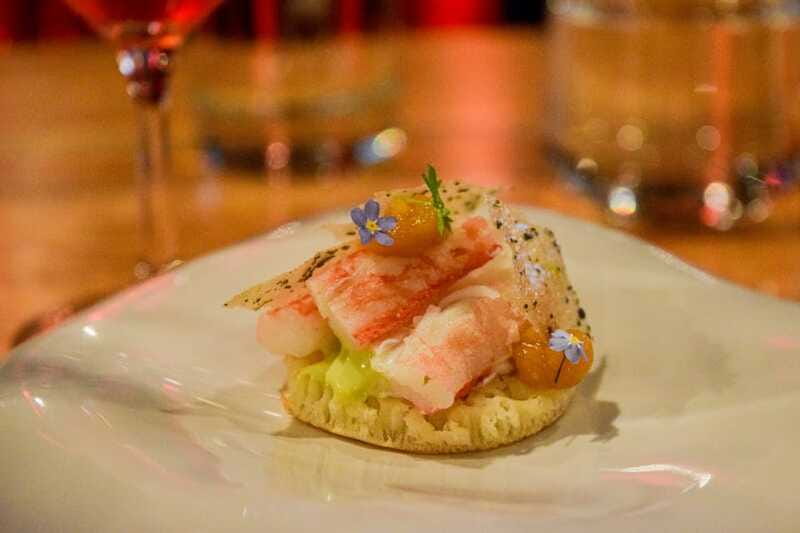
The four stops may include cheese, sausage, local vegetables, drinks, and maple taffy. Restaurant tastings can also include fish or shellfish, with alternative dishes available for some dietary needs. Products change without notice, so you should treat the menu as a general guide, not a promise of specific dishes.
One useful detail: some versions of the outing have included three restaurant stops followed by a maple gelato stop near the Château Frontenac. That pattern gives you a broad sample of Quebec’s food scene rather than one large serving. You may get a mix of formal and casual settings, depending on the current partners.
More History Tours in Canada:
- London Small Group Tour of Historical Pubs
★ 5.0 · 10,422 reviews - Sevilla Food Tour: Tapas, Wine, History & Traditions
★ 5.0 · 3,468 reviews - Valencia Old Town Tour with Wine & Tapas in 11th Century Historic Monument
★ 5.0 · 3,234 reviews
Meeting at Place d’Armes
You meet in front of the tourist information center next to Place d’Armes. This is a sensible starting point, since you are already in the heart of Old Quebec and close to some of the city’s most recognizable sights.
Look for the guide before setting off. Past guides have included Jonathan, Yves, and Chantal, with different personalities but the same English-language format. One guide has used the character of Marie Rollet, the early French settler associated with farming and teaching in Quebec, while another outing began with Louis Hébert as a historical character.
That theatrical touch can go one of two ways. If you dislike staged guiding, it might sound excessive on paper. In practice, the character work can help keep early colonial history clear and memorable, especially when it connects a name to daily life rather than only dates and battles.
The best guides keep the performance in service of the story. Chantal, for example, was described as wearing period clothing and moving the group through the old town with warmth and energy. Her style may not suit someone seeking a quiet academic lecture, but it can make the material easier to follow.
Walking Through Upper Old Quebec
The route focuses on the upper part of the city, around the Fairmont Le Château Frontenac and the streets near Place d’Armes. You will see the historic center on foot, with the guide pointing out details you could easily miss while walking alone.
The emphasis is on the first French settlers and the development of New France. The subject becomes more useful when tied to the streets around you. Instead of hearing a detached account of settlement, you get a sense of how Quebec’s French foundations shaped the city’s identity and food traditions.
The walk is not simply a list of landmarks. Guides have been praised for mixing factual information with anecdotes, local perspective, and a lively manner. You may hear about the people who built the early settlement, the city’s changing character, and the way its culinary traditions developed over time.
Expect a brisk pace. One guide was described as moving quickly up and down the hills, so comfortable shoes are essential. The experience is not suitable for people with mobility impairments, and anyone who finds steep streets difficult should choose a gentler sightseeing option.
You should also plan for changing weather. The provided details do not specify an indoor alternative or a weather policy, so ask before booking if conditions could affect your plans. The core experience is on foot, not a bus ride with occasional stops.
What the Tasting Stops Add
The food is more than a reward between historical talks. It gives you a practical way to understand the region. Cheese and sausage show the European roots of Quebec’s food culture. Local vegetables point to the farming side of the province. Maple products connect the outing with one of Quebec’s best-known ingredients.
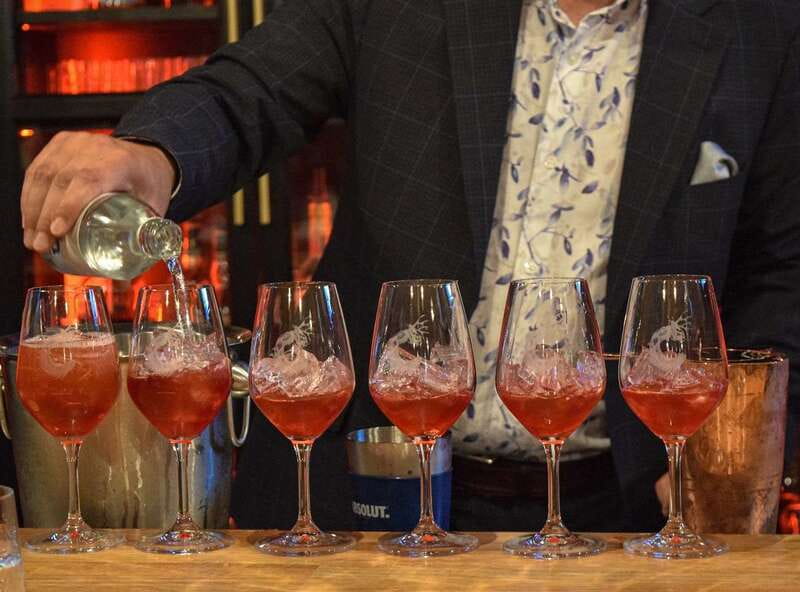
The drinks matter, too. Some tastings have included wine, while nonalcoholic options were available for children and people who do not drink. The exact choices can change, but the format makes the tour workable for a mixed group.
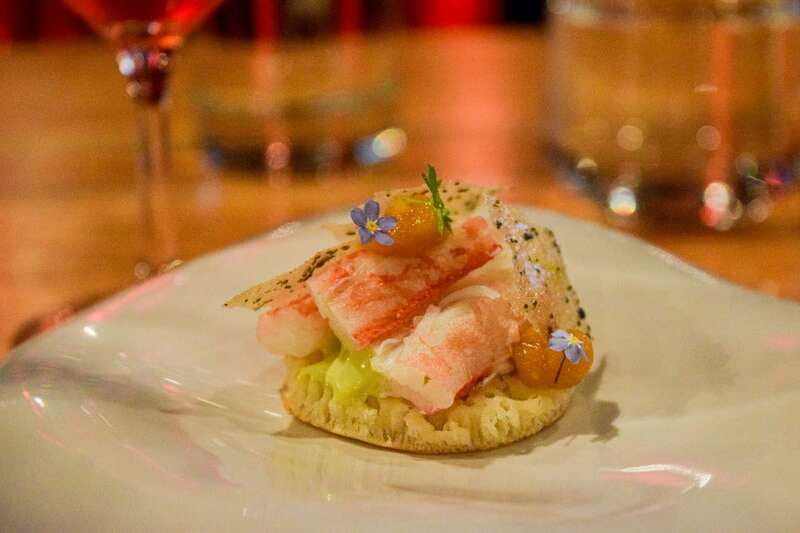
Seafood may also appear. One version included several fish or shellfish dishes, while substitutes were offered to people who did not eat either. Vegetarian guests received suitable alternatives on another outing. That is encouraging, but you should still send your allergies and intolerances through the chat after confirming your reservation.
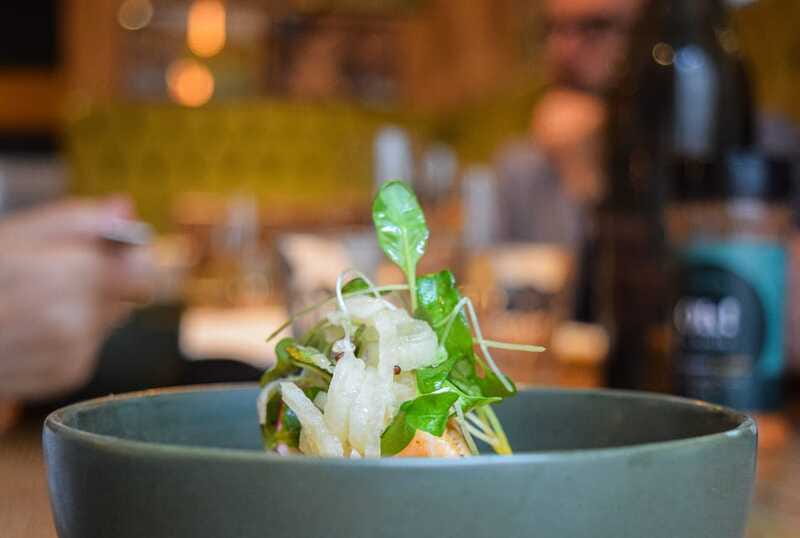
Do not arrive expecting four full courses. The tasting plates are small appetizers. I would eat a light meal first, then use the tour to discover places and flavors you may want to seek out later. This is particularly important if you book the outing at lunchtime or have a large appetite.
The smaller servings have an advantage. You get variety without spending half the day at a table. You can try foods you might not order for yourself, then decide which styles or restaurants deserve a return visit.
Same town, a different pour:
- Niagara Falls Day Tour Includes Boat Cruise, Winery Stop & Lunch
★ 4.5 · 1,820 reviews - From Toronto: Niagara Falls + Winery, Cruise, & Lunch Option
★ 4.6 · 1,027 reviews - Niagara Wine Tour and Tastings with Transportation
★ 4.0 · 782 reviews - Seated Tasting Experience at Konzelmann Winery
★ 5.0 · 698 reviews
Restaurant Stops and Local Producers
The restaurant portion adds a useful layer to the tour. Instead of sampling only packaged products, you may taste dishes prepared by local kitchens. Previous routes have included three restaurants with different levels of formality and different approaches to cooking.
That variety helps you compare Quebec City’s food scene in a short time. One stop may feel more polished, another more relaxed, and another may focus on a particular ingredient. The point is not to rank them, but to show how local food can be presented in more than one way.
You may also meet local producers or learn about the people behind the products. The exact contact varies, yet the larger idea remains consistent: food is connected to farms, makers, restaurants, and the city’s past.
I like this approach because it gives you useful follow-up ideas. A food walk can be forgettable if every sample is eaten and forgotten. Here, the tastings may help you choose where to have dinner later. One practical tip is to write down the names of places you enjoy during the tour.
The changing menu is also the main limitation. If you have your heart set on a particular cheese, maple candy, or restaurant, this outing cannot guarantee it. Seasonal supply and local availability can change the offerings without notice.
Maple Taffy, Gelato, and the Sweet Finish
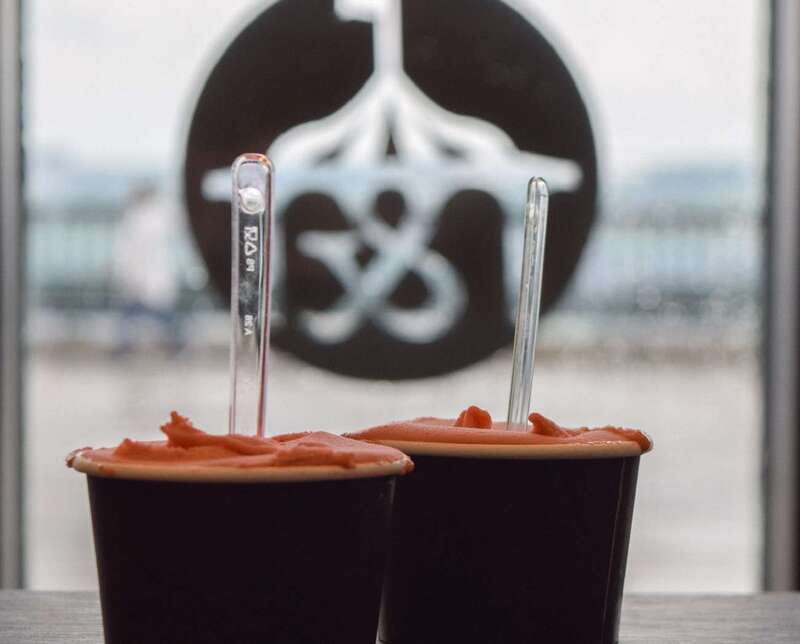
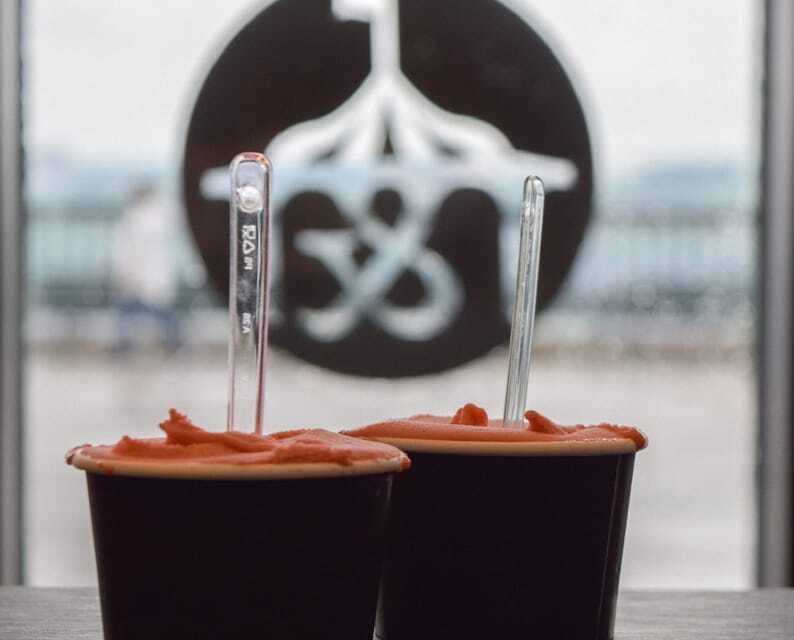
Maple is an obvious part of a Quebec food tour, but the format can vary. The advertised tasting list includes maple taffy, while past outings have ended with maple gelato near the Château Frontenac.
That final sweet stop gives the tour a pleasant finish and places you close to one of the city’s most famous buildings. It also rounds out the tastings. After savory samples such as sausage, vegetables, or seafood, a maple treat gives you a simple taste of Quebec’s sweeter side.
You should not assume the exact ending will be maple gelato. The products change, and the operator can adjust the tastings. Think of maple as part of the experience’s character, not a fixed final course.
How Much Value You Get for $87
At $87 per person, the value depends on how you use the outing. You are paying for three hours of live guiding, a focused walk through Old Quebec, four tasting stops, and the chance to hear the city’s story from a local guide.
If you compare the price with four separate restaurant visits, it may look inexpensive, though the portions are small and the cost does not replace a full meal. If you compare it with a basic historical walk, the tastings add a useful extra. If you mainly want to eat, a restaurant meal may give you more food for the same money.
I think the price works best for a first day in Quebec City. The tour helps you get oriented, introduces several food options, and gives you background that can make later sightseeing more meaningful. One person specifically wished they had booked it at the start of their trip, since they would have returned to the restaurants afterward.
The value also rises if you enjoy guided interpretation. A good guide can connect settlement history, local ingredients, and the streets around you in a way that would take time to assemble alone.
The Guides Make the Difference
The guide is the most important variable here. The strongest guide style is warm, clear, and animated without turning every moment into a performance.
Jonathan has been praised for friendliness and strong historical presentation. Yves has been described as informative and good value. Chantal has led the walk in period dress and used Marie Rollet as a character, creating a more theatrical version of the experience.
You may receive a guide with a quieter style or a more dramatic one. The format is in English, and the guide’s ability to keep the group moving while explaining the setting matters. On a three-hour walk, a flat delivery can make even good material feel long. A lively guide can make the time pass quickly.
The experience also works well for people who like to ask questions. The guide is your link to local food and history, so use the stops to ask about ingredients, restaurants, and the city’s development.
Who Should Book This Walk?
I would recommend it to first-time visitors who want a quick introduction to Old Quebec with food built into the plan. It suits couples, families with older children, and small groups with mixed interests. A person who cares about history can listen to the settlement story, while a food-focused companion gets four tasting stops.
It is also a good choice if you prefer guided context to independent wandering. Old Quebec is easy to walk around, but a guide can explain why certain details matter and help you see beyond the postcard views.
You should think twice if you need a substantial meal, dislike hills, or have strict dietary restrictions that require a guaranteed menu. Vegetarian substitutions have been provided, and alternatives have been offered for people who do not eat fish or shellfish, but the exact dishes are not fixed.
The tour may also be less suitable if you want to explore Lower Town in depth. The route centers on the upper part of Old Quebec around the Fairmont hotel. Set aside separate time to visit the lower section on your own.
Practical Planning for the Three Hours
Wear shoes that handle hills and uneven city walking. Bring enough room for four pauses, but do not plan the outing around a full lunch.
Arrive at the tourist information center beside Place d’Armes with time to identify your guide. The tour lasts three hours, and starting times vary, so check availability when booking.
Send food allergies and intolerances through the booking chat after you reserve. Do not wait until the first tasting, since the operator needs the information in advance.
You can cancel up to 24 hours before the activity for a full refund. The reserve-now, pay-later option also lets you hold a place without paying immediately, which is useful while you arrange a Quebec City itinerary.
Should You Book It?
Book this tour if you want history with small, varied food samples, a lively English-speaking guide, and a useful introduction to upper Old Quebec. At $87, it offers solid value for three hours, especially early in your stay when restaurant suggestions and city orientation can shape the rest of your visit.
Skip it if you need a full meal, cannot manage steep walking, or want a route centered on Lower Town. For everyone else, eat a light meal first, wear good shoes, mention dietary needs in advance, and treat the tastings as an appetizing introduction to Quebec rather than lunch itself.
FAQ
How long does the Quebec City historical walking and tasting tour last?
The tour lasts three hours.
Where does the tour meet?
You meet in front of the tourist information center next to Place d’Armes.
How many tasting stops are included?
The experience includes four tasting stops. Products may include cheese, sausage, local vegetables, drinks, and maple treats, but the selections can change.
Is the tour offered in English?
Yes. The activity includes a live English-speaking guide.
Is the tour suitable for people with mobility impairments?
No. The tour is not suitable for people with mobility impairments, and the walk includes hills in Old Quebec.
Can I cancel for a refund?
Yes. You can cancel up to 24 hours in advance for a full refund. You can also reserve now and pay later.
Freshly poured around Canada
- Ottawa: Floating Tiki Bar Cruise on the Ottawa River★ 4.7 · 164 reviews
- Old Toronto by Beer: A Craft Brew Adventure★ 4.8 · 91 reviews
- Niagara Falls: Winter Niagara Wine Tour with Transportation★ 4.4 · 54 reviews
- Niagara, Canada: Half-Day Winery Tour with Tastings★ 4.4 · 175 reviews
- Montreal Old Port: Craft Brewery and Beer Tasting Tour★ 4.8 · 87 reviews
- Montreal: Guided Pub Crawl of the City’s Skyline Bars★ 4.7 · 56 reviews
- Toronto Distillery District Walking Tour★ 5.0 · 327 reviews
- From Toronto: Niagara Falls Full-Day Bus Tour & Winery Stop★ 4.6 · 440 reviews
Canada Drinks Tours, side by side.
Niagara Falls Day Tour Includes Boat Cruise, Winery Stop & Lunch
Read our review →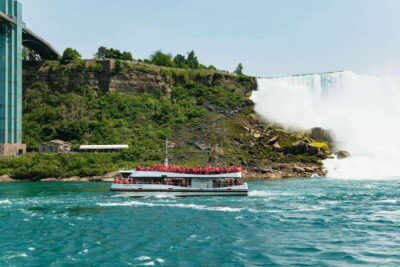
From Toronto: Niagara Falls + Winery, Cruise, & Lunch Option
Read our review →
Niagara Wine Tour and Tastings with Transportation
Read our review →
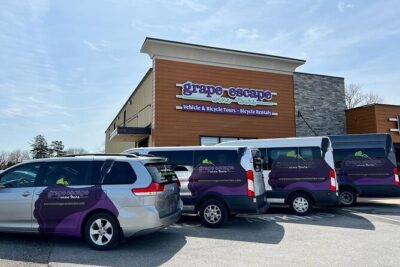
Niagara-on-the-Lake Small Group Wine Tasting Tour
Read our review →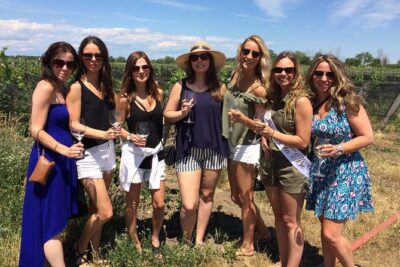
Wine & Cheese Half Day Tour – Niagara On The Lake Wine Tour
Read our review →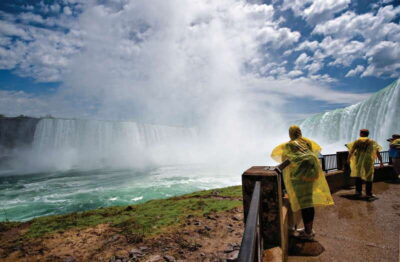
From Toronto: Niagara Falls Full-Day Bus Tour & Winery Stop
Read our review →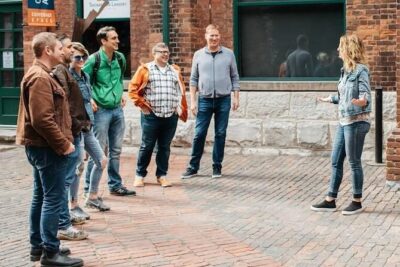
Lists this tasting sits in