
Review · MENDOZA
Mendoza: Half-Day Wine Tour with Tastings
Mendoza’s wine country is a man-made oasis, and this tour gives you the useful backstory before the tasting begins. You’ll learn how canals developed from irrigation methods used by the Huarpes helped turn dry land into vineyards, then visit wineries in Luján de Cuyo or Maipú to see how grapes become wine.
I like the sensible five-hour length and the strong value at $43. I also like the contrast between a large producer such as Bodega López and smaller operations such as Don Arturo or Bodega Bonfanti, when available. The main trade-off is that the wineries change from day to day, and some stops can feel rushed or crowded.
Key points to know before booking
- Two winery visits with tastings: You’ll learn about production and sample wines at both stops.
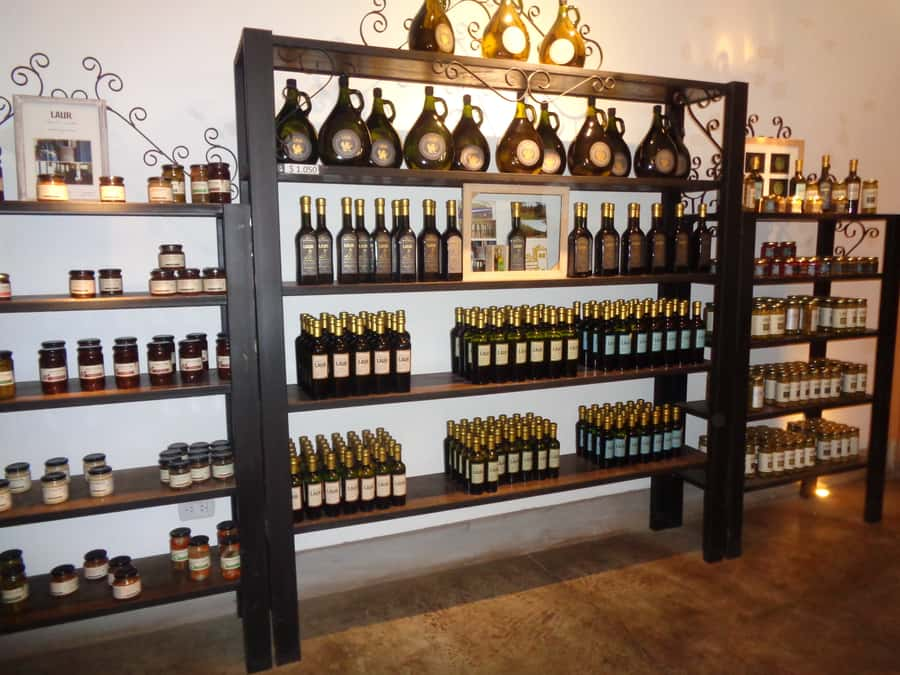
- A useful olive oil pairing: The regular option includes a short visit to a Pasrai or Laur factory, often with oil, olives, and sometimes balsamic vinegar tastings.
- Central Mendoza pickup: Hotel pickup and drop-off are included at accommodation in central Mendoza City.
- English support is available: Guides work in English, Spanish, and Portuguese, with language groups sometimes separated at each stop.
- Five hours is a good time frame: You get a real introduction to the region without giving up a full day.
- Eat before you go: Lunch is not included, and the schedule may leave little time to buy food.
Why Mendoza’s desert irrigation matters
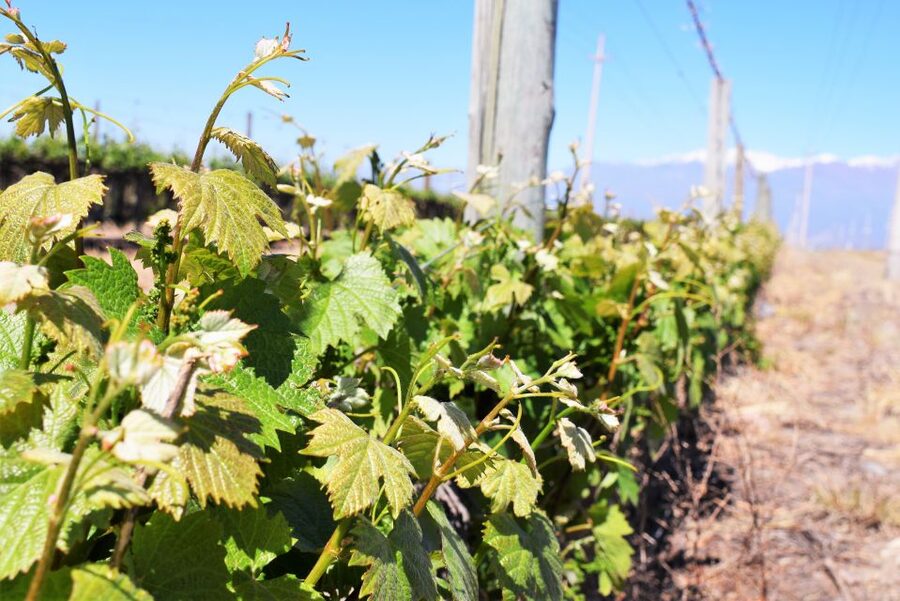
Mendoza’s vineyards do not grow here by accident. The province is dry, and the green strips of vines depend on water carried through canals. Your guide explains how irrigation methods connected to the Huarpes, the Indigenous people of the region, helped make modern wine production possible.
That context gives the tour more substance than a string of tastings. You begin to understand why Mendoza’s wine country looks so different from naturally damp wine regions. The vineyards are the result of planning, engineering, and steady human work.
The ride from central Mendoza takes about 30 minutes each way between stops. That is enough time to see the city give way to the agricultural outskirts, though the guide’s commentary on the bus may vary by language and group setup. English speakers have sometimes received a dedicated guide, while larger Spanish-speaking groups follow another guide.
That arrangement can work very well. Guides such as Marta, Mica, Mika, Mafalda, Fabricio, and Claudia have been singled out for friendly explanations and strong English. On one occasion, an English-speaking participant received nearly private attention because only one or two people needed translation.
Still, language handling is not always perfect. If the guide is explaining the region in Spanish on the bus, you may need to ask for pauses so the English explanation can follow. The winery and olive oil presentations are usually easier because groups can be divided by language at the stop.
More Half-Day Trips in the world:
- From Florence: Chianti Half-Day Wine Tour with Tasting
★ 4.5 · 3,031 reviews - Half-Day Exclusive Catamaran Cruise in Santorini with Meal and Open Bar
★ 5.0 · 2,975 reviews - From Barcelona: Montserrat Half-Day Wine and Tapas Trip
★ 4.8 · 1,918 reviews
The first winery: production before pouring
The first winery visit usually lasts about an hour. You’ll get a guided explanation of the production process, from grape handling through fermentation, storage, and bottling, followed by a tasting.
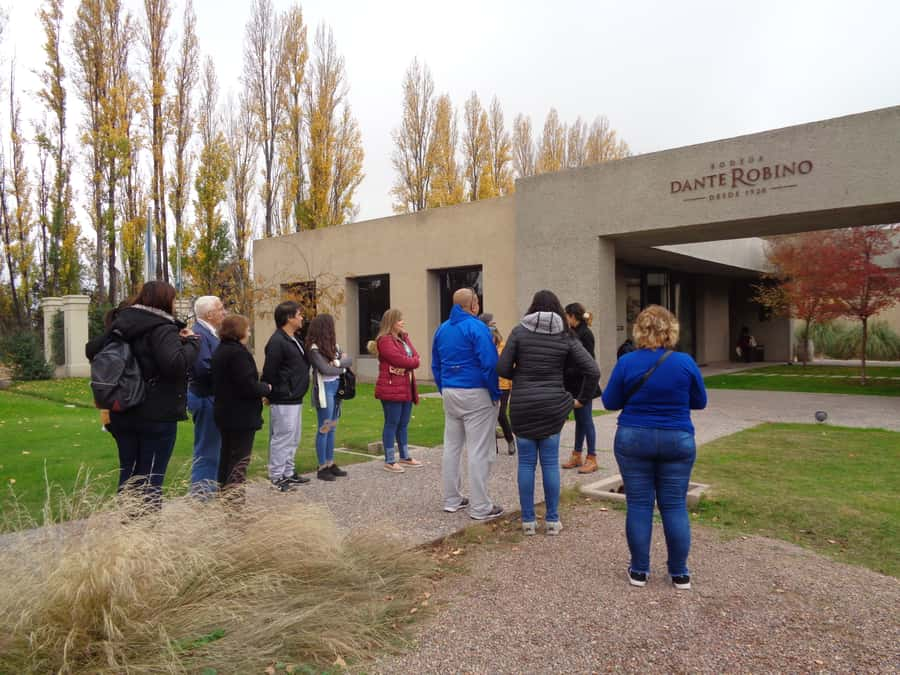
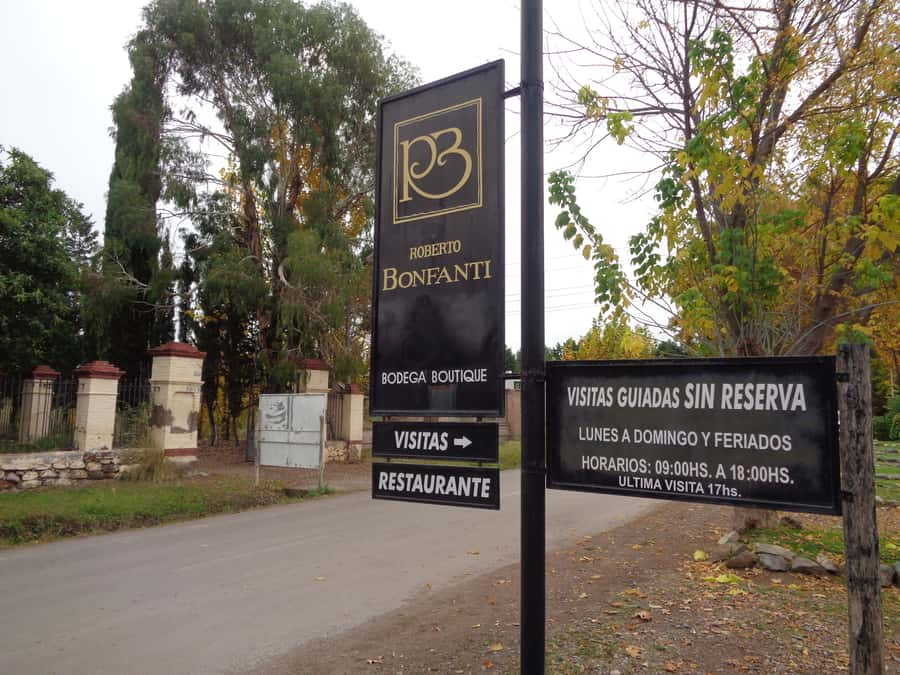
The exact bodega changes. Possible stops include Bodega López, Nieto Senetiner, Vistandes, Bonfanti, Florio, Dante Robino, Don Arturo, and Cecchin. That matters because the feel of the tour can change quite a bit depending on the day’s selection.
Bodega López, for example, gives you the sense of a larger, more established operation. A presentation there may focus on scale, organized production, and the movement of wine through a professional facility. Don Arturo offers a smaller, more personal contrast when it is included. One particularly appealing combination pairs a more corporate winery with a family-run operation.
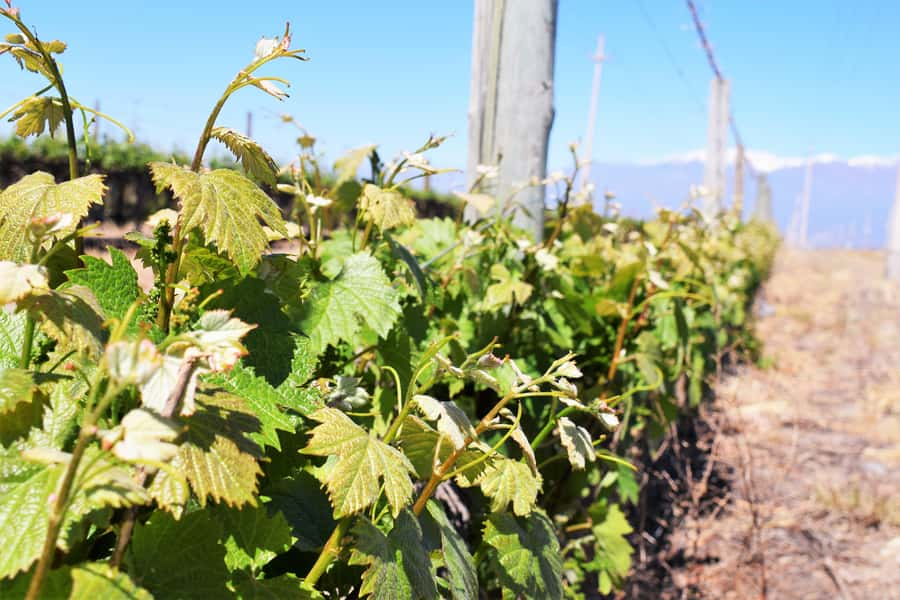
You should not assume that every stop is a vineyard walk. Some wineries have only a small plot of vines and focus mainly on the cellar and production rooms. If your main goal is to walk through extensive rows of grapes, this is not the safest tour to book. If your goal is to understand how Mendoza wine is made and taste the results, the format works better.
The quality of the presentation can also vary. At some bodegas, guides offer detailed talks and take time with questions. At busy stops, several coaches may arrive together, making the tasting feel more like a scheduled rotation than a quiet wine lesson.
Maipú and the second tasting
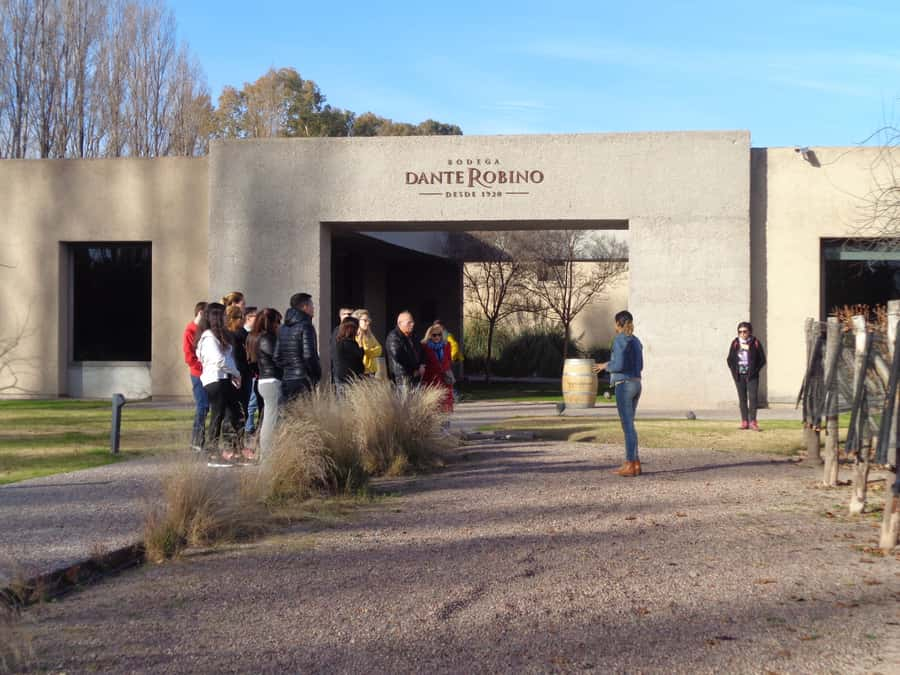
The route then continues through Maipú or the surrounding wine area. The schedule allows roughly an hour for the guided visit and another hour for a winery tasting, although the exact order can change.
The second winery is useful because it gives you a point of comparison. You may see a different production style, a smaller family operation, or a producer with a different focus. The contrast is often more instructive than visiting two nearly identical facilities.
Expect several wines rather than a single ceremonial sip. The number varies, but some outings have included a broad selection, with one participant tasting seven wines across the wineries. The emphasis is on learning how the wines differ, not on a long restaurant-style tasting.
Florio has received mixed practical feedback. Some people enjoy its sweet wines, while others find the visit brief and the tasting less impressive than the first stop. This is a good reminder that the changing winery schedule is both the tour’s strength and its weakness. You can get a pleasing variety, but you cannot choose the exact producers in advance.
If you are serious about wine, I would treat this as an introduction rather than a specialist tasting day. You get a useful overview, a chance to identify styles you like, and enough information to decide if you want a longer, more focused winery visit later.
The olive oil stop in the regular option
The regular option includes a visit to an olive oil factory. The stop is generally shorter than the winery visits, but it adds a welcome second taste of Mendoza’s agricultural life.
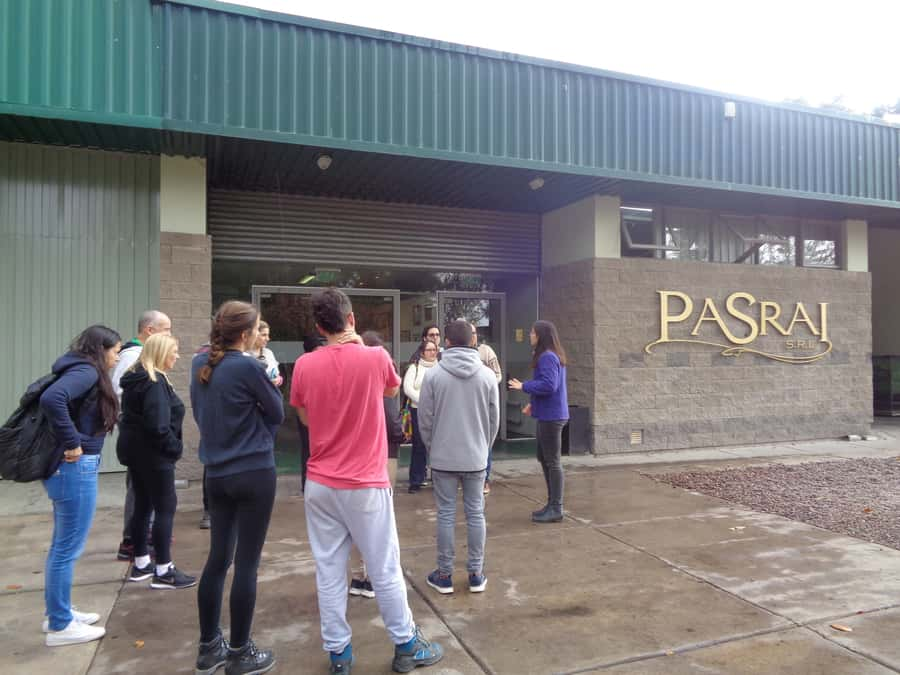
The factory may be Pasrai or Laur, depending on availability. You’ll learn how olives are processed and taste olive oils, olives, and possibly related products such as balsamic vinegar. Laur has also been associated with an explanation of vinegar production, which can be a pleasant surprise if you are interested in food beyond wine.
This stop is especially worthwhile because it breaks up the winery pattern. After hearing about grapes, you see another crop shaped by Mendoza’s dry climate and irrigation. The oils and olives also give you something practical to bring home, although the tour itself does not promise shopping time or purchases.
There is one important exception. Weather and operating conditions can change the plan. A strong Zonda wind warning once led to the olive visit being canceled and replaced with a third winery. If you are set on the olive oil portion, understand that it is subject to availability and conditions.
More drinks tours around the world:
- Budapest: Unlimited Prosecco, Beer and Aperol Spritz Cruise
★ 4.8 · 37,304 reviews - Amsterdam: Evening Cruise with Optional Wine and Snacks
★ 4.4 · 22,178 reviews - Tuscany Day Trip from Florence: Siena, San Gimignano, Pisa and Lunch at a Winery
★ 5.0 · 21,634 reviews - From Porto: Douro Valley w/ Boat Tour, Wine Tasting & Lunch
★ 4.7 · 19,061 reviews
Transport, timing, and group rhythm
The tour lasts about five hours and includes transport between central Mendoza and the countryside. Pickup and return are included at accommodation in central Mendoza City, with the listed meeting and drop-off point on Av. Sarmiento.
The drive between major stops is about 30 minutes. That keeps the day moving, but it also means the experience is tightly scheduled. You will not have a long free period for wandering, lingering over lunch, or browsing at every location.
The vehicle has generally been described as comfortable, and drivers have received strong praise for being punctual and careful. The tour works best when you accept its group format. You board, ride, listen, visit, taste, and move on.
Group size can vary. One outing had about 15 people, while another had 12. At larger stops, several groups may be present at the same time. This can lead to waiting around after your own presentation, especially when the Spanish and English schedules do not finish together.
The guide can make a big difference. Fabricio has been praised for helping the group feel comfortable and explaining the area along the road. Marta and Mica have been noted for clear English and Spanish presentations. Claudia handled an unexpected weather change with useful flexibility. These examples point to an important benefit of the tour: the guide is not just translating, but helping the day hold together.
What the $43 price really buys you
At $43, this is one of the more affordable ways to visit Mendoza’s wine country without arranging a private vehicle. The price includes hotel pickup and return, a live guide, two winery visits, wine tastings, and an olive oil factory visit with tastings in the regular option.
That is strong value if you want a broad introduction. You are paying for transport, access, several guided presentations, and a taste of both wine and olive oil in half a day. The tour can also save you the trouble of comparing distant bodegas and arranging a driver.
The low price does come with limits. You do not control which wineries are selected. The stops can be busy, the pace can be brisk, and the experience is more educational group outing than leisurely wine holiday.
Lunch is not included. Eat before pickup, especially because the schedule may leave little time to find food between tastings. Wine samples can make an empty stomach an unpleasant problem, so this small bit of planning matters.
The flexible booking terms add practical value. You can cancel up to 24 hours before the tour for a full refund, and you can reserve now and pay later. Starting times depend on availability, so check the schedule for your date.
Who will enjoy this half-day tour
I would recommend it to first-time visitors who want to understand Mendoza’s wine region without spending a full day on the subject. It also suits couples, solo visitors, and small groups who prefer not to drive after tastings.
It works well if you value variety. Two wineries, an olive oil producer, and commentary about irrigation create a broader picture of the province than a single bodega visit.
The tour is also a good fit if you have only one free afternoon in Mendoza. Five hours gives you a clear introduction while leaving time for dinner or another city activity.
I would be more cautious if you already know Mendoza’s wine scene well or want a slow, high-end tasting. The changing wineries, group transport, and possible crowding mean you may not get much time with one producer. A private or full-day wine tour would offer more control.
Comfortable shoes are sensible. You will be moving through production facilities, and the day involves getting on and off the vehicle several times. Bring a passport or ID card as requested for the activity.
Should you book it?
Book this tour if you want good value, clear introductions, and a manageable five-hour schedule. The combination of two wineries and an olive oil factory gives you plenty to taste and learn without turning the day into a marathon.
Go in with realistic expectations. You are not guaranteed a particular bodega, an extensive vineyard walk, or a relaxed lunch. Some stops may feel polished and personal, while others may be commercial or rushed.
For most visitors staying in central Mendoza, I think the $43 price is fair and often excellent. Eat first, keep an open mind about the changing stops, and ask for English pauses on the bus if needed. If you do that, this is a practical first look at how Mendoza turns dry land into wine country.
FAQ
How long does the Mendoza wine tour last?
The tour lasts five hours, including transport between central Mendoza and the wineries and olive oil factory.
Where does pickup take place?
Pickup and drop-off are included at accommodation in central Mendoza City. The listed central meeting and return point is on Av. Sarmiento.
How many wineries will I visit?
You will visit two selected wineries in the regular plan. The exact wineries change by day, and weather or availability can sometimes lead to a different arrangement.
Which wine regions does the tour visit?
The tour visits wineries in the Luján de Cuyo or Maipú regions of Mendoza Province.
Is the olive oil factory included?
The regular option includes a guided visit to an olive oil factory with tastings. The factory may be Pasrai or Laur, depending on availability.
Is lunch included?
No. Lunch is not included, and you should eat before the tour because there may be little time to buy food during the route.
What languages are available?
Live guiding is available in Spanish, English, and Portuguese. At some stops, groups may be divided by language.
What should I bring?
Bring a passport or ID card and wear comfortable shoes.
Freshly poured around the world
- Porto: 6 Bridges Port Wine River Cruise with 4 Tastings★ 4.9 · 586 reviews
- Porto: Daytime or Sunset Douro River Cruise With Port Wine★ 4.7 · 714 reviews
- Porto: 6 Bridges Cruise & Port Wine with Sunset Option★ 5.0 · 997 reviews
- Porto: 6 Bridges Port Wine River Cruise with 4 Tastings★ 4.8 · 219 reviews
- Porto: Douro Cruise, 6 Bridges & 4 Port Wines (Max 7)★ 5.0 · 69 reviews
- Portland: Happy Hour Sightseeing Cruise★ 4.6 · 74 reviews
- Portland: Underground Shanghai Tunnel Tour with Beer Tasting★ 4.3 · 102 reviews
- Porto: 3 or 5 Port Wine Tasting with Pairings★ 4.9 · 152 reviews
Mendoza Drinks Tours, side by side.
From Mendoza: 3 Wineries, Olive Oil Factory Tour & Tasting
Read our review →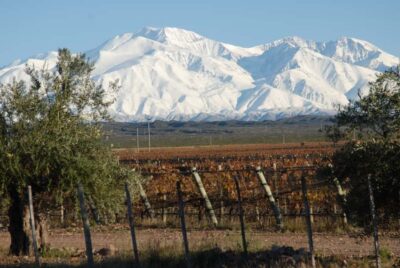
Mendoza: Full Day Wine Tour with 3 Course Lunch
Read our review →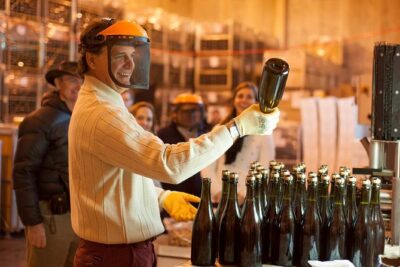
Mendoza: Winebike Tasting Tour with Optional Lunch
Read our review →Lists this tasting sits in