Review · WORLDWIDE
Miraflores: Amazing Peruvian Cooking Class Ceviche Seafood and Pisco Sour
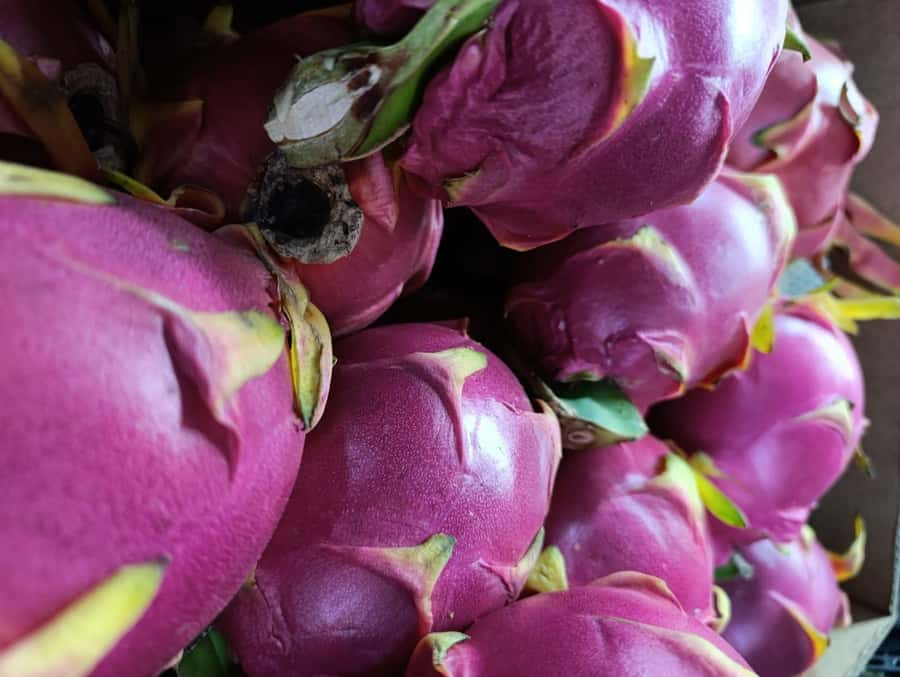
The star of this Miraflores cooking class is the 10-flavor pisco tasting. José Antonio and María produce their own pisco, and they use the tasting to explain Peru’s national spirit before you mix a Pisco Sour of your own. You also prepare tuna tartare and fresh fish ceviche, so this is a food class with a cocktail lesson built in.
I like the personal scale, with no more than eight people and the owners leading the class themselves. I also like the setting near Kennedy Park, along with the useful extras: recipes, photos and videos from the session, and practical suggestions for Lima, Paracas, Cusco, the jungle, and northern Peru.
The main consideration is that the fish and some ingredients may already be cut and prepared before you begin. That keeps the class moving, but it gives you less knife work than a full from-scratch cooking lesson. You should also tell the hosts about allergies, dietary needs, and your preferred language before arrival.
Key points at a glance
- Taste up to 10 house-infused piscos: Flavors include options such as passion fruit and chicha morada, with bottles available to buy from the producer.
- Prepare three Peruvian favorites: You make tuna tartare, one Pisco Sour or chilcano, and your own plate of fish ceviche.
- Learn from the owners: José Antonio and María explain the drinks, ingredients, Peruvian food traditions, and their own work as pisco producers.
- Stay close to Kennedy Park: The meeting point is at the door of the Wong supermarket, about half a block from the park.
- Keep the group small: The class accepts up to eight people and runs for about 2.5 hours.
- Receive useful trip extras: Recipes, photographs, videos, and destination tips are included at no additional cost.
A small cooking room near Kennedy Park
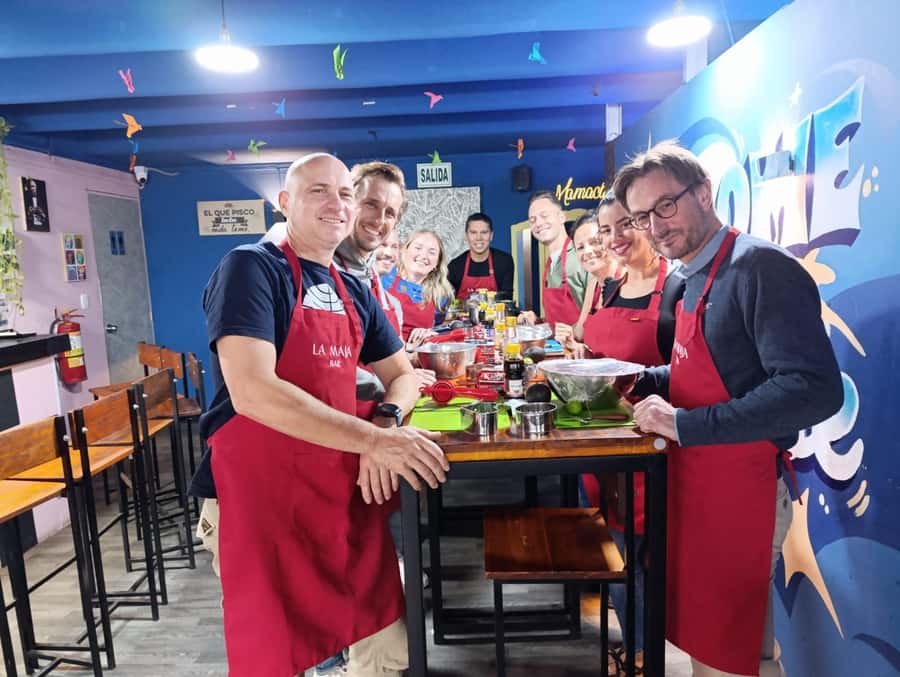
The meeting point is easy to locate: look for the hosts in red aprons at the door of the Wong supermarket in Miraflores. The activity finishes at the same place, and the cooking space is about half a block from Kennedy Park, making it handy if you are staying in central Miraflores.
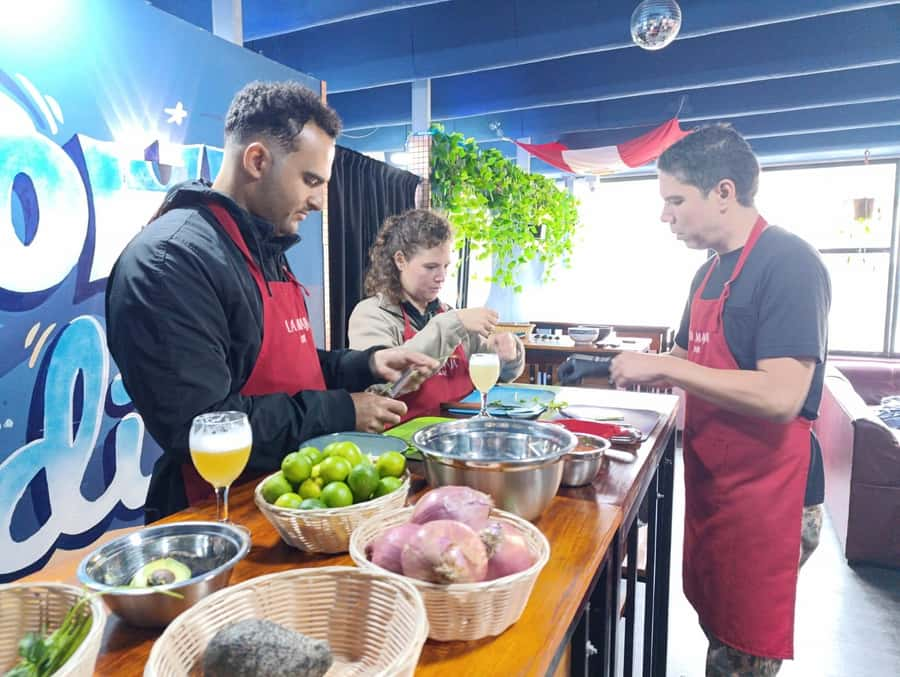
You enter a private experience room decorated with Peruvian art. The hosts begin with a short video covering Peru’s coast, highlands, and jungle. This opening matters because Peruvian food changes sharply from one region to another, and the video gives you a quick sense of that wider food culture before you start cooking.
The space has an elevator and no stairs, which helps if you have mobility concerns. The exact starting time depends on the date you choose, but the class lasts about two and a half hours. It is a good fit for an afternoon or evening plan, though you should avoid scheduling anything tight immediately afterward.
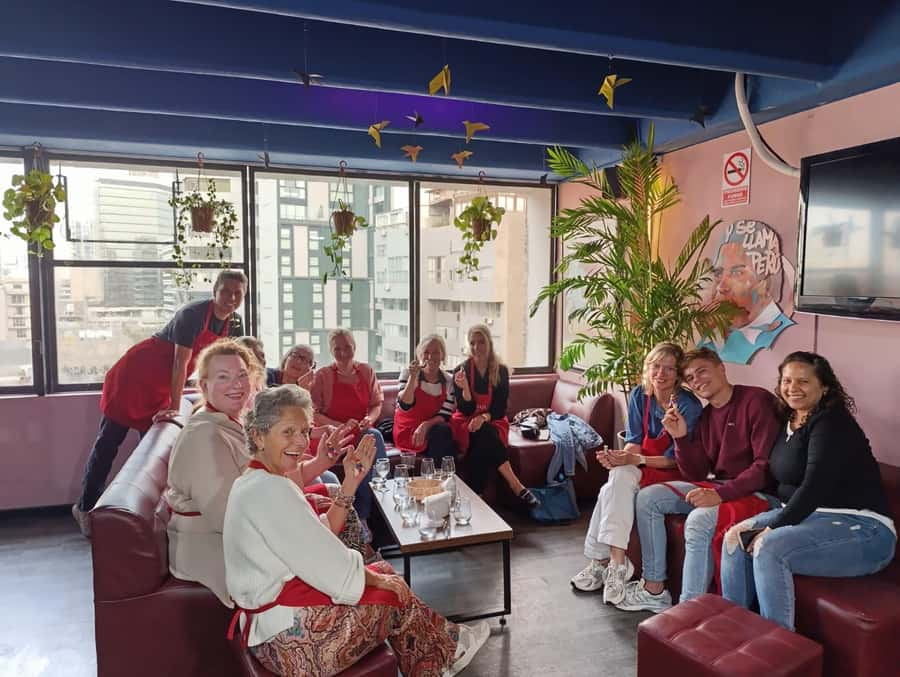
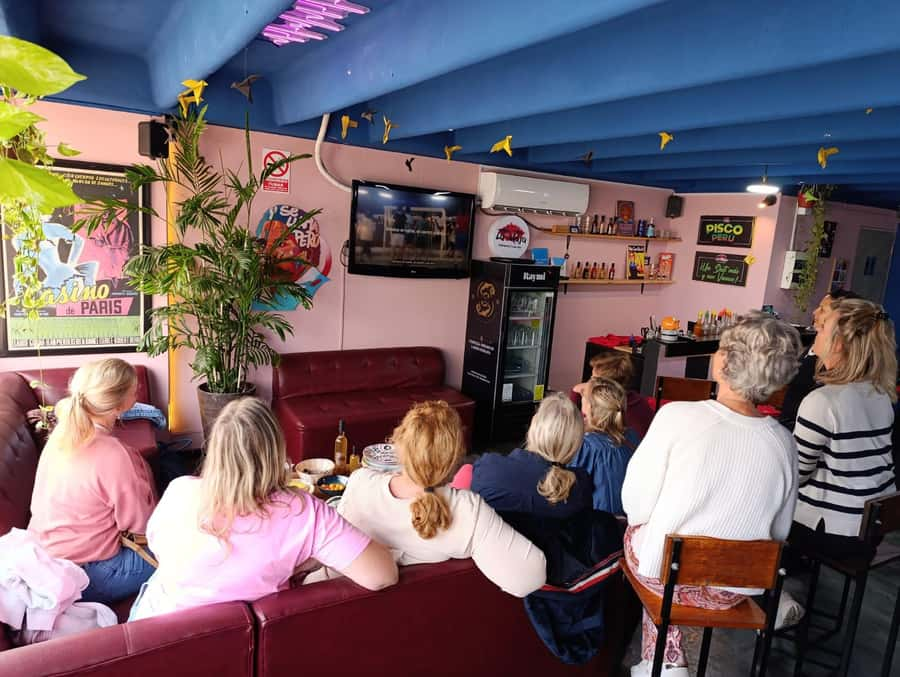
The room includes a kitchen area, a full bar, and seating. Several people have found the home-style welcome one of the best parts of the visit. It feels more personal than a large culinary school, especially when José Antonio and María have time to answer questions or offer advice about the rest of your stay.
More Cooking Classes in the world:
- Rome: Pasta Making Class with Wine, Limoncello, and Dessert
★ 4.9 · 3,177 reviews - Rome Cooking Class: Make Pasta and 3 Spritz Cocktails
★ 5.0 · 2,937 reviews - Barcelona Paella Cooking Class with Market Visit, Tapas & Sangria
★ 5.0 · 2,531 reviews
Exotic fruit and the first taste of Peru
The class starts with exotic fruit tasting. This is not just a filler before the cooking begins. Peru has a wide range of fruits, and tasting them gives you an early introduction to ingredients that may not appear in a standard restaurant meal.
You then move to pisco macerates, which are piscos infused with different fruits, herbs, or other flavors. José Antonio produces the pisco himself, and he explains how his work with the spirit fits into his family and professional story. You may taste as many as 10 varieties.
The tasting is one of the most distinctive parts of the class. At many cooking lessons, the drink is limited to the cocktail you prepare at the end. Here, you get to compare several flavored piscos first, then select the style you want to use in your own drink.
Specific favorites can vary, but passion fruit and chicha morada have drawn special attention. If you find one you like, bottles may be available to purchase from the instructor. Ask about the alcohol content and pace yourself, since the tasting includes several samples before the Pisco Sour lesson.
The hosts also explain the background of pisco and the role of the traditional Peruvian drink. The class presents pisco as part of Peru’s identity, not simply as a bar ingredient. That context makes the cocktail preparation more meaningful later.
Tuna tartare with fresh, simple flavors
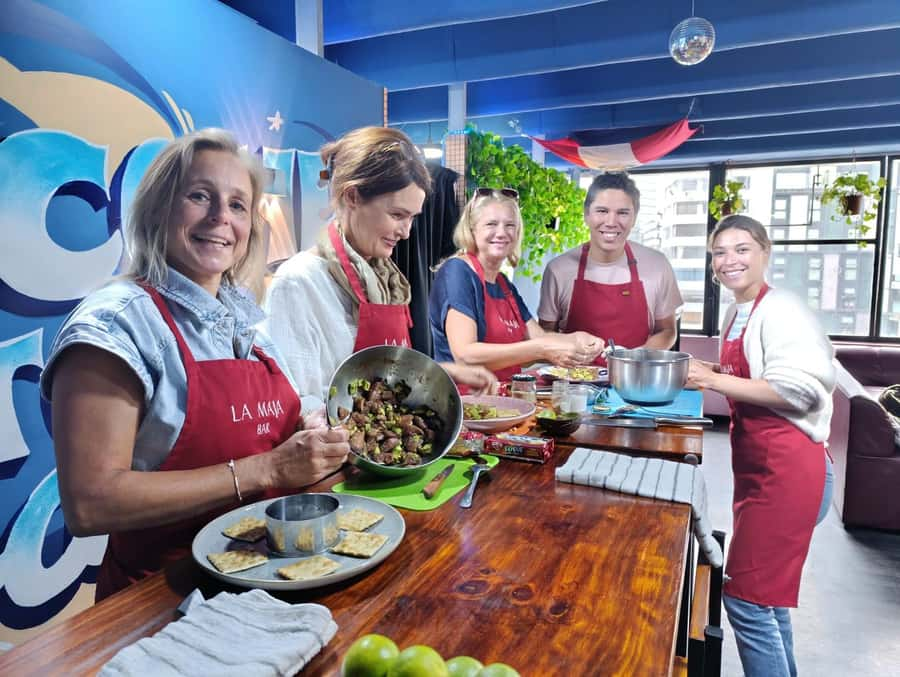
The first dish is tuna tartare. The tuna of the day is mixed with soy sauce, sesame oil, avocado, and lemon, then served on crackers. It is a straightforward recipe, but the quality of the fish matters more than a long list of ingredients.
The class focuses on how the flavors work together. Soy sauce brings salt, sesame oil adds a toasted note, avocado gives the mixture a soft texture, and lemon cuts through the richness. You prepare one portion per person, so you get to eat what you make rather than watch a demonstration from the sidelines.
Several elements may already be measured, cut, or prepared when you arrive. This helps the class stay within its 2.5-hour schedule and leaves more time for explanations, tasting, and conversation. If you want a lesson focused heavily on chopping and technical knife work, this may feel a little light.
For most people, the tradeoff is sensible. You still mix the dish and learn the balance of its ingredients, while the hosts manage the time-consuming preparation. It also means the group can move on to the cocktail and ceviche without rushing the final meal.
The portions are described as generous, and the ingredients are selected for freshness. Tuna tartare is served first, so it works as a light opening dish before the ceviche. If you have a seafood allergy or avoid raw fish, tell the hosts before booking. The class can provide a vegetarian option, but the exact substitute should be confirmed in advance.
Mixing your own Pisco Sour
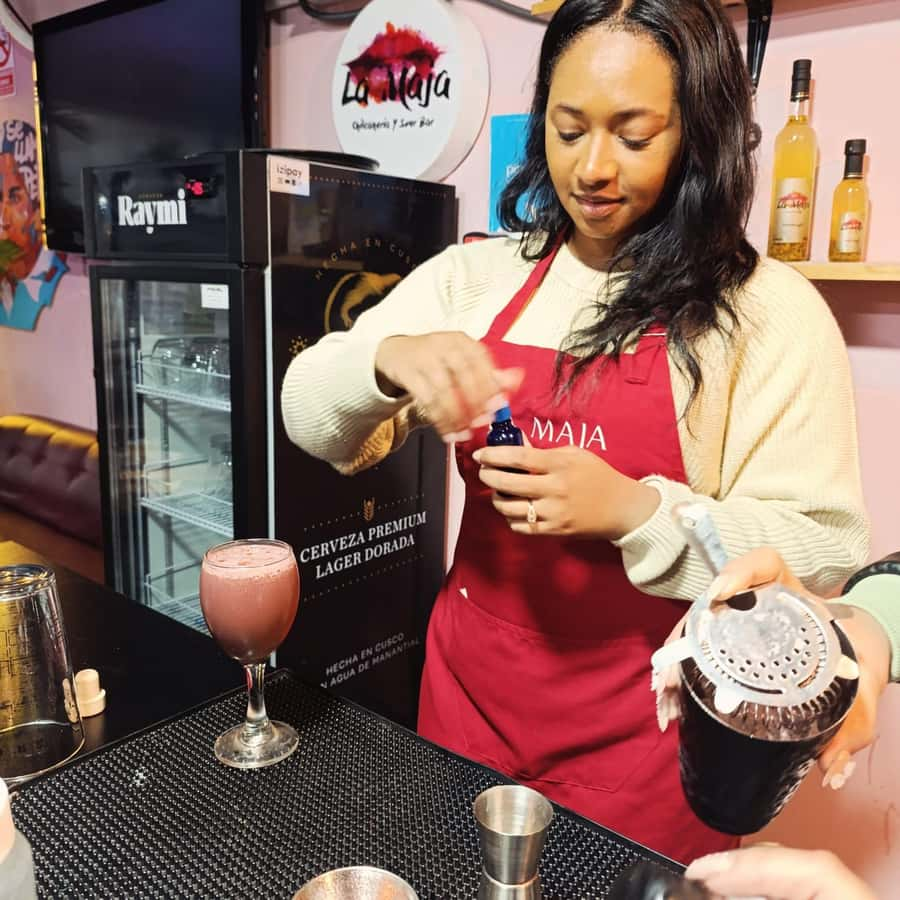
After the tartare, the group moves to the bar for the Pisco Sour lesson. The hosts explain the drink’s origins and show you the official recipe before you make your own. You can also prepare a chilcano instead, depending on your preference.
You choose a pisco flavor from the available options. That small decision changes the drink from a fixed recipe into something personal. A fruit-infused pisco can make the cocktail sweeter and more aromatic, while a more traditional choice keeps the spirit’s character in the foreground.
The point is not just to drink the finished cocktail. You learn the basic structure of the drink and take part in the mixing. The class includes one Pisco Sour or chilcano per person, while water is available throughout.
If you are not comfortable with alcohol, this is worth considering before you reserve. The experience includes a broad tasting of pisco macerates followed by a cocktail, so it is more drink-focused than a typical cooking class. You can ask the hosts about adapting your participation, but no nonalcoholic cocktail is specifically promised in the provided details.
More Workshops and Classes in the world:
- Fettuccine & Tiramisù: Cooking Class with Wine & Limoncello
★ 4.9 · 2,103 reviews - Pasta Cooking Class Near the Colosseum with 3 Spritz Cocktails
★ 5.0 · 1,686 reviews - Sorrento: Pizza Lesson, Wine, and Limoncello at a Local Farm
★ 5.0 · 1,513 reviews - Rome Tipsy Cooking Class: Make Pasta and Mix 3 Spritz Cocktails
★ 5.0 · 1,357 reviews
Making ceviche the Peruvian way
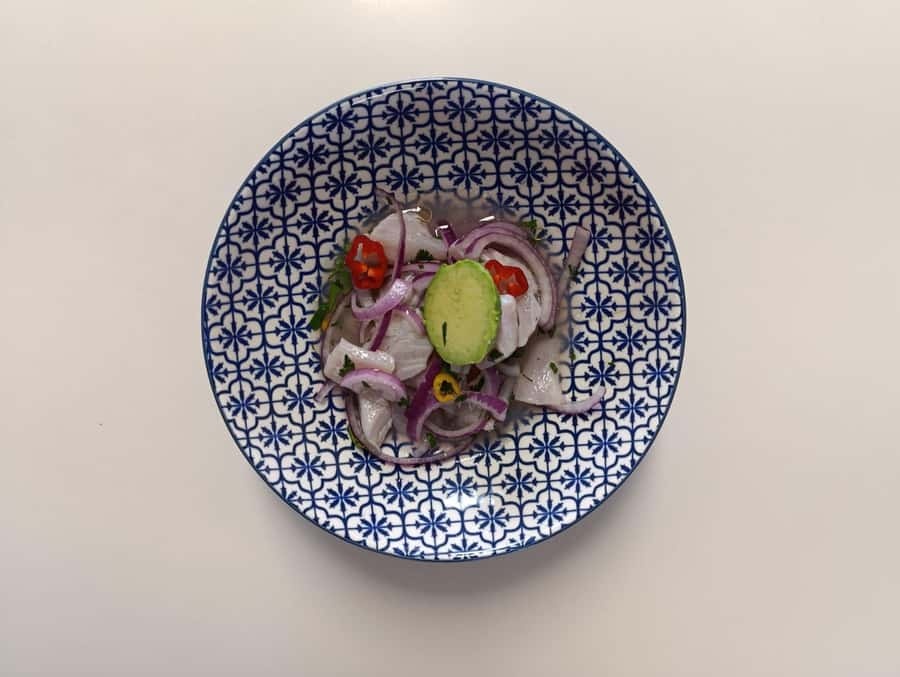
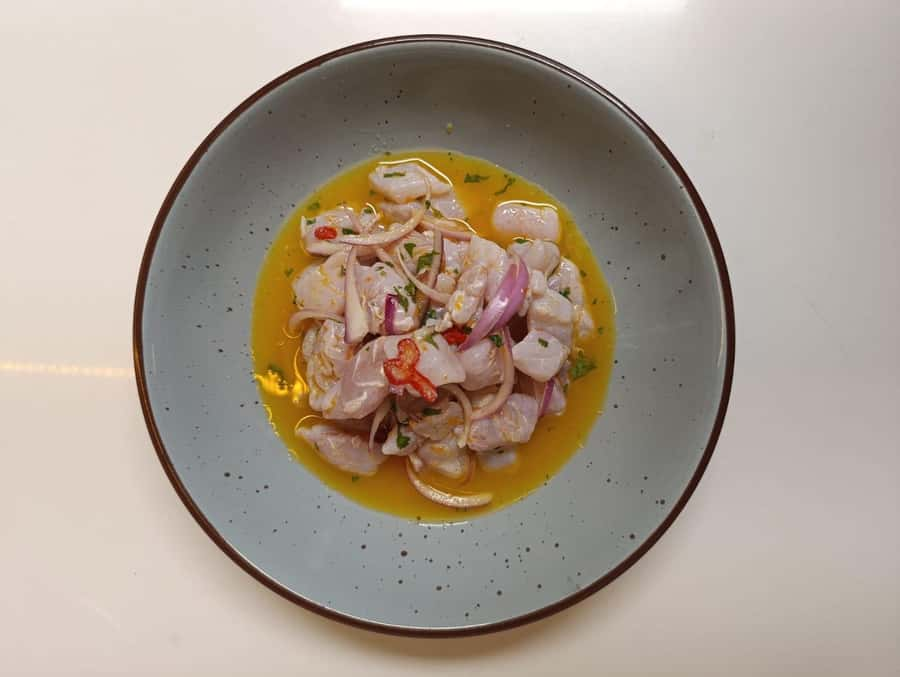
Ceviche is the main event. You prepare one plate per person using fresh fish and the hosts’ own recipe. The dish is connected to Peru’s coastal food traditions, and the class explains both its origins and the ingredients that give it its sharp, clean flavor.
The fish is the key. The hosts describe their seafood as a specialty, and several sessions have used fish caught that morning. Freshness gives the ceviche a firm texture and allows the citrus, seasoning, and other ingredients to remain clear rather than overwhelming the seafood.
You prepare the ceviche toward the end of the class, then eat it as the final savory dish. That order works well: the tartare introduces you to raw seafood, the Pisco Sour adds the drink lesson, and the ceviche brings together the central technique of the class.
The phrase secret recipe is used for the ceviche, so do not expect every proportion to be handed over in advance. You will receive the recipes after the experience, which gives you a useful record to take home while preserving some of the hosts’ personal method during the lesson.
Ceviche can be a good introduction to Peruvian food because it is direct and regional. You are not just tasting a dish in a restaurant. You are handling the ingredients, learning why the preparation is done in a particular order, and eating the result soon afterward.
Photos, recipes, and local advice
José Antonio and María take photographs and videos during the class and share them afterward. This is a useful extra for couples, solo visitors, and anyone who wants a record of the activity without spending the whole time holding a phone.
You also receive the recipes for the dishes and drinks. That changes the value of the class. You are not paying only for an afternoon meal, you are taking home instructions for tuna tartare, ceviche, and your chosen cocktail.
The hosts also offer suggestions for places to visit and eat in Lima, as well as advice for Paracas, Cusco, the jungle, and northern Peru. Solo visitors have found this especially useful because the conversation can help shape the next few days of a larger Peru trip.
The quality of this advice will naturally depend on what you want to do, but the access to local recommendations is a real advantage. You can ask about food, neighborhoods, and sightseeing while you are already talking with people who work around Peru’s culinary traditions.
How the small group changes the experience
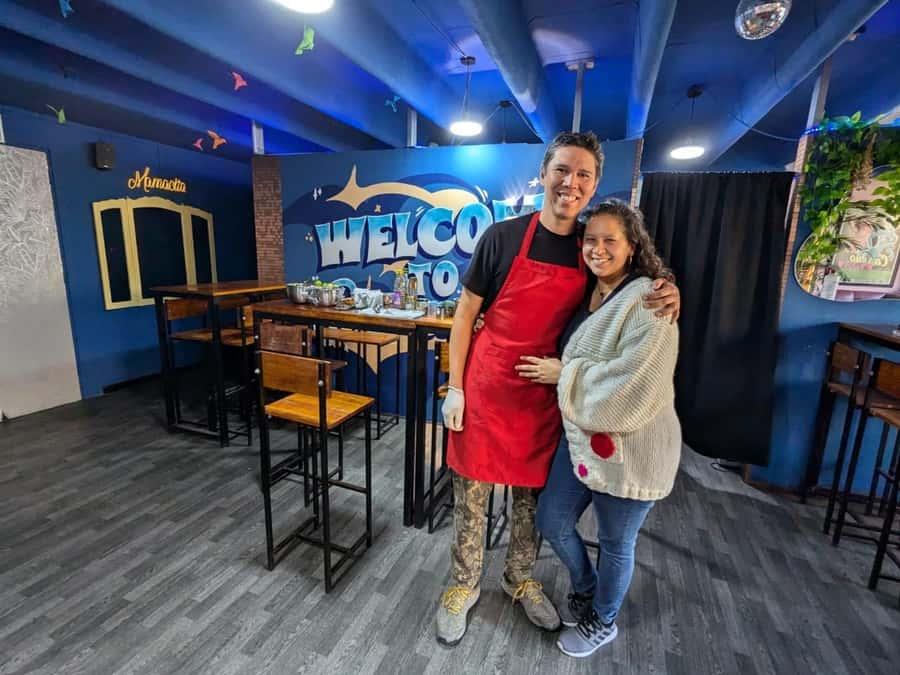
With a maximum of eight participants, the class has room for conversation. You can ask José Antonio about pisco production, ask María about the food, or get help with the mixing and seasoning without waiting behind a large crowd.
The group size also suits people who want a social evening. Couples, solo visitors, and young visitors have all found the format easy to enjoy. If only one booking is made for your time slot, the class may become nearly private, though that depends on availability.
The hosts speak English and Spanish. Tell them your preferred language when booking, particularly if several people in your party have different comfort levels. You should also report allergies and request the vegetarian option ahead of time.
This is not a formal restaurant meal with a fixed distance between cook and customer. The welcome is personal, and the hosts share their own story as pisco producers. That warmth is a major part of the appeal, though anyone seeking a highly structured professional-school format may prefer a more technical class.
Is $40 a good value?
At $40 per person, the price is reasonable for what is included. You receive exotic fruit, several pisco samples, a cocktail, two seafood dishes, instruction, water, recipes, and photos or videos. You also get about 2.5 hours with the owners in a small group.
The value improves if you want several activities in one booking. A separate ceviche lesson, pisco tasting, cocktail class, and local food consultation would likely take more time and money. Here, those pieces are combined in one central Miraflores experience.
The price is less compelling if you mainly want to eat ceviche. A restaurant meal will be simpler and may cost less, but it will not teach you the preparation or give you the pisco tasting and recipes. This class is best understood as a food-and-drink activity, not just lunch or dinner.
The fresh seafood, small group, and owner-led format also help justify the cost. I would book it early in a Lima stay if you want to use the hosts’ destination tips for later plans. It also makes sense near the end of your visit if you want recipes and flavors to take home.
Practical details before you reserve
The activity is free to cancel up to 24 hours before the start time, and you can reserve while paying later. Starting times vary, so check the available schedule for your date.
Meet at the entrance of the Wong supermarket in Miraflores, where the hosts wear red aprons. The activity ends at the same location. Do not assume hotel pickup, even though some individual arrangements may be possible if you contact the hosts about another schedule or private transport.
The class is wheelchair accessible, with an elevator and no stairs. Instruction is available in English and Spanish, and the group is limited to eight people.
Before you arrive, send four useful details:
- Your preferred language
- Any food allergies
- Whether you need the vegetarian option
- Any request for a different schedule
The seafood and alcohol make advance communication important. If you have dietary restrictions, do not wait until the class begins to mention them.
Who should book this class?
I would recommend it to anyone who wants to understand Peruvian food by preparing it, not just ordering it. It works especially well for people who enjoy seafood, cocktail making, and informal conversation with local hosts.
It is also a strong choice for couples and solo visitors. The class creates an easy setting for meeting a few other people, while the small group keeps the experience personal. The photos and short video compilation are a thoughtful touch for a special trip.
Families with younger children should think carefully about the pisco tasting and cocktail portion. The class is built around alcohol as well as food, and the provided details do not specify a children’s version.
You may want a different activity if you need a fully hands-on professional cooking course. Some ingredients are prepared before the class, and the focus is on tasting, explanation, and assembling the dishes rather than advanced kitchen technique.
Should you book it?
Book this class if you want fresh ceviche, a relaxed introduction to pisco, and a personal connection with José Antonio and María. The combination of 10 infused pisco flavors, tuna tartare, a Pisco Sour or chilcano, and a central Miraflores location gives you plenty for the price.
Skip it if you avoid raw seafood and alcohol, or if you want a serious chef-training lesson with every ingredient prepared from the beginning. For most food-focused visitors, though, this is a practical and friendly way to spend 2.5 hours in Lima, with recipes and local advice that remain useful after the plates are empty.
FAQ
Where does the cooking class meet?
Meet at the door of the Wong supermarket in Miraflores. The hosts will be wearing red aprons, and the activity ends at the same meeting point.
How long does the experience last?
The class lasts about 2.5 hours. Starting times vary, so check availability for your preferred date.
What food and drinks will I prepare?
You prepare one plate of tuna tartare, one plate of fish ceviche, and either one Pisco Sour or one chilcano per person. The experience also includes exotic fruit and pisco macerate tastings.
How many pisco flavors can I taste?
You can taste up to 10 different pisco macerate flavors. The hosts produce their own pisco and explain its background during the tasting.
Is the activity available in English?
Yes. The hosts provide instruction in English and Spanish. Tell them your preferred language when booking.
Can I request a vegetarian option or report allergies?
Yes. You should tell the hosts about allergies and request a vegetarian option before the class. The activity is also wheelchair accessible, with an elevator and no stairs.
Freshly poured around the world
- Porto: 6 Bridges Port Wine River Cruise with 4 Tastings★ 4.9 · 586 reviews
- Porto: Daytime or Sunset Douro River Cruise With Port Wine★ 4.7 · 714 reviews
- Porto: 6 Bridges Cruise & Port Wine with Sunset Option★ 5.0 · 997 reviews
- Porto: 6 Bridges Port Wine River Cruise with 4 Tastings★ 4.8 · 219 reviews
- Porto: Douro Cruise, 6 Bridges & 4 Port Wines (Max 7)★ 5.0 · 69 reviews
- Portland: Happy Hour Sightseeing Cruise★ 4.6 · 74 reviews
- Portland: Underground Shanghai Tunnel Tour with Beer Tasting★ 4.3 · 102 reviews
- Porto: 3 or 5 Port Wine Tasting with Pairings★ 4.9 · 152 reviews
Drinks Tours, side by side.

Budapest: Unlimited Prosecco, Beer and Aperol Spritz Cruise
Read our review →
Amsterdam: Evening Cruise with Optional Wine and Snacks
Read our review →
Tuscany Day Trip from Florence: Siena, San Gimignano, Pisa and Lunch at a Winery
Read our review →
From Porto: Douro Valley w/ Boat Tour, Wine Tasting & Lunch
Read our review →
Paris: Moulin Rouge Cabaret Show Ticket with Champagne
Read our review →
Chichen Itza, Cenote & Valladolid Tour with Tequila and Lunch
Read our review →
Complete Douro Valley Wine Tour with Lunch, Wine Tastings and River Cruise
Read our review →