
Review · ITALY
Montalcino: Brunello Wine Tasting Experience
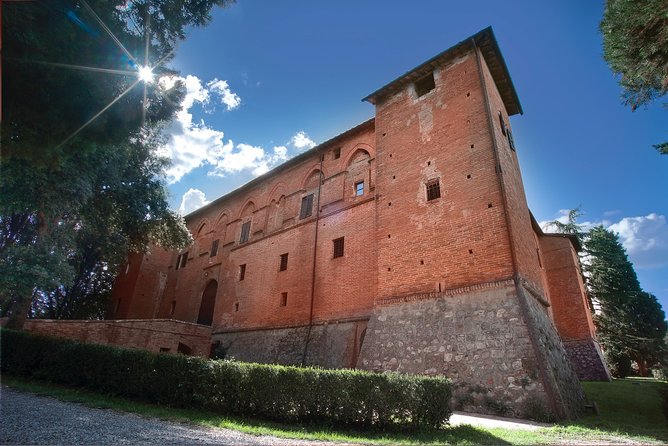
Montalcino’s best feature here is the setting: you taste local wine inside an old medieval castle, then walk into the vineyard with a sommelier who explains how the estate works. It is a compact way to connect the famous Brunello name with the soil, vines, family, and countryside around it.
I like the small time commitment and the chance to taste three wines without giving up half a day. I also like the personal touch of guides such as Imma and Alice, both praised for their warmth and clear presentation. The main caution is that tasting pours may be modest, so this is a learning session with samples, not a long afternoon of full glasses.
Key points at a glance
- A medieval castle setting: The tasting takes place in an elegant castle in the heart of Montalcino.
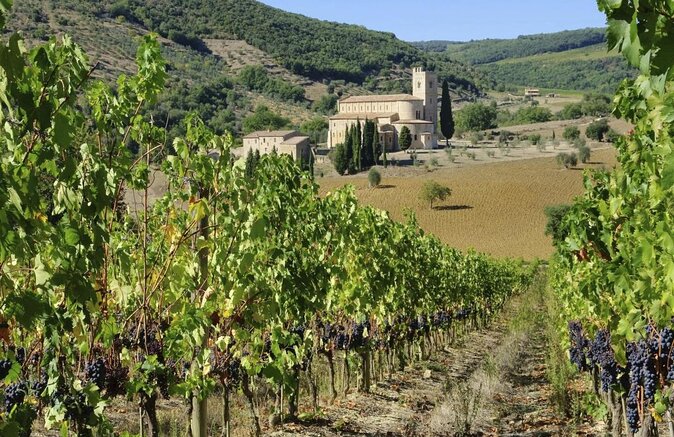
- A vineyard walk first: You begin outdoors with a sommelier, learning about the estate and traditional production methods.
- Three Tuscan wines: The selection can include Sangiovese IGT and Brunello di Montalcino.
- Simple local pairings: Wines come with local focaccia or bread sticks and water.
- A short, useful stop: Allow 1.5 to 2 hours, making it easy to fit into a day in Montalcino.
- Arrive early: You must be at the meeting point 15 minutes before the start. Late arrivals are not accepted.
Why the castle makes this tasting special
Many wine tastings take place in a plain cellar or a modern tasting room. Here, the wine comes with a sense of place before you even lift the glass. The setting is an elegant medieval castle, and the estate’s story is part of the visit.
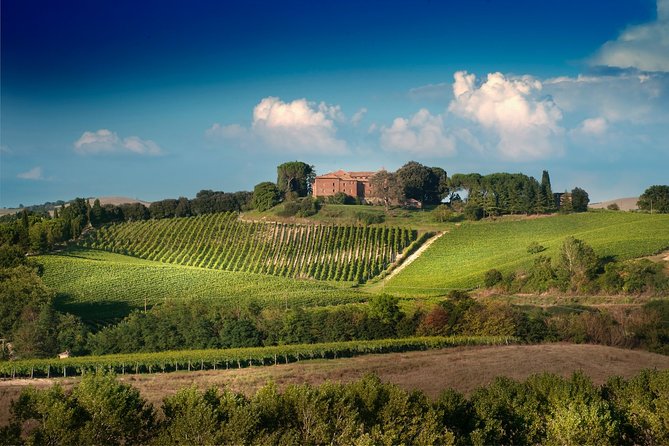
That matters in Montalcino. Brunello is not just a label to recognize on a restaurant menu. The name is tied to the local Sangiovese grape, the hills around town, and a long tradition of careful production. Standing among the vines gives you a better frame for understanding why wines from the same wider region can taste different from one another.
You also hear about the castle and its family. The supplied details do not give the family name or a long timeline, so you should not expect a formal museum tour. Instead, think of this as a short introduction to the property, its wine work, and the people connected with it.
The castle setting also helps the experience feel less like a quick commercial stop. You are not simply seated at a table with three glasses in front of you. The walk and the architecture add context, even though the whole visit remains fairly brief.
More Wine Tasting Tours in Italy
- Florence: Chianti Wineries Tour with Wine Tasting
★ 4.5 · 10,071 reviews - Small-Group Wine Tasting Experience in the Tuscan Countryside
★ 5.0 · 7,392 reviews - Rome: Tuscany & Montepulciano Day Trip with Lunch & Wine Tasting
★ 4.5 · 5,232 reviews
Starting with a vineyard walk in Montalcino
The activity begins with a meeting with your sommelier, followed by a stroll through the vineyard. This is the part I find most useful for anyone who knows little about Italian wine.
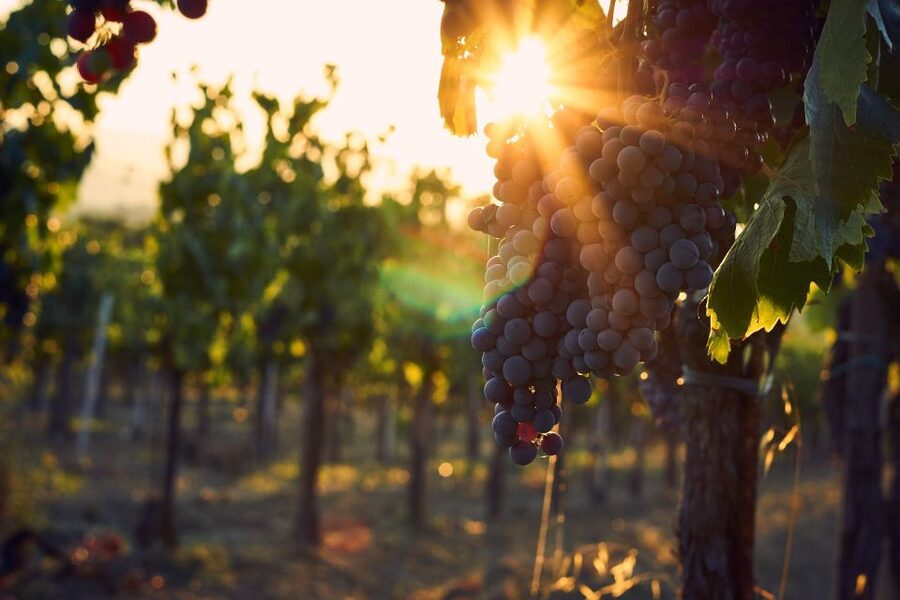
Your guide explains traditional high-quality production methods and techniques while you look across the vines and the surrounding Tuscan countryside. You may already know Brunello as a famous name, but the vineyard walk gives you a chance to connect the wine with the land where it is made.
The walk is not described as a long hike. It is part of a 1.5 to 2-hour visit, so plan on a gentle introduction rather than a demanding outdoor outing. Wear shoes you can walk in comfortably, especially if the ground is uneven or the weather has been wet.
The countryside views are an important part of the visit. The castle provides the architecture, but the vineyard gives you the open view that makes Montalcino feel distinct from a city wine bar. Bring a camera if you like taking photographs, though the main purpose of this portion is to listen and ask questions.
This is also a good time to ask your sommelier how the wines differ. English and Italian are available, and the experience is guided live rather than delivered through an audio device. Guides Imma and Alice have both received especially warm praise for being friendly and engaging. Guide assignments can change, but the personal format is a reason to choose this over a self-guided tasting.
What the sommelier explains about Tuscan wine
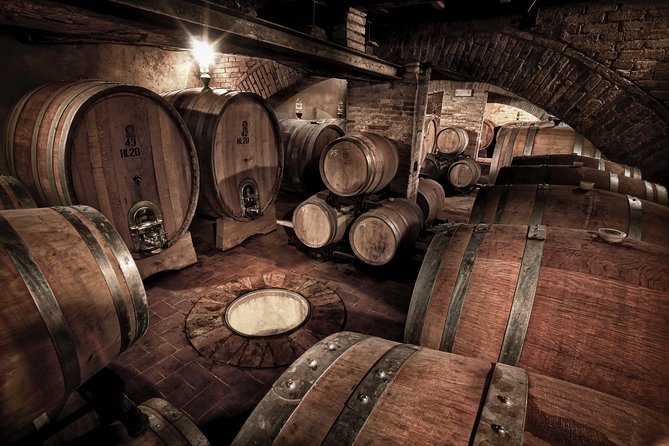
The tasting is built around three local wines. The examples given include Sangiovese IGT and Brunello di Montalcino, two names that help show the range of Tuscan wine.
Sangiovese is central to many Tuscan wines, and tasting it in more than one style can help you notice how production and aging affect the final drink. Brunello di Montalcino is the famous local expression, so having it in the lineup gives the tasting a clear focus.
The exact wines are not guaranteed in the information provided. That is worth keeping in mind if you are booking specifically to taste a certain vintage or a particular bottle. The activity promises three local wines, not a fixed list with named years.
Your sommelier explains what you are tasting and why these wines are distinctive. That makes the experience suitable for beginners, but it can still appeal to someone who already knows a little about wine. You do not need to arrive with technical vocabulary. You can simply ask about aroma, flavor, production, or the difference between the wines in your glass.
I would treat this as a guided introduction rather than an advanced wine course. The duration is too short for a long lesson on every stage of production, but it is long enough to give you a practical sense of the local style and a few terms you can use later at dinner.
Three wines with local focaccia or bread sticks
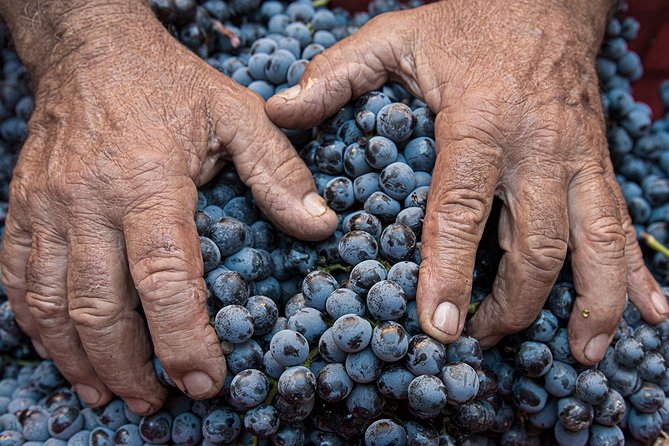
After the vineyard walk, you move into the guided tasting. Three wines are paired with local food described as bread sticks and, elsewhere, local focaccia. Either way, the food is a simple accompaniment rather than a full meal.
That distinction matters. The snack helps clear the palate and gives you something to eat with the wine, but you should not arrive hungry and expect lunch. Water is included, which is useful during a tasting, particularly if you are trying several wines in a warm season.
The tasting portions deserve a realistic expectation. This is presented as a sampling of three wines, not a series of generous restaurant pours. One account describes the glass as lightly poured, with no repeat serving. For some people, that will feel perfectly reasonable in a structured tasting. If you are looking for a leisurely wine session with plenty to drink, you may find the format too restrained.
On the other hand, modest pours can be a good choice if you are driving later or still have a full day of sightseeing ahead. Since hotel pickup and drop-off are not included, think carefully about your transport plans before booking. The experience itself does not promise transportation from Florence or another city.
The local snack pairing is best understood as part of the tasting ritual. It adds a little food and local character, but the wine and the sommelier’s explanation remain the center of the visit.
More Chianti Wine Tours in Italy:
- San Gimignano, Siena, Monteriggioni, Chianti Day Trip with Lunch & Wine Tasting
★ 4.5 · 4,432 reviews - Chianti Wine Tour from Florence
★ 4.5 · 3,979 reviews - From Florence: San Gimignano, Siena, and Chianti Wine Tour
★ 4.5 · 3,762 reviews - Florence: S. Gimignano, Siena, Chianti Wine Tasting & Lunch
★ 4.6 · 3,102 reviews
Is $38 a fair price?
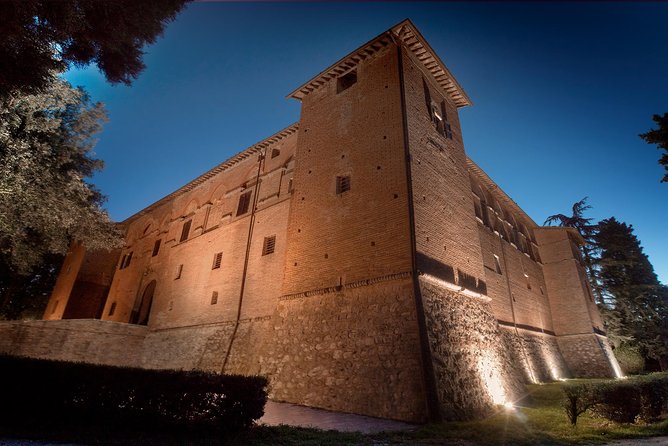
At $38 per person, the value depends on what you want from a wine stop. You receive a castle and winery tour, a vineyard walk, a professional sommelier, three wine samples, local food, and water. For a short visit in one of Tuscany’s best-known wine towns, that is a reasonable price.
The setting improves the value. You are paying for more than three tastes at a counter. The castle, vineyard, countryside views, and explanation of the family’s wine production give you a fuller visit than a stand-alone tasting.
Still, $38 is not a bargain if you are traveling a long way only for this activity. A Brazilian participant felt it was not worth the trip from Florence alone, especially because the tasting portions were small. I agree with that practical judgment. This makes the most sense as part of a day already spent in or near Montalcino, not as the sole reason to make a lengthy journey.
If you are staying nearby, the calculation changes. You can enjoy the castle, learn about Brunello, and be finished in under two hours. That leaves time for more of Montalcino without committing to a much longer winery program.
The option to reserve now and pay later adds flexibility. Free cancellation is available up to 24 hours before the activity for a full refund. Those terms are useful if your Tuscan plans may shift, but always check the booking conditions shown at the time you reserve.
Timing and the meeting point require care
The practical rule is simple: arrive 15 minutes early. Late arrivals are not accepted, so do not plan to reach the meeting point at the exact start time.
Use Google Maps to find the meeting point. The instructions specifically say not to use another map service. That may sound overly particular, but rural Tuscan roads, castle entrances, and property names can confuse navigation apps. Give yourself extra time to park, walk to the entrance, and get oriented.
The exact starting time depends on availability. The visit itself lasts 1.5 to 2 hours, so check the offered time before booking and build in room for the drive. If you have a lunch reservation, train connection, or another timed activity, allow more than the minimum duration.
There is no hotel pickup or drop-off. You are responsible for reaching the castle and leaving afterward. That makes this easier for someone with a rental car or a planned visit to the area, and less convenient for someone trying to add it casually from a distant base.
Who will enjoy this most
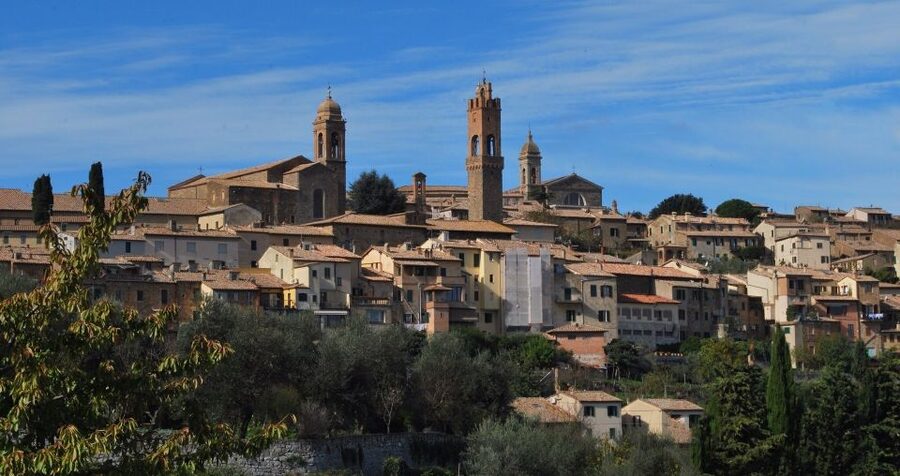
I would recommend this experience to you if you want an approachable introduction to Brunello without spending an entire day at a winery. It suits couples, small groups, and wine beginners who appreciate a scenic setting and a guide who can explain the basics without making the visit feel like a lecture.
It is also a good fit if you care about architecture and setting as much as the wine. The castle gives the tasting a stronger sense of place, while the vineyard walk keeps the experience connected to production.
You may want something else if you are a serious wine collector seeking rare vintages, detailed technical discussion, or generous pours. The available information does not promise a fixed vintage list, barrel-room visit, or extended cellar session.
It is also not the right choice if your main goal is a full meal. The focaccia or bread sticks are a snack, and the visit does not include transportation. Plan it around your wider day rather than treating it as a complete food-and-wine outing.
A friendly guide can shape the whole visit
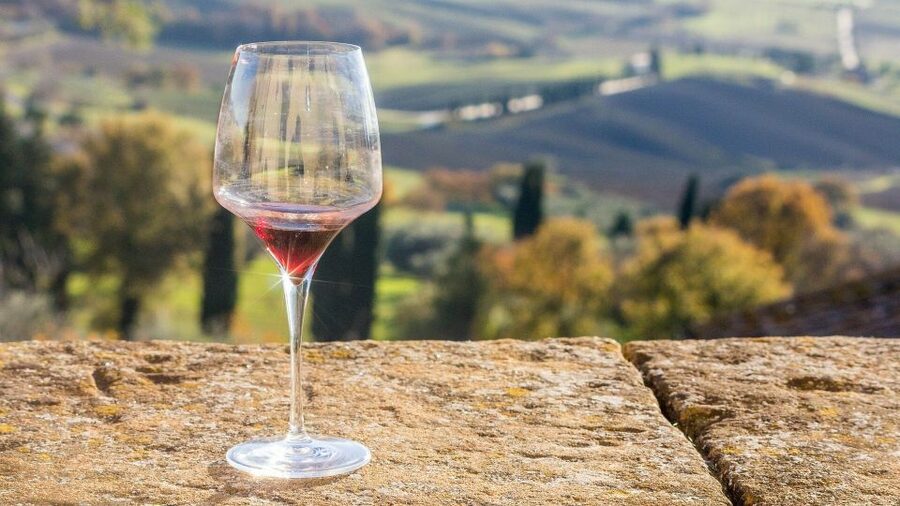
The strongest personal praise is directed at the guides. Imma is described as an expert sommelier who was sunny and very kind. Alice received equally warm praise, with the wine and her presentation making a strong impression.
That kind of guide matters in a short tasting. With only three wines and roughly 90 minutes to two hours, you benefit from someone who keeps the pace moving while still answering questions. A good sommelier can also help a beginner notice differences without making the discussion feel intimidating.
The experience is offered in English and Italian. If you book in English, confirm the available language when selecting your time. The guide’s style may vary, but the activity is designed around live explanation rather than a printed tasting sheet alone.
The 4.2 rating from 84 evaluations suggests a generally positive experience with some variation. The praise centers on the setting, guides, and pleasant tasting. The main reservation concerns the small pours and the value for anyone making a long trip just for this stop. That is a fair balance.
Tips for making the most of the visit
Arrive early, not merely on time. The late-arrival rule is strict, and the countryside location may take longer to find than expected.
Wear practical shoes for the vineyard walk. You do not need hiking gear, but this is not only an indoor tasting.
Eat beforehand if you need a full meal. The local focaccia or bread sticks are a pairing, not lunch.
Ask questions during the tasting. You can learn more by asking how the three wines differ, what makes Brunello distinct, and how the family approaches production.
Do not plan your day around heavy drinking. The tasting may use small portions, and the visit includes water. That makes it easier to continue sightseeing afterward.
If you are coming from Florence, consider adding this to a wider Montalcino day. A long drive for a short tasting may not feel worthwhile, particularly if you expect large pours.
Should you book the Montalcino castle tasting?
Book it if you are already near Montalcino and want a polished, scenic introduction to local wine. The medieval castle, vineyard walk, three wines, and friendly sommelier create a well-shaped visit at a fair price.
Skip it if you want a full winery meal, a long cellar tour, or generous glasses. The tasting is compact, and the portions may be smaller than you expect.
My practical call is this: it is a good add-on to a Montalcino day, not a stand-alone reason to travel from Florence. Arrive early, use Google Maps, wear comfortable shoes, and think of the $38 as payment for the setting and guidance as much as for the wine itself.
FAQ
How long does the Montalcino wine tasting last?
The activity lasts approximately 1.5 to 2 hours. Check the available start times when booking.
How many wines are included?
You taste three local wines. Examples may include Sangiovese IGT and Brunello di Montalcino.
Is food included?
Yes. The tasting includes local bread sticks or focaccia, along with water. The food is a light pairing, not a full meal.
Is transportation included?
No. Hotel pickup and drop-off are not included. You must make your own way to the meeting point and leave independently.
What languages are available?
The live tour guide is available in English and Italian.
How early should I arrive?
Arrive 15 minutes before the scheduled start. Late arrivals will not be accepted, and the meeting instructions tell you to use Google Maps to reach the location.
Freshly poured around Italy
- Polignano: Coastline Tour With Prosecco And Taralli & Swim★ 4.7 · 103 reviews
- Rome: Pompeii Tour with Wine and Lunch by High Speed Train★ 4.8 · 485 reviews
- Polignano a Mare: Private Cruise with Champagne★ 4.8 · 66 reviews
- Polignano a Mare: Boat Cruise to Scenic Caves with Prosecco★ 4.7 · 550 reviews
- Polignano a Mare Boat Tour with Prosecco and Taralli★ 4.9 · 334 reviews
- Polignano a Mare: Boat Tour with Prosecco and Snacks★ 4.8 · 282 reviews
- Pisa: Cathedral Guided Tour and Tower tickets & wine tasting★ 4.8 · 78 reviews
- Piedmont: Winery Tour, Taste Barolo, Barbaresco & Local Food★ 4.6 · 61 reviews
Chianti Wine Tours, side by side.
Florence: Chianti Wineries Tour with Wine Tasting
Read our review →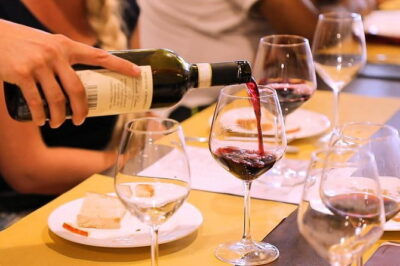
San Gimignano, Siena, Monteriggioni, Chianti Day Trip with Lunch & Wine Tasting
Read our review →
From Florence: San Gimignano, Siena, and Chianti Wine Tour
Read our review →
Florence: S. Gimignano, Siena, Chianti Wine Tasting & Lunch
Read our review →
From Florence: Chianti Half-Day Wine Tour with Tasting
Read our review →
Half day Chianti Vineyard Escape from Florence with Wine Tastings
Read our review →
Tuscany Bike Tours Through the Chianti Hills with Wine Tasting
Read our review →Lists this tasting sits in