
Review · ITALY
Montalcino: Guided Winery Tour and Wine Tasting
Montalcino wine is not just about what sits in your glass. This tour shows you the whole chain, from Sangiovese grapes in the vineyard to ageing in wood or amphora. I especially like the walk through the working winery and the chance to compare six wines instead of tasting one token sample. I also like that the tasting choices let you focus on Brunello or compare two nearby Tuscan regions.
The main drawback is that the visit is fairly compact at 105 minutes, so the tour moves at a steady pace. Wine is served with water, but food is not part of the standard experience. If you want lunch with your tasting, arrange it ahead of time.
Key points at a glance
- Six wines in three flights: Taste independently after each flight is introduced, with four tasting themes to choose from.
- A real look at production: See the vineyards, grape-processing area, and cross-vaulted cellar rather than stopping at a tasting room.
- Brunello takes center stage: The Dynamic Brunello Cru option includes a vintage Brunello, three Cru wines, and two Cru Riservas.
- Maremma meets Montalcino: One tasting compares wines from wineries only about 70 kilometers apart, showing how strongly place can affect flavor.
- Personal, friendly guiding: Guides such as Andrea and Emma have been praised for patient explanations and easy conversation.
- A scenic winery setting: The approach leads through a large cypress-lined avenue, and the property has sweeping Tuscan views.
Arriving at Corte Pavone Winery near Montalcino
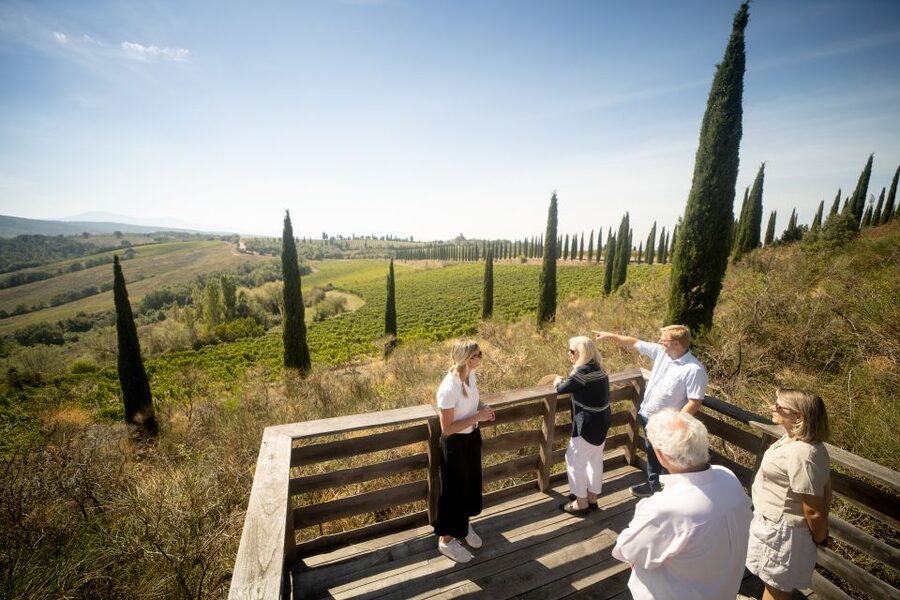
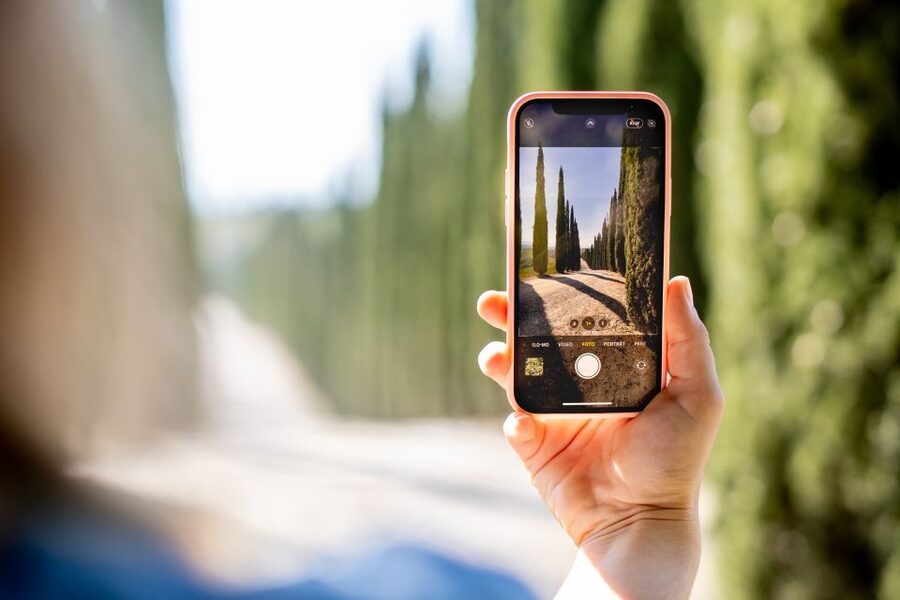
Corte Pavone Winery sits outside Montalcino, in the direction of Grosseto and Sant’Angelo in Colle. From Montalcino, drive about 1 kilometer before turning right at the crossroads, then continue roughly 3 kilometers toward Castiglion del Bosco. Keep right until you reach the large avenue lined with cypress trees, which marks the winery entrance.
That route detail matters. This is a countryside visit, not a tasting room you can casually find along a busy town street. Give yourself time to locate the turn and arrive without rushing. The cypress avenue sets the tone nicely, and the property itself is one of the strongest parts of the experience.
The tour costs $53 per person. That is a fair price if you value the production visit as much as the wine. You are paying for a guided vineyard walk, the processing area, the vaulted cellar, and six wines, not just a short pour at a counter. It is less compelling if your only goal is to sample wine quickly and leave.
The full visit lasts 105 minutes: one hour for the guided tour and 45 minutes for tasting. English and Italian tours are available. The pace gives you enough time to ask questions, but it does not allow for a long, leisurely meal or an extended afternoon at the property.
More Winery Tours in Italy
- Tuscany Day Trip from Florence: Siena, San Gimignano, Pisa and Lunch at a Winery
★ 5.0 · 21,634 reviews - Florence: Chianti Wineries Tour with Wine Tasting
★ 4.5 · 10,071 reviews - From Florence: Siena, San Gimignano, Pisa & Lunch at Winery
★ 4.8 · 4,538 reviews
Walking the vineyards and reading the place
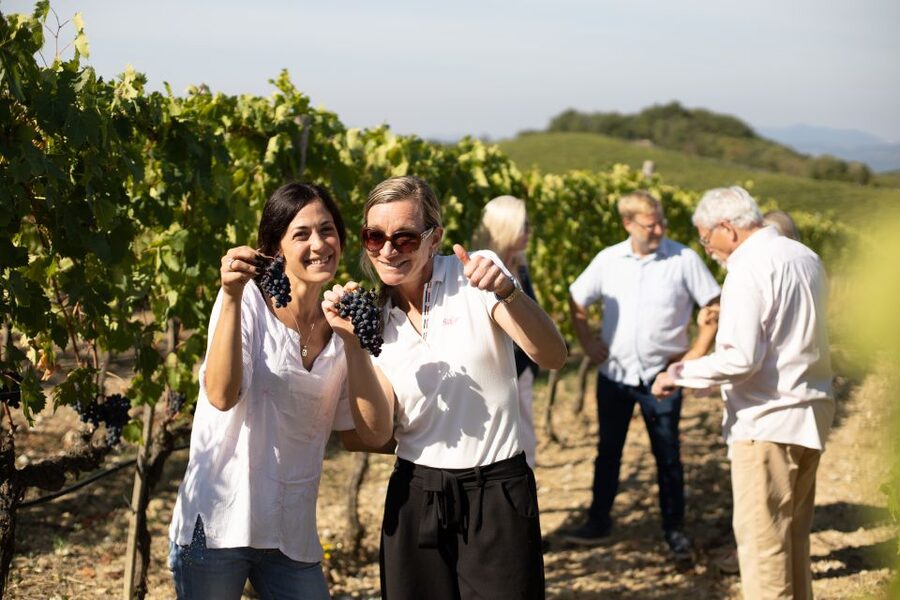
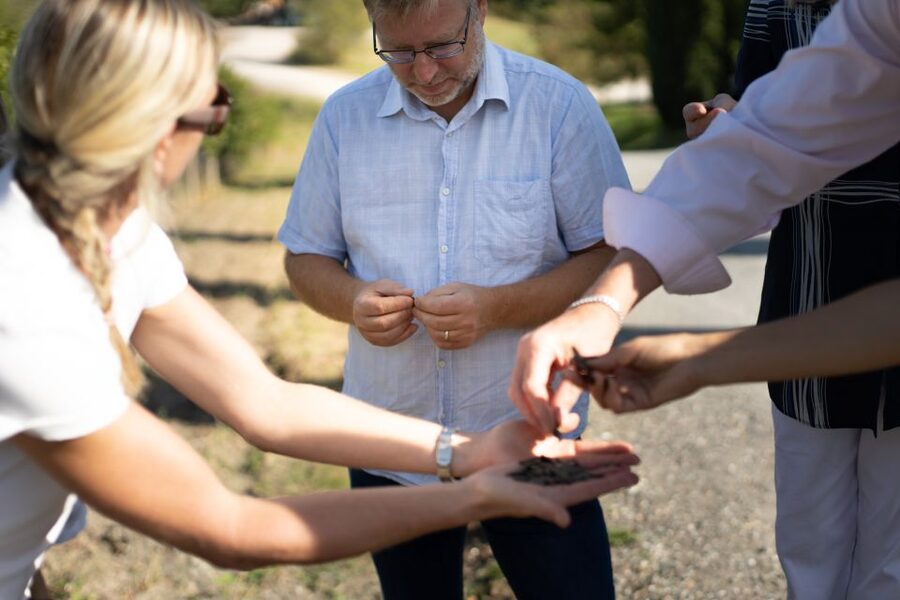
The visit starts outdoors, with a walk through the vineyards. Your guide explains the winery’s working methods and its approach to biodynamic viticulture, while you look at the setting where the grapes begin their journey.
This opening is useful because it puts the word terroir into physical terms. Instead of hearing only about soil, climate, and exposure in the tasting room, you can see the vines and the surrounding natural environment first. The stated aim is to help you understand how the place influences the finished wine, and the tour builds that idea from the ground up.
I like this part for another reason: it gives the tasting a clear point of reference. When you later compare wines, you have already discussed where the grapes come from and how the winery works. You are not simply trying to identify fruit flavors from a list. You are considering why wines from different sites or regions may taste different.
Wear shoes suitable for a walk over winery grounds. The information does not specify the exact surface or distance, so I would avoid delicate footwear and bring a light layer if the weather is changeable. Much of the visit takes place outdoors before you reach the cellar.
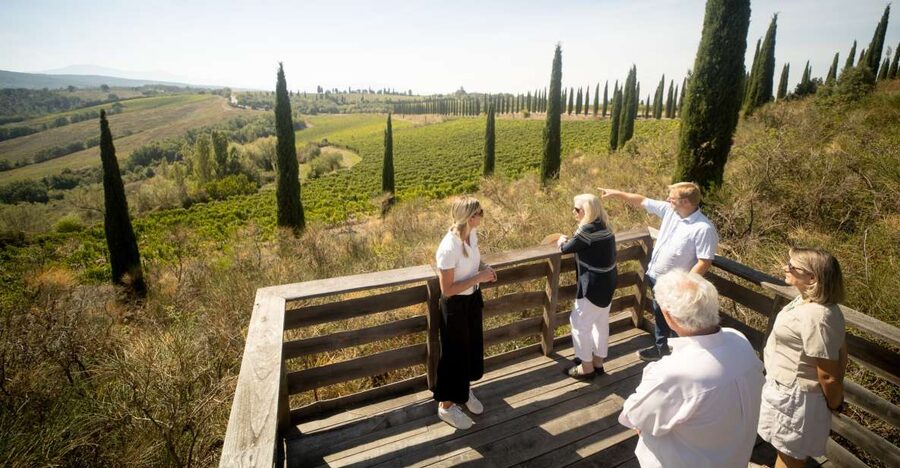
The views are a major bonus. Several people who have taken the tour singled out the beauty of the property, and it is easy to see why the setting adds value. You get a sense of rural Tuscany rather than a polished, detached wine presentation.
From grape processing to the cross-vaulted cellar
After the vineyard walk, the group moves into the grape-processing area. Here, the guide explains how grapes become wine and how the winery handles the early stages of production.
This section gives you the practical backbone of the visit. You learn where the grapes go after harvest and how the winemaking process develops before the wine reaches a barrel or bottle. The experience can be especially rewarding during harvest activity. One person visiting in October saw grapes being harvested and sorted, with the must moved from tank to tank. That kind of timing can add a vivid working dimension, though harvest activity should not be treated as guaranteed.
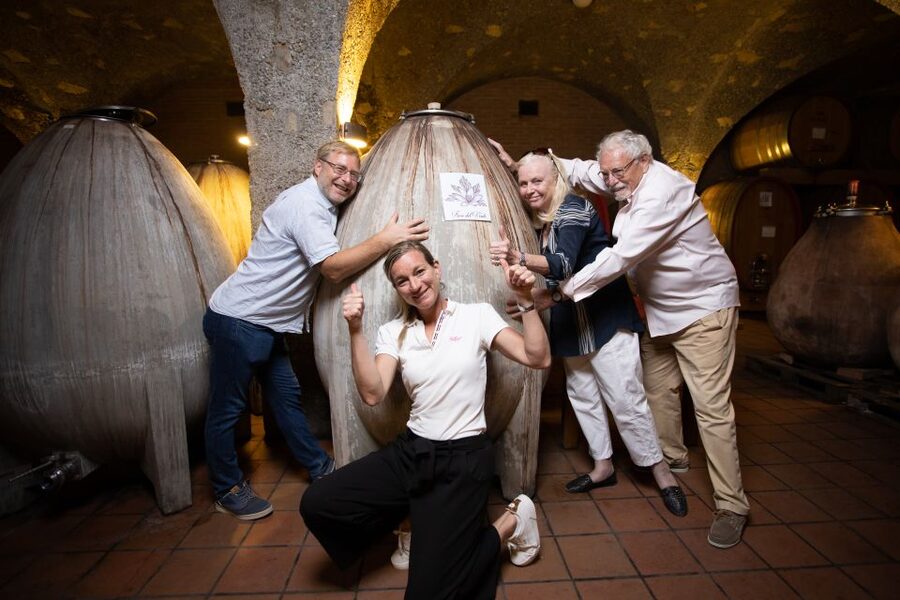
The tour then continues into a cross-vaulted wine cellar. The architectural detail makes this more than a quick storage-room stop, but the real value lies in the explanation of ageing. Your guide discusses why wine develops differently in wooden barrels and amphora.
That comparison helps explain why two wines made from the same grape can have different textures, aromas, and overall character. It also gives you a better way to understand the winery’s choices. The cellar is not simply a photogenic room. It is where the earlier talk about methods becomes easier to picture.
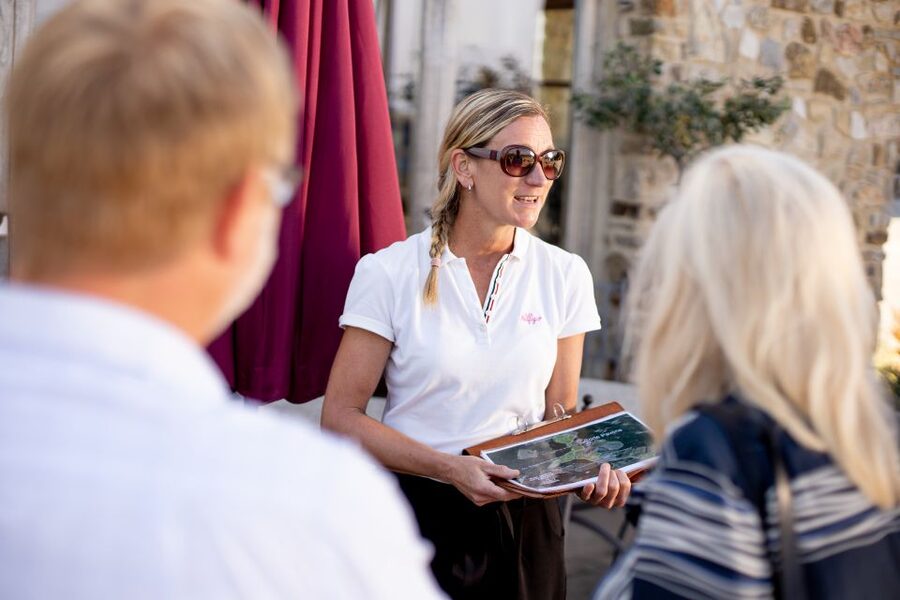
The guides have earned some of the strongest praise for this part of the visit. Andrea is mentioned as an especially engaging guide, while Emma is described as friendly and considerate. Another guide, remembered by a visitor for an earring, was praised for explaining the vineyards with great enthusiasm. Names and guide assignments can change, but the consistent benefit is a conversational tour where you can ask questions instead of listening to a fixed speech.
Choosing among four six-wine tastings
Once you have seen the vineyard and cellar, you sit at a table in the tasting room or on the terrace. The six wines arrive in three flights. The guide gives a short introduction to each flight, then you taste the wines independently.
That format works well for anyone who wants to compare rather than simply sip. You can focus on the differences within a group and return to a glass after hearing the context. Water is included, which is welcome during a six-wine tasting.
You can choose from four tasting themes:
Same town, a different pour:
- Small-Group Wine Tasting Experience in the Tuscan Countryside
★ 5.0 · 7,392 reviews - Rome: Tuscany & Montepulciano Day Trip with Lunch & Wine Tasting
★ 4.5 · 5,232 reviews - SMALL-GROUP Wine Safaris: Tuscan Wine Tasting Tours from Florence
★ 5.0 · 5,088 reviews - Winner 2025 Florence Sunset Food & Wine Tour by Eating Europe
★ 5.0 · 5,015 reviews
Dynamic Brunello Cru Tasting
This is the most focused option. It includes six Brunelli:
- One vintage Brunello
- Three Brunello Cru wines
- Two Brunello Cru Riserva wines
Choose this if Brunello is the reason you are visiting Montalcino and you want to compare wines from individual vineyards and different ageing levels. It is likely the best fit for a serious wine enthusiast, though it may feel narrow if you want a broader introduction to the winery.
Signature Corte Pavone Tasting
This option gives you a broad view of the Corte Pavone range, all connected to Sangiovese. The wines include Le Perle di Pavone Spumante, Rosso di Montalcino, Levante, Brunello di Montalcino, Brunello Cru, and Brunello Cru Riserva.
I would choose this for a first visit because it shows how one grape variety can appear in several forms. You move from sparkling wine and Rosso di Montalcino toward Brunello and more concentrated Cru and Riserva expressions. It provides a clear progression without limiting you to one style.
Maremma and Montalcino Tasting
This is the most useful choice if you want to study the effect of terroir. The tasting pairs six selected wines from Valdifalco in Maremma and Corte Pavone in Montalcino. The two wine regions are only about 70 kilometers apart, yet the tasting is designed to show how different they can taste.
That short distance makes the comparison especially interesting. You are not comparing two unrelated parts of Italy. You are looking at neighboring Tuscan areas and considering how their natural conditions and winery practices shape the result.
Signature Valdifalco Tasting
This selection concentrates on Maremma and the Valdifalco winery. It includes six wines chosen to reflect the character of that region.
Pick this if Maremma interests you more than a Brunello-only experience. It is also a sensible choice for anyone who has already tasted plenty of Montalcino wines and wants a different Tuscan point of reference.
The supplied details do not say how you select your option or whether every theme is available at every departure, so confirm the choice when booking. If you have a preference, it is worth stating it early.
What the tasting is really teaching you
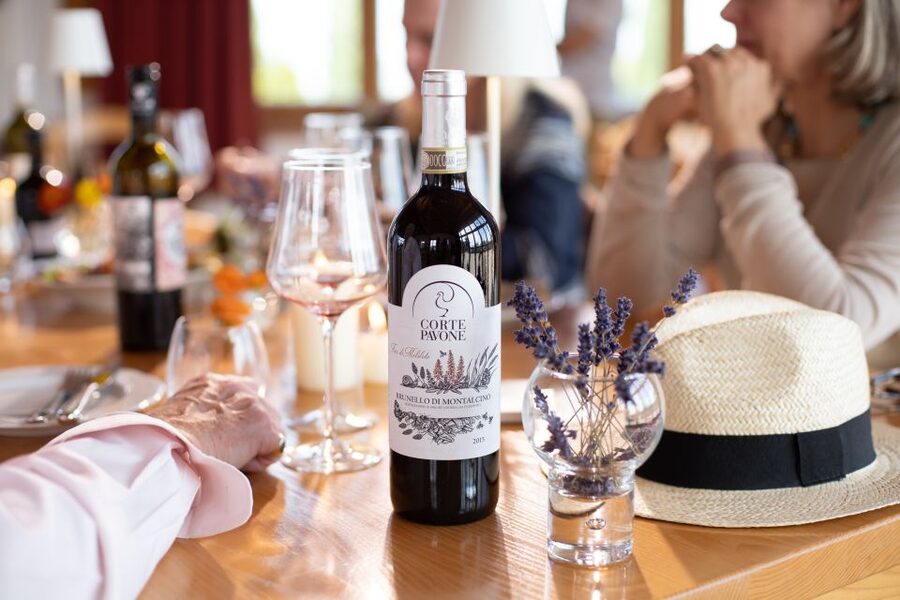
The strongest feature of this experience is the order. You first see the vines, then the processing area, then the cellar, and only after that taste the wines. That sequence gives the tasting purpose.
I find wine tours more useful when the guide explains why a wine tastes as it does. Here, you get the building blocks: grape source, regional conditions, production choices, and ageing vessels. You can then apply those ideas to the six glasses in front of you.
The tasting is also described as intimate and personal, especially when the morning group is small. A couple once had a morning visit with only the two of them, which allowed for an easy dialogue with the guide. Group size is not specified for every departure, so do not assume you will always receive a private tour. Still, the format encourages questions, and the guides have been praised for welcoming them.
You should expect education rather than a party atmosphere. The emphasis is on wine origins, history, production, and comparison. That makes the visit a good match for curious beginners as well as people who already know Brunello and want more detail.
The wines themselves receive very high marks, and several people bought bottles to take home. Bottle purchases are not part of the $53 price, but the fact that the winery offers wines worth taking home can make the tasting more useful than a generic sampling session. Check any transport or baggage rules separately if you plan to buy several bottles.
Timing, food, and practical comfort
The tour lasts 105 minutes, which is long enough to feel substantial but short enough to fit into a day exploring the Montalcino area. You should plan on one hour standing and walking during the tour, followed by 45 minutes seated for the tasting.
Food is not included. Water is provided, but the standard experience does not come with lunch or snacks. A small lunch may be available if arranged well in advance, so do not arrive expecting food unless you have confirmed it.
Pregnant women should not book this activity, according to the stated restrictions. The tour is offered in English and Italian, and you can ask questions in the language of your booking where available.
Cancellation is flexible: you can cancel up to 24 hours before the experience for a full refund. You can also reserve now and pay later, which helps if your Tuscan driving route is still taking shape. Check starting times before committing, since availability changes by date.
Who will enjoy Corte Pavone most
I would recommend this tour to you if you want more than a wine tasting. It suits people who enjoy seeing how a product is made, asking questions, and comparing styles with some guidance.
It is especially well suited to:
- First-time visitors to Montalcino who want an introduction to Brunello
- Wine lovers interested in vineyard sites and ageing methods
- Couples who prefer a calm, educational activity
- Visitors staying in or touring the Val d’Orcia area
- People deciding between Montalcino and Maremma wines
- Anyone who wants a scenic winery visit with a clear structure
You may want something else if you need a full meal, dislike walking outdoors, or want a quick tasting with no production talk. The experience also has a fixed 105-minute structure, so it is not designed for spending half a day at the estate.
Should you book this Montalcino wine tour?
Yes, if you want to understand Brunello rather than simply drink it. At $53, the combination of vineyard walk, grape-processing area, vaulted cellar, guide, and six wines offers good value, especially when you choose a tasting that matches your interests.
I would pick the Signature Corte Pavone option for a broad first look, the Dynamic Brunello Cru option for serious Brunello study, and the Maremma and Montalcino option for the clearest lesson in regional difference. Arrive with sturdy shoes, eat beforehand unless lunch has been arranged, and leave room in your itinerary for the drive into the countryside.
The best reason to book is the way the experience connects place, production, and taste. You leave with more than six samples. You have a practical way to think about why these wines taste different.
FAQ
How long does the Corte Pavone Winery experience last?
The experience lasts 105 minutes, with about one hour for the guided winery tour and 45 minutes for the wine tasting.
How many wines are included?
Six wines are included, served in three flights.
What tasting options are available?
You can choose from Dynamic Brunello Cru, Signature Corte Pavone, Maremma and Montalcino, or Signature Valdifalco tastings.
Is the tour available in English?
Yes. The tour is offered in English and Italian.
What is included in the price?
The experience includes the winery visit, a tour of the vaulted wine cellar, the six-wine tasting, and water.
Is food included with the tasting?
No. Food is not included in the standard experience. A small lunch may need to be booked well in advance.
Where does the tour meet?
The meeting point is Corte Pavone Winery. From Montalcino, drive toward Grosseto and Sant’Angelo in Colle, turn right after about 1 kilometer, then continue roughly 3 kilometers toward Castiglion del Bosco until you reach the cypress-lined entrance.
Freshly poured around Italy
- Polignano a Mare: Private Cruise with Champagne★ 4.8 · 66 reviews
- Polignano: Coastline Tour With Prosecco And Taralli & Swim★ 4.7 · 103 reviews
- Rome: Pompeii Tour with Wine and Lunch by High Speed Train★ 4.8 · 485 reviews
- Polignano a Mare: Boat Cruise to Scenic Caves with Prosecco★ 4.7 · 550 reviews
- Polignano a Mare Boat Tour with Prosecco and Taralli★ 4.9 · 334 reviews
- Polignano a Mare: Boat Tour with Prosecco and Snacks★ 4.8 · 282 reviews
- Pisa: Cathedral Guided Tour and Tower tickets & wine tasting★ 4.8 · 78 reviews
- Piedmont: Winery Tour, Taste Barolo, Barbaresco & Local Food★ 4.6 · 61 reviews
Winery Tours, side by side.
Tuscany Day Trip from Florence: Siena, San Gimignano, Pisa and Lunch at a Winery
Read our review →
Florence: Chianti Wineries Tour with Wine Tasting
Read our review →
Porto: Douro Valley with Winery Lunch, Tastings & Cruise
Read our review →
Barcelona: Montserrat, Cogwheel, Black Madonna & Winery Tour
Read our review →
Montserrat with Black Madonna & Medieval Winery with Tapas/Lunch
Read our review →
From Florence: Siena, San Gimignano, Pisa & Lunch at Winery
Read our review →
Wine Tour: Paarl, Franschhoek & Stellenbosch incl 3 wineries
Read our review →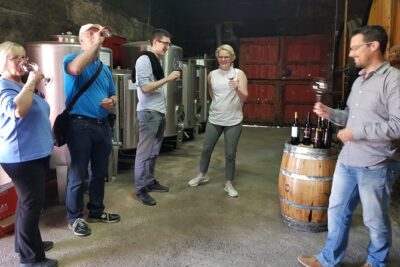
Douro Valley Tour: 2 Vineyard Visits, River Cruise, Winery Lunch
Read our review →Lists this tasting sits in