
Review · FRANCE
Saint-Émilion: Bordeaux Vineyard Tour and Wine Tasting
Saint-Émilion wine country becomes much easier to understand inside the cellar at Château Saint-Georges Côte Pavie. This one-hour visit links the estate’s five-generation family story to the soil, grape varieties, barrel aging, and three wines you taste at the end. It is a compact introduction with plenty of substance.
I especially like the small groups of up to eight and the fact that the château is walkable from both Saint-Émilion village and the train station. Guides including Valentin, Chloe, and Matthieu are praised for clear English, humor, and patience with questions. The main limitation is time: one hour gives you a useful introduction, not a full-day study of Bordeaux wine.
Key points
- Three Grand Cru tastings: You sample three red wines from the estate, including its leading wine.
- A real family estate: The château remains connected to the same family after five generations.
- A scenic Pavie Hill setting: The tour explains how the local soil and position affect the wines.
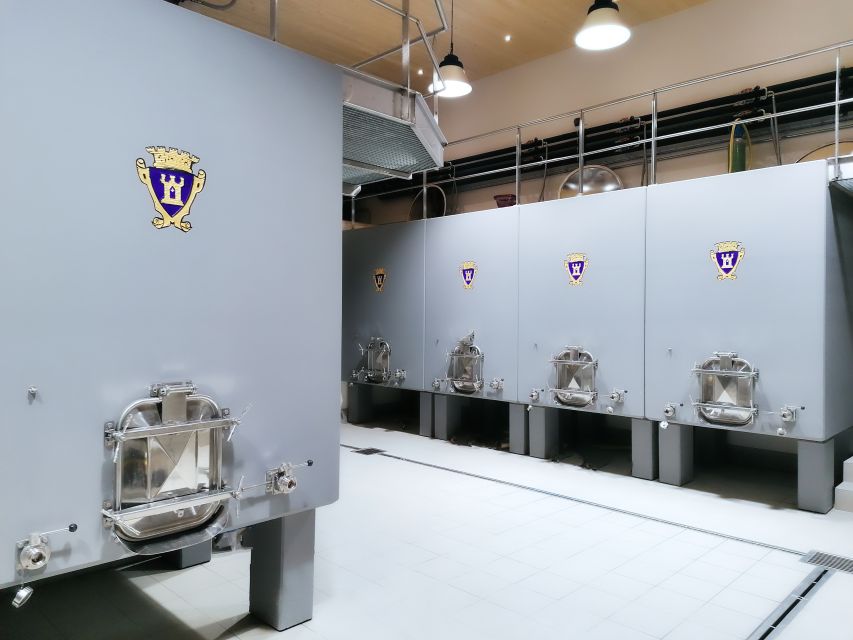
- A cellar visit: You see where winemaking and barrel aging take place.
- Easy to fit into a day trip: The property is described as walkable from the station and village.
- Small, relaxed groups: With no more than eight people, questions are easy to ask.
Why this small château visit works so well
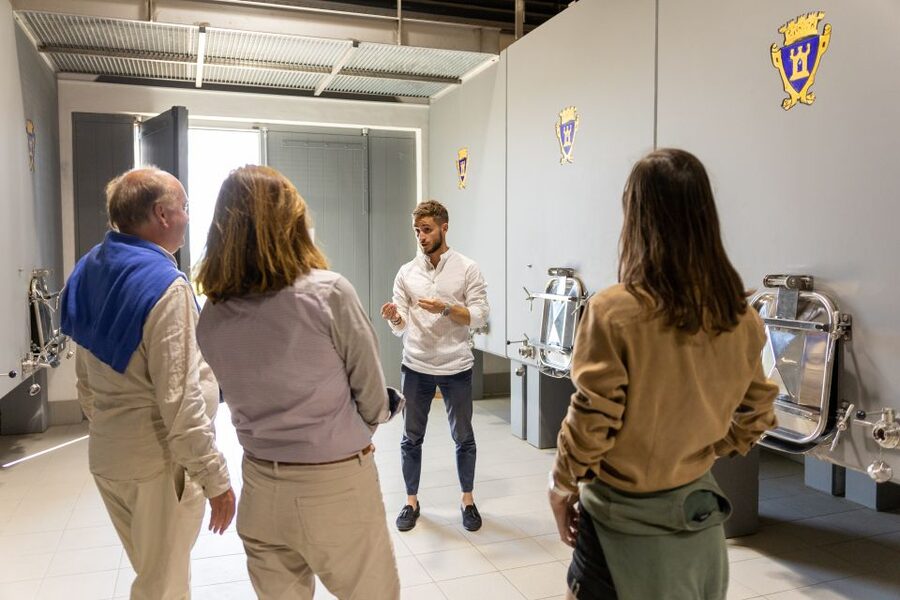
Saint-Émilion has no shortage of wine experiences. Some focus on grand estates, some on formal tastings, and some are built around long meals. Château Saint-Georges Côte Pavie takes a simpler approach: you visit one working family vineyard, learn how the wine is made, and taste three bottles from the property.
That clear format is the appeal. You do not need a strong wine background to follow the visit. The guides explain the basics without assuming that you can already identify grape varieties or read a Bordeaux label. If you are new to wine, the hour gives you useful context. If you already know Bordeaux, you can use the question time to ask about soil, blending, aging, or the Saint-Émilion Grand Cru classification.
The price is another strong point. At $21 per person, the experience costs less than many formal wine tastings and includes a guided vineyard visit plus three wines. The value depends partly on what you want. You will not get a long meal, a large estate tour, or a full regional comparison. You will get a focused look at one producer and enough tasting to understand its style.
More Vineyard Tours in France
- Bordeaux: Vineyards Wine Tasting Half-Day Trip
★ 4.2 · 470 reviews - Half-Day Wine tour across Bordeaux’s Vineyards
★ 3.5 · 429 reviews - From Avignon: Half-Day Great Vineyards Tour
★ 4.8 · 337 reviews
Finding Château Saint-Georges Côte Pavie
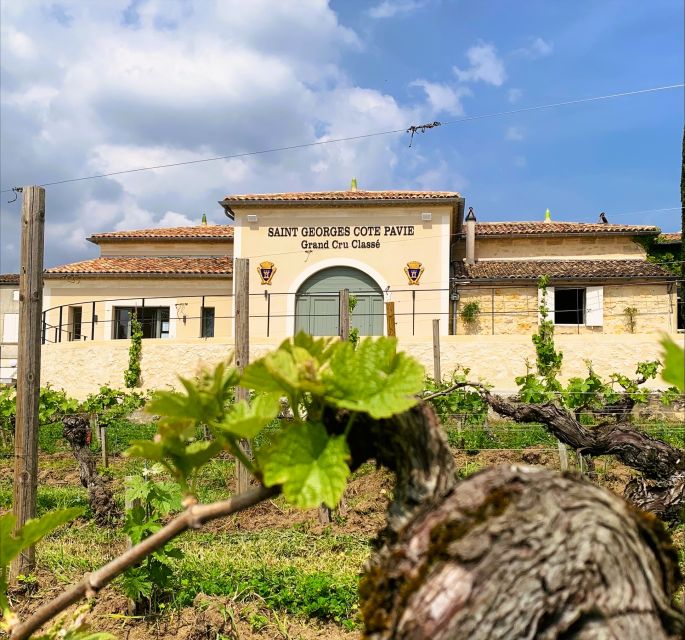
The meeting point is Château Saint-Georges Côte Pavie. The estate sits close enough to Saint-Émilion village and the train station to make this a practical choice for a day trip without a car.
Walking estimates vary slightly, but the property is commonly described as roughly 15 to 20 minutes from the village center and under a kilometer from the station. That makes the tour easy to pair with a visit to Saint-Émilion itself. One sensible plan is to arrive by train, walk to the château, take the one-hour tour, then continue into the medieval village for lunch and sightseeing.
The route and timing still deserve attention. Saint-Émilion is built on sloping ground, and a walk that looks short on a map may feel less effortless with luggage or in hot weather. Give yourself enough time to find the correct château. There are several Saint-Georges names in the region, and at least two visitors have gone to the wrong property. Check that you are heading to Château Saint-Georges Côte Pavie, not another estate with a similar name.
The château is also a useful stop at the end of a day in town. One afternoon visit began at 4:30 pm after time in Saint-Émilion, offering a gentle change of pace from the crowded lanes and busy viewpoints.
The five-generation family story
The tour begins with the people behind the estate. You hear how the founding family has continued working at the property for five generations, which gives the visit a personal thread that a generic tasting room often lacks.
This does not mean you receive a long family genealogy. The useful point is that the vineyard is presented as a working family operation, not just a polished backdrop for drinking wine. The story helps explain why decisions about the vines, harvest, cellaring, and presentation matter to the people who run the estate.
Guides have included Valentin, Valentine, Chloe, Matthieu, and Matthew. The names vary by date, so you should not book expecting one particular guide. What is consistent in the supplied information is the style: friendly explanations, good English, patience with questions, and a relaxed manner.
Valentin is repeatedly singled out for making technical subjects easy to follow while keeping the tone light. Chloe is described as warm and precise, including when helping late arrivals catch up. Matthieu is also praised for making the process understandable. The tour works best when you ask questions, and the small group gives you room to do that.
Pavie Hill, grape varieties, and Saint-Émilion soil
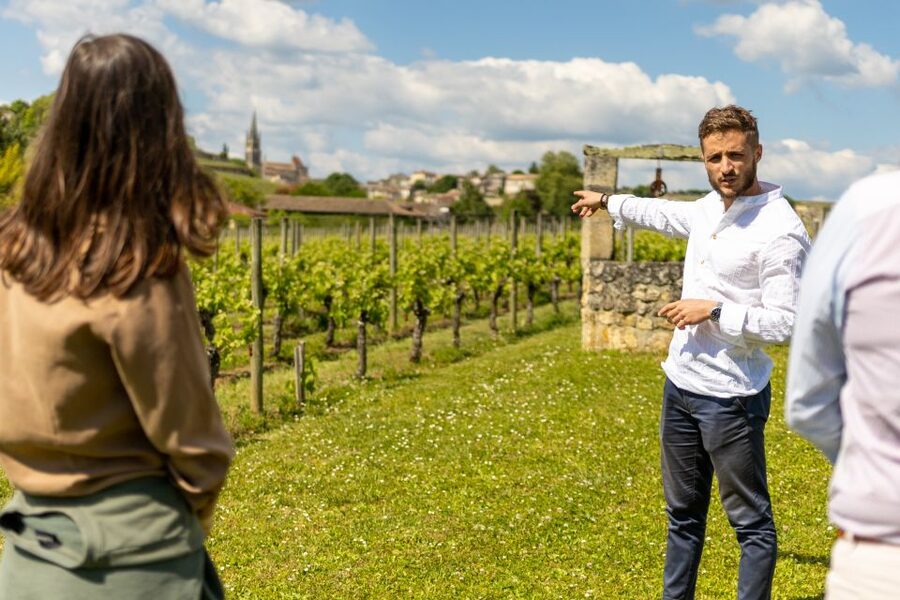
The outdoor portion introduces the vineyard’s setting on Pavie Hill. You learn about the grape varieties used at the estate and why the soil matters to the final wine.
This is where the visit gains value beyond a simple tasting. Bordeaux wine names can seem confusing because the label often emphasizes the château and appellation rather than a single grape. Learning that the wine depends on a blend of varieties, the growing site, and cellar decisions gives you a better way to understand what you taste later.
The explanation stays tied to this particular property. You hear how the position on Pavie Hill and the soil are linked to the quality and character of the wine. Do not expect a full geology lecture, but you should leave with a clearer idea of why two Bordeaux estates close to each other can produce different results.
The vineyard walk is likely to feel more open and scenic than the cellar portion, though the exact amount of time outdoors depends on weather and the guide. On a rainy day, the visit can be more limited outside, but the cellar and tasting still provide the main content. Bring sensible shoes and a light layer. Even a short walk through a vineyard is more pleasant when you are ready for changing weather.
More Wine Tasting Tours in France
- Bordeaux: Cité du Vin Entry Ticket and Wine Tasting
★ 4.6 · 3,885 reviews - Montmartre Hill French Gourmet Food and Wine Tasting Walking Tour
★ 5.0 · 2,588 reviews - From Paris: Loire Valley Castles Day Trip With Wine Tasting
★ 4.6 · 1,727 reviews - From Bordeaux: Afternoon Saint-Emilion Wine Tasting & snack
★ 4.8 · 1,581 reviews
Inside the cellar and barrel-aging rooms
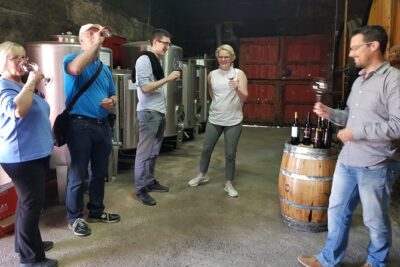
The cellar visit explains the stages between harvested grapes and finished wine. You learn about the winemaking process and the role of barrels in aging, with the guide connecting the equipment and rooms to the wines you will taste.
This part is especially useful if you have visited vineyards before but still find production terms vague. Rather than simply hearing that a wine is aged, you can see the setting where that work takes place and ask how the process affects flavor, texture, and style.
The rooms themselves have made a strong impression on past visitors, and the tools used in production add something tangible to the explanation. The tour is not only a walk around attractive buildings. You are shown how the château turns fruit from its vines into a finished Saint-Émilion wine.
Keep your expectations in proportion. This is a short guided visit, not an industrial winery tour with every stage demonstrated in detail. The guide must cover the vineyard, family background, cellar, and tasting in about an hour. The benefit is that the pace stays manageable and you are unlikely to feel buried under technical information.
Three wines at the tasting table
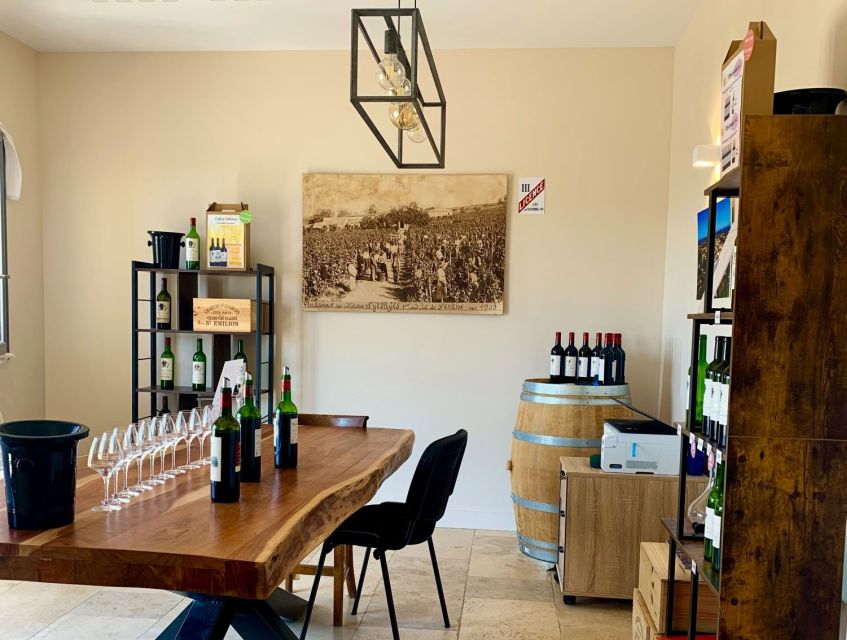
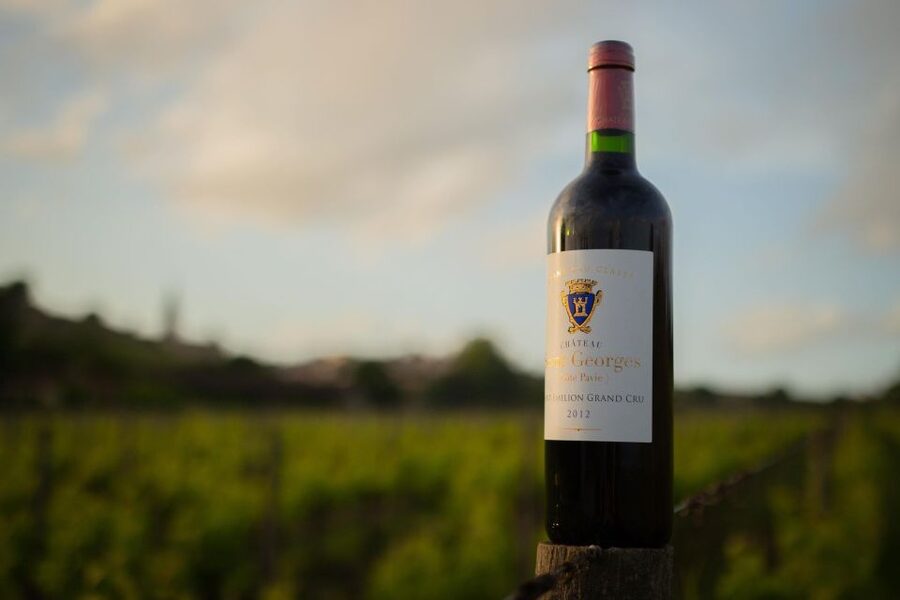
The tasting is the payoff, but it also works as a practical lesson. You taste three red wines from the estate, including the château’s landmark wine. The wines fall under the Saint-Émilion Grand Cru appellation, an important detail for anyone trying to understand the local hierarchy.
The selection lets you compare bottles from the same producer rather than jumping between unrelated regions. That makes it easier to notice differences in blend, aging, and style. The wines are described as elegant, and the tasting focuses on quality rather than quantity.
The guide explains the wines while you taste. One past tasting included a discussion of how cheese’s lactic acid can affect the flavor of wine, a useful example of the practical details that may come up. You can also ask about what you are smelling or tasting without needing to use formal wine language.
The supplied information does not promise a meal or cheese pairing, so do not book this as a food-and-wine event. It is a compact tasting of three wines. If you want to buy a bottle, the château sells wine on site, and the visit makes that purchase more informed. You will know more about the producer and the wine’s place in Saint-Émilion than you would after picking a bottle at random.
What the one-hour format really gives you
One hour is short, but it is also the tour’s strength. You can fit it into a day trip from Bordeaux or add it to a morning or afternoon in Saint-Émilion without giving up the rest of your schedule.
A train from Bordeaux Saint-Jean to Saint-Émilion takes about 30 minutes, according to the practical details shared about the route. From the station, you can walk to the château, take the tour, and then continue into the village. Check the available departure time when booking, since the activity offers set starting times rather than an open arrival window.
The hour generally covers:
- The château and family background
- Pavie Hill, grape varieties, and soil
- The cellar and barrel-aging process
- A tasting of three wines
- Time for questions
That is a good amount for a first visit. It is less suitable if you want to spend half a day among the vines, compare several producers, or sit down for a long tasting. The format favors visitors who want one well-organized stop rather than a full wine program.
Who should book this experience
I would recommend it most strongly to first-time visitors to Saint-Émilion, couples planning a short wine stop, and anyone arriving by train from Bordeaux. You receive a clear introduction to the region without needing a car or a full day.
It is also a good fit for a first wine tasting. The guides explain the process in plain terms, and the small group means you can ask basic questions without feeling out of place. You do not need to know the difference between Bordeaux’s grape varieties before you arrive.
Experienced wine drinkers can still enjoy the visit, especially if they like learning how one family estate works. The value for you will come from the producer-specific details, the cellar, and the chance to taste three Grand Cru wines side by side.
This is not suitable for children under 18, and the tasting is not suitable for pregnant women. Everyone taking part in the wine tasting must be over 18. The tour is offered in English and French, with English explanations described as clear and easy to follow.
Practical tips for a smoother visit
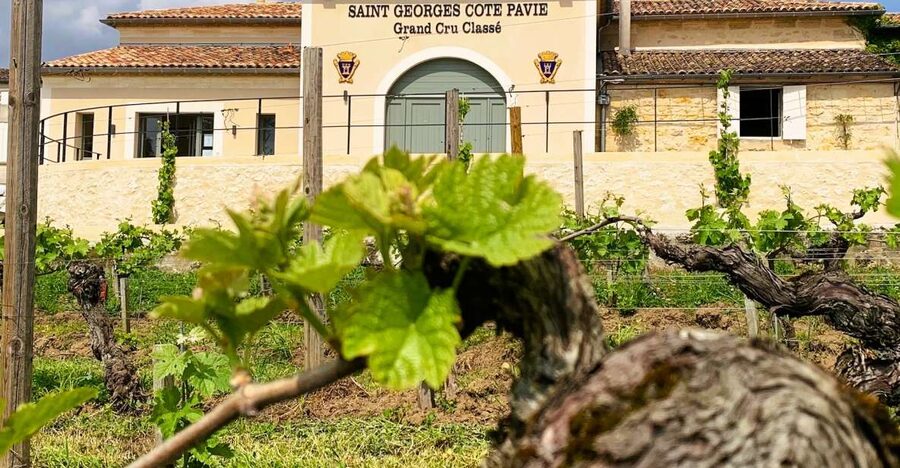
Book the correct château carefully. The name Saint-Georges appears in more than one place, so confirm the full name and Côte Pavie location before setting off.
Allow extra walking time from the station or village, particularly if you are carrying bags or visiting in warm weather. The property is considered walkable, but Saint-Émilion’s slopes can make short distances feel longer.
Arrive ready for both outdoor and indoor time. A vineyard walk may be sunny, hot, or wet, while the cellar can feel cooler. Comfortable shoes are more useful than smart footwear.
If you want to make the most of the tasting, ask questions. You might ask how the grape varieties are blended, how barrel aging changes the wine, or what makes the estate’s location on Pavie Hill important. The guides are used to explaining the process to people with different levels of wine experience.
Finally, leave room in your schedule for Saint-Émilion village. The château is close enough to combine with the medieval streets, architecture, and countryside views. The tour is most satisfying as part of a wider visit rather than as your only activity in the area.
Should you book Château Saint-Georges Côte Pavie?
Book it if you want a short, affordable, personal introduction to Saint-Émilion wine. The $21 price includes the vineyard visit, cellar explanation, and three tastings, while the small group keeps the hour from feeling like a production line.
Skip it if you want an extended vineyard day, a substantial meal, or a broad comparison of Bordeaux producers. For everyone else, especially train-based visitors and wine beginners, this is a sensible way to connect Saint-Émilion’s beautiful setting with the work that goes into its bottles.
FAQ
How long does the Château Saint-Georges Côte Pavie tour last?
The guided vineyard visit and wine tasting last one hour.
How many wines are included?
The experience includes tastings of three high-quality wines from Château Saint-Georges Côte Pavie.
Where does the tour meet?
The meeting point is Château Saint-Georges Côte Pavie.
Is the château walkable from Saint-Émilion?
Yes. The property is described as walkable from both the village and the train station. Estimates in the supplied information place it at about 15 to 20 minutes from the village and under one kilometer from the station.
What languages are available?
The live tour is offered in English and French.
Can children join the wine tasting?
No. Participants must be over 18, and children under 18 are not permitted to take part. The experience is also listed as unsuitable for pregnant women.
Freshly poured around France
- Pont-l’Évêque: DISTILLERIE PERE MAGLOIRE Entry with Tastings★ 4.5 · 72 reviews
- Montpellier: Pic Saint-Loup Wine Tour★ 4.9 · 290 reviews
- Passy-Grigny: Chocolate and Champagne Tasting Tour★ 4.8 · 284 reviews
- Paris: Wine Tasting Experience with 6 Wines and Cheese Board★ 4.9 · 80 reviews
- Paris: Tasting of 3 Wine and 3 Cheese★ 5.0 · 74 reviews
- Paris: Wine and Cheese Tasting★ 4.6 · 91 reviews
- Paris : Scenic Cruise on the Seine River with Champagne★ 4.0 · 81 reviews
- Paris: Moulin Rouge Dinner Show, Champagne, and Transport★ 4.6 · 368 reviews
Vineyard Tours, side by side.
Douro Valley Tour: 2 Vineyard Visits, River Cruise, Winery Lunch
Read our review →
Boston to Martha’s Vineyard Day Trip with Optional Island Tour
Read our review →
Toledo Tour & Vineyard Walk with Wine Tasting from Madrid
Read our review →
Half day Chianti Vineyard Escape from Florence with Wine Tastings
Read our review →
Douro Valley Wine Tour: 3 Vineyard Visits, Wine Tastings, Lunch
Read our review →
#1 Best 3hr Martha’s Vineyard shared Island Tour from Oak Bluffs
Read our review →
From Barcelona: Penedés Vineyards Tour by 4WD w/Wine & Cava
Read our review →
Porto: 3 Douro Valley Vineyards Tour with Lunch
Read our review →Lists this tasting sits in