Review · TBILISI
Tbilisi: Kakheti Wine Region Tour with 10 Wine Tastings
Kakheti is where Georgia’s wine story becomes real: not just a tasting in Tbilisi, but a day of cellars, mountain views, old stone walls, and generous pours. This $18 tour packs a lot into seven hours, with wine, brandy, chacha, Sighnaghi, and Bodbe Monastery all on the same route.
I especially like the contrast between the large Kakhetian Traditional Winemaking facility and the smaller local cellar. I also like the easy mix of tasting and sightseeing, since you are not stuck at a table all day. The main drawback is that the tastings can be surprisingly generous, so you should eat beforehand and pace yourself.
Key points at a glance
- Ten advertised tastings: Expect a broad sampling of Georgian wines and, depending on the pours, brandy and chacha as well.
- Sighnaghi views: Walk the old streets, see the historic wall, and look across the Alazani Valley toward the Caucasus.
- Bodbe Monastery: A short visit adds Georgian religious history, gardens, and a quieter break from the tasting rooms.
- Strong guiding: Luka, Toko, Tanu, Zuka, and other English-speaking guides are praised for humor, warmth, and clear explanations.
- Seven hours for $18: Transportation, entrance fees, a guide, and tastings are included, making this one of Tbilisi’s better-value day trips.
- Practical warning: Wine factory rooms can be cold. Bring layers, water, sunscreen, comfortable shoes, and some cash.
Why Kakheti makes such a good day trip from Tbilisi
Kakheti is Georgia’s main wine region, and this tour gives you a quick but useful introduction to it without requiring a rental car. The route links two wine stops with Sighnaghi and Bodbe Monastery, so the day has enough variety to keep it from becoming one long session of tasting glasses.
I like this kind of outing because the wine is tied to place. You are not simply sampling bottles with no context. You see the region, hear about Georgian wine traditions, and visit producers who present both modern and traditional methods.
The price is unusually low for a seven-hour trip. At $18, you receive transport from central Tbilisi, an English-speaking guide, entrance fees, and the advertised ten wine tastings if you select that option. Some tasting sessions may include more than ten pours, along with brandy or chacha, but that can vary by stop and by the flow of the day.
The low price does mean this is a social group outing rather than a private wine lesson. You may share the vehicle with an international group, and the mood can become lively as the tasting continues. That is a plus if you enjoy meeting people, but less ideal if you want a quiet, technical tasting with long one-on-one explanations.
More Wine Tasting Tours in the world:
- From Porto: Douro Valley w/ Boat Tour, Wine Tasting & Lunch
★ 4.7 · 19,061 reviews - Complete Douro Valley Wine Tour with Lunch, Wine Tastings and River Cruise
★ 5.0 · 12,920 reviews - Florence: Chianti Wineries Tour with Wine Tasting
★ 4.5 · 10,071 reviews
Meeting the group at the Big Bicycle Monument
The tour begins at the Big Bicycle Monument, also described as the Giant Bicycle Monument. Staff members wear red scarves, which makes the meeting point easier to identify in a busy central area.
You should arrive ready for a full day away from your hotel. Comfortable shoes matter because Sighnaghi has streets and viewpoints to explore, while a jacket is useful inside the wine factory. The supplied information also recommends water, sunscreen, an umbrella, a change of clothes, cash, and layers.
The transport receives very strong marks, with 94 percent of ratings giving it a perfect score. Several guides and drivers are praised for smooth driving and comfortable vehicles, including drivers named Mamuka, Mamo, Giorgi, and Soso. The exact team depends on the departure, but the pattern is clear: the ride is treated as part of the service, not just a way to move between stops.
The first tasting: a large Kakhetian wine facility
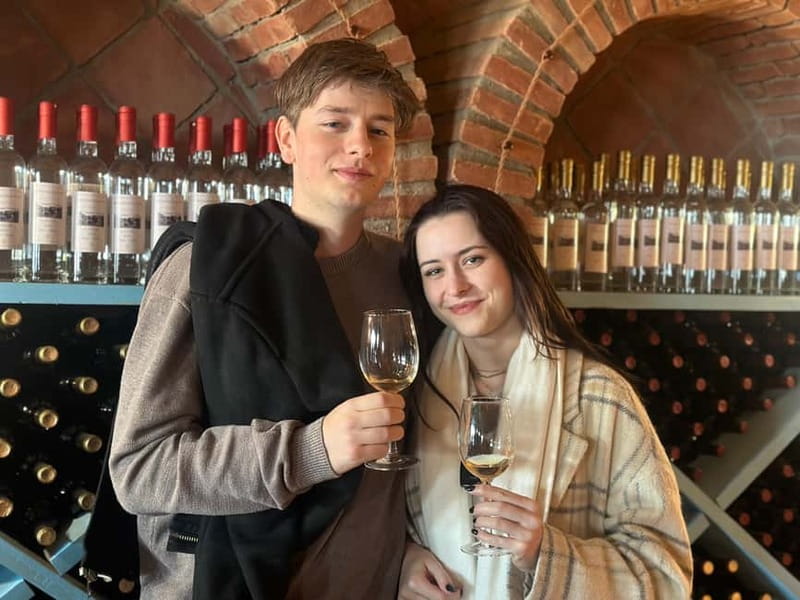
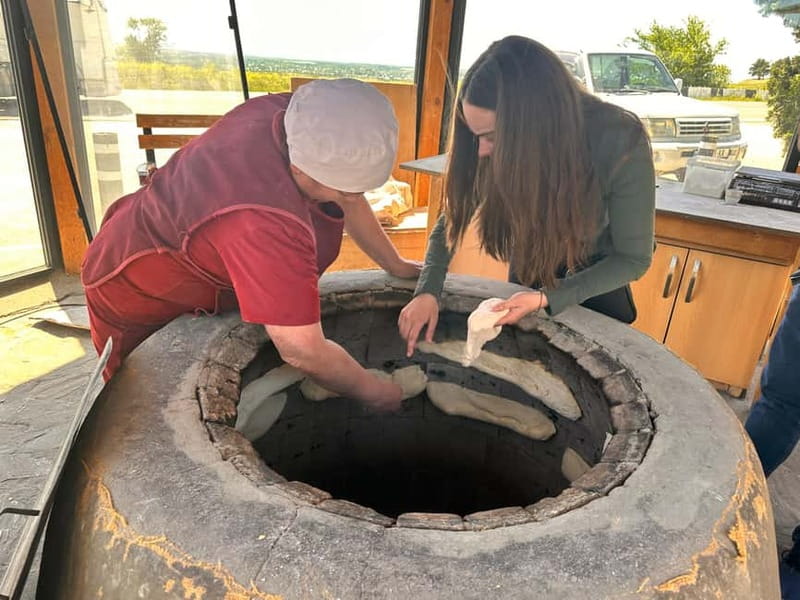
The first major stop is the Kakhetian Traditional Winemaking warehouse, where you spend about an hour and a half tasting wine. This is the larger, more organized side of Georgian wine production, and it gives you a useful starting point for understanding the region’s styles.
Expect a selection of wines and brandies rather than one narrow flight. The tasting is designed for variety, so it suits beginners who want to compare different flavors without already knowing Georgian grapes or wine terms.
The scale of the first stop also makes it practical for a group tour. There is room for a sizeable party, and you can buy bottles if you find something you like. I recommend keeping a note of your favorites, especially if several glasses are poured close together. By the end of the day, names and labels can start to blur.
This is also where pacing matters most. Several accounts describe the pours as larger than expected, and some mention tastings of 15 wines plus chacha. The advertised package is ten wines, so treat extra samples as a possibility rather than a promise. Eat before departure, and use the water you bring.
One small but important detail: the factory can be cold. Even in warmer weather, a light jacket makes the tasting more comfortable. The warning is easy to ignore when leaving Tbilisi, but indoor production areas can feel much cooler than the city.
Bodbe Monastery and the story of St. Nino
After the first tasting, the route continues to Bodbe Monastery of St. Nino for about 30 minutes of sightseeing. The monastery is linked with St. Nino, the figure traditionally credited with bringing Christianity to Georgia, and is said to hold her relics.
This stop changes the rhythm of the day. Instead of more glasses and cellar talk, you get architecture, gardens, and a religious site surrounded by greenery. The visit is brief, so think of it as a focused pause rather than a full guided study of the monastery.
You will want comfortable shoes here, especially if you use the time to walk around the grounds and take photographs. The site also adds useful context to the wider day. Kakheti is not only vineyards and pretty views. Its wine culture sits beside centuries of religious and regional history.
The thirty-minute timing is both a strength and a limitation. It keeps the tour moving and prevents the monastery from taking over a wine-focused itinerary. On the other hand, you may wish for more time if you enjoy churches, gardens, or quiet viewpoints. Your guide will help with the main background, but the schedule is not built for a slow visit.
More drinks tours around the world:
- Budapest: Unlimited Prosecco, Beer and Aperol Spritz Cruise
★ 4.8 · 37,304 reviews - Amsterdam: Evening Cruise with Optional Wine and Snacks
★ 4.4 · 22,178 reviews - Tuscany Day Trip from Florence: Siena, San Gimignano, Pisa and Lunch at a Winery
★ 5.0 · 21,634 reviews - Paris: Moulin Rouge Cabaret Show Ticket with Champagne
★ 4.7 · 16,088 reviews
Sighnaghi, the City of Love

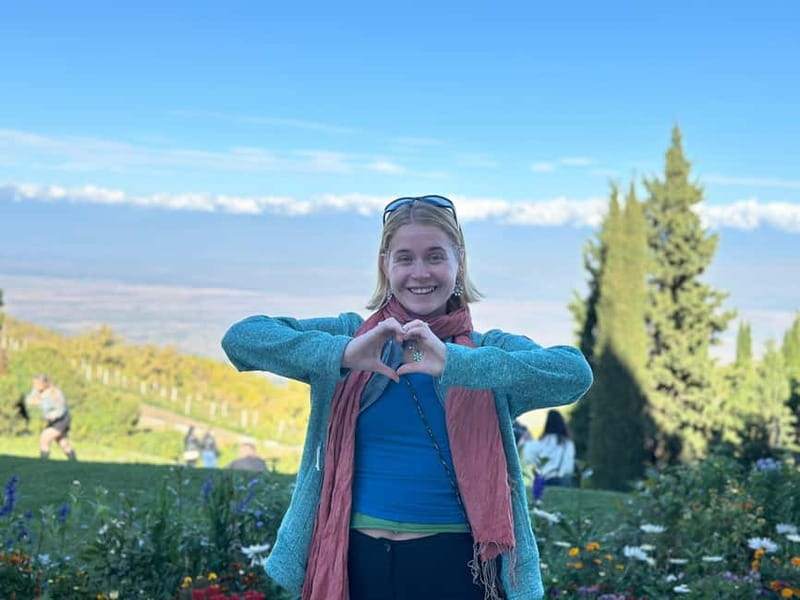
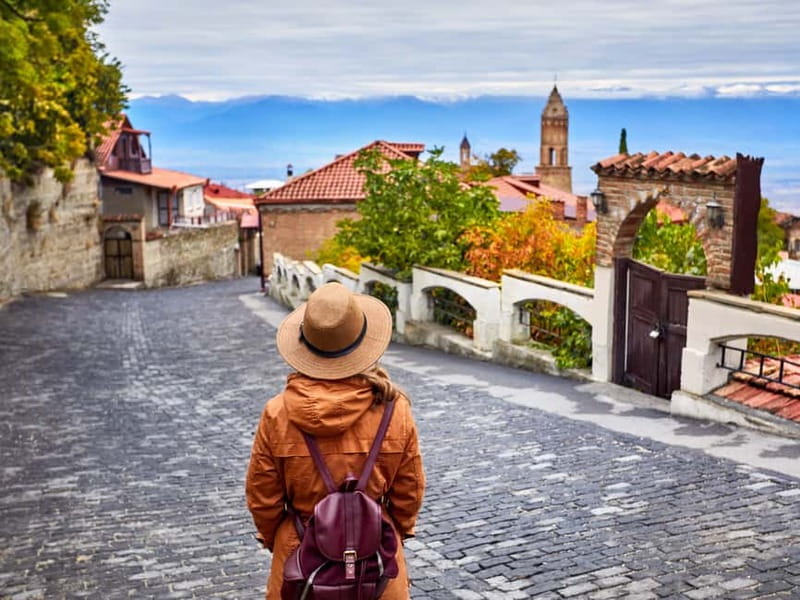
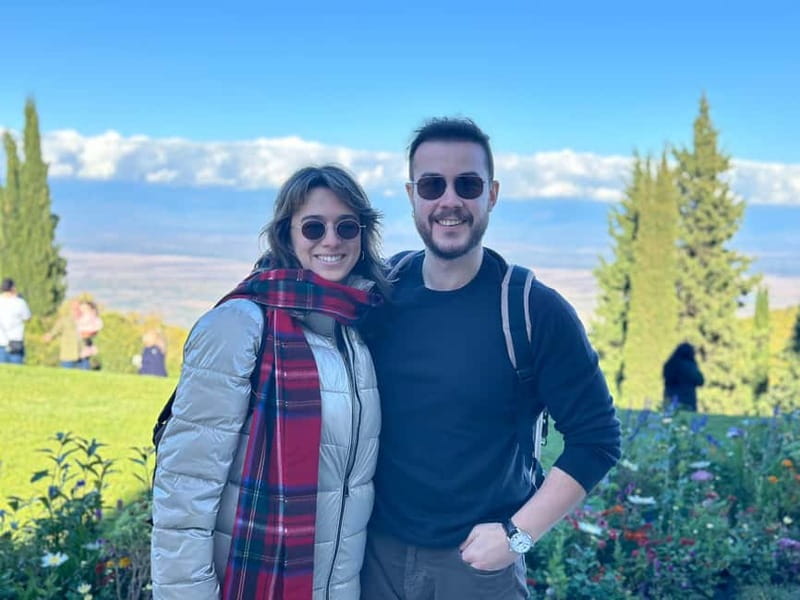
Sighnaghi is the most scenic town on the route and usually the most memorable stop for visitors who want more than tastings. The town is known as the City of Love, with narrow streets, historic architecture, and wide views across the Alazani Valley toward the Great Caucasus Mountains.
The sightseeing and second tasting together take about an hour. That is enough to walk around, take photographs, and get a feel for the town, but it is not enough for every lane, museum, and viewpoint. You will need to choose your priorities.
The Sighnaghi Wall is a key landmark. This old fortification offers a clear sense of why the town was built as a protected settlement, while also giving you strong views over the surrounding area. The wall is especially useful for photographers because it combines stonework, rooftops, open valley views, and distant mountains in one stop.
I like the way Sighnaghi breaks up the drinking. You can stretch your legs, browse the streets, and watch ordinary local life for a while. It feels more personal than a quick roadside photo stop.
The main compromise is time. If the group is large, keeping everyone together can reduce the amount of free wandering. Still, an hour is enough to see the town’s character, and the guide may point out good photo spots and places connected with local life.
The second cellar and traditional Georgian hospitality

The second wine stop takes place at a local wine cellar in or near Sighnaghi. This is the smaller, more personal side of the day, and it helps show how Georgian wine can be made and shared outside a large commercial facility.
You can expect more explanation of traditional winemaking methods, along with another round of tasting. The contrast between the warehouse and the local producer is one of the strongest features of the outing. One stop shows scale and organized production; the other gives you a closer look at local hospitality and smaller operations.
The wine may be accompanied by brandy or chacha. Chacha is a strong Georgian spirit, so do not treat it like a light afterthought. If you are not used to spirits, take small sips and do not feel obliged to finish every pour.
Some tasting sessions keep offering more glasses, which is generous but can catch you off guard. I would set your own limit early. The best part of the afternoon is learning to distinguish styles and hearing how the wine connects to Georgian tradition, not trying to prove how much you can drink.
You may also have the chance to buy bottles at one or both wine stops. Check your luggage space before purchasing, and remember that carrying glass for the rest of the day is your responsibility.
Guides make the difference
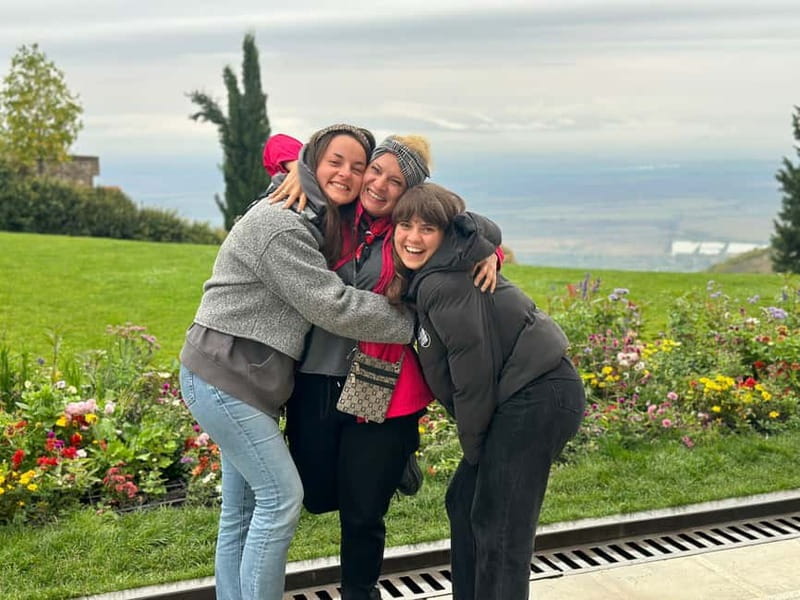
The guide can shape this tour more than any single monument. Names praised in the supplied material include Luka, Toko, Tanu, Zuka, Tatia, and others. Their shared role is to explain the wine and history in English while keeping an international group involved.
Luka is repeatedly described as funny, warm, and easy to understand. Toko is praised for energy and clear information, while Tanu is noted for bringing a group together and making history feel personal. Zuka is described as relaxed and witty. These details matter because a tasting tour can become dull if the guide only recites facts.
You should expect an outgoing style rather than a formal lecture. The guides often keep the group talking, help with questions, and accompany you at each stop. That works well for solo visitors and couples who want some social contact during a day outside the city.
The tradeoff is that the tone may be lively. If you want a quiet, specialist-led tasting with detailed discussion of vineyard chemistry, this is probably not the right format. If you want history, jokes, local wine, and a friendly group atmosphere, it is a better fit.
Timing, comfort, and value
The advertised duration is seven hours, with drop-off back at the Big Bicycle Monument or Giant Bicycle Monument. That is a sensible length for this route. You get enough time outside Tbilisi to make the drive worthwhile, but the day does not become an exhausting overnight-style excursion.
The itinerary is well paced on paper: about 90 minutes at the first tasting, 30 minutes at Bodbe, and an hour around Sighnaghi and its tasting. The remaining time covers driving, transitions, and group movement.
At $18, the value is excellent if you want several activities in one booking. A guide, transport, entrance fees, and ten wine tastings are included. You also get two very different wine settings, a monastery, a fortified hill town, and valley views.
The value is less clear if you are mainly interested in serious wine study. The low price and group format favor breadth, atmosphere, and social fun over long technical conversations. You are buying a lively introduction to Kakheti, not a private sommelier session.
Free cancellation up to 24 hours before departure and reserve-now-pay-later booking make it easier to fit into a changing Tbilisi schedule. Starting times should be checked when booking, since they are not fixed in the supplied details.
Who should book this Kakheti tour?
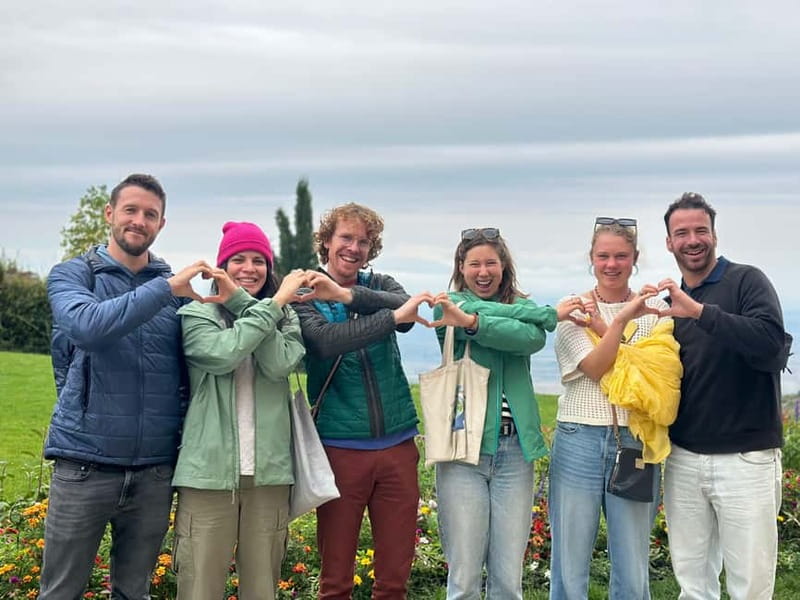
I would recommend it to first-time visitors who want to see more of Georgia than Tbilisi, especially if you enjoy wine but do not need specialist-level instruction. It also suits couples, solo visitors, and small groups who like meeting people from different countries.
Families can join, and one account specifically describes bringing a child without feeling unwelcome. Still, the day is built around alcohol, so adults should plan carefully for children and keep expectations realistic.
It is not suitable for pregnant women according to the activity information. Anyone who dislikes group tours, has difficulty sitting through driving time, or wants a slow visit at Bodbe and Sighnaghi may prefer a private day trip.
FAQ
How long is the Kakheti wine tour?
The tour lasts seven hours, including transport from Tbilisi and return to the city.
Where does the tour begin?
Meet in front of the Big Bicycle Monument, also called the Giant Bicycle Monument. Staff members wear red scarves.
Where does the tour finish?
Drop-off is at the Giant Bicycle Monument or Big Bicycle Monument.
How many wines are included?
The selected option includes tasting ten different wines. Some tasting sessions may offer additional pours, along with brandy or chacha.
Is transportation included?
Yes. Transportation service is included, along with a guide and all entrance fees.
What language does the guide speak?
The live tour guide speaks English.
Is Bodbe Monastery part of the tour?
Yes. The itinerary includes about 30 minutes of sightseeing at Bodbe Monastery of St. Nino.
What should I bring?
Bring comfortable shoes, water, sunscreen, a jacket, an umbrella, cash, and a change of clothes. The wine factory may be cold inside.
Should you book it?
Book this tour if you want a low-cost, social introduction to Georgian wine with a monastery and one of Georgia’s prettiest small towns included. The standout value is the mix: two wine settings, Sighnaghi’s wall and views, Bodbe’s gardens, transport, and a guide for $18.
Go in prepared to eat first, dress in layers, and pace yourself. If you want a relaxed day with generous tastings and lively guides such as Luka, Toko, or Tanu, this is an easy choice. If you want a private, quiet, highly technical wine tour, spend more on a smaller outing instead.
Freshly poured around the world
- Porto: 6 Bridges Port Wine River Cruise with 4 Tastings★ 4.9 · 586 reviews
- Porto: Daytime or Sunset Douro River Cruise With Port Wine★ 4.7 · 714 reviews
- Porto: 6 Bridges Cruise & Port Wine with Sunset Option★ 5.0 · 997 reviews
- Porto: 6 Bridges Port Wine River Cruise with 4 Tastings★ 4.8 · 219 reviews
- Porto: Douro Cruise, 6 Bridges & 4 Port Wines (Max 7)★ 5.0 · 69 reviews
- Portland: Happy Hour Sightseeing Cruise★ 4.6 · 74 reviews
- Portland: Underground Shanghai Tunnel Tour with Beer Tasting★ 4.3 · 102 reviews
- Porto: 3 or 5 Port Wine Tasting with Pairings★ 4.9 · 152 reviews
Wine Tasting Tours, side by side.

From Porto: Douro Valley w/ Boat Tour, Wine Tasting & Lunch
Read our review →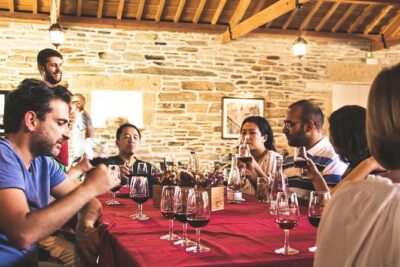
Complete Douro Valley Wine Tour with Lunch, Wine Tastings and River Cruise
Read our review →
Florence: Chianti Wineries Tour with Wine Tasting
Read our review →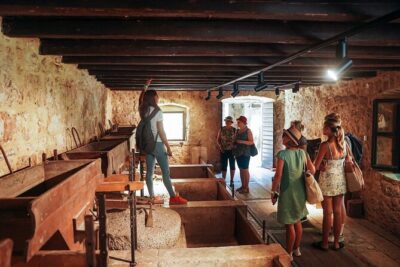
From Split: Krka Waterfalls, Food & Wine Tasting Tour
Read our review →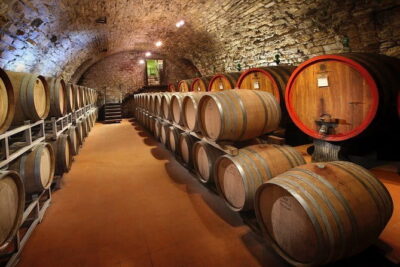
Small-Group Wine Tasting Experience in the Tuscan Countryside
Read our review →
Montserrat & Cogwheel Train, Gourmet Wine Tasting & Tapas/Lunch
Read our review →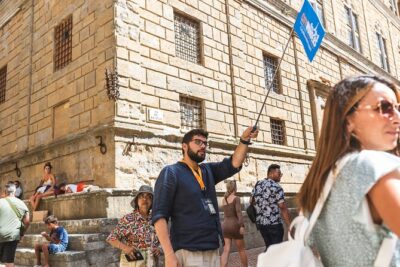
Rome: Tuscany & Montepulciano Day Trip with Lunch & Wine Tasting
Read our review →