
Review · TURIN
The Turin Chocolate Tasting Experience
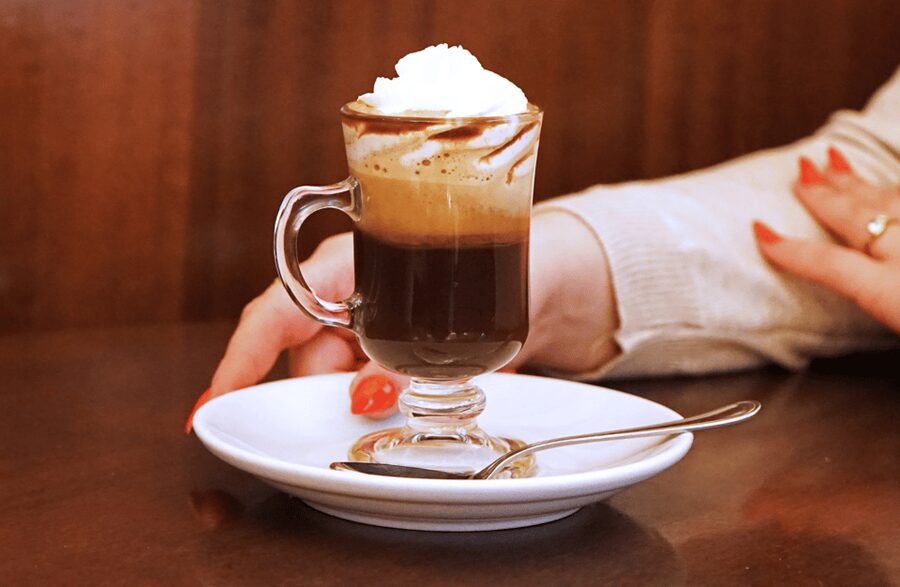
Turin’s chocolate tradition makes more sense once you taste it in the city’s old cafés. This 90-minute walk starts with Bicerin, a layered coffee, chocolate, and cream drink, then moves through Turin’s streets to giandujotto, cremino, fine dark chocolate, and Barolo Chinato.
I like the strong local flavor and the small group size, capped at 10 people. I also like that the tasting is not just a parade of sweets: Fabio, Frederick, or another local food guide explains how Turin’s royal connections helped chocolate flourish and why hazelnuts became central to gianduja.
The main caution is the hazelnut issue. Hazelnuts are part of Turin’s signature chocolate tradition, so this is not a suitable outing for anyone with a hazelnut allergy or intolerance. The walk is also short but includes outdoor time, though Turin’s porticoes help on rainy days.
Key points at a glance
- Bicerin in a historic café: Begin with Turin’s traditional coffee, chocolate, and cream drink, or a Marocchino.
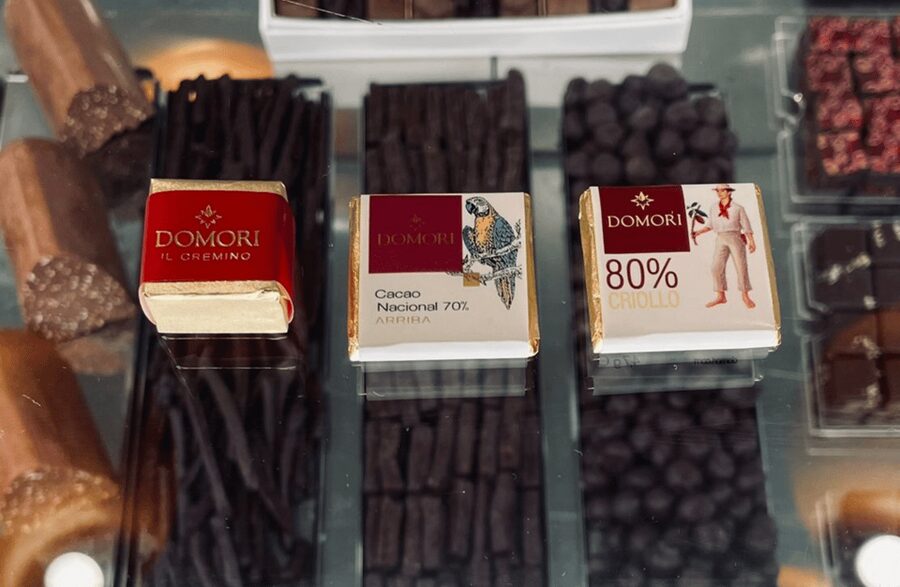
- Six different chocolate tastings: Sample giandujotto, cremino, dark chocolate, and other specialties.
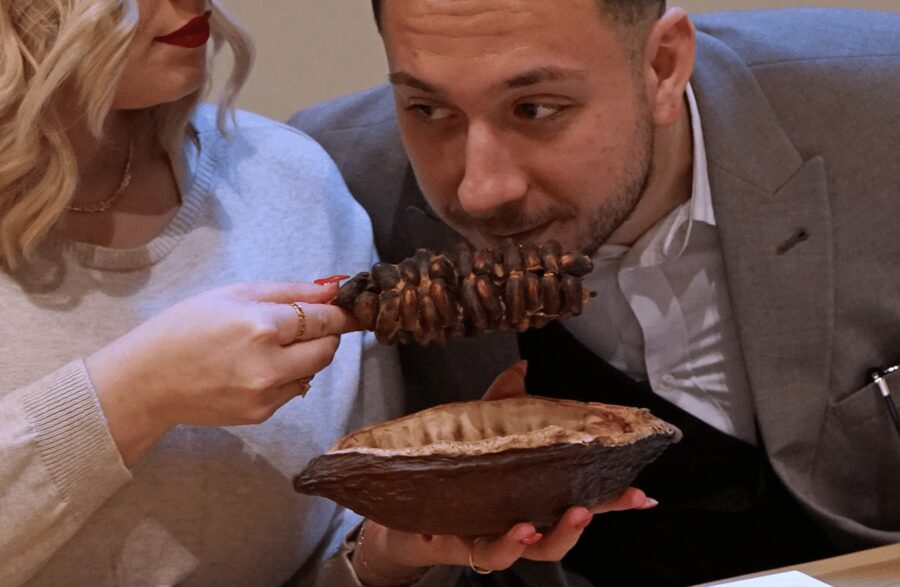
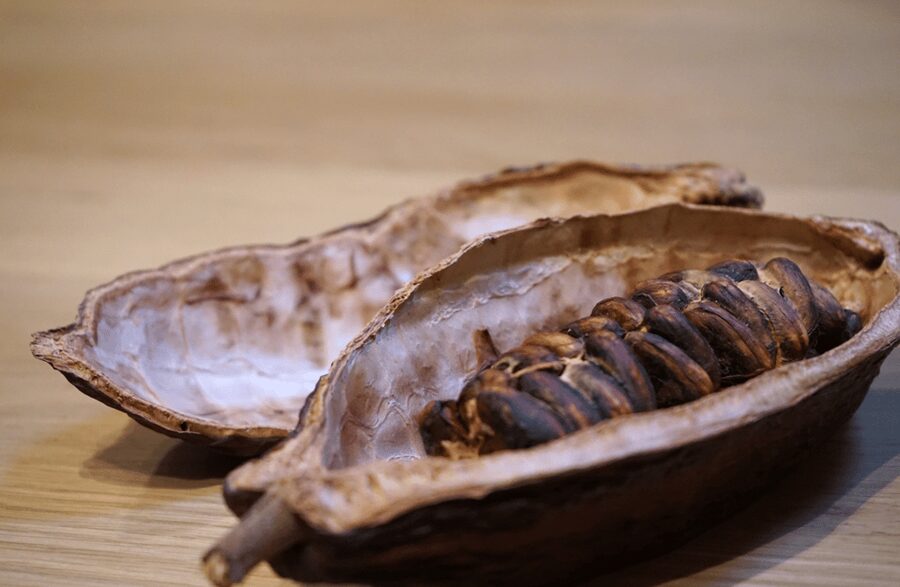
- Bean-to-bar and organic products: The workshop focuses on chocolate made from carefully selected cocoa.
- Barolo Chinato pairing: Taste this aromatic Piedmont wine alongside dark chocolate.
- Small group of up to 10: The format leaves room for questions and personal preferences.
- A sweet introduction to Turin: Short walks around Piazza Vittorio Veneto and the Gran Madre area add local history without turning the outing into a standard city tour.
Why Turin and chocolate belong together
Turin is one of Italy’s key chocolate cities, and this experience gives you the local explanation behind that reputation. The city’s royal and noble families helped make chocolate fashionable, encouraging cafés and confectioners to develop refined preparations.
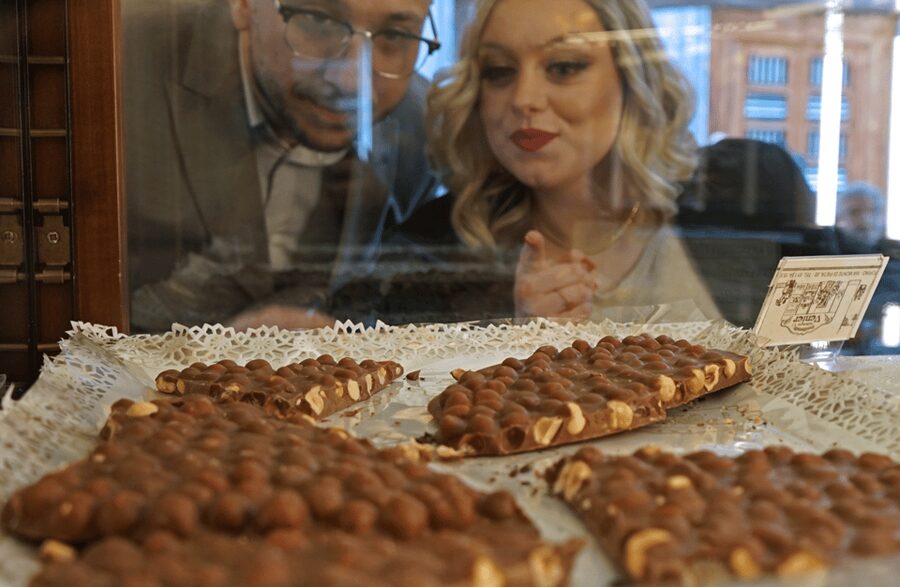
The story becomes especially interesting when cocoa was scarce and expensive. Local makers blended finely ground Piedmont hazelnuts with chocolate, creating gianduja. That mixture led to the familiar giandujotto, a smooth, triangular chocolate with a soft, nutty character.
I like this historical angle because it explains the flavor rather than treating it as a random local specialty. You learn why hazelnut and chocolate work so closely together in Turin, and why gianduja is more than a filling in a boxed sweet.
The experience also looks beyond traditional Turin. Alongside giandujotto and cremino, you taste premium dark chocolate made with cocoa from different places. The guide discusses the bean-to-bar process and the limited share of global cocoa production represented by the finest cocoa used in these products.
More Sweet Stops in Italy:
- Rome: Pasta Making Class with Wine, Limoncello, and Dessert
★ 4.9 · 3,177 reviews - Florence: Pasta Class with Wine, Limoncello and Dessert
★ 4.9 · 674 reviews - The Turin Chocolate & Wine Tasting Experience
★ 4.7 · 87 reviews
Starting at Caffè Elena with Bicerin
Meet your guide under the porticoes in front of Caffè Elena at Piazza Vittorio Veneto 5/B. The café is a useful meeting point because it is easy to identify and already places you in one of Turin’s historic public spaces.
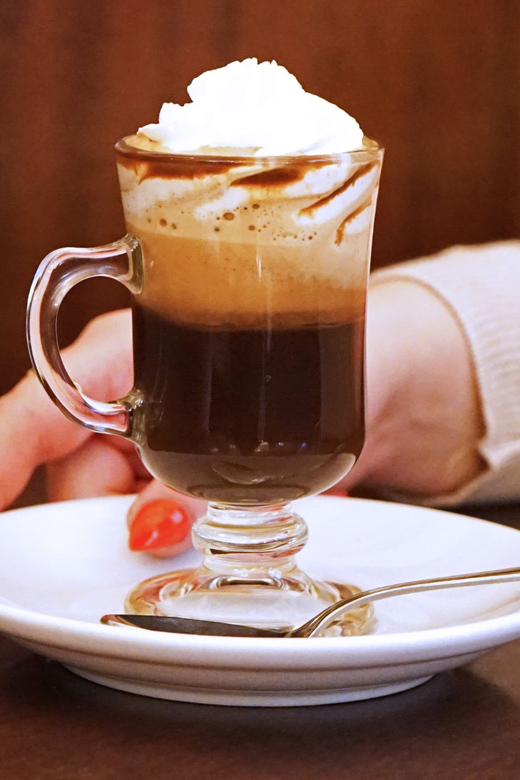
Your first tasting takes about 20 minutes. The usual drink is Bicerin, traditionally made with layers of espresso, chocolate, and milk or cream. You drink it as served rather than stirring it, allowing the coffee, cocoa, and dairy to combine gradually.
A Marocchino is offered as an alternative, and a typical Turin ice cream can also replace the coffee drink. The exact choice gives the guide some room to adapt the start of the experience to your tastes.
The café setting matters. Bicerin developed in Turin’s old coffee culture, so drinking it in a historic café gives the recipe a proper sense of place. You are not simply handed a chocolate beverage in a modern tasting room.
The portion also sets the pace well. You receive something substantial enough to enjoy, but not so much that you are already full before the main chocolate tasting. If you are sensitive to dairy, lactose-free alternatives are available. Tell the guide at the beginning.
Piazza Vittorio Veneto and the Gran Madre area
After the café, you walk through the center of the experience rather than moving straight from one shop to another. The route includes Piazza Vittorio Veneto, the Chiesa Parrocchiale della Gran Madre di Dio, a photo stop, and a couple of less obvious points along the way.
These stops are brief. Expect roughly five minutes at the main sightseeing points, not a full architectural tour. That is useful if you want chocolate to remain the focus, but less satisfying if you are looking for detailed information about Turin’s churches and urban design.
The route adds context without taking over. Your guide connects the city’s café culture, royal past, and food traditions while pointing out places you might otherwise pass without much thought. You get a taste of Turin’s streets and monuments, but the experience is not designed to replace a dedicated city walk.
The porticoes are practical, too. This tour can operate in rainy weather because part of the route passes under covered walkways. You still need comfortable shoes and a light jacket when needed, but you are not exposed to the weather for the entire outing.
The chocolate workshop and bean-to-bar tasting
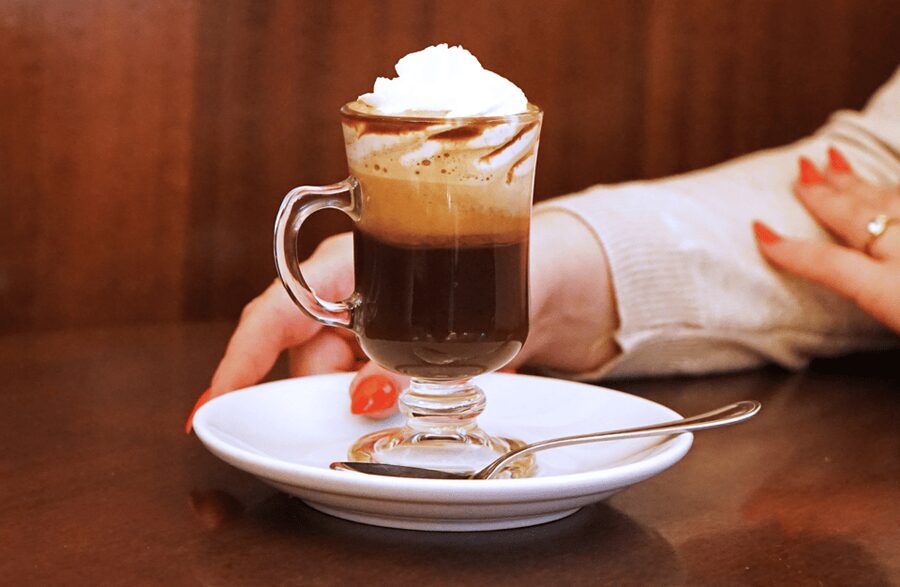
The longest part of the outing takes place at the final tasting stop. It lasts about 45 minutes and works more like a lesson or workshop than a quick shop visit.
The listed finishing venue is Bistrot Turin. The experience has also included tastings at the boutique chocolatier Chocolate7, sometimes referred to as Mamma Mia Chocolate7. Because the exact business arrangement can vary, check the current meeting and ending details when booking.
This is where the experience earns its price. Instead of receiving one generic chocolate sample, you compare several styles and learn what you are tasting. The selection includes traditional gianduja products, premium dark bars, and bean-to-bar chocolate made with organic ingredients.
You may taste about six different chocolates, including:
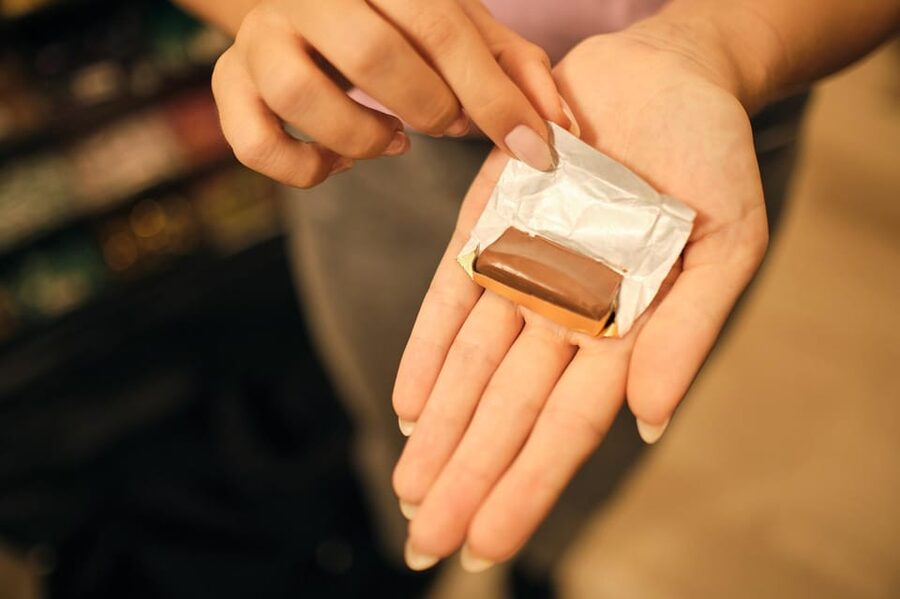
- Giandujotto, the classic Piedmont chocolate made with hazelnut and cocoa
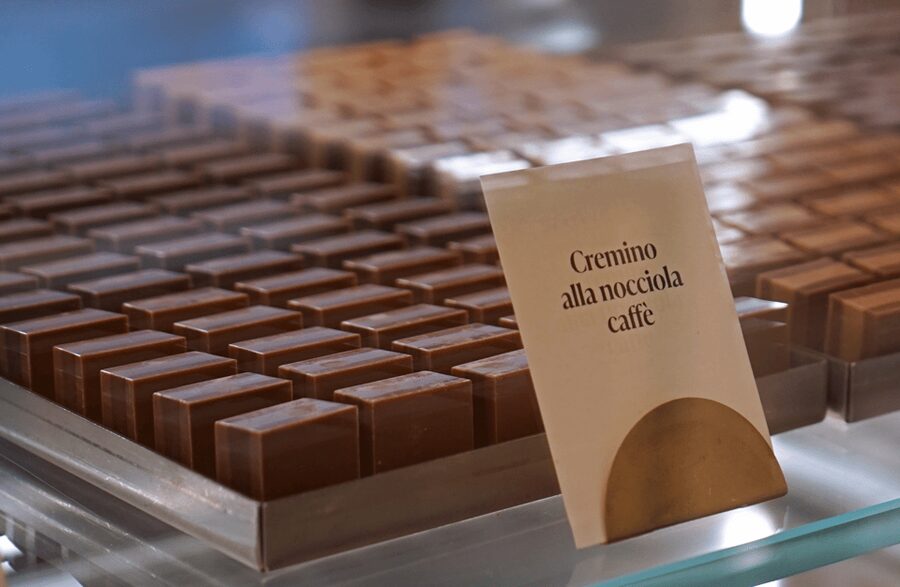
- Cremino, usually made in layers with a soft, creamy texture
- Traditional gianduja variations
- Premium dark chocolate bars
- Organic bean-to-bar products
- Chocolate paired with Barolo Chinato
The guide explains the cocoa process, from bean selection through chocolate making. This is especially useful if you normally buy dark chocolate by percentage alone. Cocoa origin, processing, texture, bitterness, acidity, and the balance of sugar and fat all affect what you taste.
The tasting is also personalized to your preferences. If you favor dark chocolate, the guide can spend more time with the stronger bars. If you prefer softer, sweeter styles, the giandujotto and cremino may become the stars of your tasting.
Do not expect a formal chocolate-making class where you produce a bar from scratch. The workshop format is about tasting, explanation, comparison, and discussion. That makes it suitable for a short visit, but not for someone specifically seeking hands-on confectionery work.
Same town, a different pour:
- Tuscany Day Trip from Florence: Siena, San Gimignano, Pisa and Lunch at a Winery
★ 5.0 · 21,634 reviews - Florence: Chianti Wineries Tour with Wine Tasting
★ 4.5 · 10,071 reviews - Small-Group Wine Tasting Experience in the Tuscan Countryside
★ 5.0 · 7,392 reviews - Rome: Tuscany & Montepulciano Day Trip with Lunch & Wine Tasting
★ 4.5 · 5,232 reviews
Pairing dark chocolate with Barolo Chinato
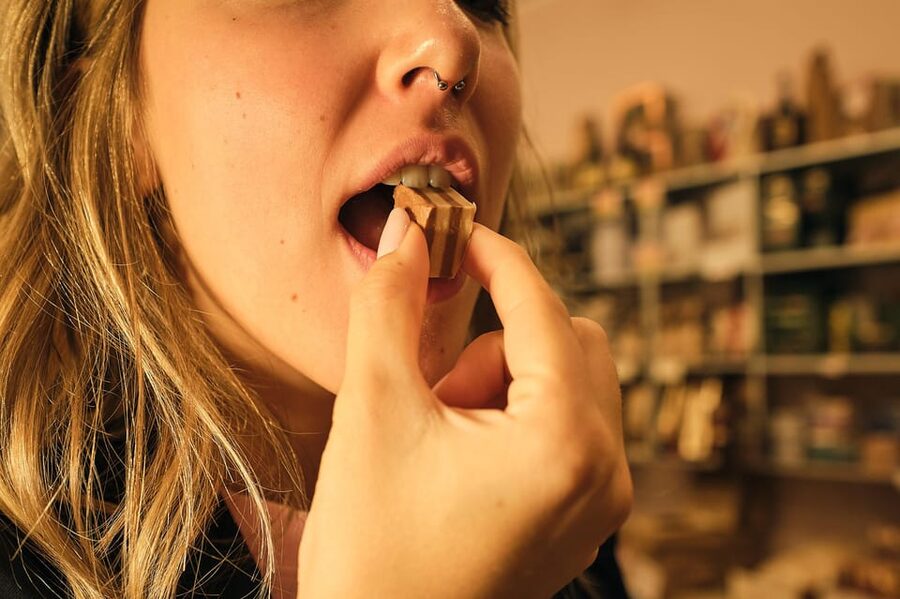
Barolo Chinato is one of the more unusual inclusions. It is an aromatized wine from the Barolo area of Piedmont, and its sweet, spiced character works naturally with dark chocolate.
The pairing gives the tasting more range. Chocolate can taste very different beside coffee, milk, cream, or wine. A dark bar may seem sharp on its own, then become rounder and more balanced with the wine.
You do not need to be a wine expert. The guide explains why the match works and lets you compare the flavors directly. This is a small detail, but it helps make the experience feel like a local food lesson rather than a simple sugar stop.
The inclusion also adds value at $51 per person. You are paying for the guide, the café drink, several chocolate tastings, the wine pairing, and the walking commentary. For a 90-minute activity, that is not a bargain in the same way as buying a chocolate bar at a shop, but it is reasonable if you would otherwise pay separately for a historic café drink and a guided tasting.
What the guides add to the experience
The tone depends partly on your guide, but the available names connected with this experience include Fabio and Frederick. Fabio is particularly associated with clear explanations of bean-to-bar chocolate, Turin’s history, and the tasting itself. Frederick has also led the experience for families.
A good guide matters here because chocolate tasting can become repetitive without context. The useful part is not only eating six samples. It is learning why one is softer, why another tastes more bitter, how hazelnuts changed Turin’s chocolate, and how cocoa quality affects the final product.
Fabio has also helped guests who had trouble finding the meeting point, so arrive early and look for the guide beneath the porticoes directly in front of Caffè Elena. The meeting address is Piazza Vittorio Veneto 5/B.
The group limit of 10 is another plus. A larger crowd would make the café order, walking commentary, and workshop questions harder to manage. In a small group, you have a better chance of asking about ingredients, recipes, cocoa origins, or the history behind a particular sweet.
Who should book this chocolate tour
This is a good choice for couples who want a relaxed food activity with a little sightseeing. It also works well for friends, and families with children old enough to enjoy tasting and short walks.
Children older than three who do not want to take part in the chocolate tasting can be booked in the free infant slot, according to the activity details. That makes the pricing more flexible for families, though the experience itself remains centered on tasting.
You should book it if you like learning the story behind a food. You should also book it if you want a gentler alternative to a history-heavy walking tour. The route gives you a small sample of Turin while keeping the focus on cafés, chocolate, and local food customs.
This is less suitable for you if you dislike hazelnuts, avoid chocolate, or want a full meal. Come hungry, but do not expect lunch. The tasting includes several chocolates and a drink, yet it is still a tasting rather than a restaurant meal.
The workshop venue is air-conditioned in summer, which helps during hot weather. The outdoor sections are short, but Turin’s summer heat or winter cold can still affect your comfort between stops.
Is $51 a fair price?
At $51, the experience sits in the midrange for a guided food activity. Its value depends on how much you want explanation and local context.
If you simply want to buy giandujotti and Bicerin on your own, you can spend less. Turin has plenty of cafés and chocolate shops. But you would need to choose the right places, understand what to order, arrange the Barolo Chinato pairing, and learn the history without a guide.
The fee covers more than the number of samples. You receive a local guide for more than an hour, a historic café drink, six chocolate tastings, traditional and bean-to-bar products, and a wine pairing. For someone interested in Piedmont’s food culture, that package is solid.
The small group improves the value. You are not being moved through a large crowd with one quick sample in hand. The limited size supports questions and makes the tasting more personal.
Free cancellation up to 24 hours before the start also makes planning easier, and the reserve-now-pay-later option gives you some flexibility. Tips are not included, so budget separately if the guide provides a service you value.
Practical tips before you go
- Arrive early at Caffè Elena, Piazza Vittorio Veneto 5/B. Meet under the porticoes, in front of the café.
- Tell the guide immediately about lactose intolerance. Lactose-free alternatives are available.
- Do not book this experience if you have a hazelnut allergy or intolerance.
- Wear comfortable shoes for the short walking sections.
- Bring an appetite, but do not treat the tasting as a full meal.
- If you want to buy chocolate afterward, leave room in your luggage. The boutique stop may tempt you with traditional and premium bars.
- Check the final venue when booking, since the tasting has been associated with Bistrot Turin and Chocolate7.
- English and Italian tours are available.
- The experience runs for about 1.5 hours and is limited to 10 participants.
Should you book the Turin Chocolate Tasting Experience?
Book it if you want Turin explained through its cafés and confectionery rather than through a long list of monuments. The strongest parts are the Bicerin at the start, the clear introduction to gianduja, the organic bean-to-bar tasting, and the Barolo Chinato pairing.
I would especially recommend it early in your Turin visit. You will learn what giandujotto and cremino are, discover why hazelnuts matter here, and gain a better sense of the city’s café culture before exploring on your own.
Skip it if hazelnuts are a concern, if you want a full meal, or if your main goal is hands-on chocolate making. For everyone else, $51 buys a focused and friendly introduction to one of Piedmont’s sweetest traditions, with enough walking and local history to make the chocolate feel connected to Turin.
FAQ
Where does the Turin Chocolate Tasting Experience begin?
It begins under the porticoes in front of Caffè Elena at Piazza Vittorio Veneto 5/B in Turin.
How long does the experience last?
The experience lasts 1.5 hours, including the café tasting, short walking route, sightseeing stops, and workshop-style chocolate tasting.
What languages are available?
The tour is available in English and Italian.
How many people are in the group?
The group is limited to 10 participants.
Is Bicerin included?
Yes. The experience includes one cup of Bicerin or Marocchino coffee. A typical local ice cream can be offered instead.
How many chocolates will I taste?
The experience includes six different chocolates, including traditional gianduja products and dark bean-to-bar chocolate.
Is Barolo Chinato included?
Yes. A Barolo Chinato sweet wine pairing is included with the chocolate tasting.
Can someone with lactose intolerance join?
Yes. Lactose-free alternatives are available, but you should tell the guide at the beginning of the experience. The tour is not suitable for people with hazelnut allergies or intolerances.
Freshly poured around Italy
- Polignano a Mare: Private Cruise with Champagne★ 4.8 · 66 reviews
- Polignano: Coastline Tour With Prosecco And Taralli & Swim★ 4.7 · 103 reviews
- Rome: Pompeii Tour with Wine and Lunch by High Speed Train★ 4.8 · 485 reviews
- Polignano a Mare: Boat Cruise to Scenic Caves with Prosecco★ 4.7 · 550 reviews
- Polignano a Mare Boat Tour with Prosecco and Taralli★ 4.9 · 334 reviews
- Polignano a Mare: Boat Tour with Prosecco and Snacks★ 4.8 · 282 reviews
- Pisa: Cathedral Guided Tour and Tower tickets & wine tasting★ 4.8 · 78 reviews
- Piedmont: Winery Tour, Taste Barolo, Barbaresco & Local Food★ 4.6 · 61 reviews
Turin Drinks Tours, side by side.
Piedmont Winery Tour: Taste Barolo, Barbaresco & Traditional Food
Read our review →
Lists this tasting sits in