Review · WORLDWIDE
Beijing Hutong Walking Food and Beer Tour at Hidden Restaurants
Beijing’s best food experiences are often found behind plain doors in old hutong lanes. This tour takes you to four local food stops, including family restaurants and a traditional home, for hotpot, noodles, beef buns, and spring pancakes rather than a parade of tourist-center dishes. I like the local feel and the chance to ask an English-speaking guide how each dish fits into Beijing life.
I also like the small-group setup, the roughly 2-kilometer walk, and the generous drinks package. Guides including Winnie, Yoyo, Janice, Uyi, Tracy, Jo, and Haitao have earned praise for their food knowledge, friendly manner, and ability to help with practical problems. The main consideration is that the four stops can mean large portions, not tiny samples, so come hungry. Evening darkness also makes the hutong scenery harder to see.
Key points to know before booking
- Four substantial food stops: Expect something close to dinner, not a few decorative bites.
- A real hutong setting: Walk crooked lanes and courtyards around Beijing’s old residential districts.
- Local beer included: Beer and soda are available during the tour, followed by one craft beer at a brewery.
- Small group of up to 12: You get more contact with the guide and can share several dishes.
- About 3.5 hours on foot: The walking is split into short stretches of roughly 5 to 10 minutes.
- Dietary requests need advance notice: Vegetarian and other requests may be possible, but confirm gluten-free needs before booking.
Why this hutong food walk feels different
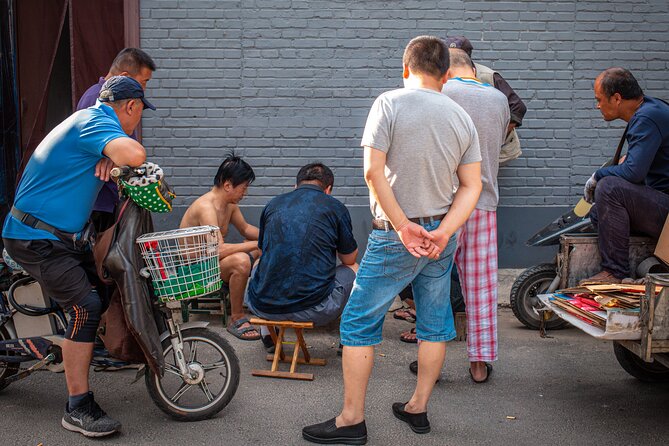
Many Beijing food tours stay on broad commercial streets. This one sends you into narrow hutong lanes, where old courtyards and ordinary homes sit behind unshowy entrances. The appeal is not polished sightseeing. It is seeing where people live, eat, and run small family businesses.
You meet your guide and group in the evening, then walk through the old residential area toward a series of food stops. The route covers about 1.25 miles, or roughly 2 kilometers, though one itinerary description gives the distance as 2.5 kilometers. Either way, this is a modest walk, broken up by meals rather than a long march.
I would book this early in a Beijing visit. A good guide can explain what you are eating, show you how to approach unfamiliar dishes, and point you toward foods worth ordering later in the trip. Several guides have also helped with transport problems, road closures, and group needs, which matters in a city where finding a particular lane can be harder than expected.
The tour is designed for a maximum of 12 people. That is large enough to share a useful range of dishes, but small enough for the guide to check on everyone. Solo visitors may especially appreciate the social side, since the meal format naturally gets people talking.
More Food Tours in the world:
- From Split: Krka Waterfalls, Food & Wine Tasting Tour
★ 5.0 · 9,326 reviews - From Split: Krka Waterfalls, Food & Wine Tasting Tour
★ 4.9 · 6,598 reviews - Winner 2025 Undiscovered Lisbon Food & Wine Tour by Eating Europe
★ 5.0 · 6,390 reviews
Starting in the old hutong lanes
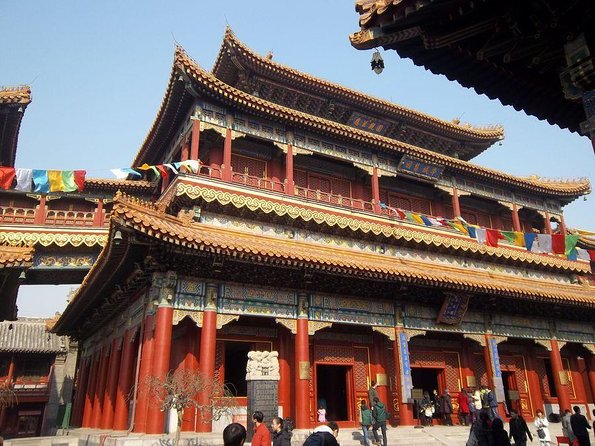
The published meeting information refers to a subway-accessible meeting point, with the exact address and directions sent after booking. The descriptions mention Shichahai metro station in one place and Lama Temple subway station in another, so check the confirmation carefully rather than relying on a map pin copied from a sales page. Lama Temple station serves subway lines 2 and 5 according to the tour information.
Once the group is together, the guide leads you into the hutongs. These lanes are best understood as Beijing’s traditional residential fabric: low buildings, courtyards, side alleys, and a slower rhythm than the main avenues. You will not get a formal museum tour, but you will hear about daily life, local food customs, and the way dishes connect with family occasions.
The evening start has a tradeoff. At around 6:30 p.m., the lanes may have a pleasant after-dark atmosphere, but you will not see as much architectural detail as you would during daylight. One guest specifically found the hutongs too dark for much sightseeing and suggested choosing a daytime option if visual exploration is your priority. This experience is strongest as a food walk with a sense of place, not as a detailed architecture tour.
Wear shoes that are comfortable on uneven streets. Leave the heels at home, as the operator itself advises. The tour runs in rain and other ordinary weather, so bring suitable clothing and an umbrella if needed.
Copper-pot hotpot with rooftop views
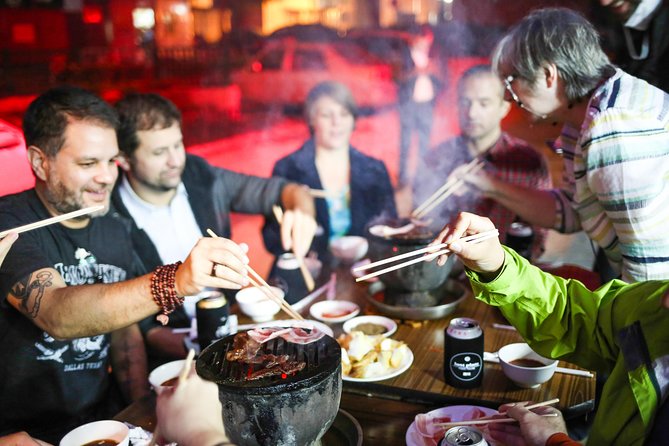
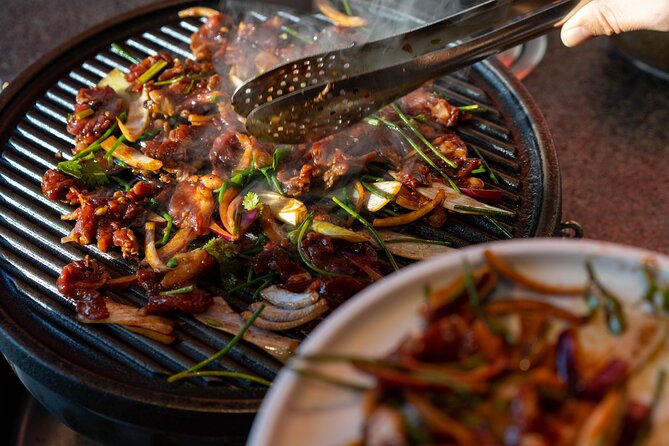
One stop features Beijing hotpot served in traditional copper pots. The broth is clear, allowing the quality of the ingredients to carry the dish rather than relying on a heavy soup base. Thin slices of mutton and beef are cooked at the table, which gives you a hands-on meal and a quick introduction to a classic northern Chinese dining style.
This restaurant also has rooftop views toward Beijing’s historic bell tower. The view is a useful bonus, though the amount you see will depend on the weather and the evening light. The stop is less about taking a long rooftop break and more about eating a proper local meal in a tucked-away setting.
Hotpot can be particularly helpful for cautious eaters because you control how long ingredients cook and can follow the guide’s instructions. It is also a social dish, since everyone shares the pot. If you dislike lamb or have a restricted diet, tell the operator in advance so the guide can explain what alternatives are possible.
Spring pancakes and a husband-wife kitchen
Another stop is run by a husband-and-wife team and centers on Beijing spring pancakes. These thin, freshly made wrappers are filled with other ingredients and traditionally associated with Chinese New Year, the arrival of spring, and hopes for a good harvest.
I like this stop because it gives the meal a family connection rather than simply presenting a famous dish. The guide can explain how the food is eaten and why it matters, while the couple’s small operation gives you a sense of the personal scale behind many Beijing eateries.
Spring pancakes are also a good example of why this tour works better than ordering at random. A menu translation may tell you the name of a dish, but not necessarily how to assemble it, what to combine with it, or when people traditionally eat it. The guide bridges that gap.
More drinks tours around the world:
- Budapest: Unlimited Prosecco, Beer and Aperol Spritz Cruise
★ 4.8 · 37,304 reviews - Amsterdam: Evening Cruise with Optional Wine and Snacks
★ 4.4 · 22,178 reviews - Tuscany Day Trip from Florence: Siena, San Gimignano, Pisa and Lunch at a Winery
★ 5.0 · 21,634 reviews - From Porto: Douro Valley w/ Boat Tour, Wine Tasting & Lunch
★ 4.7 · 19,061 reviews
Noodles in a century-old family home
The noodle stop takes you to the Yan family home, described as more than 100 years old and tucked deep inside the hutongs. Beijing-style noodles are central here. In local speech, they are simply called Beijing noodles, a sign of how strongly the dish is tied to city identity.
Eating noodles in a home gives this part of the tour a different feel from the restaurant stops. You are not just moving from one dining room to the next. You are seeing how an old residence can still function as a place connected to food and family.
The exact noodle preparation may vary, but the point is consistency and tradition. The tour explains how the dish has been made across generations and gives you a chance to ask questions in a setting you would be very unlikely to find without local help. This is one of the strongest reasons to choose the tour over a standard restaurant crawl.
Beef buns, grilled food, and the fourth meal
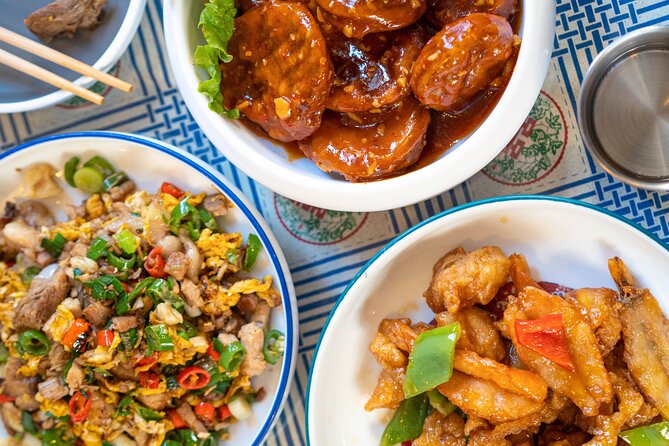
The food may include beef buns, meat grilled over open flames, and other Beijing staples. The exact order and dishes can change, so you should not book expecting a rigid menu. That flexibility is useful because the guide can work with the restaurants available that evening, but it also means the experience may not match every item listed word for word.
Some descriptions frame the meal as four food stops, while the FAQ says four to five stops. In practical terms, plan for four main eating locations, with the possibility of an additional stop or variation. The portions are substantial enough that the operator advises you not to eat beforehand.
This is important. One person felt the portions were too small, but most of the supplied feedback describes the opposite, with some people unable to finish everything. The fairest expectation is a full dinner with several shared dishes, not four tiny tastings. If you have a small appetite, pace yourself and tell the guide early. The FAQ says more food can be ordered if needed, but you are unlikely to need it.
The range of textures and cooking methods is a strength. You may move from simmering meat to handmade wrappers, noodles, buns, and open-flame grilling. That gives you a broader picture of Beijing food than a tour focused on one famous dish.
Beer, soda, and a craft brewery finish
Local beer and soft drinks are available during the tour, and the final stop is a local brewery where one glass of craft beer is included. This drink package helps the $80 price make more sense, especially if you normally pay separately for drinks with a full dinner.
The beer is also part of the social design. Short walks between stops give you time to talk with the guide and other people in the group, while the brewery provides a natural place to finish. The guide leaves you there with directions, and you are welcome to stay longer if you want to continue your evening.
Do not treat the brewery visit as a full beer-tasting program. The advertised inclusion is one pint or glass of locally brewed craft beer at the final stop, while unlimited local beer and soda are provided during the tour. The focus remains food and hutong life, with beer as a useful companion rather than the main subject.
If you do not drink alcohol, soda is included. That makes the tour workable for mixed groups, though the evening atmosphere naturally leans toward shared drinks and conversation.
What the guides add to the meal
The guide can make or break a food tour, and the strongest part of this experience is the attention paid to explanation and group care. Guides named in the supplied feedback include Ernstina, Janice, Yoyo, Winnie, Uyi, Haitao, Tracy, Jo, Bonnie, Zooey, Tony, and Tonny.
The praise is consistent across these guides: clear English, friendly conversation, explanations of the food, and help with eating techniques. Jo was also noted for creating a welcoming mood and giving a small souvenir, while Winnie helped with transportation trouble caused by road closures. Those details suggest that the guiding is not limited to reciting dish names.
Haitao received particular praise for easy-to-understand English and enthusiasm for Beijing. One criticism was that the tour could include more historical explanation, so if history is your top goal, ask questions as you walk. The experience gives you cultural context, but it is not a formal history lecture.
A small group gives you a better chance to do that. You can ask what a dish is, how spicy it should be, which parts to eat first, or what to order elsewhere. That personal contact is difficult to get on a large bus tour.
Is $80 a fair price?
At $80 per person, this is not the cheapest way to eat in Beijing. Local food can be inexpensive, and you could spend less by choosing small restaurants yourself. The price pays for more than the dishes: an English-speaking guide, four substantial stops, unlimited beer and soda, a craft beer, route planning, and access to family-run places that are difficult to locate alone.
The value is strongest for first-time visitors, solo visitors, and anyone uneasy about ordering Chinese food without help. You are paying to remove guesswork. You also get a complete evening activity, rather than a single meal.
The value is weaker if you already know Beijing well, speak Chinese, or prefer to choose every dish yourself. A person seeking street snacks in small portions may also be disappointed. One thoughtful suggestion was to replace some full meals with more stops serving smaller bites, but this tour’s current format leans toward generous restaurant portions.
At the end of 3.5 hours, you should feel that you have eaten dinner and learned several dishes you can recognize later. That is a reasonable return for the price, provided you want structure, guiding, and included drinks.
Dietary needs, weather, and practical limits
Vegetarian and pescatarian requests can be accommodated if you provide them at booking. The FAQ says gluten-free diets may be possible with advance notice, but the main tour information says the experience is not gluten-free friendly. Because those statements conflict, you should contact the operator before paying if gluten is a serious concern.
The tour is not recommended for a vegan diet. People with dietary restrictions may not receive direct substitutes for every dish, so ask exactly what can be changed instead of assuming a full replacement menu.
The tour runs in ordinary rain, heat, and cold. Dress for the forecast, and remember that the walking takes place outdoors between meals. In rare extreme weather, the guide may cancel and issue a full refund. The operator also says that in very severe air pollution, with an AQI over 400, the tour can still run but a refund is available if health concerns prevent you from joining.
Children aged 4 to 15 qualify for child pricing, and children 3 and under are free. Most people can take part, but the route does require walking and standing between stops.
Free cancellation is available up to 24 hours before the start time. A minimum of two people is required, and if that minimum is not met, you should be offered another date or a full refund.
Who should book this Beijing evening?
I would choose this tour if you want a friendly introduction to Beijing food without spending your first nights guessing at menus. It suits adventurous eaters, curious first-time visitors, solo visitors, and people who enjoy meeting others over a shared meal.
It is also a good choice if you value local access more than polished presentation. The family restaurants, old home, hutong lanes, and copper-pot hotpot give the evening a distinctly neighborhood feel.
I would think twice if you want a serious history walk, bright daytime photography, tiny street-food samples, or a tightly fixed menu. The evening darkness limits sightseeing, and the food may be more plentiful than delicate.
Should you book it?
Book this Beijing hutong food tour if you want a full dinner, local beer, and a guide who can lead you through places you would probably miss alone. The strongest reasons are the variety of food, the small group, and the access to family-run kitchens and a traditional home.
Skip it if $80 feels high for a meal, if you need strict gluten-free or vegan catering, or if you prefer exploring independently. For most first visits, though, this is a practical way to get your bearings through food, with enough hutong atmosphere to make the evening feel like more than a restaurant crawl.
FAQ
How long does the Beijing hutong food tour last?
The tour lasts about 3.5 hours and ends at a brewery. The walking is spread between four to five stops, with roughly 5 to 10 minutes between locations.
How much food and drink is included?
The tour provides enough food for more than a full meal, served across four main food stops. Unlimited local beer and soft drinks are included during the tour, plus one glass or pint of local craft beer at the final brewery.
Where does the tour start and finish?
The tour starts at an evening subway-accessible meeting point, with exact directions sent after booking. The information refers to both Shichahai and Lama Temple stations, so check your confirmation carefully. The tour ends at a brewery about 10 minutes on foot from the starting area.
Can vegetarians join the tour?
Yes, a vegetarian option is available if you request it in advance. Pescatarian and other dietary requests may also be possible, but same-day changes cannot be guaranteed.
Is the tour suitable for gluten-free or vegan diets?
The tour information gives conflicting guidance about gluten-free diets, so contact the operator before booking if you need strict gluten-free food. The experience is not recommended for vegans.
What happens if I need to cancel?
You can receive a full refund if you cancel at least 24 hours before the start time. Changes or cancellations made less than 24 hours in advance are not accepted for a refund.
Freshly poured around the world
- Porto: Daytime or Sunset Douro River Cruise With Port Wine★ 4.7 · 714 reviews
- Porto: 6 Bridges Port Wine River Cruise with 4 Tastings★ 4.9 · 586 reviews
- Porto: 6 Bridges Cruise & Port Wine with Sunset Option★ 5.0 · 997 reviews
- Porto: 6 Bridges Port Wine River Cruise with 4 Tastings★ 4.8 · 219 reviews
- Porto: Douro Cruise, 6 Bridges & 4 Port Wines (Max 7)★ 5.0 · 69 reviews
- Portland: Happy Hour Sightseeing Cruise★ 4.6 · 74 reviews
- Portland: Underground Shanghai Tunnel Tour with Beer Tasting★ 4.3 · 102 reviews
- Porto: 3 or 5 Port Wine Tasting with Pairings★ 4.9 · 152 reviews
Drinks Tours, side by side.

Budapest: Unlimited Prosecco, Beer and Aperol Spritz Cruise
Read our review →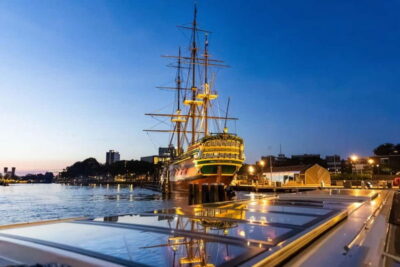
Amsterdam: Evening Cruise with Optional Wine and Snacks
Read our review →
Tuscany Day Trip from Florence: Siena, San Gimignano, Pisa and Lunch at a Winery
Read our review →
From Porto: Douro Valley w/ Boat Tour, Wine Tasting & Lunch
Read our review →
Paris: Moulin Rouge Cabaret Show Ticket with Champagne
Read our review →
Chichen Itza, Cenote & Valladolid Tour with Tequila and Lunch
Read our review →
Complete Douro Valley Wine Tour with Lunch, Wine Tastings and River Cruise
Read our review →