
Review · FRANCE
Château de Luc: Unique visit and wine tasting
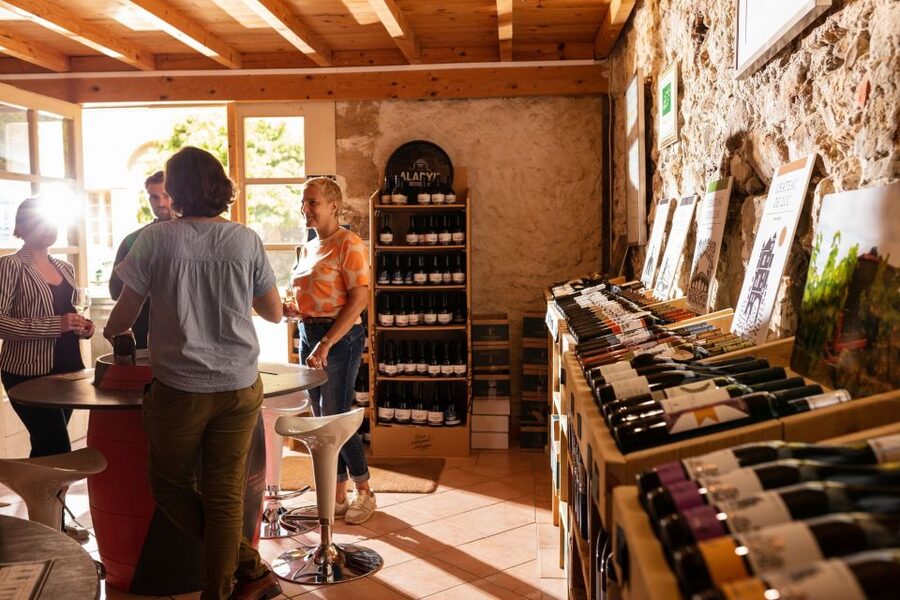
The most unusual part of Château de Luc is below the old house: a 14th-century underground cellar tied to the long story of Languedoc wine. The visit moves from historic rooms to barrels, then into an old stable converted into a tasting cellar.
I like the honest family scale and the clear sense of place. You also get more than a sip and a sales pitch: the guide connects the wine to the 19th-century boom and the great wine revolt of 1907. The main drawback is that the visit may feel short if you expect a full-day winery program, and one visitor found the wines disappointing.
- A rare medieval cellar: Walk beneath the old home in a cellar dating from the 14th century.
- A family-run estate: Learn how the Fabre family links the château, vineyards, and wine business.
- Three to six organic wines: Taste bottles ranging from IGP Pays d’Oc to AOC Languedoc, Corbières, and Minervois.
- A useful regional story: Hear about the golden age of 19th-century wine and the 1907 revolt in the Midi.
- Three guide languages: Tours are offered in French, English, and Spanish.
- A low-cost introduction: At $15 per person, the visit offers good value for wine lovers and history fans.
Château de Luc and the story beneath the old house
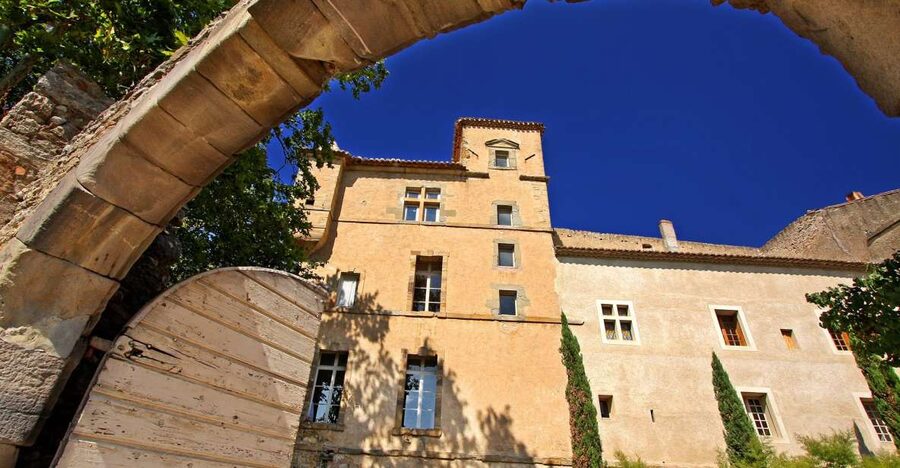
Château de Luc is not simply a place to sample local wine. The visit begins with the estate’s past, using the château’s historic rooms to explain how the property and family business developed over time.
I like this approach because the wine has a setting and a story. You are not tasting anonymous bottles in a modern shop. You are learning how a family-run wine estate fits into the wider history of the Midi wine region.
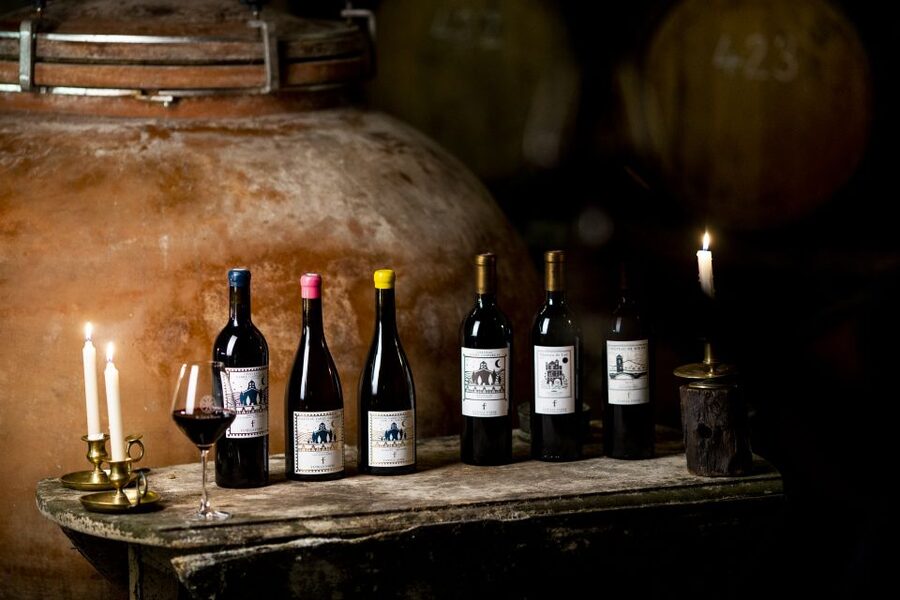
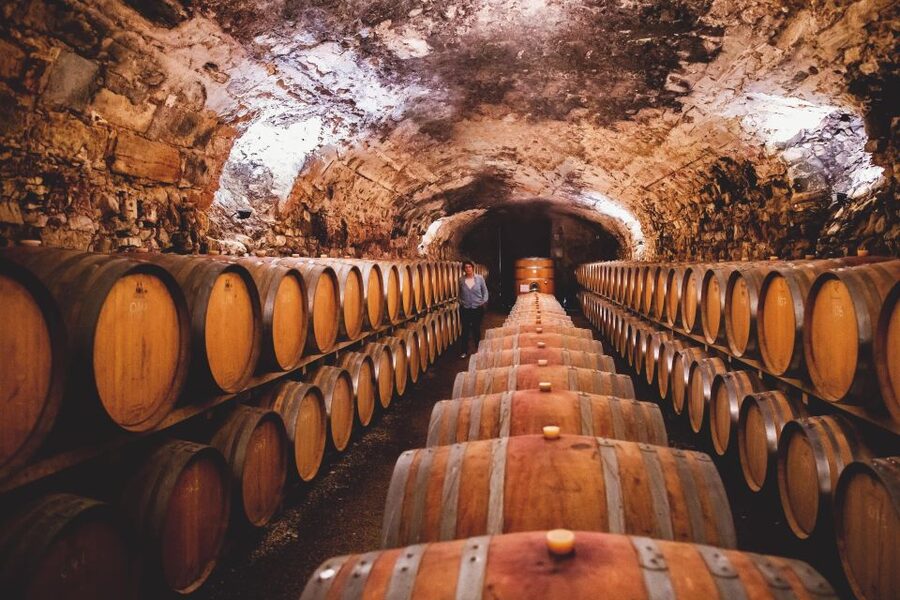
The tour then heads underground to the old cellar, which dates to the 14th century. This is the visual centerpiece of the visit. Its age gives the experience a sense of weight that a standard tasting room cannot provide, even if you are not a serious wine expert.
The cellar also helps explain why wine estates were built around storage, aging, and steady production. You might see aging barrels beneath the old home, as one private visit included, though the exact cellar presentation can vary with the day’s tour.
From the 19th-century wine boom to the 1907 revolt
The historical section gives the visit its strongest character. The guide explains the golden age of the 19th century, when wine production shaped the economy and daily life of southern France.
The story does not stop at prosperity. You also hear about the great revolt of 1907, when wine producers in the Midi protested the crisis affecting the region. That event is an important part of Languedoc wine history, and it helps you understand that the bottle in your glass is connected to land, work, trade, and politics.
I appreciate this context because it keeps the visit from becoming a list of dates. The estate uses its own rooms and cellar to tell a wider regional story. You get a better sense of why vineyards matter so much in this part of France.
If your main interest is architecture, the historic rooms and cellar provide enough reason to come. If your main interest is wine, the history gives you useful background before the tasting. If you want a technical study of fermentation, soil, or barrel schedules, the tour may feel lighter.
More Wine Tasting Tours in France
- Bordeaux: Cité du Vin Entry Ticket and Wine Tasting
★ 4.6 · 3,885 reviews - Montmartre Hill French Gourmet Food and Wine Tasting Walking Tour
★ 5.0 · 2,588 reviews - From Paris: Loire Valley Castles Day Trip With Wine Tasting
★ 4.6 · 1,727 reviews
The old stable tasting cellar
After the historic walk, you move to the tasting cellar, housed in an old stable. That change of setting works well. The tour leaves the formal rooms and ends in a practical place linked to the estate’s working life.
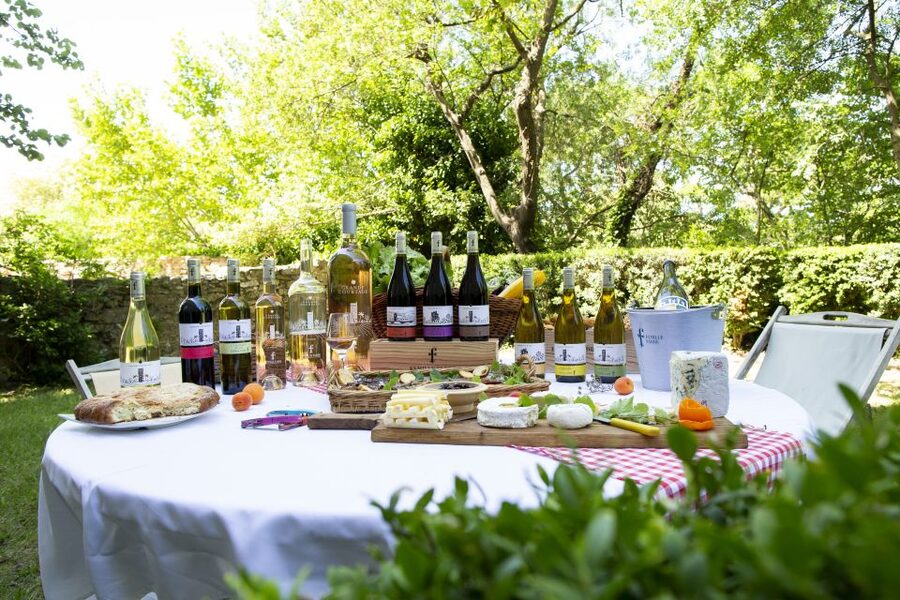
The tasting includes a selection of three to six organic wines. The range covers IGP Pays d’Oc wines and AOC bottles from Languedoc, Corbières, and Minervois. That variety lets you compare different labels from the same family business rather than taste one single house style.
The guide can answer questions about vineyard management and winemaking. You can also ask about the local area and nearby places worth visiting. This makes the tasting more useful if you are planning a wider trip through southern France.
The number of wines matters. Three samples offer a fairly focused introduction, while six give you a broader look at the estate’s range. The exact selection is not fixed in the information provided, so you should expect a guided selection rather than a guaranteed list of particular bottles.
The wines are organic, which will appeal to visitors who care about farming methods. Still, organic certification does not guarantee that every bottle will suit every palate. One visitor rated the wines poorly and found the visit too brief, while others praised the variety, quality, and reasonable prices. I would treat this as a personal taste issue rather than a reason to dismiss the whole experience.
Meeting the people behind the estate
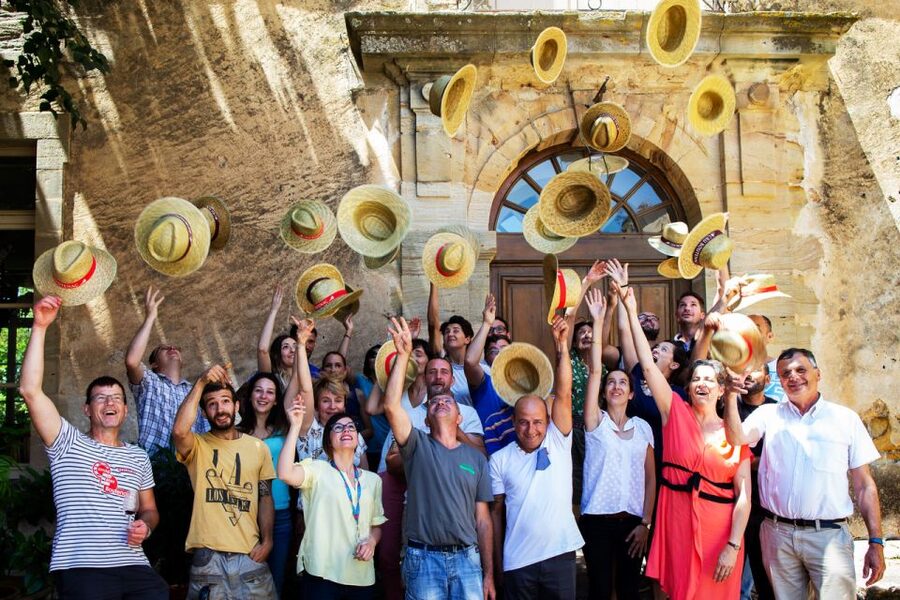
The strongest part of a small family estate is often the human connection. Château de Luc is operated by Famille Fabre, and the visit has a personal feel rather than a large commercial one.
Jeanne is one guide named in the feedback, and she was praised for her passion, simplicity, and expertise. Another private visit was led by a daughter of the family, who explained the estate and winery before taking the group into the ancient cellar.
That family connection gives you a chance to ask direct questions. You can talk about vineyard management, the winemaking process, the history of the property, and the wines you are tasting. The tone appears friendly and professional, with several visitors especially pleased by the welcome and clear explanations.
Small groups can change the feel of the tour. One visit had only one booking, creating a private experience. You should not assume that every date will be private, but a family-run operation can offer more personal contact than a large winery program.
The team also showed some flexibility when one party arrived late because of time problems. That does not mean late arrival is always acceptable, but it suggests that a quick message to the estate may help if your schedule shifts.
What the $15 price gives you
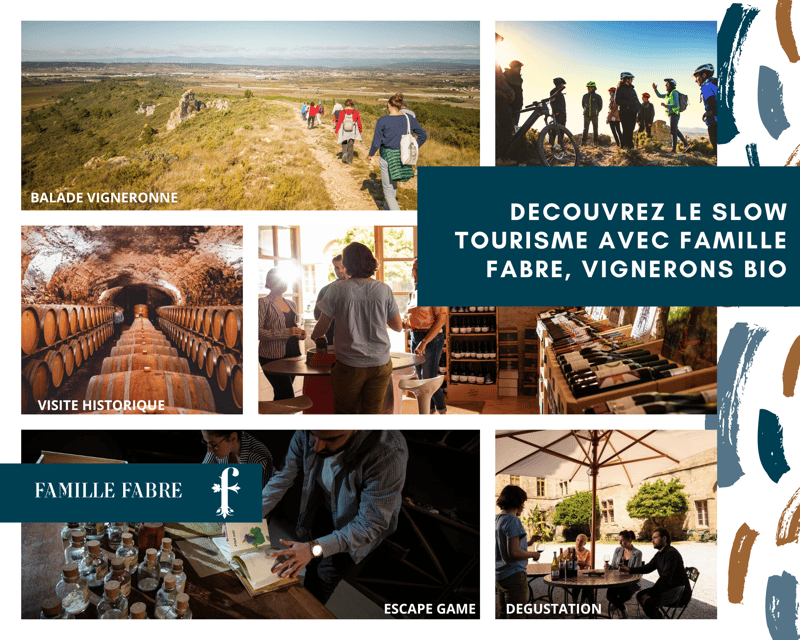
At $15 per person, this is an easy experience to add to a day in the area. The fee includes the guided visit, the historical presentation, and a tasting of three to six organic wines.
The value is strongest if you care about both wine and local history. A simple tasting might cost less, but it would not include the château rooms or medieval cellar. A long technical winery tour might provide more detail, but it would likely require more time and money.
The price also works well for couples and small groups who want a modest introduction before deciding whether to buy a bottle. Several bottles were described as reasonably priced, which adds to the value if you find something you like.
Children under the legal drinking age can visit free. That makes the experience more practical for families, though the tasting itself is for adults. Parents should expect a historical and wine-centered visit rather than a children’s activity.
The $15 price does not promise a long, full-day program. The activity is listed as valid for one day, with start times based on availability, but the material provided does not give a precise tour length. If you want a packed schedule of vineyard walks, production rooms, and a meal, this may not be enough on its own.
Same town, a different pour:
- Paris: Moulin Rouge Cabaret Show Ticket with Champagne
★ 4.7 · 16,088 reviews - Loire Valley Castles Day Trip from Paris with Complementary Wine
★ 4.5 · 3,907 reviews - Bordeaux: River Garonne Cruise with Glass of Wine and Canelé
★ 4.5 · 3,630 reviews - Normandy D-Day Small-Group Day Trip with Omaha Beach, Cemetery & Cider Tasting
★ 5.0 · 2,786 reviews
Languages, timing, and practical details
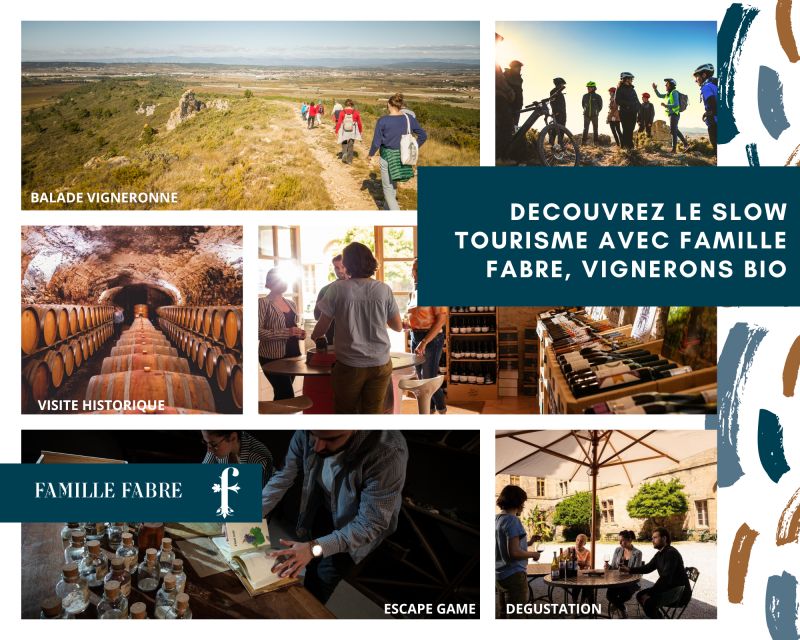
The tour is available in French, English, and Spanish. That is useful in an international wine region, especially if you want to ask questions rather than simply follow a tasting presentation.
Check the available starting time before you book. The tour is offered on a set schedule, and the available times can change by date. If you are combining Château de Luc with other visits, leave room around the appointment instead of trying to make an overly tight plan.
The visitor area may not be obvious on arrival. One person specifically wished for better directions to the visitor entrance. I would check the meeting details carefully before setting off, and allow a few extra minutes to find the right part of the estate.
The tour is not suitable for wheelchair users. The historic rooms and underground cellar may involve access limitations, and no accessible route is promised. If mobility is a concern, contact the provider before booking rather than relying on standard château access.
You can cancel up to 24 hours in advance for a full refund, and you can reserve now while paying later. Those policies are useful if your southern France itinerary is still moving around.
Who will enjoy Château de Luc most
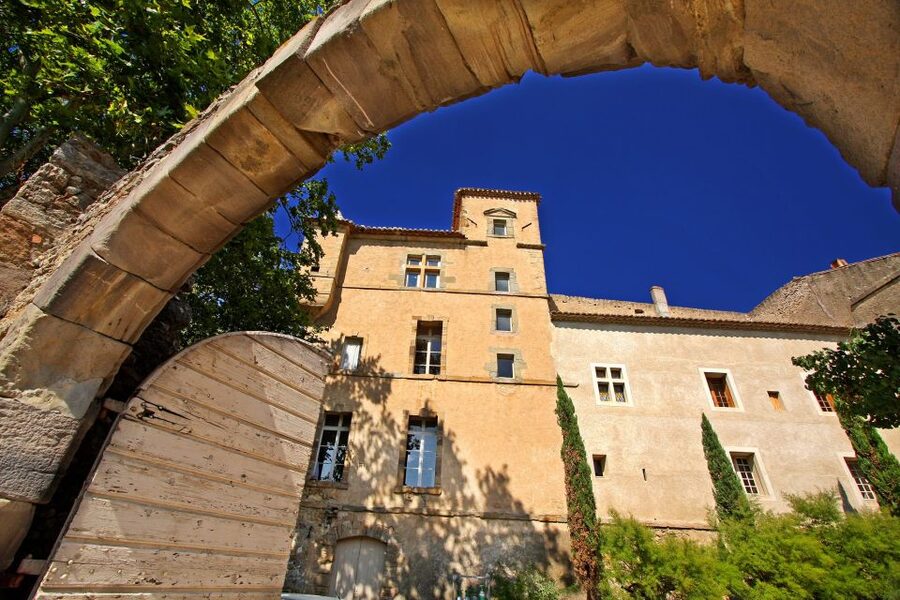
I would choose this experience if you want a small-scale wine visit with a strong historical angle. It suits adults who enjoy old buildings, regional stories, and a tasting that covers several local appellations.
It also works for a first introduction to Languedoc wine. You do not need advanced wine knowledge. The guide explains the estate, the region, and the production questions in a way that gives beginners something to follow while still leaving room for more experienced drinkers to ask detailed questions.
Families can consider it because children under the legal drinking age enter free. The catch is that the visit centers on wine, historic rooms, and a cellar. Young children may not find much to do if they are not interested in those subjects.
I would be more cautious if your priority is a long technical tour. The available information does not promise vineyard work in the field, a full production-room visit, a meal, or a lengthy seminar. The appeal is the combination of the château, old cellar, family story, and tasting.
What to expect from the wine selection
The wines range from IGP Pays d’Oc to AOC Languedoc, Corbières, and Minervois. Those labels give you a useful sense of the region’s range, but they also mean the tasting may include different styles rather than one uniform flight.
You can expect three to six wines, depending on the selection offered that day. Ask which bottles are being poured and what makes each one different. A good question might be how the wine reflects its appellation, or how organic vineyard management affects the work in the vines.
Do not feel pressured to buy. The tasting is a chance to identify what suits you. If you do find a favorite, bottles are available at reasonable prices according to the information provided, which makes buying a practical option rather than a luxury purchase.
Taste is personal, and the experience has at least one clear dissenting view about wine quality. That is worth keeping in mind. The estate’s organic approach, local labels, and family setting may matter more to you than finding a bottle that matches a high-end wine bar standard.
A balanced verdict on the visit
The best feature is the way the tour joins several elements that are often separated. You see historic rooms, go beneath the château into a 14th-century cellar, hear about the 19th-century wine boom and the 1907 revolt, and finish with organic wines in an old stable.
The guide is another strength. Jeanne and the family team bring a personal voice to the visit, and the warm welcome has been a repeated part of the experience. The ability to ask about vineyards, winemaking, and nearby sights adds practical value.
The limitations are clear. The tour may not be long enough for someone expecting a full winery day. The visitor area can be hard to locate without careful directions, wheelchair users cannot be accommodated, and the wines will not please every palate.
Should you book Château de Luc?
Book it if you want an affordable, personal look at Languedoc wine with a memorable cellar and a real regional story. At $15, the combination of history and a three to six wine tasting is good value, especially for couples, small groups, and curious beginners.
Skip it if you want a large estate with extensive production facilities, a long vineyard walk, or a guaranteed high-end wine tasting. For everyone else, Château de Luc offers a useful and down-to-earth stop where the building, family, and bottle all belong to the same story.
FAQ
How much does the Château de Luc visit cost?
The experience costs $15 per person.
How many wines are included in the tasting?
The tasting includes a selection of three to six organic wines.
What types of wine can I taste?
The selection may include wines from IGP Pays d’Oc, AOC Languedoc, Corbières, and Minervois.
Is the wine organic?
Yes. The tasting features the estate’s organic wines.
Which languages are available?
The tour is offered in French, English, and Spanish.
Can children join the visit?
Yes. The visit is free for under-age children.
What is the oldest part of the visit?
The tour includes an underground cellar dating from the 14th century.
Is the visit suitable for wheelchair users?
No. The activity is not suitable for wheelchair users.
Can I cancel my reservation?
Yes. You can cancel up to 24 hours in advance for a full refund. You can also reserve now and pay later.
Freshly poured around France
- Pont-l’Évêque: DISTILLERIE PERE MAGLOIRE Entry with Tastings★ 4.5 · 72 reviews
- Montpellier: Pic Saint-Loup Wine Tour★ 4.9 · 290 reviews
- Passy-Grigny: Chocolate and Champagne Tasting Tour★ 4.8 · 284 reviews
- Paris: Tasting of 3 Wine and 3 Cheese★ 5.0 · 74 reviews
- Paris: Wine and Cheese Tasting★ 4.6 · 91 reviews
- Paris: Wine Tasting Experience with 6 Wines and Cheese Board★ 4.9 · 80 reviews
- Paris : Scenic Cruise on the Seine River with Champagne★ 4.0 · 81 reviews
- Paris: Moulin Rouge Dinner Show, Champagne, and Transport★ 4.6 · 368 reviews
Wine Tasting Tours, side by side.
From Porto: Douro Valley w/ Boat Tour, Wine Tasting & Lunch
Read our review →
Complete Douro Valley Wine Tour with Lunch, Wine Tastings and River Cruise
Read our review →
Florence: Chianti Wineries Tour with Wine Tasting
Read our review →
From Split: Krka Waterfalls, Food & Wine Tasting Tour
Read our review →
Small-Group Wine Tasting Experience in the Tuscan Countryside
Read our review →
Montserrat & Cogwheel Train, Gourmet Wine Tasting & Tapas/Lunch
Read our review →
Rome: Tuscany & Montepulciano Day Trip with Lunch & Wine Tasting
Read our review →
SMALL-GROUP Wine Safaris: Tuscan Wine Tasting Tours from Florence
Read our review →Lists this tasting sits in