

Review · SEVILLE
Private Seville Tapas & History Tour
Seville’s Triana neighborhood is best understood one small plate at a time. This private evening tour takes you across the Guadalquivir River and into old taverns for adobo fried fish, Iberian pork, garlic shrimp, cold tapas, local wine, vermouth, beer, and other Andalusian specialties.
I like the private format, which gives you room to ask questions and set a comfortable pace. I also like the way the food is tied to place: fish connects to the April Fair, family taverns connect to daily life, and Triana’s old mix of sailors, potters, and flamenco performers gives the walk some real character. The main drawback is price: at $422.23 per person, this is a costly three-hour meal, and some diners may find the setting less atmospheric if they are seated in a back room.
Key points to know before booking
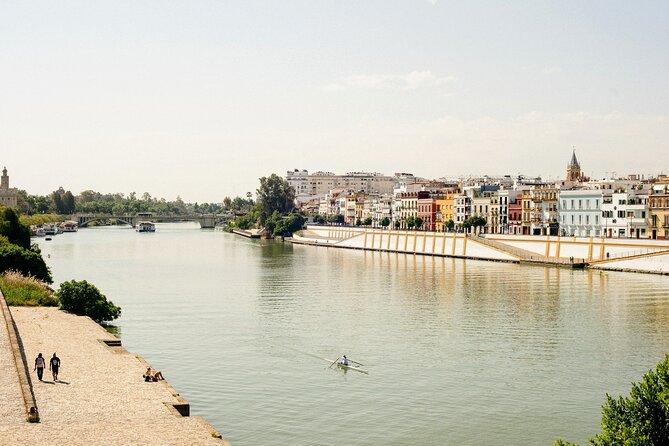
- Five Triana tapas stops: Follow a food route through one of Seville’s oldest and most distinctive neighborhoods.
- Ten tastes can make a full dinner: The tour includes at least eight food tastings and four drinks.
- A private English-speaking guide: Guides such as Sophie, Alex, Aysa, and Sara are praised for warm conversation and strong local insight.
- Classic Andalusian specialties: Expect Iberian pork, garlic shrimp, adobo fried fish, cold tapas, vermouth, sherry, wine, and beer.
- Useful early-trip introduction: You’ll learn what to order and how local tapas customs work, which can help with later meals.
- Dietary limits matter: Vegetarian, pescatarian, gluten-free for non-celiacs, dairy-free, pregnant, and non-alcoholic options can be arranged, but the tour is not suitable for vegans, children under 15, or people with celiac disease.
Why Triana makes a better food setting than a generic Seville bar crawl
Triana sits across the Guadalquivir from Seville’s old center, but it feels like its own neighborhood. Its identity grew around river life, pottery, sailors, flamenco, and working families. That makes it a useful setting for a tapas tour because you are not simply moving from restaurant to restaurant. You are walking through the place that gives the food its local meaning.
The tour begins at the Puente de Isabel II, commonly called the Triana Bridge, near Los Especiales. You meet your guide on the Triana side and finish at Plaza del Altozano. The route is on foot and lasts about three hours, so comfortable shoes matter. You need to walk at a moderate pace, but most people can take part.
I like starting here rather than in the most visited streets of the old city. The experience gives you a look at Seville beyond the cathedral and palace, while still keeping the route close to public transportation. Since the activity is private, your group does not have to share the guide with strangers. That is especially useful if you want to ask about local dishes, drinks, or places to eat later in your stay.
More History Tours in Spain:
- Sevilla Food Tour: Tapas, Wine, History & Traditions
★ 5.0 · 3,468 reviews - Valencia Old Town Tour with Wine & Tapas in 11th Century Historic Monument
★ 5.0 · 3,234 reviews - Barcelona: Tipsy Tapas & History Tour in the Gothic Quarter
★ 4.8 · 227 reviews
Bar Santa Ana and the first lesson in tapas
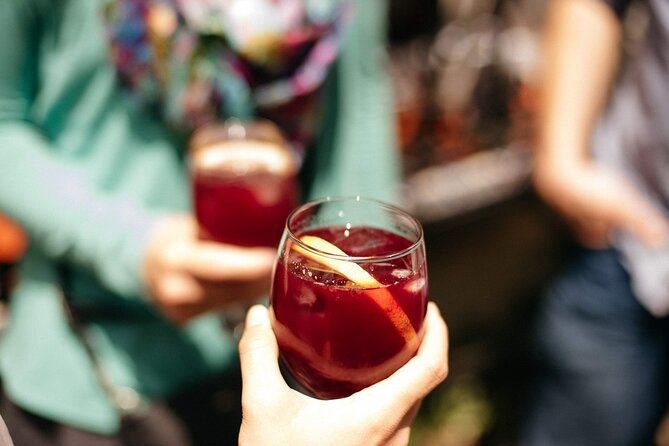
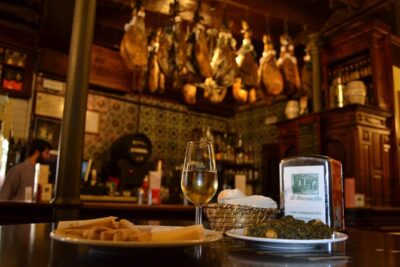
One of the early stops is Bar Santa Ana, a centennial bar open since 1913. Here you begin with an Andalusian vermouth and a selection of cold tapas. It is a sensible first stop because the guide explains how a typical tapas menu works before you start making choices on your own.
That practical help is worth more than it may sound. Spanish menus can list dishes in unfamiliar terms, and tapas culture has its own rhythm. You may order small plates to share, watch how locals handle drinks and food, and learn which dishes are best suited to a quick snack or a full evening meal.
The bar’s age also gives the stop a sense of continuity. You are not being shown a themed version of Seville. You are visiting a place that has served its neighborhood for generations. Still, remember that the tour’s value lies in the whole sequence. One stop may feel more atmospheric than another, and the tour does not promise a front-row seat at every bar.
Freiduría Reina Victoria and Seville’s fried-fish tradition
Next comes Freiduría Reina Victoria, a classic fried-fish stop run by a father and son. The focus is adobo, fish marinated in an Andalusian blend of vinegar and spices before being fried.
This is one of the most distinctive dishes on the route. Fried fish is common across southern Spain, but adobo gives it a sharper, more seasoned flavor. The guide also explains its connection to Seville’s April Fair, linking an everyday dish to one of the city’s best-known celebrations.
You taste the fish with dry manzanilla sherry. That pairing gives you a clear example of how Andalusian food and drink work together. The sherry is dry and crisp, while the fried fish brings salt and texture. If you usually associate tapas with beer or sangria, this stop shows you another side of local drinking culture.
The setting is a traditional freiduría rather than a polished restaurant. That is part of the appeal, though it also means the atmosphere may be simple and practical. This is a food-first stop, not a long sit-down meal.
Las Golondrinas and the neighborhood tavern feel
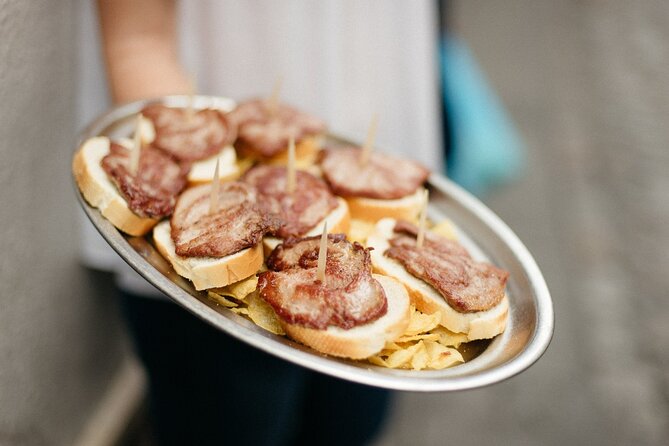
At Las Golondrinas on Pagés del Corro, you step into a local tavern that has served the neighborhood since 1962. The food centers on home-style specialties, including Iberian pork loin brought in fresh from the nearby market.
The dish offers a change of pace after the fish. Iberian pork is one of Spain’s most important ingredients, and tasting it in a straightforward tavern setting helps you understand why it appears so often on local menus. You are not being asked to decode a complicated dish. You are tasting a familiar local ingredient prepared as a house specialty.
This stop also introduces a red wine cocktail described as a local alternative to sangria. It is sometimes called summer wine, and it became one of the memorable discoveries for several people who enjoyed the tour. If you want to try something beyond beer, this is likely to be one of the more useful drinks to remember for the rest of your Seville visit.
Las Golondrinas is a good example of what this tour does best: it combines a neighborhood institution, a local dish, and a drink with a bit of cultural explanation. The limitation is that a traditional tavern may not offer much space or quiet. You are visiting working bars, not carefully staged dining rooms.
Same town, a different pour:
- Barcelona: FC Barcelona Museum “Barça Immersive Tour” Ticket
★ 4.4 · 10,944 reviews - Montserrat & Cogwheel Train, Gourmet Wine Tasting & Tapas/Lunch
★ 5.0 · 6,290 reviews - Barcelona: Montserrat, Cogwheel, Black Madonna & Winery Tour
★ 4.8 · 5,633 reviews - Montserrat with Black Madonna & Medieval Winery with Tapas/Lunch
★ 5.0 · 5,209 reviews
Bar Bistec and the final round of garlic shrimp
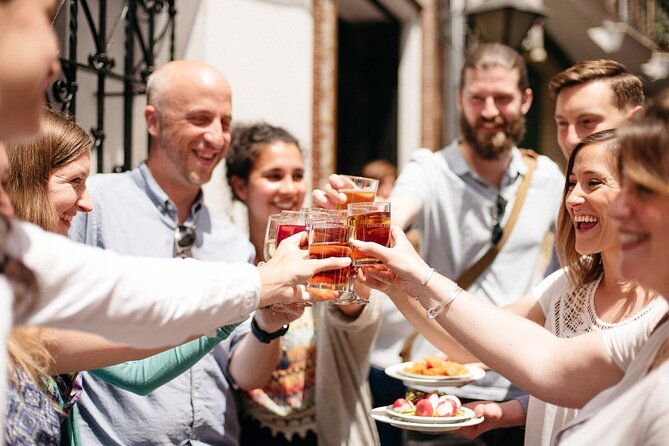
The final named stop is Bar Bistec, a third-generation tapas bar dating to 1932. Here you finish with garlic shrimp and seasonal small plates, paired with your choice of local wine or beer.
Garlic shrimp are a classic way to end a tapas meal because they are bold, hot, and easy to share. The seasonal plates add variety, although the exact selection can change. At this stage, you should have eaten enough to count the tour as dinner rather than a light tasting.
The stop lasts about an hour and 15 minutes, making it the longest part of the route. That gives you time to eat at a slower pace, talk with your guide, and ask for advice about Seville. Guides such as Sophie, Alex, Aysa, Sara, David, Eden, and Guillemot have been singled out for their friendly manner, local stories, and ability to explain food without turning the evening into a lecture.
That personal contact is a major reason to choose a private tour. A guide can adjust the conversation to your interests. You might spend more time on drinks, Triana’s traditions, restaurant suggestions, or the history behind the neighborhood.
How much food and drink do you actually get?
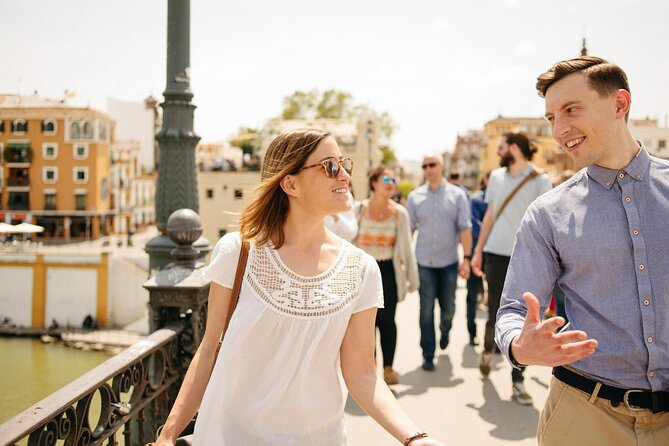
The experience includes eight or more food tastings, with about 10 different tapas described as enough for a satisfying dinner. You also receive four drinks. Depending on the stop and your selections, those drinks may include vermouth, manzanilla sherry, wine, beer, or the local red wine cocktail.
I would plan to arrive hungry, but not starved. The walking helps, yet this is still a three-hour meal with several drinks. If you have a late lunch, you may not appreciate the full range of dishes.
The food is spread across the route rather than served all at once. That matters because you get time to notice differences between bars. One place may focus on cold tapas, another on fried fish, another on pork, and another on seafood and seasonal dishes.
For an independent diner, this format also has practical value. You leave knowing more than the names of a few dishes. You learn how different taverns handle food, which drinks pair well with certain plates, and how to order with greater confidence.
Is the private price good value?
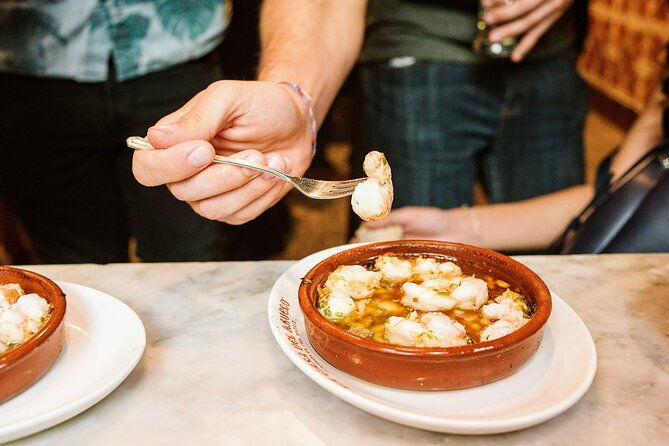
The listed price is $422.23 per person, which puts this firmly in the expensive category for a three-hour food tour. You are paying for more than the dishes. The price includes a private experience, an English-speaking local guide, at least eight tastings, and four drinks.
For a couple or small group that values personal attention, the cost may make sense. You avoid the compromises of a large group, and you can ask questions throughout the evening. A private guide can also make the route feel more relaxed, especially if your group has mixed interests or dietary needs.
For a solo diner or budget-conscious pair, the value is harder to defend. You could eat tapas independently for much less money, though you would need to find the bars, understand the menus, choose the right dishes, and connect the food with Triana’s past on your own.
I would see this as a food-and-culture experience, not simply a cheap dinner. Book it if you want an organized introduction to Seville’s tapas customs and prefer a guide to handle the choices. Skip it if you already know Andalusian food well and mainly want the lowest possible meal price.
What the guide adds to the evening
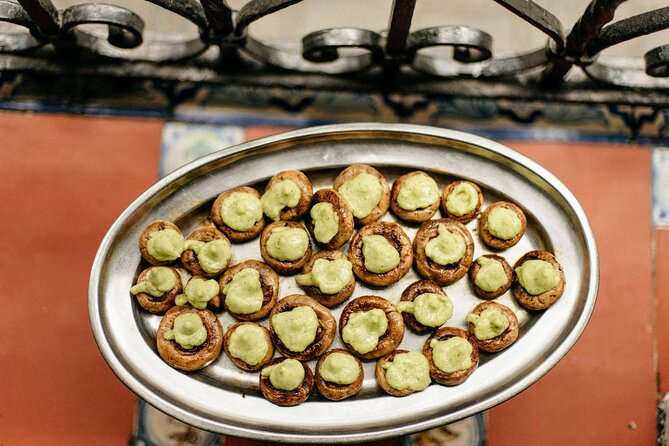
The guides are central to the experience. Sophie has been praised for taking care of the group and explaining tips clearly. Alex is associated with stories about Triana and the local summer wine. Aysa has been valued for connecting Seville’s traditions with its past, while Sara has been described as warm enough to make the evening feel like a meal with a friend who loves the city.
Those details matter because the tour has several stops, but the guide provides the thread connecting them. Without that explanation, you would simply have a series of small plates. With it, the food becomes a way to understand local customs, festival traditions, and neighborhood life.
The best guides also give you useful advice for after the tour. One person enjoyed a restaurant enough to return the following evening, and that is one of the strongest practical benefits of taking this experience near the start of your Seville stay. You can use what you learn for the rest of your trip.
Dietary needs, age limits, and other practical points
Vegetarians, pescatarians, people avoiding dairy, pregnant diners, and those seeking non-alcoholic drinks can request adaptations. Gluten-free options are possible for people who are not celiac. You need to contact the Guest Experience team after booking so the ingredients can be arranged.
There may not be a replacement dish at every stop. This is important for anyone with a serious allergy or a narrow diet. The tour is not suitable for vegans, children under 15, or people with celiac disease.
Hotel pickup and drop-off are not included. You meet near the Puente de Isabel II and finish at Plaza del Altozano. The tour is offered in English, and confirmation is provided at booking.
The cancellation terms are strict: the experience is non-refundable and cannot be changed for any reason. Check your dates carefully before paying.
Who should book this Triana food tour?
I would recommend it most strongly to first-time visitors who want an easy introduction to Seville’s food culture. It also suits couples, families with older teenagers, and small private groups that enjoy eating, walking, and conversation in equal measure.
It is particularly useful on your first or second evening. You get a sense of where locals eat, which dishes to watch for, and how to approach the tapas scene without guesswork. The route also gives you a reason to cross into Triana instead of staying only around the central sights.
I would be more cautious if your budget is tight, if you need a fully vegan or celiac-safe menu, or if you expect every stop to offer a polished dining room. Some venues are simple working taverns, and seating may occasionally be in a back room. That can reduce the atmosphere, even if the food and guide remain strong.
Should you book it?
Book this tour if you want a private, food-led introduction to Triana and are willing to pay for guidance, convenience, and a full evening of tastings. The mix of adobo fish, Iberian pork, garlic shrimp, vermouth, sherry, wine, and beer gives you a broad first look at Andalusian eating.
I would especially choose it near the start of a Seville visit, when a good guide can shape the meals that follow. If you want a bargain dinner, book a tapas crawl on your own instead. If you want the stories, the neighborhood context, and someone to lead you confidently from one family-run bar to the next, this private experience is a strong choice.
FAQ
How long does the Seville Tapas and History Tour last?
The tour lasts approximately three hours.
Where does the tour start and finish?
It starts near Los Especiales by the Puente de Isabel II and finishes at Plaza del Altozano, both in Triana.
How much food and drink is included?
You receive at least eight food tastings, with about 10 tapas in total, plus four drinks. The food is intended to be enough for lunch or dinner.
Is the tour private?
Yes. Only your group participates in the activity, with a local English-speaking guide.
Can dietary restrictions be accommodated?
The tour can adapt for vegetarians, pescatarians, gluten-free diners who are not celiac, dairy-free diners, pregnant women, and people choosing non-alcoholic drinks. You need to contact the Guest Experience team after booking, and a replacement dish may not be available at every stop.
Is the tour suitable for children, vegans, or people with celiac disease?
The tour is not suitable for vegans, children under 15, or people with celiac disease.
Freshly poured around Spain
- Picasso Museum and Walking Tour Plus Wine Tasting Upgrade★ 4.3 · 111 reviews
- Personalised Traditional Madrid Night Tapas and Drinks Tour★ 5.0 · 95 reviews
- Penedès: Discovery Tour with Cava Tasting★ 4.6 · 76 reviews
- Ibiza: Secret Coves Guided Boat Tour with Open Bar and Tapas★ 4.7 · 70 reviews
- Palamós: Sunset Boat Tour with Glass of Cava★ 4.2 · 74 reviews
- Barcelona: Montserrat Tour with Lunch & Wine Tasting Option★ 4.6 · 286 reviews
- Barcelona: Montserrat with Winery Visit and Farmhouse Lunch★ 4.7 · 178 reviews
- Manilva: Nilva Vineyard, Wine Tasting & Tapas Guided Tour★ 4.9 · 156 reviews
Seville Drinks Tours, side by side.
Sevilla Food Tour: Tapas, Wine, History & Traditions
Read our review →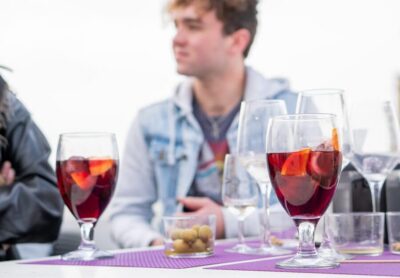
Lists this tasting sits in