
Review · SEVILLE
Sevilla Food Tour: Tapas, Wine, History & Traditions
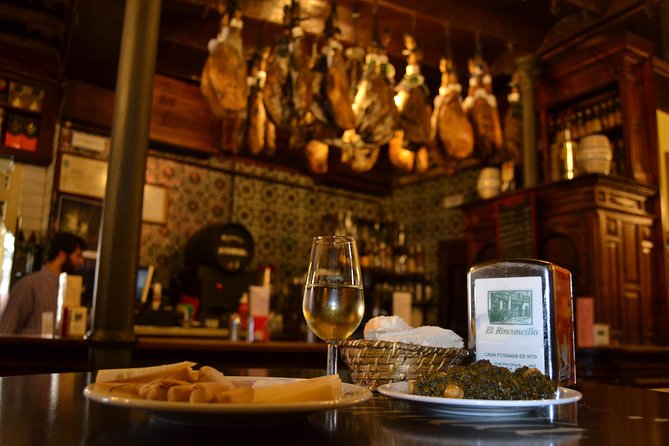
Seville’s food culture makes the most sense on foot, one small bar at a time. This 3.5-hour tour links the old center, Alfalfa, Santa Cruz, and several local taverns, with dishes such as chicharrones, carrillada, and pestiños along the way. Your guide may be Alejandro, Pilar, Ella, Jeff, Sasha, or another member of the Seville Food Sherpas team.
I like the small maximum group of 12, which keeps the evening personal, and I like the mix of food, wine, neighborhood walking, and local customs. The tour also gives you a useful list of bars and restaurants for later in your stay. The main caution is that food quality and portion size may vary by stop, and this is not a good choice for people with celiac disease or strict vegan diets.
Key points to know before booking
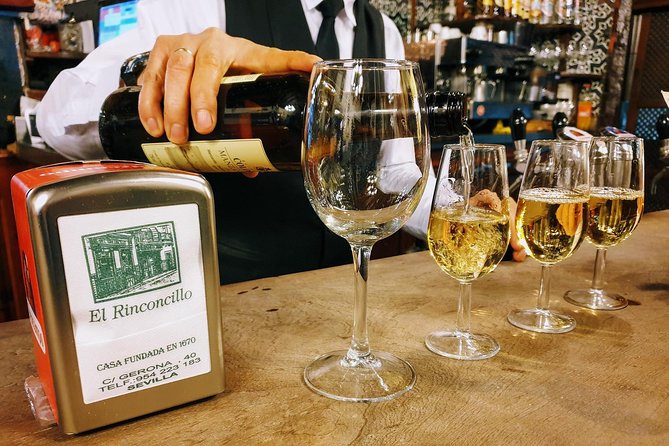
- Four wines are included: You can usually choose beer or soft drinks instead, and the tastings are intended to cover a full lunch or dinner.
- The route crosses several old neighborhoods: You begin near Metropol Parasol and finish in Santa Cruz, with no private transport involved.
- Guides shape the experience: Alejandro, Pilar, Ella, Jeff, Sasha, Dorota, Ferran, Agata, and other guides have been praised for combining food with stories about Seville.
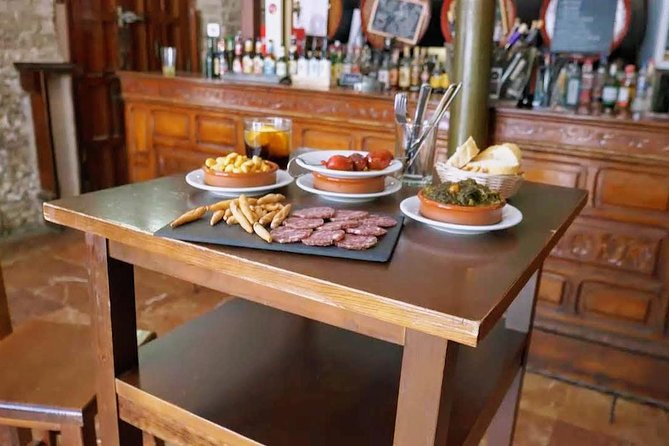
- The food is traditional rather than fancy: Expect chicharrones, montaditos, pringá, carrillada, spinach with chickpeas, meatballs, sweets, and regional cheeses.
- The group is capped at 12: That matters in narrow bars, where a large group can make ordering and conversation awkward.
- Dietary limits need careful thought: Gluten cross-contamination is possible, the tour is not recommended for celiac disease, and it is not recommended for vegans.
Why this Seville food walk works well
A good food tour should do more than put plates in front of you. It should help you understand why people eat those dishes, how locals order at a bar, and which neighborhoods are worth returning to later. This experience aims for that wider picture.
The evening begins at the white eighteenth-century fountain in Plaza de la Encarnación, next to Metropol Parasol, the giant wooden structure known locally as Las Setas. From there, you walk into Seville’s old center and stop at four food and drink venues, with short pauses for local sights and neighborhood stories.
The guides are central to the experience. Alejandro is praised for linking Seville’s past with the food on the table. Pilar has a gift for explaining wine and helped one participant discover a taste for sherry. Ella is described as warm and well organized, while Jeff brings food knowledge, city history, and practical suggestions for the rest of your stay.
Sasha, Dorota, Ferran, Stephanie, Agata, Katerina, Antonietta, and others have also led the tour. That list tells you something useful: the experience depends partly on the individual guide. The common thread is a friendly guide who explains local customs and keeps the group moving, but the tone may be more historical with one guide and more food-focused with another.
More Food Tours in Spain:
- Barcelona Gothic Quarter Tapas & Taverns Food & Wine Tour
★ 5.0 · 1,470 reviews - Barcelona Food Tour: Tapas, Paella, Sangria & 8+ Local Tastings
★ 5.0 · 1,275 reviews - Madrid: Food & Wine Tour with 10 Tapas & 4 Drinks Included
★ 4.9 · 984 reviews
Starting beside Las Setas in Plaza de la Encarnación
Meet at Fuente Pública Siglo XVIII, the white monumental fountain beside Metropol Parasol. The meeting point is easy to connect with by public transportation and places you in the Casco Antiguo from the first minute.
Las Setas is a useful landmark, but the real value of this start is geographic. You are already in the center of Seville, surrounded by narrow streets, small plazas, churches, shops, and bars. The tour uses this setting as part of the meal rather than treating the city as scenery between restaurant stops.
The opening introduction lasts about five minutes. Use that moment to tell your guide about dietary restrictions. The operator asks you to provide this information in advance, but gluten cross-contamination remains a concern.
Los Soportales and the first taste of Seville
The first food stop takes about 25 minutes at Los Soportales. Here, you can expect traditional bites such as chicharrones and a montadito, a small sandwich that often carries far more flavor than its size suggests.
The chicharrones connect to Andalusian pork cookery, while the montadito gives you a quick lesson in the region’s fondness for bread, fillings, and informal eating. These are not delicate tasting-menu portions. They are bar food, made for conversation and a drink.
A Cruzcampo beer from the barrel is offered here, or you can choose wine instead. If you are trying to keep the tasting centered on local drinks, the wine is the better fit. If you want to see how Seville’s everyday bar culture works, a cold beer makes sense.
This stop sets the tone. You are not being taken to a formal restaurant for a long, quiet meal. You are moving through local hangouts, eating a few bites, learning what they are, and leaving room for the next stop.
Plaza del Pan and the flamenco dress tradition
After the first bar, the route pauses for about five minutes at Plaza del Pan, also called Plaza Jesús de la Pasión. The stop includes a look at one of Seville’s flamenco dress shops.
The traje de flamenca is worn during Feria and other local celebrations. It is one of the clearest visual signs of Andalusian culture, and the brief stop helps connect food with the city’s wider traditions. You will not spend long here, but it breaks up the eating and gives the guide a chance to explain a custom you might otherwise see only from a distance.
This is also a reminder that Seville’s culture is not confined to monuments. Clothing, football, festivals, food, and neighborhood bars all fit into the same local story.
More History Tours in Spain:
- Valencia Old Town Tour with Wine & Tapas in 11th Century Historic Monument
★ 5.0 · 3,234 reviews - Private Seville Tapas & History Tour
★ 5.0 · 380 reviews - Barcelona: Tipsy Tapas & History Tour in the Gothic Quarter
★ 4.8 · 227 reviews - London Small Group Tour of Historical Pubs
★ 5.0 · 10,422 reviews
Alfalfa, tostas, montaditos, and regional wine
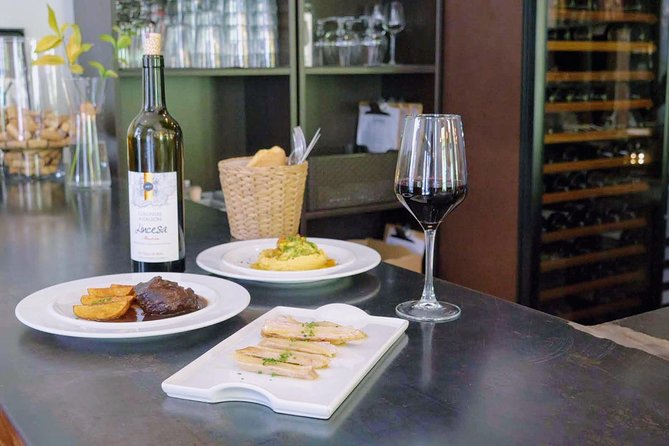
The next stop lasts about 40 minutes in Alfalfa. This neighborhood has medieval roots and a strong local rhythm, with narrow cobbled streets and busy plazas. The exact partner venue can change with the season and availability, so do not expect one fixed restaurant every time.
The usual format is a small tavern with a rustic feel and a short selection of tostas, montaditos, and regional wines. A tosta is an open-faced piece of bread, often topped with meat, fish, cheese, or another savory ingredient. It is simple food, but the combinations can show you how Andalusians build flavor from bread, cured products, sauces, and local produce.
I like this part of the tour because it gives you time to settle into the evening. The first stop is a quick introduction. Alfalfa feels more like a proper bar visit, with enough time to ask questions and compare the food with what you might order on your own.
The drawback is that seasonal changes can make the experience less predictable. If you are booking for one particular dish, this is not the right tour to treat as a fixed menu. The guide and partner venue may adjust the stops and tastings.
Walking through Seville’s old center
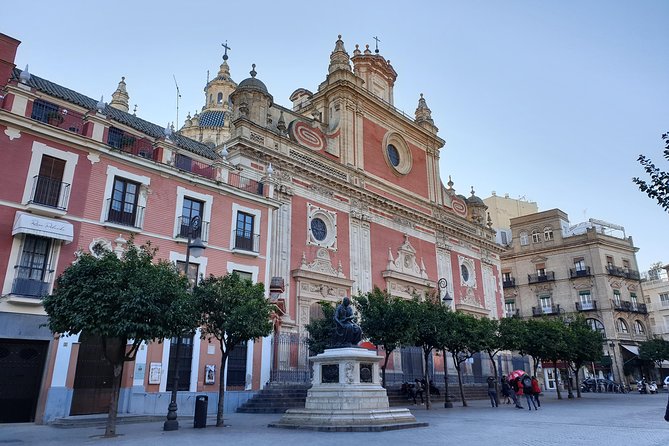
The route then includes about ten minutes of walking through the Centro Histórico de Sevilla. That may sound brief, but it matters. Food tours work best when the walking has a purpose, and here you get a short interval to let the last drink settle before the next meal.
You also get a practical introduction to the old center. Several guides, including Stephanie and Jeff, have offered useful suggestions for places to eat and visit later. If this is your first night in Seville, the route helps you get your bearings fast without turning the evening into a formal sightseeing lecture.
Wear comfortable shoes. The tour is on foot, and the old center includes narrow streets and cobbles. There is no private transportation included.
Santa María la Blanca and grandma-style cooking
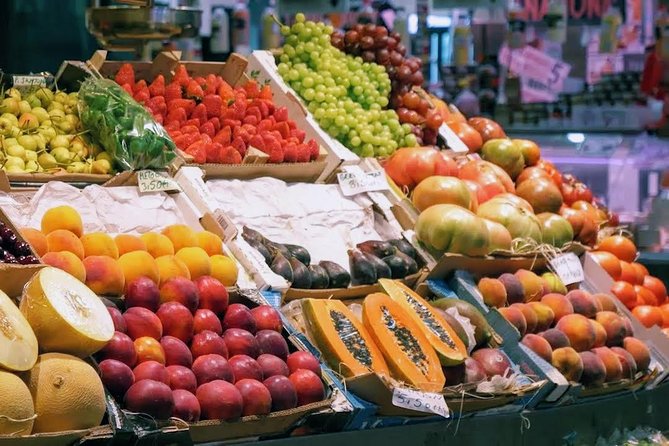
Near Iglesia de Santa María la Blanca, the tour visits a classic neighborhood bar known for home-style cooking. This stop takes about 40 minutes and is built around two substantial dishes: slow-cooked carrillada and spinach with chickpeas.
Carrillada is usually a tender, slow-braised pork or beef cheek dish. It is the sort of food that explains why Andalusian cooking can feel generous and comforting without being elaborate. Spinach with chickpeas offers a meat-free classic with earthy flavor and a softer texture.
This stop also brings in Seville’s football culture. The guide discusses the city’s oldest Betis supporters’ club, a local subject that may be more useful than another monument fact. Even if football is not your interest, it shows how neighborhood identity works in Seville.
The exact dishes can change with season and partner availability. That flexibility is worth remembering if you have a narrow diet. Vegetarian food may be available, as one guide successfully adapted a meal for a vegetarian participant, but you should notify the operator before the tour and confirm what can be served.
Santa Cruz, family cooking, and a sweet finish
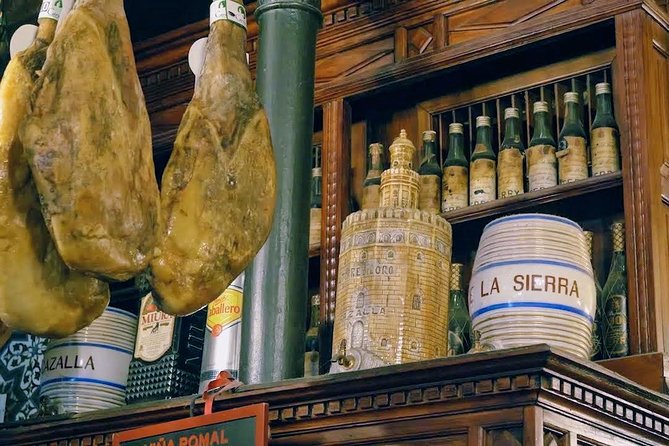
The final stop takes about an hour in Barrio Santa Cruz, the old Jewish quarter. You finish at a family-owned tavern in a traditional Sevillian house with an interior patio.
This is the most substantial stop and often the one that feels most like dinner. Dishes may include albóndigas, or meatballs, followed by pestiños, a local sweet, and a glass of Pedro Ximénez. The PX is a rich, sweet wine that works well with dessert and gives the final tasting a clear finish.
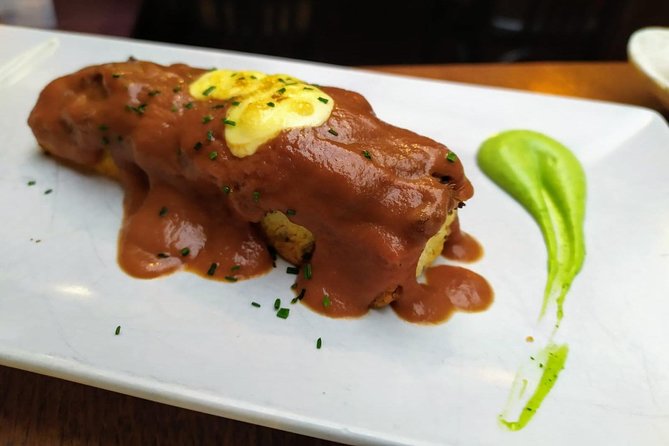
The tour’s food selection can also include pringá sandwiches, marinated cazón fish, Spanish omelet with whisky sauce, salchichón, regional cheese from Ronda, red tuna with almonds, and other cold cuts. You will not necessarily receive every item on every departure, since the menu changes with season and partner availability.
This range is useful because it shows several sides of Sevillian eating: pork, fish, eggs, legumes, cured meats, cheese, sweets, and fortified wine. It is less useful if you want a tightly controlled tasting menu with exact portions and polished presentation.
You finish on Calle Santa María la Blanca, in a part of town that is well placed for continuing your evening. The tour does not include flamenco tickets, but one guide who also works as a flamenco specialist offered a recommendation for an off-the-beaten-track venue after the food walk. Ask your guide for current suggestions, but do not treat a show as part of the package.
How much food and wine do you receive?
The operator says the food is enough for lunch or dinner, and the package includes four wines, with beer or soft drinks as alternatives. The stated tour length is about three hours and 30 minutes.
In practical terms, this is a progressive meal rather than four full restaurant courses. You eat at several locations, with dishes arriving in small or shared portions. Some people find the evening filling. Others may want larger servings, especially if they are accustomed to full-size restaurant plates.
The drinks are part of the value, but one critical account found the pours small and the food too salty or greasy. That is a fair warning. Most of the menu is traditional bar food, and traditional does not always mean light, refined, or universally appealing.
At $83.44 per person, the price is reasonable if you value the guide, four stops, food replacing a dinner, four wines, and the practical dining guide included afterward. It is less compelling if you mainly want the cheapest tapas meal in Seville or prefer to choose every dish yourself.
You are also paying for access to places you might not find easily on your own, plus the time saved from guessing which bar to enter. The small group and guide commentary add real value, especially on your first evening.
Who should book this food tour?
I would choose this tour for a first or second night in Seville. You get food, neighborhood orientation, restaurant ideas, and a basic education in local drinks all at once. Several guides have also followed up with lists of the bars, dishes, and beverages sampled, which makes the experience more useful during the rest of your stay.
It suits couples, solo visitors, friends, and small families who like meeting people from different places. The maximum group size of 12 is large enough for conversation but small enough for a guide to keep an eye on the whole group.
You should think twice if you have celiac disease, since the operator warns about gluten cross-contamination. The tour is also not recommended for vegans. Vegetarians may be accommodated, but tell the operator ahead of time and understand that the menu is built around traditional Andalusian dishes, many of which include meat, fish, eggs, or dairy.
This is not a museum tour with food added on. It is a walking meal with history and culture woven between stops. If you want a polished restaurant crawl or exact dishes guaranteed in advance, you may find the format too loose.
My booking verdict for Seville Food Sherpas
I would book this tour if you want a social, food-centered introduction to Seville and you are comfortable with traditional bar food. The combination of four drinks, several substantial tastings, old neighborhoods, and a capable local guide offers good value at $83.44.
Book early if your schedule is fixed, since the experience is often reserved well ahead of time. Confirm dietary needs before paying, arrive ready to walk, and keep your expectations realistic about portion size and menu changes.
The strongest reason to choose it is the guide. With someone like Alejandro, Pilar, Ella, Jeff, Sasha, Dorota, Ferran, or Stephanie leading the group, the food becomes a doorway into Seville’s customs, football loyalties, flamenco traditions, and everyday life. The weakest reason is food alone. You can find cheaper tapas, and you may prefer some bars to the selected stops.
For most first-time visitors, the mix is worth it. You leave with a full evening behind you, a better sense of where you are, and a list of places to try next.
FAQ
How long does the Seville food tour last?
The tour lasts approximately three hours and 30 minutes.
Where does the tour begin?
It begins at the white eighteenth-century public fountain in Plaza de la Encarnación, beside Metropol Parasol, also known as Setas de Sevilla.
Where does the tour end?
The tour ends on Calle Santa María la Blanca in Seville’s Casco Antiguo.
How many people can join the tour?
The maximum group size is 12 travelers.
Are food and drinks included?
Yes. Food tastings are included and are intended to provide enough for lunch or dinner. Four wines are included, with beer or soft drinks available as alternatives.
Is the tour suitable for people with celiac disease or vegan diets?
The tour is not recommended for people with celiac disease because of the risk of gluten cross-contamination. It is also not recommended for vegans. You should provide information about any dietary restrictions when booking.
Can I cancel for a full refund?
Yes. You can cancel at least 24 hours before the experience starts for a full refund. Cancellations or changes made less than 24 hours before the start time are not refunded.
Freshly poured around Spain
- Picasso Museum and Walking Tour Plus Wine Tasting Upgrade★ 4.3 · 111 reviews
- Personalised Traditional Madrid Night Tapas and Drinks Tour★ 5.0 · 95 reviews
- Penedès: Discovery Tour with Cava Tasting★ 4.6 · 76 reviews
- Ibiza: Secret Coves Guided Boat Tour with Open Bar and Tapas★ 4.7 · 70 reviews
- Palamós: Sunset Boat Tour with Glass of Cava★ 4.2 · 74 reviews
- Barcelona: Montserrat Tour with Lunch & Wine Tasting Option★ 4.6 · 286 reviews
- Barcelona: Montserrat with Winery Visit and Farmhouse Lunch★ 4.7 · 178 reviews
- Manilva: Nilva Vineyard, Wine Tasting & Tapas Guided Tour★ 4.9 · 156 reviews
Seville Drinks Tours, side by side.

Lists this tasting sits in