
Review · FRANCE
Beaune: Wine Tasting at Château de Pommard
Château de Pommard offers a compact introduction to Burgundy wine, with four tastings tied to the estate’s Clos Marey-Monge vineyard. The useful part is not just the wine in your glass, but the explanation of how soil, climate, vineyard classification, and place affect flavor and aging. The session also gives you access to the French Gardens, where the château setting adds real atmosphere.
I like the small groups of up to eight and the friendly, well-prepared guides. Alex, Manon, and Pierre are among the guides praised for clear explanations and patient answers. I also like the easy one-hour format and the reasonable $35 price, especially if you want a focused Burgundy introduction rather than a long winery visit.
The main drawback is important: the cellars and winery cannot be visited during renovation. You will spend the tasting in a room and see the vineyard and grounds, but this is not currently a full behind-the-scenes production tour.
Key points to know before you book
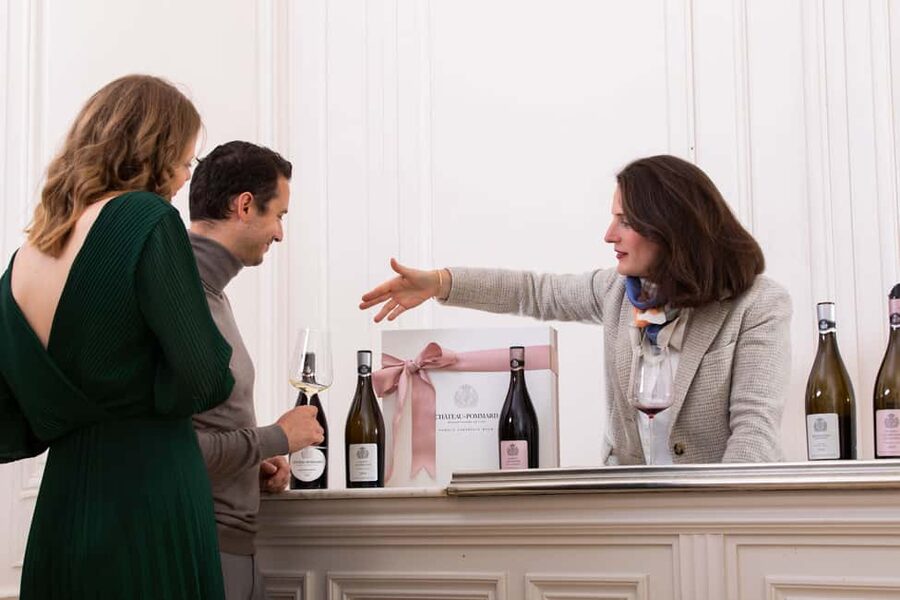
- Four Burgundy wines: Taste selections from Château de Pommard and Famille Carabello-Baum.
- Clos Marey-Monge focus: Learn how the estate’s soils and other natural conditions shape the wine.
- Burgundy basics included: The session covers the region’s history, five subregions, and classification system.
- Small, conversational groups: The maximum is eight participants, with English and French instruction.
- French Gardens included: You can explore the gardens without paying extra.
- Cellars closed for renovation: Choose this for wine education and tasting, not for a winery-floor visit.
What the one-hour Château de Pommard visit is really like
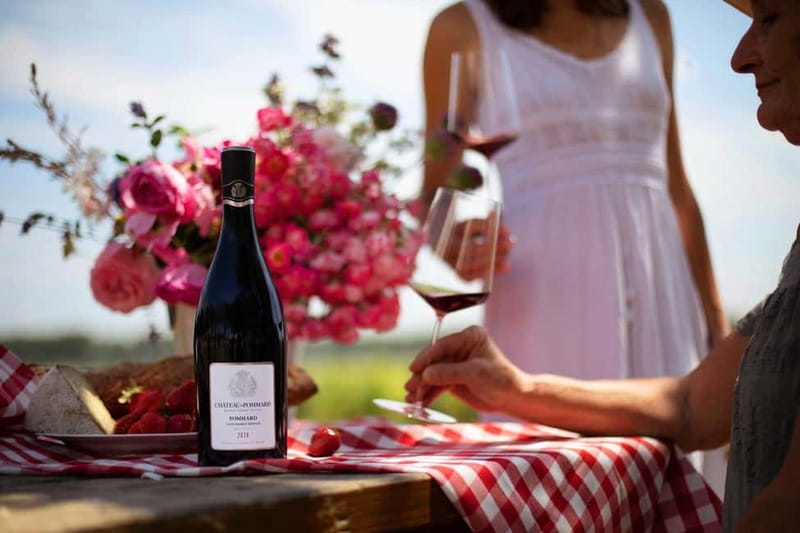
This experience is built around a seated wine tasting and an explanation of Burgundy’s system. In one hour, you taste four wines while your guide places them in context. That matters in Burgundy, where labels can seem dense and confusing even to people who already know a little about wine.
You will learn about the five subregions of Burgundy, the region’s classification levels, and the idea of terroir. Terroir is not just a fancy word for soil. In this setting, it refers to the natural conditions that help shape a wine’s taste, style, and ability to age. The session connects those broad regional ideas to the Clos Marey-Monge vineyard.
The exact presentation can vary with the guide and group. That is one reason the small size helps. With only eight people, you have a fair chance to ask about a grape, a soil type, or a wine style without turning the lesson into a crowded lecture.
You should expect an educational tasting rather than a long walk through the property. The experience lasts one hour, so the information is fairly concentrated. If you want a quick, structured introduction before exploring Beaune or nearby vineyards, the timing works well.
More Wine Tasting Tours in France
- Bordeaux: Cité du Vin Entry Ticket and Wine Tasting
★ 4.6 · 3,885 reviews - Montmartre Hill French Gourmet Food and Wine Tasting Walking Tour
★ 5.0 · 2,588 reviews - From Paris: Loire Valley Castles Day Trip With Wine Tasting
★ 4.6 · 1,727 reviews
Four wines that give the lesson some purpose
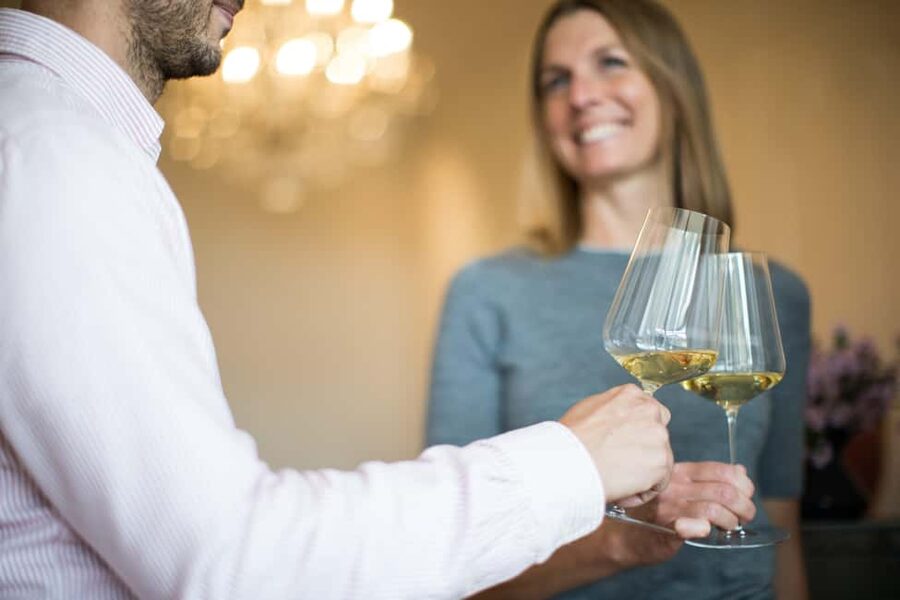
The tasting includes four wines from Château de Pommard and Famille Carabello-Baum. The value here is the comparison. Four glasses give you enough range to notice differences and ask why they exist, rather than simply sampling one house wine and leaving with no clear reference point.
Your guide explains how the wines relate to Burgundy’s place-based system. Classification is a key part of buying Burgundy, and learning the basics before you shop can help you read labels with more confidence. The session is especially useful if you plan to visit other domaines in the region or purchase a bottle during your stay.
Do not expect the tasting to tell you everything about Burgundy in one hour. The region has a complicated classification structure and many distinct vineyard areas. The useful goal is to leave with a working framework: Burgundy has several subregions, individual vineyard sites matter, and natural conditions help explain why wines from nearby places can taste different.
The guides seem to be strongest when answering questions. Pierre is noted for taking time with a quieter September group, while Alex is praised for clear explanations and a warm manner. Manon also received strong praise for introducing the wines. The experience will be best if you arrive ready to ask questions instead of simply waiting for four pours.
Clos Marey-Monge and the meaning of terroir
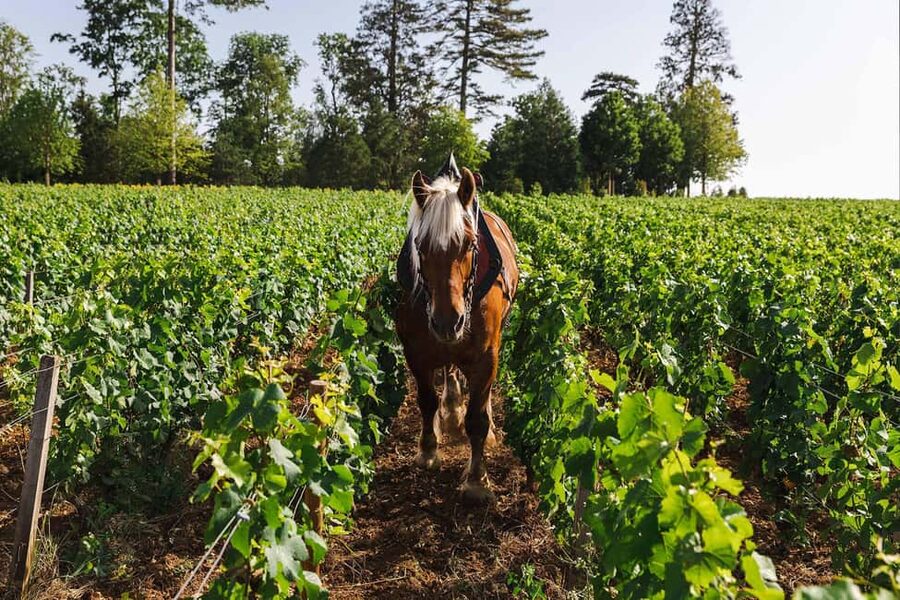
The estate’s Clos Marey-Monge vineyard is the central physical reference for the tasting. You learn about its natural factors and how they influence the taste, style, and ageability of the wines. That gives the session a specific focus, rather than treating Burgundy as one broad wine region.
Soils receive particular attention. One visitor found the different soil types interesting, while another felt the explanation could have gone into more detail and would have benefited from an outdoor discussion among the vines. That is a fair warning. The tasting introduces the subject, but it may not satisfy you if your main goal is a technical soil study.
If you have never visited Burgundy, this vineyard focus helps connect abstract terms to a real estate. You can see the vines and grounds, then return to the glass with a better sense of place. You will not get a full agricultural lesson, but you will understand why the same grape can produce different results in different sites.
The scenery is part of the appeal. Several guides have been praised for making the visit informative while still leaving room to enjoy the château and vineyard setting. The French Gardens add another pleasant stop, and one visitor specifically recommended looking for the horses after the tasting. The available information does not promise a formal horse visit, so treat that as an extra possibility rather than a planned part of the tour.
The château grounds and French Gardens
The French Gardens are included with the experience, and they help make the $35 fee feel more rounded. The tasting itself is the main event, but a garden stroll gives you time to look around after a concentrated hour of wine talk.
The grounds are well maintained, and the château setting gives the visit a sense of place that a tasting-room appointment alone would lack. You can also see the vineyard, which makes the connection between estate, vines, and bottle more concrete.
Do not confuse garden access with a complete château tour. The experience does not promise an extended visit through the building, and one critical assessment specifically wanted more of the château, cellar, and winemaking areas. At present, you should plan on the gardens and vineyard being the main visual parts of the visit.
Comfort matters here. High heels are discouraged, so wear shoes that handle outdoor ground comfortably. The site is not suitable for wheelchair users, which is an important limitation to check before booking.
Same town, a different pour:
- Paris: Moulin Rouge Cabaret Show Ticket with Champagne
★ 4.7 · 16,088 reviews - Loire Valley Castles Day Trip from Paris with Complementary Wine
★ 4.5 · 3,907 reviews - Bordeaux: River Garonne Cruise with Glass of Wine and Canelé
★ 4.5 · 3,630 reviews - Normandy D-Day Small-Group Day Trip with Omaha Beach, Cemetery & Cider Tasting
★ 5.0 · 2,786 reviews
What the renovation changes
Château de Pommard is working on a major restoration and expansion project. The estate is nearly three centuries old, but the cellars are currently closed while the work continues.
This changes the character of the experience. You cannot visit the cellar or winery, and you should not book expecting to watch winemaking, inspect aging barrels, or walk through production rooms. The activity remains focused on wine education, tasting, the vineyard, and the grounds.
For some people, this will be a deal breaker. A winery visit usually feels most complete when you can follow the wine from vines to cellar to glass. If that chain is central to your interest, wait until cellar visits resume or choose another estate that offers them now.
For others, the closure may not matter much. If you mainly want a clear Burgundy primer and four wines in a handsome setting, the tasting still delivers the key elements. The staff have kept the educational portion in place, and the short format makes it easy to fit into a day in Beaune.
Guides who shape the experience
The guide makes a noticeable difference in a one-hour tasting. There is not much time to recover from a rushed or vague presentation, so the personal touch matters.
Alex has been praised for being friendly, informative, and patient, including with two dogs brought along by a couple. Pierre took extra time with questions during a quiet September visit. Manon was also singled out for a strong introduction to the wines. These details suggest that the staff can adjust their pace when the group is small.
The official languages are English and French. If you need a particular language, check the available option when you reserve. The maximum group size is eight, which is small enough for direct contact but does not guarantee a private tasting.
The setting can also affect the mood. September may be quieter than the height of summer, and a small group can make the session feel almost private. In busier periods, you should still have a personal-scale format, but the amount of time for individual questions may vary.
Is $35 good value for one hour?
At $35 per person, this is a fair price for four wines, a guided lesson, and access to the French Gardens. The value is strongest for someone who wants context. You are paying for a structured introduction to Burgundy, not simply for four pours.
The price is less compelling if you measure value by the amount of property you can enter. The cellars and winery are closed, and the château itself is not presented as a full tour stop. You will see the vineyard and gardens, but the tasting room carries much of the experience.
I would compare the fee with the cost of buying four individual tastings elsewhere, then add the value of a guide who explains classifications and terroir. For a first visit to Burgundy, that combination is useful. For an experienced wine buyer seeking rare bottles or detailed production access, the experience may feel basic.
The one-hour duration is a practical strength. You can place it between other Beaune plans without giving up half a day. It also limits the risk of committing to a long event that turns out not to match your interests.
Who should book this tasting?
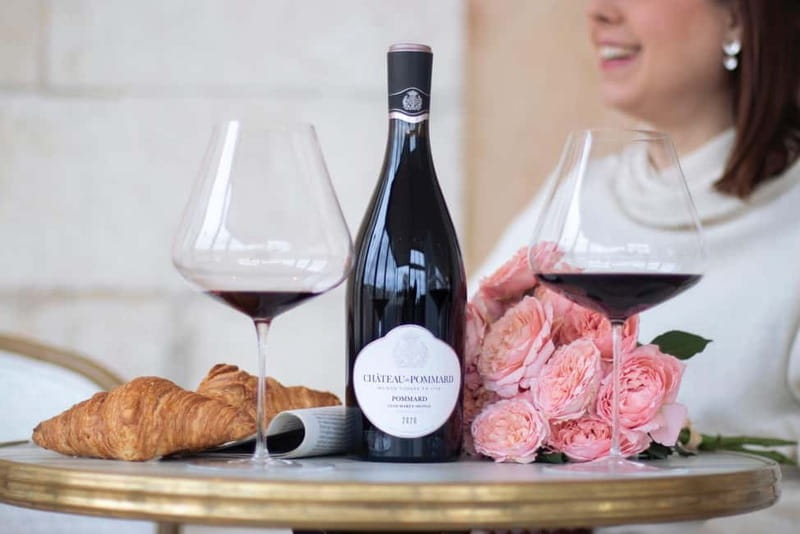
I would recommend it to first-time Burgundy visitors, casual wine drinkers, couples, and anyone who wants a manageable introduction before visiting other vineyards. It also suits people who enjoy asking questions and want a guide to explain what is in the glass.
It is a good choice if you appreciate gardens and scenery as part of a wine stop. The château and vineyard provide more character than a plain urban tasting room, while the small group keeps the session personal.
Families should check the booking conditions and group setup carefully, but dogs have accompanied participants, and at least one guide handled that situation kindly. The supplied information does not establish a general pet policy, so you should confirm before arriving with an animal.
I would not choose it as your only winery experience if cellar access is essential. It is also not suitable for wheelchair users, and high heels are a poor match for the grounds.
Booking advice for a better visit
Reserve this when the one-hour schedule fits your day and you want a focused lesson. The meeting point can vary by the option booked, so check your confirmation rather than assuming every departure begins in the same place.
Wear comfortable shoes. That simple choice matters more than dressing up for the château, since the visit includes outdoor ground and the property advises against high heels.
You can cancel up to 24 hours in advance for a full refund, and the reserve-now, pay-later option keeps your plans flexible. Starting times depend on availability, so check the schedule before building the rest of your Beaune day around it.
Finally, arrive with one or two questions in mind. Ask about the difference between the wines, the vineyard’s soil, or how classification affects a label. The guides appear to be at their best when the tasting becomes a conversation.
Should you book Château de Pommard?
Book it if you want four Burgundy wines, a clear explanation of terroir and classification, and a pleasant château setting in just one hour. The small group, strong guides, French Gardens, and $35 price make it a sensible first step into Burgundy wine.
Skip it for now if your priority is cellar access, a full château tour, or a detailed look at winemaking. The renovation limits what you can see. For everyone else, this is a friendly, efficient way to turn a tasting into a useful lesson about Burgundy rather than a quick succession of glasses.
FAQ
How long does the Château de Pommard wine tasting last?
The experience lasts one hour. Check availability for the specific starting times.
How many wines are included?
You taste four wines from Château de Pommard and Famille Carabello-Baum.
What will I learn during the tasting?
The session covers the history of Burgundy, its five subregions, Burgundy’s classification system, and the natural factors that shape the taste, style, and ageability of wines from Clos Marey-Monge.
Can I visit the Château de Pommard cellars?
No. The cellars and winery cannot currently be visited because of renovation work.
Are the French Gardens included?
Yes. Access to the French Gardens is included with the wine tasting.
What languages are available?
The activity is offered in English and French.
How large is the group?
The group is limited to eight participants.
Is the activity suitable for wheelchair users?
No. The experience is not suitable for wheelchair users.
Can I cancel my booking?
Yes. You can cancel up to 24 hours in advance for a full refund. You can also reserve now and pay later.
Freshly poured around France
- Pont-l’Évêque: DISTILLERIE PERE MAGLOIRE Entry with Tastings★ 4.5 · 72 reviews
- Montpellier: Pic Saint-Loup Wine Tour★ 4.9 · 290 reviews
- Passy-Grigny: Chocolate and Champagne Tasting Tour★ 4.8 · 284 reviews
- Paris: Tasting of 3 Wine and 3 Cheese★ 5.0 · 74 reviews
- Paris: Wine and Cheese Tasting★ 4.6 · 91 reviews
- Paris: Wine Tasting Experience with 6 Wines and Cheese Board★ 4.9 · 80 reviews
- Paris : Scenic Cruise on the Seine River with Champagne★ 4.0 · 81 reviews
- Paris: Moulin Rouge Dinner Show, Champagne, and Transport★ 4.6 · 368 reviews
Wine Tasting Tours, side by side.
From Porto: Douro Valley w/ Boat Tour, Wine Tasting & Lunch
Read our review →
Complete Douro Valley Wine Tour with Lunch, Wine Tastings and River Cruise
Read our review →
Florence: Chianti Wineries Tour with Wine Tasting
Read our review →
From Split: Krka Waterfalls, Food & Wine Tasting Tour
Read our review →
Small-Group Wine Tasting Experience in the Tuscan Countryside
Read our review →
Montserrat & Cogwheel Train, Gourmet Wine Tasting & Tapas/Lunch
Read our review →
Rome: Tuscany & Montepulciano Day Trip with Lunch & Wine Tasting
Read our review →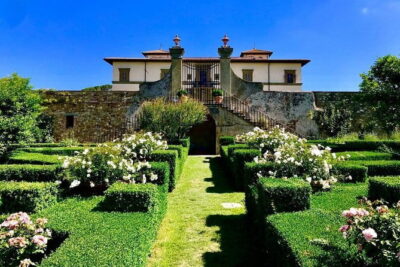
SMALL-GROUP Wine Safaris: Tuscan Wine Tasting Tours from Florence
Read our review →Lists this tasting sits in