
Review · ROME
Fettuccine & Tiramisù: Cooking Class with Wine & Limoncello
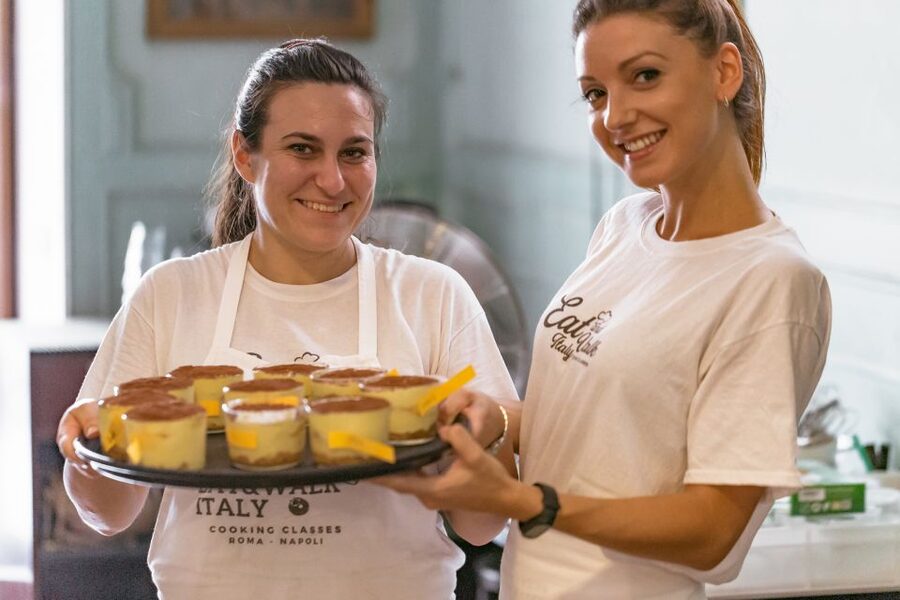
Fresh pasta is one of Rome’s simplest pleasures, and this class lets you see why. You make fettuccine from scratch, prepare tiramisu, choose your sauce, then sit down to eat the meal you helped create. I like the clear, hands-on format and the chance to learn in a real restaurant near central Rome rather than watch a distant chef perform.
I also like the social side: you share a table with food lovers from several countries, and the English-speaking chefs, including Lori, Tommy, Mimi, Maria, and Carlotta, keep the mood light. The main consideration is pace. Some classes feel fast, and parts of the sauces or preparation may be done for you, so this is a lively introduction rather than a slow, serious culinary course.
The essentials at a glance
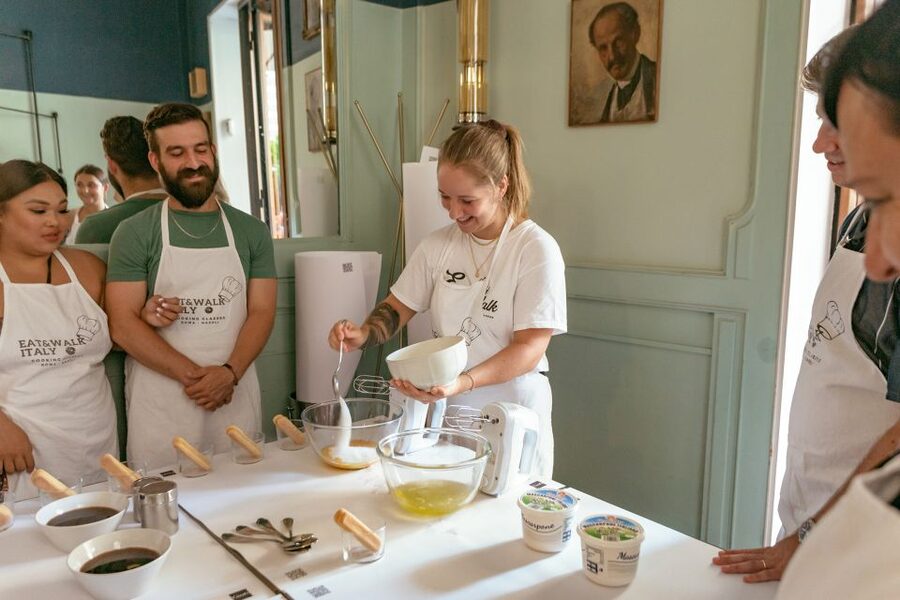
- Two Roman favorites: Make tiramisu first, then fresh fettuccine, with guidance at each step.
- Three sauce choices: Finish your pasta with tomato and basil, amatriciana, or cacio e pepe.
- A meal included: Eat your homemade pasta and dessert with wine or a non-alcoholic drink.
- A friendly English-speaking chef: Instructors have included Lori, Tommy, Mimi, Mattia, Furio, Kiki, and Carlotta.
- Good value at $66: The three-hour session includes instruction, food, wine, limoncello or coffee, and water.
- Useful for mixed skill levels: Beginners, teens, couples, and solo participants can all take part.
Making tiramisu before the pasta
The class begins at Gusto Restaurant, at Via Giuseppe Zanardelli 14. You should arrive about 10 minutes early, since the chef needs to gather the group and start the lesson on time. The setting is a restaurant in the heart of Rome, which gives the activity a more natural feel than a classroom kitchen.
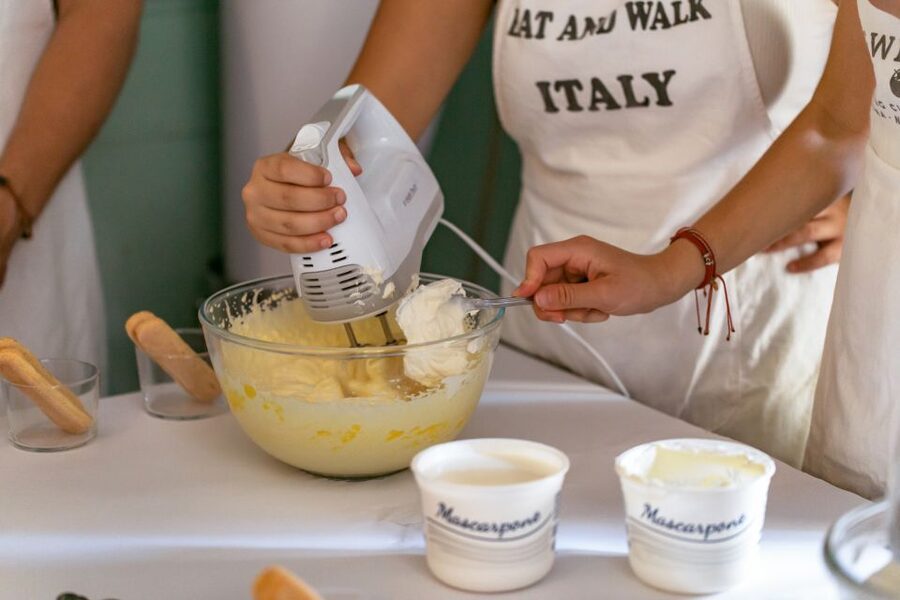
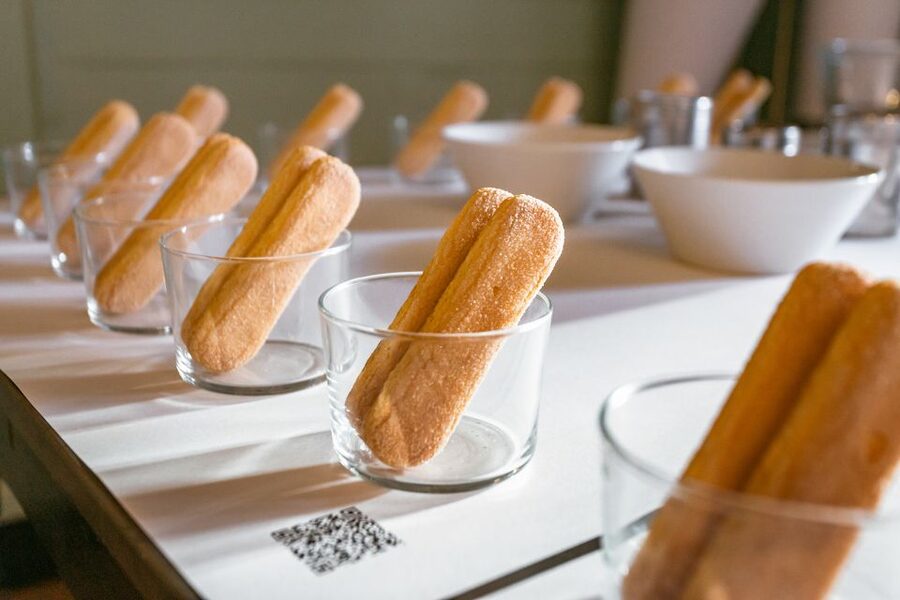
Tiramisu comes first. That order makes practical sense: your dessert needs time in the refrigerator before you eat it. You work with straightforward, fresh ingredients and follow the chef step by step. You do not need advanced cooking skills. The instructors are used to bringing beginners into the process, and the best part is that the class is designed so you can actually do the work rather than simply watch.
I would pay close attention during this part, especially to texture and assembly. Tiramisu is not a complicated dessert, but small details affect the result. The chef’s demonstrations and corrections are where much of the value lies. Several instructors, including Mimi, Kiki, Maria, and Lori, have been praised for giving everyone at the table attention and encouragement.
Once the tiramisu is ready, it goes into the fridge. That pause gives the group a natural change of pace and leads into the pasta lesson.
More Liqueur Tastings in Rome:
- Rome: Pasta Making Class with Wine, Limoncello, and Dessert
★ 4.9 · 3,177 reviews - Learn to Make Pasta & Tiramisu with Wine and Limoncello Included
★ 5.0 · 2,345 reviews - Sorrento Farm and Food Experience including Olive Oil, Limoncello, Wine tasting
★ 5.0 · 2,524 reviews
Rolling and shaping fresh fettuccine
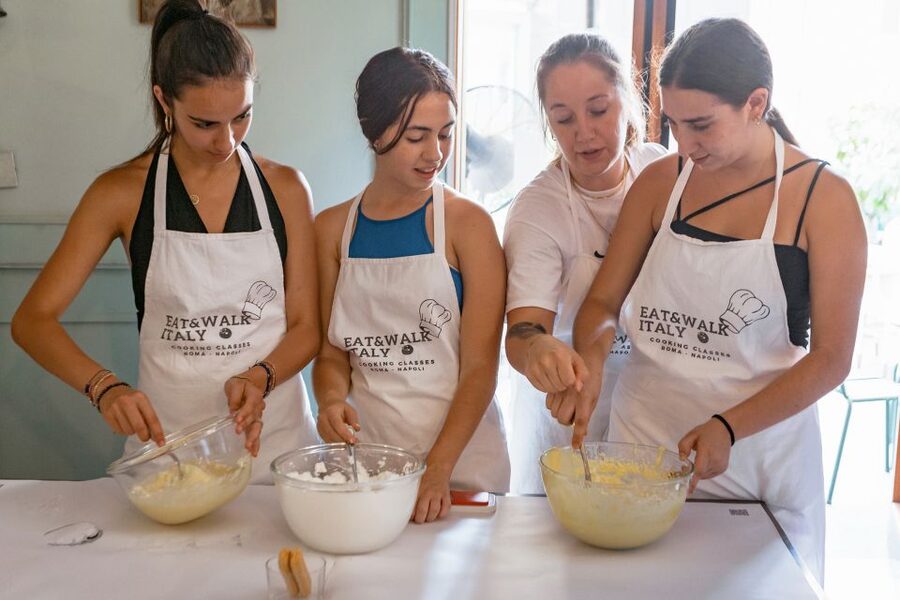
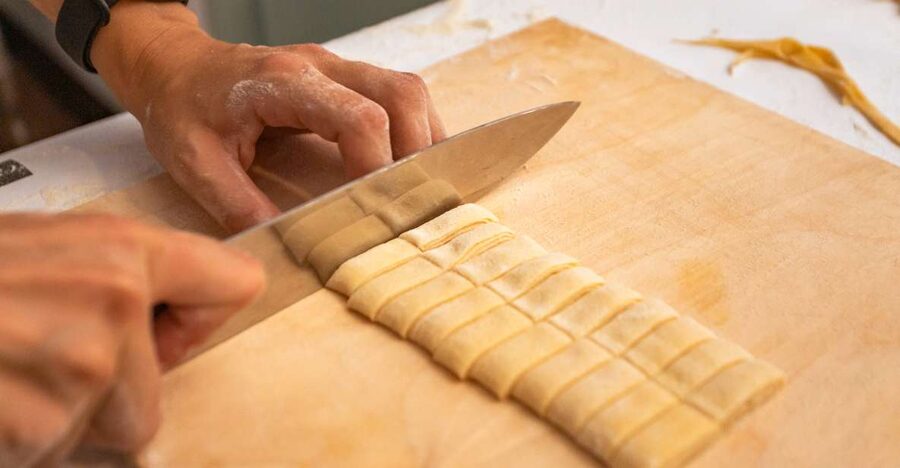
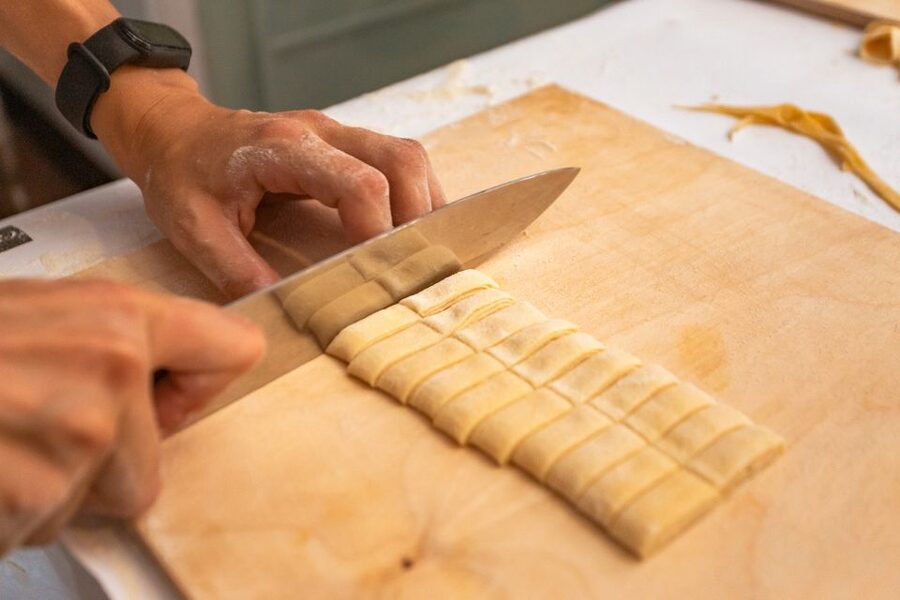
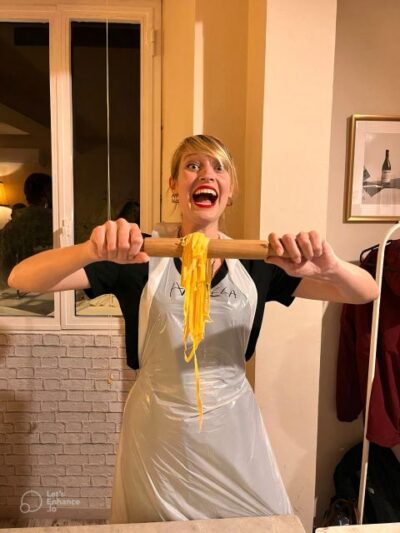
Next comes the main event: fresh egg pasta made from scratch. You work with the dough, learn the basic method, and then shape it into the long ribbons associated with fettuccine. The chef demonstrates the technique, and you repeat it with help nearby.
This is a good class for anyone who has wondered why fresh pasta feels different from dried pasta. You can see the dough change under your hands, and you learn how a few basic ingredients become something ready for the pot. The lesson also includes shaping other pasta forms in some sessions. A few participants have made ravioli as well as fettuccine, though the advertised focus is fettuccine and tiramisu, so you should not book expecting a full ravioli workshop every time.
The instructors’ teaching style is a major part of the experience. Tommy has been described as funny and easy to follow. Mattia brings energy and entertainment, while Furio is known for explaining the work with patience and humor. Carlotta, Maria, Mimi, and Lori have also led sessions praised for clear instructions and steady help.
The class is interactive, but it is still a group activity. If another participant wants to volunteer for every demonstration, you may occasionally need to wait your turn. That is normal in a shared cooking lesson, though it can make the pace feel uneven. A smaller session can be more comfortable, and one class had only five people, making it easier to ask questions and connect with the chef.
Choosing your sauce in Rome
Once the fettuccine is ready, you choose one of three sauces:
- Tomato and basil, the lightest and most familiar option
- Amatriciana, a bolder Roman-style sauce
- Cacio e pepe, a simple cheese and pepper preparation
This choice gives the meal a little personality. If you want a classic Roman flavor, cacio e pepe or amatriciana is the natural direction. If you prefer something familiar and less rich, tomato and basil is the safer pick.
The class information says you choose your sauce, but the chef may handle part of the final preparation. One useful point to keep in mind is that the sauce lesson may not be as hands-on as the pasta and tiramisu work. Some participants wanted to see more of the sauce preparation. I would ask questions while the chef is working, especially if you want to recreate the meal at home.
Then the pasta is cooked and served. Eating it immediately matters. Fresh pasta has a different character when it goes from the worktable to the plate, and the meal gives the class a satisfying finish instead of leaving you with a recipe and no chance to taste the result.
Sitting down to eat what you made
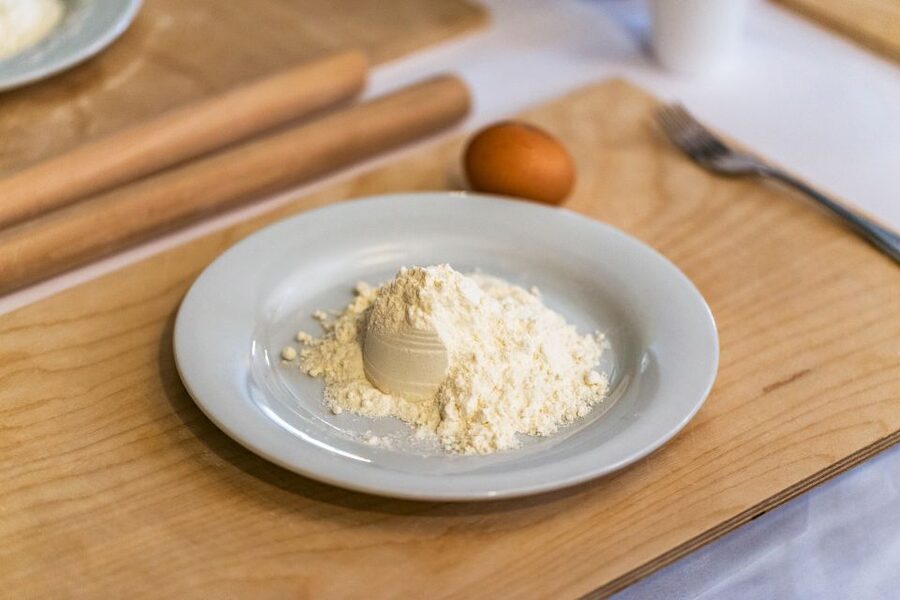
After the cooking, you take a seat and eat the fettuccine with your selected sauce. Tiramisu follows, along with a glass of Italian wine or a non-alcoholic drink. Water is included, and the final drink is either limoncello or coffee.
The meal is not an extra add-on. It is part of the experience, and that makes the $66 price easier to judge. You are paying for three hours of instruction, ingredients, a substantial pasta meal, dessert, wine or a soft drink, water, and limoncello or coffee. A standard meal in Rome can take a good part of that price by itself, especially in a central restaurant, so the class offers fair value if you want both food and an activity.
The shared table also helps the evening feel social. You can trade cooking tips, compare pasta shapes, and talk with people from other countries. Solo participants have a built-in group, while couples and families get a break from sightseeing and a meal that feels more personal than simply ordering from a menu.
The food is the strongest reward. You may not produce restaurant-perfect pasta on your first try, but the class is set up to make the result satisfying. Several families found that their teenagers enjoyed the process, and some younger cooks wanted to take another class afterward. That makes this a useful choice when you need an activity that holds the attention of older children and teens.
More Cooking Classes in Rome:
- Rome Cooking Class: Make Pasta and 3 Spritz Cocktails
★ 5.0 · 2,937 reviews - Pasta Cooking Class Near the Colosseum with 3 Spritz Cocktails
★ 5.0 · 1,686 reviews - Rome Tipsy Cooking Class: Make Pasta and Mix 3 Spritz Cocktails
★ 5.0 · 1,357 reviews - Pasta Making & Wine Tasting with Dinner in Frascati from Rome
★ 5.0 · 1,326 reviews
What the $66 price really includes
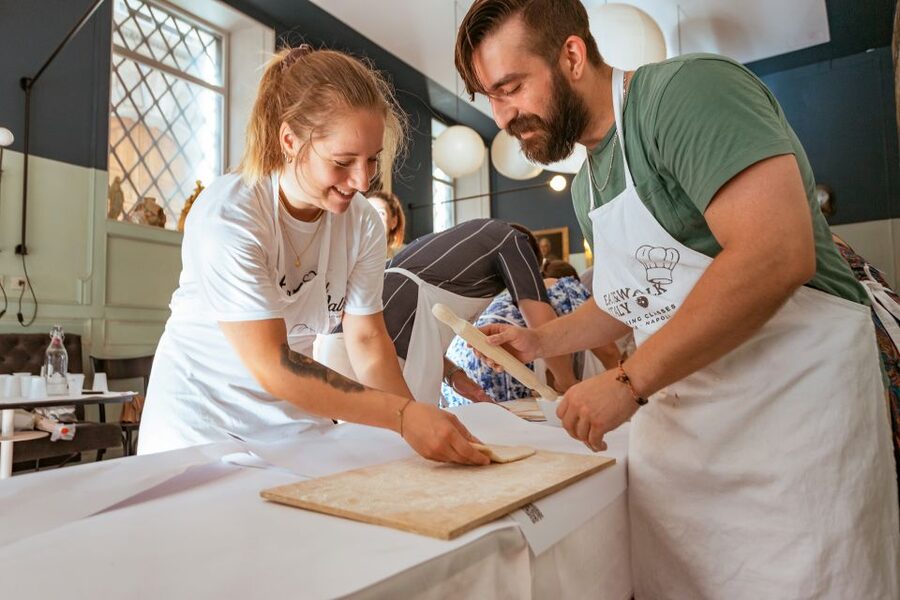
At $66 per person, this is not the cheapest way to eat pasta in Rome. It is also not just dinner. The price covers:
- An English-speaking instructor
- The three-hour cooking class
- Fettuccine with one of three sauces
- Tiramisu made during the class
- A glass of wine or a non-alcoholic drink
- A glass of limoncello or coffee
- Water
I see the value in the combination. You get instruction, a meal, dessert, drinks, and a social activity in one booking. It is especially sensible if you already planned to spend an evening eating out and would like to replace a routine dinner with something you can remember and repeat at home.
The value is less clear if you want technical culinary training. The lesson is built for fun and access, not for a professional kitchen curriculum. The pace can be quick, and some ingredients or sauce work may be prepared ahead of time. You will learn useful basics, but you should not expect a long lesson on pasta flour, regional variations, knife technique, or sauce science.
Some participants have received recipes after class. I would ask about the recipe details on the day, since having the instructions at home makes the experience much more useful.
Who will enjoy this class most
I would recommend this class to first-time pasta makers, couples, solo visitors, and families with children over four. It works particularly well for teens. They can take part in visible, hands-on steps and then eat the result, which gives the activity a clear payoff.
It also suits people who want a break from monuments. Rome can fill a day with churches, ruins, museums, and long walks. A cooking class changes the rhythm and gives you a reason to sit down, talk, and use your hands.
You should be comfortable sharing the experience with other people. The group may be small and intimate, but the exact size can vary. The mood depends partly on your classmates. A loud or overly eager participant can interrupt the chef, although that is a general risk with any group class rather than a flaw in the food or venue.
The activity is not suitable for children under four, and pets are not allowed. The instruction is in English, so you should be able to follow spoken English during demonstrations.
Timing, meeting point, and planning tips
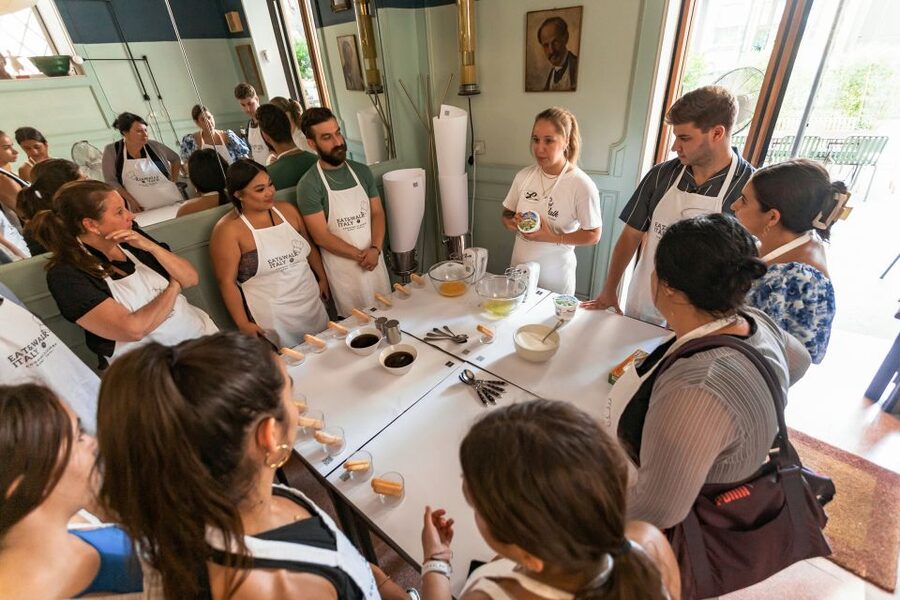
The class lasts three hours, with different starting times depending on availability. Plan to arrive 10 minutes before the start at Gusto Restaurant, Via Giuseppe Zanardelli 14. The central location makes it easy to pair with sightseeing in central Rome, but you should still allow enough time to reach the restaurant without rushing.
Wear something comfortable for sitting, mixing, shaping, and eating. The provided information does not specify an apron, so I would avoid clothing you would be upset to mark with flour or food. Come hungry enough for a full meal, but not so hungry that you cannot enjoy the teaching portion first.
If you have dietary concerns, ask before booking or as soon as you arrive. The class includes specific pasta sauces and tiramisu, but the available information does not spell out substitutions or allergy arrangements. Do not assume that every ingredient can be changed.
Cancellation is flexible: you can cancel up to 24 hours in advance for a full refund. You can also reserve and pay later, which helps if your Rome schedule is still shifting.
The chefs make the difference
The food is important, but the instructor sets the tone. This class has been led by several chefs, so the feel may change from one date to another.
Lori has been praised for clear English, warmth, and making teenagers feel involved. Mimi is known for energy and for giving equal attention to people around the table. Tommy brings humor and a relaxed teaching style, while Mattia has been described as entertaining and engaging.
Carlotta, also spelled Carlota in some names, has guided participants through both pasta and tiramisu with lively explanations. Maria has been valued for patience and encouragement. Furio has used humor to make the instructions easier to follow, and Kiki has helped shy participants feel comfortable joining in.
That range is good news for beginners. You do not need to arrive with confidence. The chef’s job is to keep the group moving, show the technique, and help when your dough or shaping does not look quite right.
My call: book it if you want food with a story
I would book this class if you want more than another restaurant meal and you like the idea of eating something you helped prepare. The combination of fresh fettuccine, homemade tiramisu, wine, and a central Rome setting gives you a lot for $66.
I would skip it if you want a quiet, highly technical lesson or complete control over every part of the cooking. The class can move quickly, and sauce preparation may be less hands-on than the pasta and dessert.
For most visitors, especially families with teens, couples, and solo food lovers, it is a smart three-hour use of time. Arrive ready to participate, ask about the sauces, and treat the meal as part of the lesson. You will leave with a better feel for fresh pasta, a tiramisu you made yourself, and recipes you may be able to repeat after Rome.
FAQ
Where does the cooking class meet?
Meet your chef at Gusto Restaurant, Via Giuseppe Zanardelli 14, in the heart of Rome.
How long does the experience last?
The class lasts three hours. Starting times vary, so check availability when booking.
What food will I make?
You will make fresh fettuccine and tiramisu. You can choose tomato and basil, amatriciana, or cacio e pepe for the pasta sauce.
Are drinks included?
Yes. The class includes a glass of wine or a non-alcoholic drink, water, and either a glass of limoncello or coffee.
Is the class taught in English?
Yes. The instructor teaches in English.
Can children join the class?
Children under four are not suitable for the activity. Older children and teenagers can take part, and the hands-on format is suitable for different levels of cooking experience.
More Workshops and Classes in Rome
- Barcelona Paella Cooking Class with Market Visit, Tapas & Sangria
★ 5.0 · 2,531 reviews - Sorrento: Pizza Lesson, Wine, and Limoncello at a Local Farm
★ 5.0 · 1,513 reviews - Spanish Cooking Class Paella Tapas and Sangria in Madrid
★ 5.0 · 1,340 reviews - Madrid: Paella and Sangria Workshop in the City Center
★ 4.9 · 1,264 reviews
Freshly poured around Rome
- Rome: Pompeii Tour with Wine and Lunch by High Speed Train★ 4.8 · 485 reviews
- Rome: Espresso, Gelato and Tiramisù Tasting Tour★ 4.9 · 74 reviews
- Rome: Pasta Making with Wine Tasting and Dinner in Frascati★ 4.9 · 979 reviews
- Rome: Pub Crawl & Ultimate Party Tour★ 4.4 · 713 reviews
- Rome: Forbidden History Walking Tour & Pub Crawl with Drinks★ 4.9 · 688 reviews
- Rome Bar Crawl: Interactive Night Tour with Games and Karaoke★ 5.0 · 769 reviews
- Rome: Trastevere Guided Food and Wine Tour with 20+ Tastings★ 4.9 · 1,022 reviews
- Trevi Fountain, Pantheon, and Campo Dei Fiori Market Food and Wine Tour★ 5.0 · 320 reviews
Limoncello & Liqueur Tastings, side by side.
Rome: Pasta Making Class with Wine, Limoncello, and Dessert
Read our review →
Sorrento Farm and Food Experience including Olive Oil, Limoncello, Wine tasting
Read our review →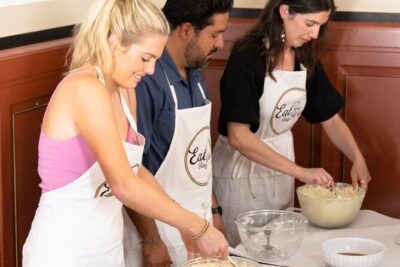
Learn to Make Pasta & Tiramisu with Wine and Limoncello Included
Read our review →
Sorrento: Coast and Capri Boat Trip with Limoncello Tasting
Read our review →
Sorrento: Pizza Lesson, Wine, and Limoncello at a Local Farm
Read our review →
Small Group Capri Island Boat Ride with Swimming and Limoncello
Read our review →
Pizza School with Wine and Limoncello Tasting in a Local Farm
Read our review →
Walking Food Tour in Sorrento w/ Limoncello Factory Lemon Grove
Read our review →Lists this tasting sits in