Review · WORLDWIDE
Beijing: Hidden Gems Guided Food Tour with Beer and Tastings
Beijing’s best food stories are often told in small restaurants down lanes you would never find alone. This evening walk takes you through the hutongs around Shichahai, stopping for mutton hotpot, made-from-scratch noodles, spring pancakes, and a rare Muslim dish once favored by Empress Dowager Cixi. The food is the main event, but the lanes give the meal its setting and meaning.
I especially like the rooftop hotpot stop, where a copper pot, thin-sliced meat, sesame dipping sauce, local craft beer, and a view toward the old bell tower turn dinner into a real Beijing evening. I also like the guides’ practical local touch. Janice, Tony, Winnie, Yoyo, Joe, and Haitao are among the guides praised for clear English, good food knowledge, and helpful advice beyond the tour.
The main drawback is the walking. You cover about 2.5 kilometers through narrow hutong lanes, with several stops and plenty of food in only three and a half hours. This is not a good choice for anyone with mobility difficulties, and you should arrive hungry.
Key points to know before booking
- Four local food stops: You get enough food for dinner, not just a few sample bites.
- A rooftop hotpot setting: Thin mutton and beef cook in a clear broth beside views of Beijing’s old bell tower.
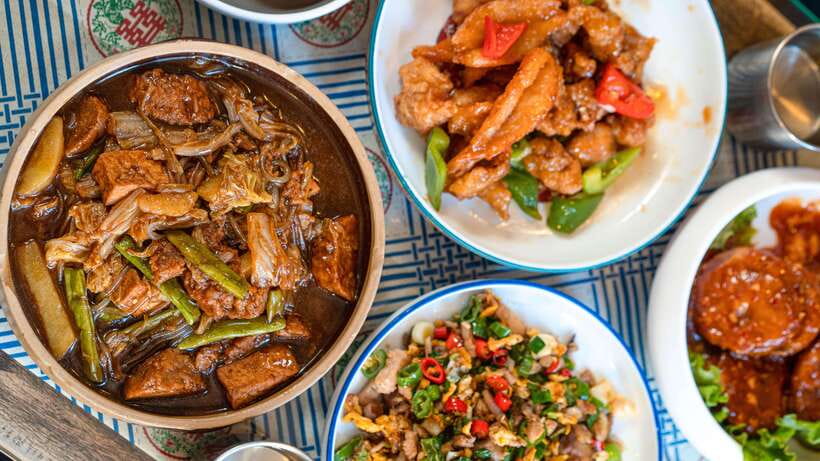
- A rare Muslim specialty: One stop focuses on an endangered Beijing dish associated with Empress Dowager Cixi.
- A proper hutong walk: You cover about 2.5 kilometers through old residential lanes near Shichahai.
- Beer and soft drinks included: The tour includes a pint of local craft beer, with unlimited beer and sodas listed as part of the experience.
- Strong guide-led storytelling: Guides such as Janice, Tony, Winnie, Yoyo, Joe, and Haitao add food, neighborhood, and cultural context.
Why this Beijing food tour works so well
I like food tours that use meals to explain a city rather than simply hopping from one restaurant to the next. This one has a clear sense of place. You meet at Shichahai Subway Station, then walk through old lanes where the food stops feel connected to the neighborhood around them.
The route covers roughly 1.5 miles, or 2.5 kilometers, and lasts about 3.5 hours. That gives you enough time to eat properly, ask questions, and hear about the hutongs without making the evening feel like a race.
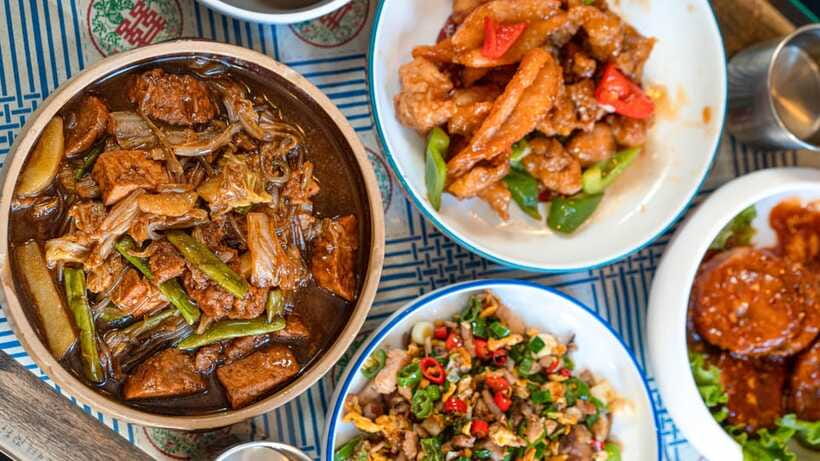
You are not just sampling one broad category of Beijing food. The menu moves across several traditions: copper-pot hotpot, Beijing-style noodles, a Muslim specialty, and spring pancakes. That variety is a major reason I consider the $75 price reasonable. You receive four food stops, an amount described as equivalent to dinner, a local guide, a pint of craft beer, and additional beer and sodas.
The tour begins at 6:30 PM, so it fits neatly into a first evening in Beijing. Starting near Shichahai also puts you in one of the city’s most atmospheric old districts after dark. Plan to arrive at Exit C ten minutes early. The meeting point is outside at street level, and traffic can be heavy around the area during rush hour.
More Food Tours in the world:
- From Split: Krka Waterfalls, Food & Wine Tasting Tour
★ 5.0 · 9,326 reviews - From Split: Krka Waterfalls, Food & Wine Tasting Tour
★ 4.9 · 6,598 reviews - Winner 2025 Undiscovered Lisbon Food & Wine Tour by Eating Europe
★ 5.0 · 6,390 reviews
Walking from Shichahai into old Beijing
Shichahai is a useful starting point because it gives you an immediate shift from modern Beijing to its older residential lanes. After meeting your English-speaking guide, you walk into the hutongs, the narrow passages formed between traditional courtyard homes.
These lanes date back to the 12th century. They spread out from the area around the Forbidden City and once served homes built for officials and wealthy families. Your guide explains where the word hutong comes from and how these districts have changed over time.
The value here is not simply architectural. Hutongs show you how Beijing’s older neighborhoods function at street level. You pass through lanes that still connect homes, small eateries, and local businesses. The experience is more personal than viewing old buildings from behind a museum entrance.
The walk also gives the food stops a sense of context. Instead of being delivered to a large dining room designed for visitors, you find restaurants tucked into ordinary neighborhood surroundings. Several people who have taken this tour specifically appreciated being brought to places they could not have selected on their own.
I would wear comfortable shoes and dress for the weather. The tour operates in all conditions, and the route is outdoors between restaurants. The company lists the experience as unsuitable for people with mobility impairments, so take that warning seriously.
Copper-pot hotpot with beer and a bell tower view
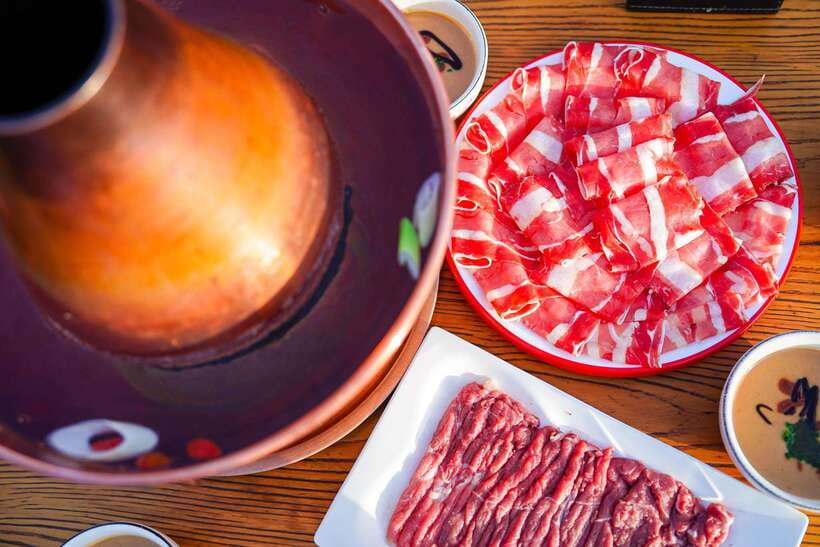
One of the evening’s most appealing stops is a rooftop restaurant serving Beijing-style mutton hotpot. The setting gives you views toward the city’s historic bell tower, adding a memorable visual note to what could otherwise be a standard meal.
The hotpot uses traditional copper vessels and a clear broth. That matters because the broth does not overpower the meat. Thin slices of mutton and beef cook quickly in the simmering pot, then go into a sauce based on sesame paste.
This is a useful introduction to the Beijing hotpot style. You get to see how the ingredients are cooked and how the dipping sauce changes the flavor. The clear broth keeps the focus on the quality of the meat, while the sesame sauce provides the heavier, nutty finish.
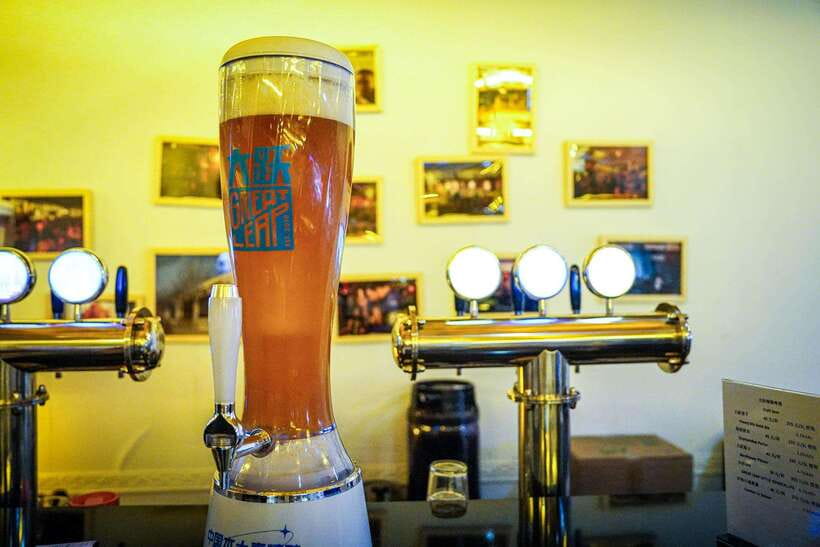
A pint of locally brewed craft beer is included. The pairing makes sense: the beer gives you a cool, crisp break from the hot broth and sesame sauce. Beer and sodas are also listed as unlimited during the tour, though the exact drinks and serving arrangements can depend on the evening’s restaurant operations.
The rooftop setting is a highlight, but it may not be the same in every season or on every night. The tour notes that its stops can change based on vendor availability. That flexibility protects the overall experience, but it means you should think of the hotpot location and view as planned elements that may be adjusted rather than fixed guarantees.
Beijing noodles in a small hutong restaurant
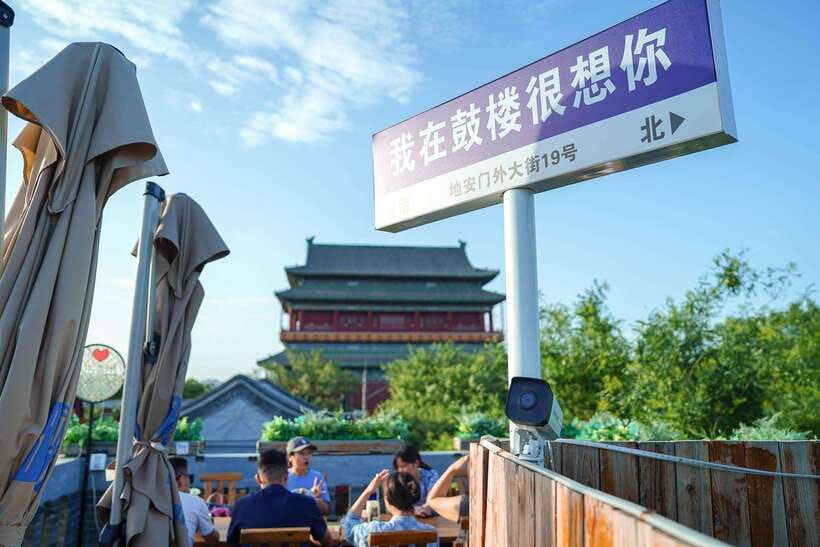
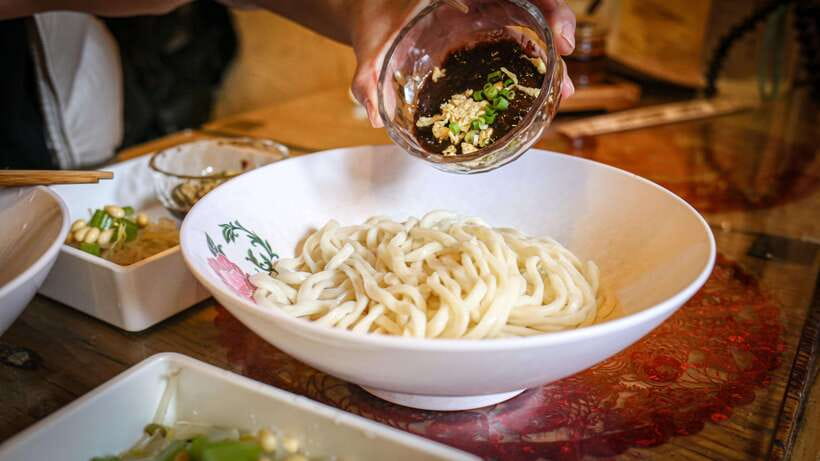
For many locals, the phrase Beijing noodles points to one particular style rather than noodles in general. The tour takes you to a small restaurant deep inside a hutong courtyard to try a made-from-scratch recipe.
The appeal here is the contrast with the hotpot. Instead of a shared pot and a long meal, you get a focused bowl built around noodles and the restaurant’s own method. The exact recipe is presented as a secret, which gives the stop a little theater without turning it into a staged attraction.
Several accounts of the experience singled out the noodles as one of the strongest dishes of the evening. That makes sense for a food tour: a simple local staple can tell you more about everyday eating than an elaborate banquet dish.
The restaurant is described as a hole-in-the-wall noodle joint. That means you should expect a small, informal setting rather than polished dining-room service. For me, that is part of the value. You are seeing the kind of place that is easy to miss when you are relying on hotel recommendations or restaurant apps in an unfamiliar city.
Your guide can also help explain how the dish fits into Beijing food culture. Guides such as Winnie, Joe, Yoyo, Janice, and Haitao have been praised for adding background about ingredients, customs, and the neighborhoods between stops. That explanation is especially useful when a familiar-looking bowl tastes quite different from what you expect.
More Guided Tastings in the world:
- Bruges: Guided Tour & Boat Ride with Optional Beer Tasting
★ 4.4 · 3,894 reviews - Amsterdam Evening Canal Cruise with Live Guide and Onboard Bar
★ 4.5 · 3,619 reviews - Dublin Irish Whiskey Museum and Gallery Guided Tour with Tasting
★ 5.0 · 3,078 reviews - Dublin Jameson Distillery and Guinness Storehouse Guided Tour
★ 4.5 · 2,608 reviews
A rare Muslim dish with an imperial connection
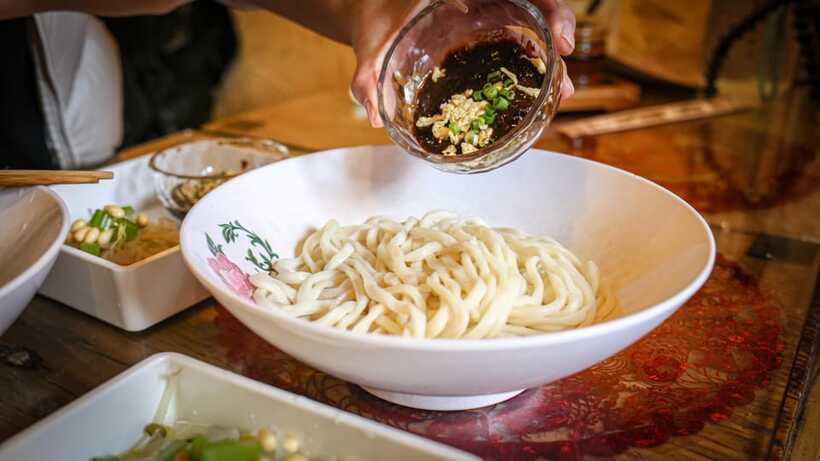
The most unusual stop is a small Muslim eatery serving a rare Beijing specialty. It is described as one of the city’s endangered dishes and as a favorite of Empress Dowager Cixi.
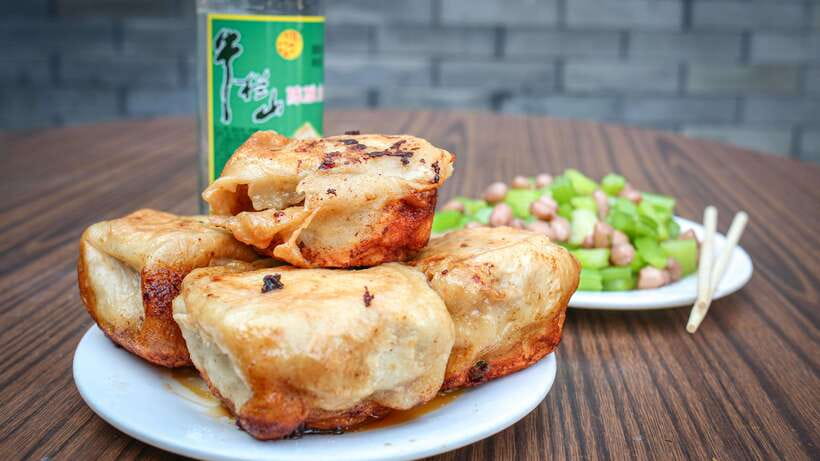
The restaurant has a distinctly local feel. It is frequented mostly by neighborhood men, and baijiu is part of the setting, with regulars keeping their bottles behind the counter. This is not a polished dining experience aimed at international visitors. You are visiting a working local place where the atmosphere is as informative as the food.
The dish itself is not named in the supplied details, so you should ask your guide for its Chinese name and story when you arrive. That is not a weakness of the tour, but it does mean you should not book expecting a familiar menu description. Part of the point is discovering a regional specialty that has become increasingly hard to find.
This stop may suit adventurous eaters more than cautious ones. The experience includes authentic local flavors, but there is no promise that every dish will match an international palate. I see that as a strength for anyone who wants more than dumplings, fried rice, and dishes already common outside China.
The Muslim food tradition also broadens the picture of Beijing cuisine. The city’s food is not one single style. This stop shows how local cooking includes different religious and regional influences, and your guide can help connect the dish to the city’s wider food culture.
Spring pancakes and the meaning of family
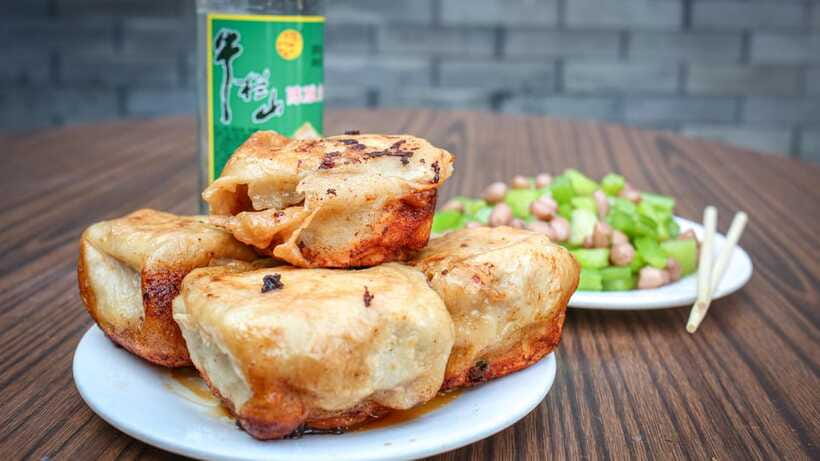
The final main stop focuses on spring pancakes, prepared by a husband-and-wife team. These thin pancakes are traditionally eaten during Chinese New Year to mark the arrival of spring and hope for a good harvest.
You eat them much like a burrito, wrapping the fillings inside the pancake. That makes the dish easy to share and easy to understand at the table. The shape and custom also carry a family meaning: spring pancakes represent reunion and togetherness.
The restaurant makes them fresh to order. That detail matters because the texture of a thin pancake changes quickly. Fresh preparation gives you the best chance of enjoying the soft, flexible wrapper that makes the dish work.
I like this stop because it brings a seasonal tradition into an evening tour that runs year-round. You are not simply eating another snack. You are learning how food marks the calendar and how a family dish can carry wishes for prosperity and good harvests.
This is also where you should notice how full you are getting. Four generous stops can amount to a full dinner, and some people have found the portions so substantial that they were barely able to eat more afterward. Skip a big late lunch if you want to enjoy the entire route.
The guides make the difference
The tour’s format is repeatable, but the guide shapes the evening. The guide introduces the dishes, keeps the route moving, explains the hutongs, and helps you feel comfortable in restaurants where ordering could otherwise be difficult.
The most frequently praised guides include Janice, Tony, Winnie, Yoyo, Joe, Haitao, Uyi, Tara, Teagan, Bonnie, Carmen, and Zoey. Their strengths vary, but the useful pattern is clear: you can expect an English-speaking host who explains the food and adds information about Beijing beyond the plate.
Janice is noted for clear English and for helping people feel at ease. Tony is praised for his energy and humor. Winnie is particularly associated with explanations that go beyond food into history, society, and the city’s economy. Yoyo is described as passionate about local food, while Haitao is valued for tips and practical information.
You should also use the walking time to ask questions. Guides can offer ideas for other foods to try during the rest of your stay, help explain dishes you see elsewhere, and point out details in the hutongs that you might otherwise pass without noticing.
Group size is not specified, so do not book this expecting a private tour. Some evenings may feel small and relaxed, while others may include more people. The minimum operating requirement is two participants, and the tour can be canceled after confirmation if that number is not reached, with an alternative date or full refund offered.
Is $75 a fair price?
At $75 per person, this is not the cheapest way to eat in Beijing. You could buy individual bowls and snacks for much less if you already know where to go and can manage the language and ordering on your own.
The value comes from putting several difficult pieces together. You get four food stops, a dinner-sized amount of food, a local guide, a 2.5-kilometer neighborhood walk, a pint of craft beer, and additional beer and sodas. You also save the time and guesswork involved in locating small restaurants that do not advertise to foreign visitors.
I think the price works best for a first or second night in Beijing. You get a broad food introduction, learn which dishes you want to seek out again, and receive local suggestions for the rest of your trip.
It is less useful if you are mainly looking for a formal restaurant meal, a private tour, or a short tasting with minimal walking. The experience is active, social, and food-heavy. You pay for access and guidance as much as for the dishes themselves.
Practical details for a smoother evening
Meet at Shichahai Subway Station, Exit C, at street level. The station is on Line 8. Follow the signs to Exit C, then meet the guide outside the exit ten minutes before the 6:30 PM start.
For a taxi or Didi, use the Chinese address 什刹海地铁站C东南口. Traffic can be heavy near the meeting point during rush hour, so the subway is strongly recommended.
Tell the operator about dietary requirements when booking. The information provided does not specify how every dietary need can be handled, and the tour centers on several meat-based dishes, including mutton and beef hotpot.
The route runs in all weather. Wear shoes suitable for 2.5 kilometers of walking and bring clothing appropriate for the season. You can cancel up to 24 hours in advance for a full refund, and the reserve-now, pay-later option keeps your plans flexible.
Should you book this Beijing food tour?
I would book this tour if you want a filling first taste of Beijing food and prefer small local restaurants to famous dining rooms. It is especially useful for solo visitors, couples, and first-time visitors who want an English-speaking guide to handle the route and explain what is on the table.
The strongest reasons to go are the variety, the hutong walk, and the chance to try dishes that are hard to locate without local help. The hotpot view, rare Muslim specialty, and family-style spring pancakes give the evening more range than a standard street-food crawl.
I would skip it if you have mobility limitations, strict dietary needs that have not been confirmed, or little interest in meat, beer, and a substantial dinner. For everyone else, the combination of food, neighborhood life, and guide-led context makes $75 a fair buy, particularly at the start of a Beijing stay.
FAQ
Where does the Beijing food tour begin?
The tour begins at Shichahai Subway Station, Exit C, at street level. The station is served by Line 8.
What time should I arrive?
The tour begins at 6:30 PM. You should meet your guide at the designated point ten minutes before the start.
How long does the tour last?
The experience lasts 3.5 hours.
How far do you walk?
The route covers approximately 1.5 miles, or 2.5 kilometers, through Beijing’s hutong alleyways.
How many food stops are included?
Four food stops with tastings are included. The amount of food is intended to be equivalent to dinner.
What foods are included?
The tour includes Beijing mutton hotpot, Beijing-style noodles, a rare Muslim specialty associated with Empress Dowager Cixi, and spring pancakes. The itinerary can change based on restaurant operations and availability.
Are drinks included?
Yes. A pint of locally brewed craft beer is included, and the tour information also lists unlimited beer and sodas.
Is the tour offered in English?
Yes. The tour has a live English-speaking guide.
Can I request dietary accommodations?
You should provide any dietary requirements when booking. The available information does not specify which requests can be accommodated.
Can I cancel the booking?
You can cancel up to 24 hours in advance for a full refund. The tour requires at least two participants to operate, and an alternative date or full refund may be offered if that minimum is not reached.
Freshly poured around the world
- Porto: Daytime or Sunset Douro River Cruise With Port Wine★ 4.7 · 714 reviews
- Porto: 6 Bridges Port Wine River Cruise with 4 Tastings★ 4.9 · 586 reviews
- Porto: 6 Bridges Cruise & Port Wine with Sunset Option★ 5.0 · 997 reviews
- Porto: 6 Bridges Port Wine River Cruise with 4 Tastings★ 4.8 · 219 reviews
- Porto: Douro Cruise, 6 Bridges & 4 Port Wines (Max 7)★ 5.0 · 69 reviews
- Portland: Happy Hour Sightseeing Cruise★ 4.6 · 74 reviews
- Portland: Underground Shanghai Tunnel Tour with Beer Tasting★ 4.3 · 102 reviews
- Porto: 3 or 5 Port Wine Tasting with Pairings★ 4.9 · 152 reviews
Drinks Tours, side by side.

Budapest: Unlimited Prosecco, Beer and Aperol Spritz Cruise
Read our review →
Amsterdam: Evening Cruise with Optional Wine and Snacks
Read our review →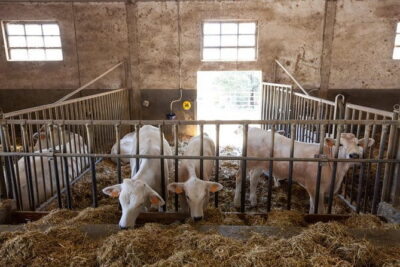
Tuscany Day Trip from Florence: Siena, San Gimignano, Pisa and Lunch at a Winery
Read our review →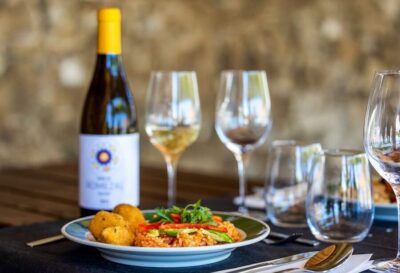
From Porto: Douro Valley w/ Boat Tour, Wine Tasting & Lunch
Read our review →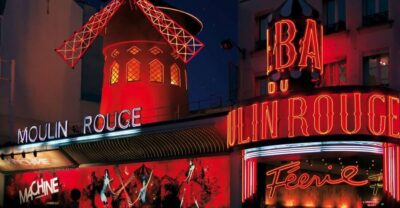
Paris: Moulin Rouge Cabaret Show Ticket with Champagne
Read our review →
Chichen Itza, Cenote & Valladolid Tour with Tequila and Lunch
Read our review →
Complete Douro Valley Wine Tour with Lunch, Wine Tastings and River Cruise
Read our review →