
Review · GREECE
Chania Area: Food Tasting Tour with Winery Visit
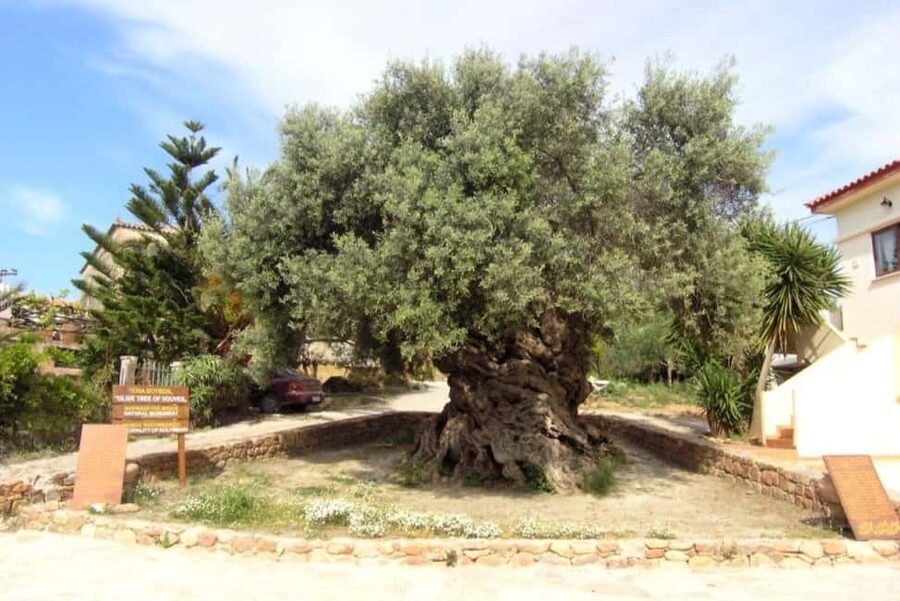
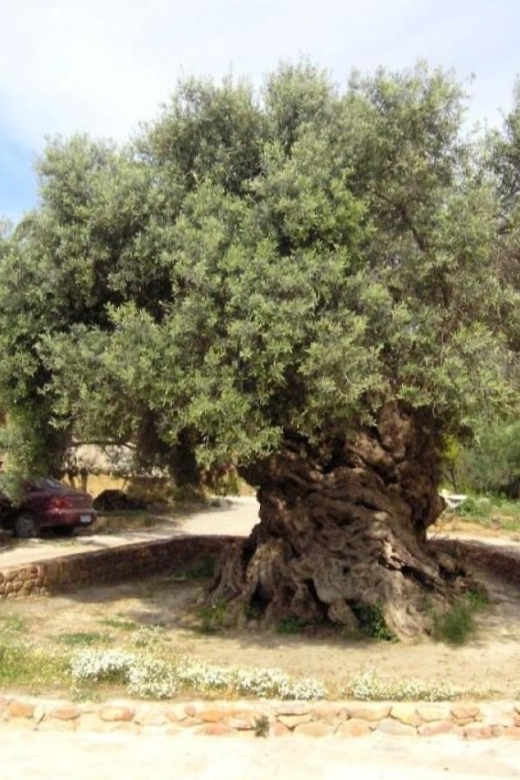
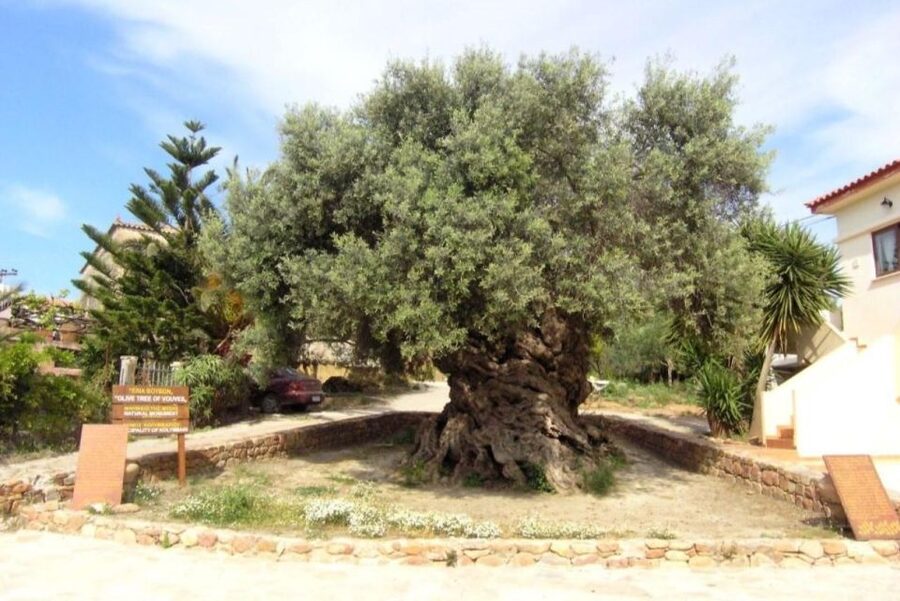
The Vouves olive tree is the star of this day, an ancient, twisted trunk estimated at 3,000 to 5,000 years old that still produces olives. From there, the tour moves through small food producers, a traditional bakery, honey and cheese tastings, and a family-run winery near Kissamos.
I like the strong mix of local food and working producers, rather than a day built around sightseeing alone. I also like the price: at $44, transport, guiding, and a substantial tasting package give you a lot for your money. The main caution is that the winery experience can feel more like a working production facility than a polished boutique tasting room.
Key points to know
- See the ancient Vouves olive tree: Its hollow, sculpted trunk measures about 12.5 meters around and 4.6 meters across.
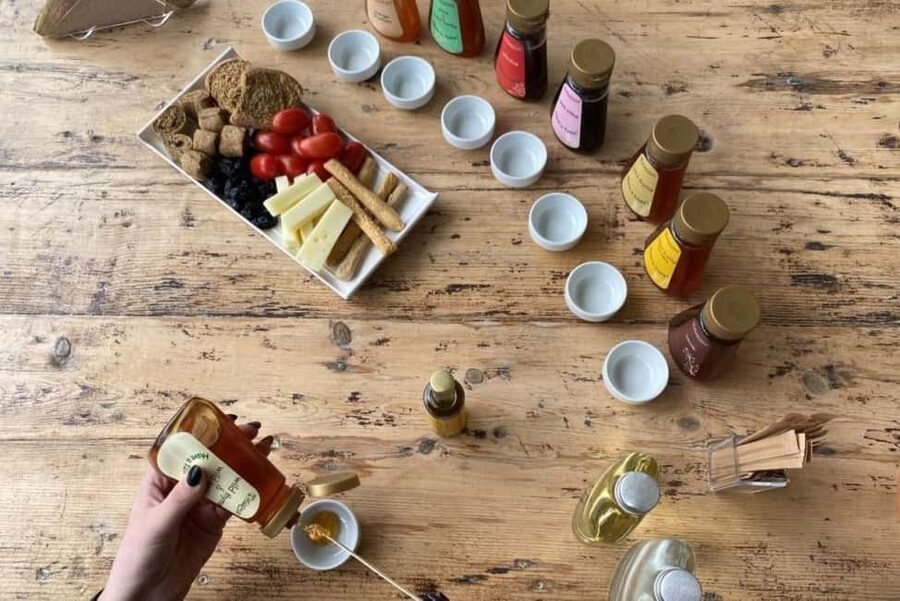
- Taste a full Cretan spread: Expect bread, rusks, olive oil, tomatoes, olives, cheese, honey, and other local foods.
- Meet small-scale food producers: The bakery, olive grove, and cheese operation offer a closer look at everyday Cretan food traditions.
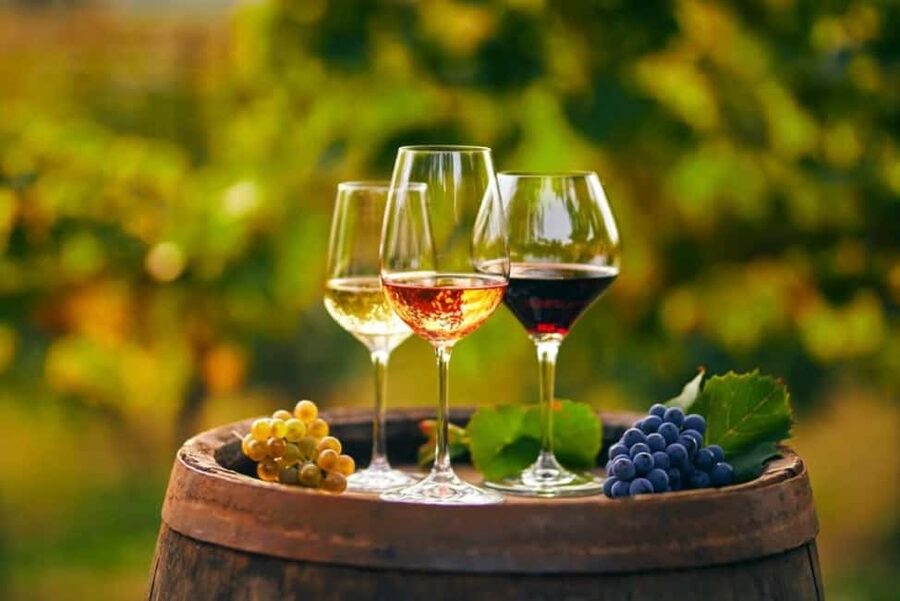
- Visit Pnevmatikakis Winery: Learn about local wine production and sample several wines with food pairings.
- Ride in an air-conditioned luxury bus: Hotel pickup and drop-off are included, though the exact pickup point arrives by email the day before.
- Plan for a long but food-filled day: The tour lasts seven hours and is conducted in English.
The ancient tree at Vouves sets the tone
The day begins with pickup between 8:00 and 9:20, depending on where you are staying in the Chania area. You will receive your exact pickup time and meeting point one day before departure. Pickup is from your hotel or a nearby point, but check the message carefully, since the final location can occasionally change.
The first major stop is Ano Vouves, home to the ancient olive tree. It is described as the oldest recorded olive tree in the world, though its exact age cannot be proved. Estimates place it somewhere between 3,000 and 5,000 years old. That uncertainty does not make the tree less impressive. Its huge, rough bole looks more like weathered stone than living wood, and the fact that it still produces fruit gives the visit real force.
The tree began as a wild olive and was later domesticated into the Tsounati variety. Its trunk has been shaped by centuries of growth, pruning, and weather. You will have time to look at the tree and hear about its place in Crete’s olive-growing tradition before leaving at about 10:15.
I would treat this as a short, memorable stop rather than a full museum visit. The appeal is the tree itself and the story it tells about how central olives have been to Cretan life for thousands of years. If ancient sites and food traditions interest you, this is a much better opening than beginning with a generic city attraction.
More Winery Tours in Greece
- Santorini: Small-Group Sunset Wine Tour with Santo Winery
★ 4.9 · 801 reviews - Santorini: Guided Tour to 3 Wineries with Wine Tastings
★ 4.8 · 693 reviews - Santorini: Wine Tasting Tour to 3 Wineries with Transfer
★ 4.7 · 455 reviews
Bread, honey, olives, and cheese in Perivolakia
Around 10:45, the bus reaches Perivolakia Village for the main food section of the day. This is where the experience earns its keep. You are not simply handed a plate and sent on your way. The visit connects the food with the work behind it.
At the traditional bakery, you can watch how Cretan staples such as bread, rusks, and savory baked goods are made in a wood oven. Rusks are twice-baked breads that keep well and are closely tied to rural Cretan cooking. They may look plain, but they are excellent with olive oil, tomatoes, cheese, or honey.
The wood oven matters because it gives you a glimpse of an older method that still has a place in local food production. You may find the bakery more interesting than a formal cooking demonstration because the setting is practical and tied to daily production. It is also a good chance to buy pastries or other goods for later, as long as you have room in your bag.
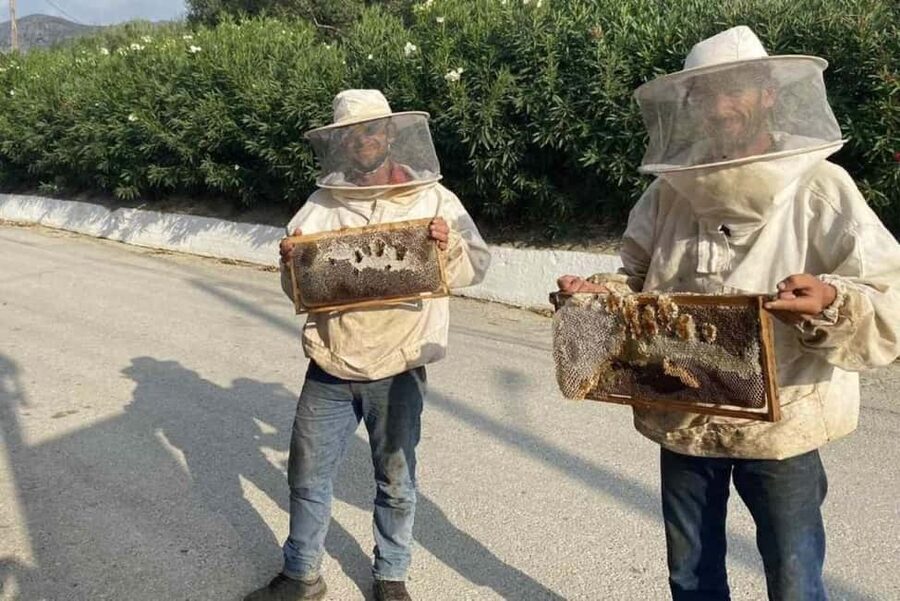
The next part takes place around an olive grove. You will examine the trees and learn about the making of Cretan honey. Honey production is paired with tastings, so the explanation has an immediate payoff. You can compare the honey with bread and other foods instead of treating it as an abstract talk about bees.
The olive grove also helps explain why olive oil is more than a condiment in Crete. It is part of the island’s farming system, cooking, and family economy. The tasting includes olive oil, and the generous food platter gives you a useful sense of how Cretans combine simple ingredients: tomatoes, olives, cheese, bread, and honey.
Cheese is part of the same stop. If production is taking place, you may enter the traditional cheese facility. If it is not the cheese-making period, the guide explains the process before the tasting. That qualification is worth noting. You should expect the food and explanation either way, but not assume that you will always see cheese being made.
The tasting is described as a superior package, but the food itself is refreshingly straightforward. You get products that show off the quality of the ingredients rather than complicated restaurant dishes. I like this approach because it lets you understand why olive oil, ripe tomatoes, salty cheese, olives, and honey matter so much in Cretan cooking.
The stop ends around 12:30. Bring a small amount of cash if you hope to buy local products, since card payment may not be available at every stop. You may be tempted by bread, honey, olive oil, cheese, pastries, or other items, so leave some space in your luggage.
Pnevmatikakis Winery near Kissamos
At about 12:45, the group arrives at Pnevmatikakis Winery. It is a family-run business in Kissamos with a long connection to Cretan wine production. Here you learn about how wine is made and taste several locally produced varieties.
The winery visit adds welcome variety after the bakery and olive-focused stops. You have already tasted the raw ingredients of the island, and now you see how grapes are turned into finished wine. The tasting includes local delicacies, so you can pair the wines with food rather than drinking them on their own.
The winery is also set up for families. Children receive a special platter and selected drinks, prepared by the family running the business. That makes this a more practical outing for parents than a tasting room designed only for adults.
I would keep your expectations realistic. One part of the facility has been described as a large working wine production site, not a spotless, small-batch cellar with a highly polished presentation. Some people will appreciate seeing a less theatrical side of wine making. Others may be disappointed if they expect refined winery architecture or particularly complex wines.
That difference is important when judging value. You are paying for transport, food, wine, and an introduction to Cretan production, not for an elite wine seminar. If wine itself is your main reason for booking, you may want a more specialized winery tour. If wine is one part of a broader food day, Pnevmatikakis fits the program well.
Departure is scheduled around 13:45. The return to your hotel or nearby drop-off point takes place between 16:20 and 17:20. The exact return time depends on your location and road conditions, so do not schedule an important appointment immediately afterward.
What the seven-hour schedule feels like
This is a full day, but it is broken into several short stops and a long tasting sequence. The bus takes care of the driving, which is useful in rural Crete and especially welcome after wine tasting. The vehicle is air-conditioned, though one report noted that the ride could feel bumpy and the cooling was not always consistent.
The transportation is one of the tour’s practical strengths. You do not need to find the olive tree, navigate village roads, or worry about wine and driving. The package also includes full liability insurance and an English-speaking live guide.
Guide Linda receives especially strong praise for her energy, humor, and command of Cretan food, culture, and history. Driver Tasos has also been singled out for safe, timely driving. The quality of a food tour depends heavily on the person explaining what you are eating, and Linda appears to bring the extra spark that keeps the long bus day lively.
Still, this is a group excursion, so timing is shared. One stop may feel too long if you are mainly interested in the winery, while another may feel brief if you want to shop or ask many questions. The itinerary has to serve people with different interests.
The first olive-tree stop may be the least food-focused part of the day, and some people would prefer less time there. Others will find the age and shape of the tree worth every minute. I would think of the stop as a cultural introduction rather than a major sightseeing attraction.
Same town, a different pour:
- Premium Small-Group Catamaran Cruise with BBQ, Open Bar, Transfer
★ 5.0 · 4,209 reviews - Santorini: Luxury Catamaran Day Trip with Meal and Open Bar
★ 4.8 · 3,678 reviews - Athens: Street Food Tasting Tour
★ 4.9 · 3,343 reviews - Half-Day Exclusive Catamaran Cruise in Santorini with Meal and Open Bar
★ 5.0 · 2,975 reviews
Is $44 good value?
At $44 per person, this is an unusually inexpensive way to combine transport, sightseeing, guiding, and tastings. A seven-hour organized outing alone can justify much of the price, especially if you are staying in Chania and want to reach the Kissamos area without arranging a rental car.
The food is the strongest part of the value. You are not limited to one small sample at each stop. The package includes bread or rusks, olive oil, tomatoes, olives, cheese, honey, and wine, with local delicacies served alongside the tasting. Several people have also bought products to take home, which suggests the stops are useful for food shopping as well as eating.
The tour also gives you access to places that can be awkward to visit independently. A rental car would let you reach the countryside, but you would need to plan the bakery, olive grove, cheese producer, ancient tree, and winery yourself. You would also need a designated driver.
The tradeoff is presentation. This is not a luxury culinary tour, despite the luxury-bus description. The food is local and the producers are family-run, but the facilities may be plain. The winery in particular may feel functional rather than elegant.
I consider the price excellent for first-time visitors who want a broad taste of western Crete. It is less ideal for serious wine collectors or anyone seeking a quiet, highly personalized food experience.
Who should book this day?
I would recommend it to you if you want to understand Crete through its everyday foods. It suits couples, families, and first-time visitors who prefer having transport and explanations arranged. Children are accommodated at the winery with their own platter and drinks, though the day still includes several hours on a bus.
It is also a good fit if you are staying in Chania and want a taste of the countryside without committing to a self-drive trip. You will see olive trees, village producers, a bakery, a cheese operation, and a winery in one outing.
You may want something else if your priority is a formal cooking class, a small private group, or premium wine tasting. The schedule is broad rather than specialized. You get a useful introduction to many parts of Cretan food production, not an exhaustive lesson in any one of them.
Pack sunglasses, a sun hat, sunscreen, and a camera. Wear something comfortable for a long day out, and bring cash in case a producer does not accept cards. Since the tour includes alcohol, the organized bus is a major advantage.
Booking details worth checking
The tour costs $44 per person and lasts seven hours. It operates in English, with a live guide, hotel pickup, hotel drop-off, an air-conditioned bus, a superior tasting package, and full liability insurance included.
You can cancel up to 24 hours before departure for a full refund. The reserve-now, pay-later option lets you hold a place without paying immediately, which is useful when your Chania plans are still changing.
Check your email the day before the tour for the pickup time and location. Your chosen hotel may be served directly or assigned a nearby meeting point. Confirm that detail before bed, not while waiting on the pavement the next morning.
Should you book this Cretan food tour?
Book it if you want excellent value, generous tastings, and a broad introduction to local producers. The ancient olive tree gives the day a memorable anchor, while the bakery, honey, cheese, olive oil, and wine stops show how Cretan food is made and enjoyed.
Go in expecting a working-producer visit, not a luxury culinary production. The winery may be the weak point for serious wine enthusiasts, and the bus ride can be warm or bumpy at times. For most visitors, though, the combination of food, countryside, transport, and an engaging guide such as Linda makes this a smart choice from Chania.
FAQ
How long does the tour last?
The tour lasts seven hours. Pickup is scheduled between 8:00 and 9:20, with hotel arrival expected between 16:20 and 17:20.
Where does the tour take place?
The experience takes place in the Chania area of Crete, including Ano Vouves, Perivolakia Village, and Pnevmatikakis Winery near Kissamos.
Is hotel pickup included?
Yes. Pickup and drop-off are included from your hotel or from a nearby meeting point.
When will I receive my pickup details?
You will receive the pickup time and location by voucher one day before the tour. Check your email the previous day.
What language is the tour conducted in?
The live tour guide conducts the tour in English.
What food will I taste?
The tasting may include bread, rusks, olive oil, tomatoes, olives, cheese, honey, and other traditional Cretan delicacies.
Will I see cheese being made?
You may enter the cheese facility if production is taking place. If it is not the cheese-making period, the guide explains the process before the tasting.
Is wine tasting included?
Yes. The visit to Pnevmatikakis Winery includes an explanation of wine making and a tasting of several locally produced wines with local delicacies.
Are children catered for at the winery?
Yes. Children are served a special platter and selected drinks prepared by the winery family.
What should I bring?
Bring sunglasses, a sun hat, sunscreen, and a camera. Cash may also be useful because one stop may not accept card payments.
More Food Tours in Greece
- Eating Athens: Our Big, Fat, Greek Food Tour
★ 5.0 · 570 reviews - Mykonos: Winery Vineyard Experience with Food & Wine Tasting
★ 4.9 · 446 reviews - Crete: Full-Day Cretan Wines, Olive Oil, Raki and Food Tour
★ 5.0 · 264 reviews - Milos: Full-Day Sailboat Cruise with Food and Open Bar
★ 4.8 · 233 reviews
Freshly poured around Greece
- Perivolos Beach: Sun-Bed Experience FortyOne Bar Restaurant★ 4.8 · 449 reviews
- Paros: Wine tasting at Local Winery★ 4.9 · 91 reviews
- Panormo: Luxury Catamaran Cruise with Lunch & Open Bar★ 4.6 · 64 reviews
- Panormo: Luxury Sunset Catamaran Cruise Sushi & Open Bar★ 4.8 · 57 reviews
- Naxos: Wine and Mythology Sunset Tour★ 4.8 · 99 reviews
- Mykonos: Sunset Boat Party with Open Bar & Live DJ★ 4.5 · 259 reviews
- Mykonos: Wine Tasting at a Mykonian Farm★ 4.6 · 79 reviews
- Milos Island: Kostantakis Winery Wine Tasting Experience★ 4.8 · 236 reviews
Winery Tours, side by side.
Tuscany Day Trip from Florence: Siena, San Gimignano, Pisa and Lunch at a Winery
Read our review →
Florence: Chianti Wineries Tour with Wine Tasting
Read our review →
Porto: Douro Valley with Winery Lunch, Tastings & Cruise
Read our review →
Barcelona: Montserrat, Cogwheel, Black Madonna & Winery Tour
Read our review →
Montserrat with Black Madonna & Medieval Winery with Tapas/Lunch
Read our review →
From Florence: Siena, San Gimignano, Pisa & Lunch at Winery
Read our review →
Wine Tour: Paarl, Franschhoek & Stellenbosch incl 3 wineries
Read our review →
Douro Valley Tour: 2 Vineyard Visits, River Cruise, Winery Lunch
Read our review →Lists this tasting sits in