
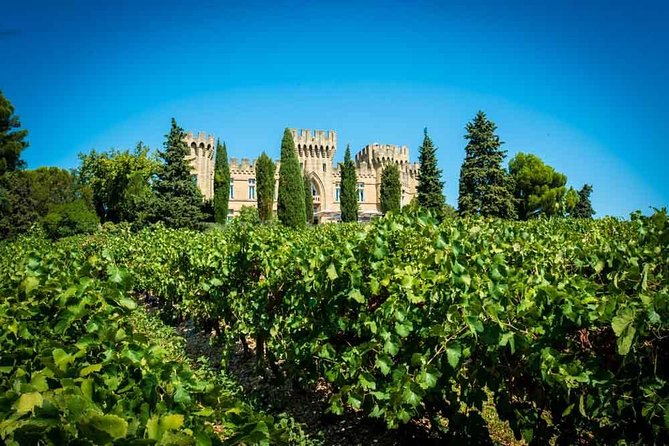
Review · AVIGNON
Chateauneuf du Pape wine tour
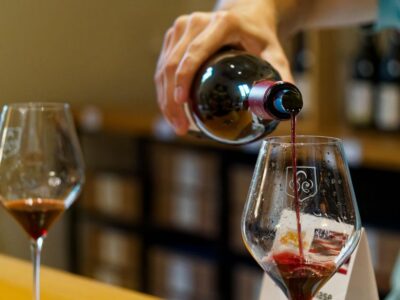
Châteauneuf-du-Pape is best understood with a glass in hand and the vineyards around you. This small-group day from Avignon visits several very different producers, then finishes with a tasting in an old cellar in the village. Guides such as Max, Romain, Wilhelm, and Coralie bring their own styles, but the focus stays on the wine and the place that produces it.
I like the small maximum of eight people, which gives you room to ask questions without turning each tasting into a crowded production line. I also like the range: a chateau, a family estate, several winery tastings, and a village wine shop show you more than one version of Châteauneuf-du-Pape.
The main catch is price and lunch. At $211.63 per person, this is not a cheap outing, and lunch is not included. You also need to meet at 10 Rue de Mons in Avignon at 9:30 am, with enough time to find parking and connect with your guide.
Key points to know before you book
- Three winery visits plus a final cellar tasting: You taste wines from different producers rather than stopping at one large operation.
- A maximum of eight people: The format suits you if you prefer conversation and personal attention.
- About 17 wines may be poured: The exact selection can vary, but the day is generous with tastings.
- Lunch comes separately: Expect a traditional Provençal, Mediterranean, or bistro-style meal, with reported menu prices of €28 for two courses or €35 for three.
- Guides explain the full chain: You learn about soil, weather, grape varieties, cultivation, harvest, and winemaking.
- Wine purchases can be simplified: The final shop may let you combine orders and arrange shipping rather than carry bottles all day.
Why this Châteauneuf-du-Pape day works
Many wine outings promise a vineyard and deliver one tasting room beside a car park. This one gives you a fuller picture of the appellation. You begin outside among the vines, then move through several producers with different methods and personalities.
That variety matters. Châteauneuf-du-Pape is not just a famous label. Its wines reflect soil types, weather, grape blends, ageing choices, and the decisions made by each estate. You may taste mostly reds, along with several whites, and compare how different families and wineries interpret the same broad wine region.
The day lasts about seven hours, with roughly four and a half hours of visits and tastings, an hour and a half for lunch, and short drives between stops. The relatively compact route keeps the day focused. You are not spending most of your time on a bus crossing Provence.
The atmosphere also depends on your guide. Max appears often among the guides assigned to this experience, while Romain is a trained sommelier. Wilhelm and Coralie also lead departures. The best fit for you will be a guide who explains wine clearly rather than showing off with technical language. The format allows questions, and the strongest departures seem to make difficult subjects easy to follow.
More drinks tours around France:
- Paris: Moulin Rouge Cabaret Show Ticket with Champagne
★ 4.7 · 16,088 reviews - Loire Valley Castles Day Trip from Paris with Complementary Wine
★ 4.5 · 3,907 reviews - Bordeaux: Cité du Vin Entry Ticket and Wine Tasting
★ 4.6 · 3,885 reviews
Starting in Avignon at 9:30 am
You meet at 10 Rue de Mons in Avignon. The tour ends back at the same point, which is useful if you are staying in the city and do not want to arrange a separate return.
Give yourself extra time before the start. Parking and city-center streets can slow you down, and one practical point is especially important: make sure you can contact the guide, including through WhatsApp if requested. The meeting point is near public transportation, but you still need to arrive ready to find the vehicle and group.
The air-conditioned vehicle is included. That is a welcome feature during a warm Provence day, particularly after a full lunch and several tastings. With no more than eight people, the ride should feel more personal than a large coach excursion.
You should also be comfortable getting in and out of the vehicle and walking around vineyard grounds and cellars. The required fitness level is moderate. This is not a strenuous hike, but it is not a sit-in-one-room tasting either.
First stop: learning the terroir in the vineyard
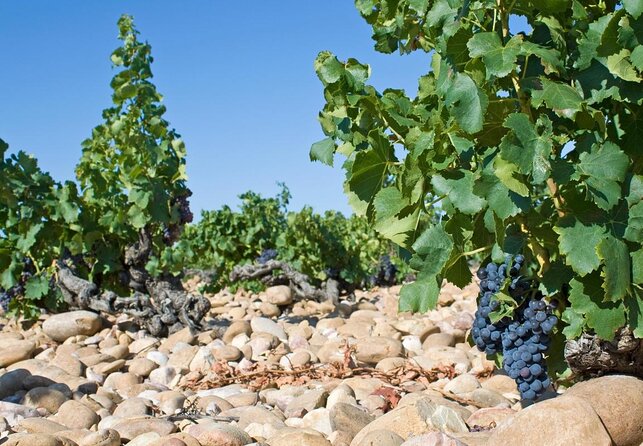
The opening stop lasts about 30 minutes and introduces the Châteauneuf-du-Pape terroir. You learn how soil, climate, and grape varieties affect the wine before tasting begins.
This is a smart way to start. Wine can feel abstract when someone describes minerals, heat, ripeness, or drainage inside a tasting room. In the vineyard, those ideas have a physical setting. You can connect the wine in your glass to the ground beneath the vines and the conditions that shape the growing season.
Do not expect a long walk at this point. The stop is brief, so think of it as a clear introduction rather than a full vineyard lesson. Its value comes from giving you a framework for the tastings that follow.
If you know little about Châteauneuf-du-Pape, pay close attention here. You will understand later discussions about grape blends and winemaking more easily. If you already know the region, this stop still helps you compare the next estates with a common reference point.
A private chateau visit and 90-minute tasting
The second stop is a private visit to a chateau with a tasting and lasts about an hour and a half. This is the longest single wine stop of the day, giving you time to see the property, ask questions, and taste at a measured pace.
The word private is important. It suggests a more focused visit than a quick public tasting, though the exact format can vary by departure and producer. You may spend time discussing the estate’s approach, then taste wines while the guide explains what you are seeing and smelling.
This is also where a guide such as Romain can add real value. A trained sommelier can help you sort out the difference between the wine’s grape character, the effect of the soil, and the choices made during production. Max is described as personable and animated, which can make technical information feel less formal.
You do not need a sophisticated wine vocabulary to enjoy this stop. Ask direct questions. Which wine is ready to drink? Which needs time? What makes the white different from the reds? The small group makes this sort of exchange easier.
Same town, a different pour:
- Bordeaux: River Garonne Cruise with Glass of Wine and Canelé
★ 4.5 · 3,630 reviews - Normandy D-Day Small-Group Day Trip with Omaha Beach, Cemetery & Cider Tasting
★ 5.0 · 2,786 reviews - Montmartre Hill French Gourmet Food and Wine Tasting Walking Tour
★ 5.0 · 2,588 reviews - Paris: Paradis Latin Cabaret Show with Optional Champagne
★ 4.6 · 2,231 reviews
A family estate with a different point of view
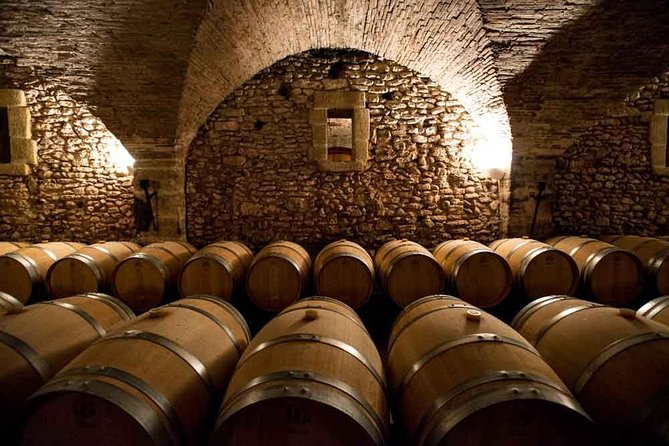
The third visit lasts about an hour at a family-owned estate. This changes the rhythm of the day and gives you a look at a smaller, more personal side of production.
The family-estate stop is valuable because it prevents the day from becoming a parade of similar grand properties. You can compare the way a family producer presents its wines with the style of the chateau you visited earlier. The wines may show different choices in blending, ageing, or cellar work, even within the same appellation.
The experience is not built around a single famous bottle. It is about comparison. You taste, listen, and begin to notice how two producers can work in the same area while creating wines with different balance and character.
The one-hour timing is sensible. By this point, you will have already tasted wine, so a shorter visit keeps the day from dragging. Drink slowly, use any water provided, and keep notes if you want to remember particular bottles later.
Lunch with Provençal food and a view
Lunch takes about an hour and a half at a traditional restaurant. The food may be Provençal, Mediterranean, or bistro-style, and the setting can include views over the vineyards and surrounding countryside.
This is more than a practical meal break. It gives you time to pause between tastings and enjoy the region without a schedule of constant pours. Several menu prices have been reported: about €28 for two courses or €35 for three. Prices and menus can change, so treat those figures as a useful guide rather than a guarantee.
Lunch is not included in the tour price, despite being arranged as part of the day. Budget for it separately. The guide does not eat with the group during the lunch break, so you should expect some independent time at the restaurant rather than a hosted meal.
That arrangement has pros and cons. Some people like a quiet break with their own table and conversation. Others may prefer the guide to sit with them and continue the discussion. If you want to ask about the wines over lunch, save your questions for the next stop or speak with the guide before the break.
The restaurant setting is one of the day’s pleasures. A good meal, a glass of local wine if you choose to order one, and a view across the fields can make the middle of the tour feel like part of the Provence experience rather than a pause from it.
The third winery and the value of comparison
After lunch, you visit another Châteauneuf-du-Pape winery for about an hour. This is the third winery-based tasting of the day and adds another voice to the discussion.
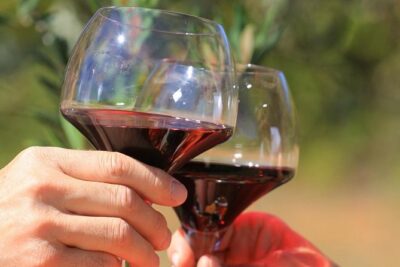
By now, you can make useful comparisons. Notice how the wines differ in aroma, structure, freshness, and weight. Ask the guide to connect those differences to the producer’s methods. The point is not to decide which winery is best. It is to see the range within one famous appellation.
The total number of wines can be substantial. Around 17 wines may be tasted across the three wineries and the final cellar, with mostly reds and some whites. That is generous for a day tour, but it also means pacing matters. You do not need to finish every pour, and you should use the spittoon if one is available.
This tasting can be particularly useful if you are considering buying bottles. Tasting at several estates first gives you a better basis for choosing than purchasing the first wine presented to you.
Finishing in an old cellar in the village
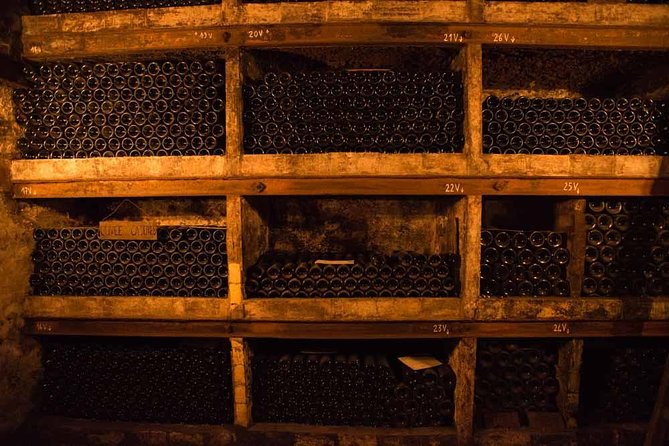
The final stop is a private tasting in an old cellar situated in Châteauneuf-du-Pape village. Some departures finish at a local wine shop and tasting room, including Le Nez de Papes.
This ending ties the day together. Instead of finishing at a remote estate and rushing back to Avignon, you spend time in the village itself and taste wines from the wider area. The cellar setting also provides a change from the formal estate visits.
A practical advantage is the chance to purchase wines after you have tasted across several producers. You may be able to place one combined order through the shop, which can reduce the hassle of buying bottles at every stop. Shipping can also be arranged, so you do not have to carry wine around for the rest of your French trip.
Ask about shipping terms before placing an order. The tour information confirms that shipping is available through the shop in some departures, but it does not provide rates, destinations, or delivery times.
What you get for $211.63
At $211.63 per person, the price is high compared with a simple half-day tasting. The value comes from the amount of wine, the small group, the air-conditioned transport, the range of private visits, and the guide’s role in connecting all the stops.
You are paying for access and interpretation, not just transportation. A guide who can explain grape varieties, soil, climate, cultivation, harvest, and winemaking helps you get more from every glass. The day also removes the need to drive after tasting wine, which is a major practical benefit.
Lunch is the clearest extra cost. Add the meal to your budget, and remember that a drink or additional wine may cost more. You are also paying for a full day rather than a quick tasting, so this makes better financial sense if wine is a major interest during your Provence trip.
For a casual drinker who only wants one glass and a pleasant drive through the countryside, the price may feel too steep. For you if you want several producers, careful explanation, and a broad sample of the appellation, the cost is easier to justify.
Who should book this experience
I would choose this tour if you are staying in Avignon and want to visit Châteauneuf-du-Pape without renting a car. It suits couples, friends, and solo visitors who enjoy asking questions and sharing a small vehicle with other wine lovers.
It is also a good match for someone who knows a little about wine but wants to understand the region better. You will hear enough about soil, grape varieties, weather, and production to turn a tasting into a useful lesson.
The day is less suitable if you dislike long tasting sessions, want a strict private tour for only your own party, or prefer to choose your own lunch and wineries. The maximum group is eight, not one private party, and the lunch break is arranged but separately paid.
Book early if your dates are fixed. The experience is often reserved about 71 days ahead, and confirmation is subject to availability. Free cancellation is available up to 24 hours before the start time. After that point, changes and refunds are not accepted, and the tour requires a minimum number of participants.
Final verdict: a strong choice for serious wine days
I would book this Châteauneuf-du-Pape tour if you want a full day of tasting with real regional context. The strongest features are the small group, the number of wines, the mix of chateau and family estate visits, and the guides’ ability to make technical subjects clear.
The main cautions are straightforward: lunch costs extra, the meeting point requires planning, and seven hours of wine visits may be too much for a casual drinker. If you pace yourself and arrive organized, this gives you a useful, enjoyable look at one of Provence’s best-known wine regions, with enough variety to help you decide what you actually like.
FAQ
Where does the Châteauneuf-du-Pape wine tour start?
It starts at 10 Rue de Mons, 84000 Avignon, France. The start time is 9:30 am.
Where does the tour end?
The activity ends back at the meeting point in Avignon.
How long does the experience last?
The tour lasts approximately seven hours.
How many people can join the tour?
The group has a maximum of eight travelers.
Is lunch included in the price?
No. Lunch is arranged at a traditional restaurant but must be paid for separately. Reported menu prices are €28 for two courses or €35 for three courses.
How many wineries does the tour visit?
The schedule includes a chateau, a family-owned estate, and another Châteauneuf-du-Pape winery, followed by a private tasting in an old village cellar.
Is transportation included?
Yes. An air-conditioned vehicle is included.
Can I cancel for a full refund?
Yes, if you cancel at least 24 hours before the experience start time. Cancellations made less than 24 hours in advance are not refunded.
Freshly poured around France
- Pont-l’Évêque: DISTILLERIE PERE MAGLOIRE Entry with Tastings★ 4.5 · 72 reviews
- Montpellier: Pic Saint-Loup Wine Tour★ 4.9 · 290 reviews
- Passy-Grigny: Chocolate and Champagne Tasting Tour★ 4.8 · 284 reviews
- Paris: Tasting of 3 Wine and 3 Cheese★ 5.0 · 74 reviews
- Paris: Wine and Cheese Tasting★ 4.6 · 91 reviews
- Paris: Wine Tasting Experience with 6 Wines and Cheese Board★ 4.9 · 80 reviews
- Paris : Scenic Cruise on the Seine River with Champagne★ 4.0 · 81 reviews
- Paris: Moulin Rouge Dinner Show, Champagne, and Transport★ 4.6 · 368 reviews
Avignon Drinks Tours, side by side.
From Avignon: Châteauneuf du Pape Half-Day Wine Tour
Read our review →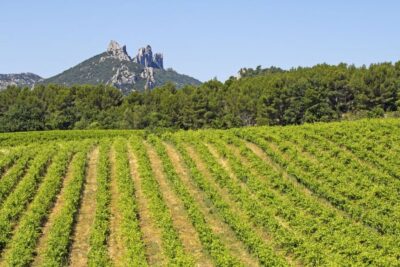
Châteauneuf du Pape Wine Day Tasting Tour including Lunch from Avignon
Read our review →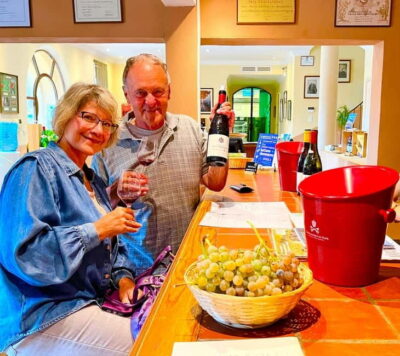
From Avignon: Wine Tour with Visit to Châteauneuf du Pape
Read our review →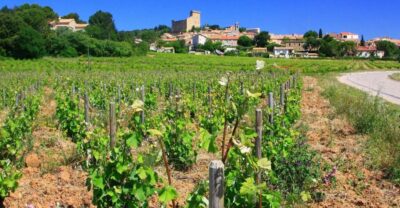
Avignon: Full-Day Wine Tour around Châteauneuf-du-Pape
Read our review →Lists this tasting sits in