
Review · FRANCE
Dijon: La Cave du Palais Burgundy Wine Tasting Experience
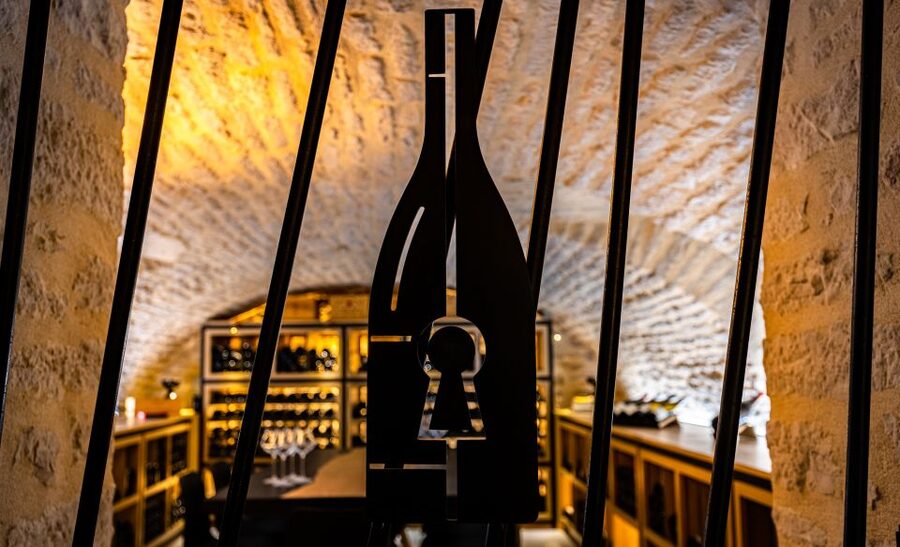
The most memorable part of this Dijon tasting is the setting: La Cave du Palais occupies an old vaulted cellar beneath the Hotel du Palais, just a five-minute walk from Place de la République. It feels far more rooted in Burgundy than a standard bar tasting, and the cellar gives the conversation a fitting sense of place.
I like two things here. First, you taste six wines across Burgundy’s classification ladder, from regional bottles to the highest Grand Cru level. Second, guides such as Antoine, Leo, Robin, and Prune explain how soil, location, climate, and aging affect the glass in front of you. The main consideration is simple: this is a tasting, not a vineyard visit, so you will not tour working wineries or walk among the vines.
Key points to know
- Six Burgundy wines in 90 minutes: The selection can include three whites and three reds, with bottles from several levels of appellation.
- A historic cellar in central Dijon: You can reach La Cave du Palais on foot without renting a car or arranging countryside transport.
- Small groups capped at eight: The size leaves room for questions and gives the guide time to adjust the discussion.
- Clear lessons on Burgundy’s climates: You learn why nearby vineyards can produce wines with noticeably different tastes.
- English and French support: Guides have handled mixed-language groups well, and some sessions have also included Spanish.
- Adults only: The experience is for people over 18 and is not suitable for children, pregnant women, or wheelchair users.
Entering La Cave du Palais beneath a Dijon hotel
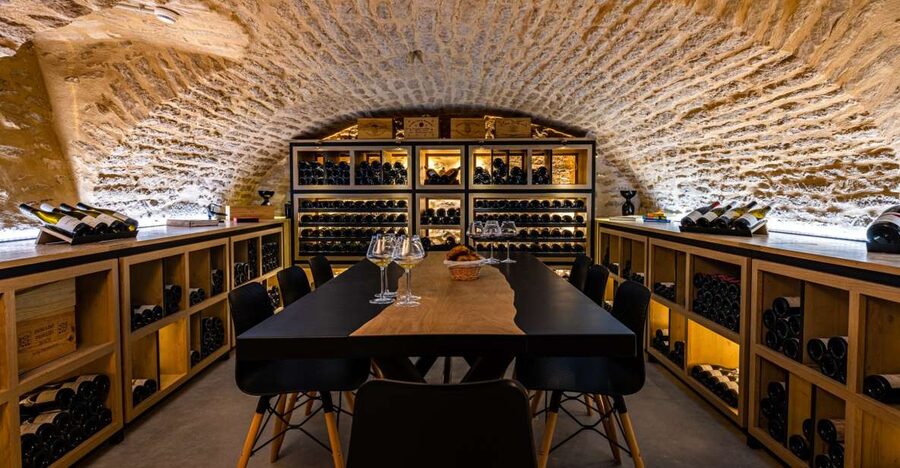
The meeting point is La Cave du Palais, inside the Hotel du Palais in Dijon’s city center. From Place de la République, the walk takes about five minutes, making this a handy choice for a free afternoon or an evening before dinner.
The cellar is the real opening act. You sit among original underground vaults in a space described as historic and beautifully designed. It has the cool, enclosed feel you hope for from a Burgundy wine room, without requiring a drive into the countryside.
That location matters. Burgundy is a region where place carries unusual weight. A bottle may be identified not only by its producer and grape but also by a very specific vineyard site. Starting in a cellar in Dijon gives the tasting a local frame before the first glass is poured.
You should still keep your expectations sensible. The experience takes place in the city, not at a vineyard or winery. You will not see harvesting, fermentation rooms, barrel storage, or the actual plots where the grapes grow. What you get instead is a compact introduction to the region, useful when your schedule does not allow a full day among the wine villages.
More Wine Tasting Tours in France
- Bordeaux: Cité du Vin Entry Ticket and Wine Tasting
★ 4.6 · 3,885 reviews - Montmartre Hill French Gourmet Food and Wine Tasting Walking Tour
★ 5.0 · 2,588 reviews - From Paris: Loire Valley Castles Day Trip With Wine Tasting
★ 4.6 · 1,727 reviews
Six glasses that explain Burgundy’s hierarchy
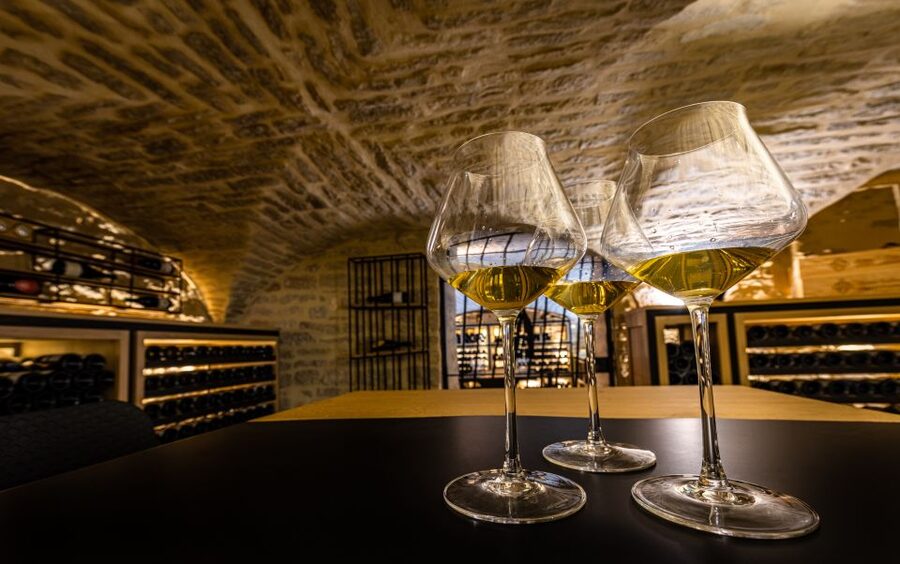
The tasting lasts 90 minutes and includes six wines. The point is not simply to drink six pleasant samples. The lineup is designed to show the range of Burgundy, from broad regional appellations to more prized classifications, potentially reaching Grand Cru level.
One session included three red and three white wines, a useful balance for anyone trying to understand Burgundy beyond the famous reds. The exact bottles can vary, so you should not book expecting a named producer or guaranteed Grand Cru label. The value comes from the comparison across styles and places.
Burgundy is best understood by tasting side by side. A regional wine gives you a broad introduction. A more specific village or vineyard appellation narrows the geographical identity. At the top, Grand Cru represents the highest classification mentioned for this experience. Tasting these levels in one sitting helps you notice how the region organizes quality and place.
The guide does not simply hand you a glass and recite a list of names. You are encouraged to ask questions and compare what you taste. The discussion connects each bottle to its appellation, vintage, climate, and aging. That turns a potentially confusing set of French labels into something you can begin to read.
For a first visit to Burgundy, this structure is especially useful. Many visitors recognize names such as Burgundy, Chablis, or Côte de Nuits but are less clear about how French wine classification works. Here, the categories become practical rather than abstract because you taste the difference as the explanation unfolds.
Learning why climates matter
The word climate can be confusing in Burgundy. In this setting, it refers to a defined vineyard site, not simply the weather. The teaching focuses on how geography, soil, exposure, and location shape the grapes and the finished wine.
You will hear about differences in soil and geographical position, then taste wines that help make those ideas easier to grasp. The best part of this format is the immediate link between explanation and glass. You do not need to memorize a lecture. You can ask why one wine feels lighter, fuller, sharper, or more layered, then consider the answer while tasting it.
The session also looks at the year each wine was produced. Vintage matters because growing conditions change from year to year. The guide explains why that can affect flavor and quality, giving you a better way to think about wine lists and bottle shops after you leave Dijon.
Aging is another central topic. You learn how time can change a wine’s character and why certain bottles are treated differently. This is useful even if you are not planning to build a cellar. It helps you choose a bottle for dinner with a bit more confidence and understand why two wines from the same broad region may have very different prices.
The teaching style appears to be relaxed rather than overly technical. Antoine has been praised for keeping the discussion informal and encouraging questions. Leo has guided sessions for people with professional wine experience as well as complete beginners. That range matters: you can ask basic questions without feeling out of place, but you can also get a serious answer if you already know your way around wine.
The guides make the difference
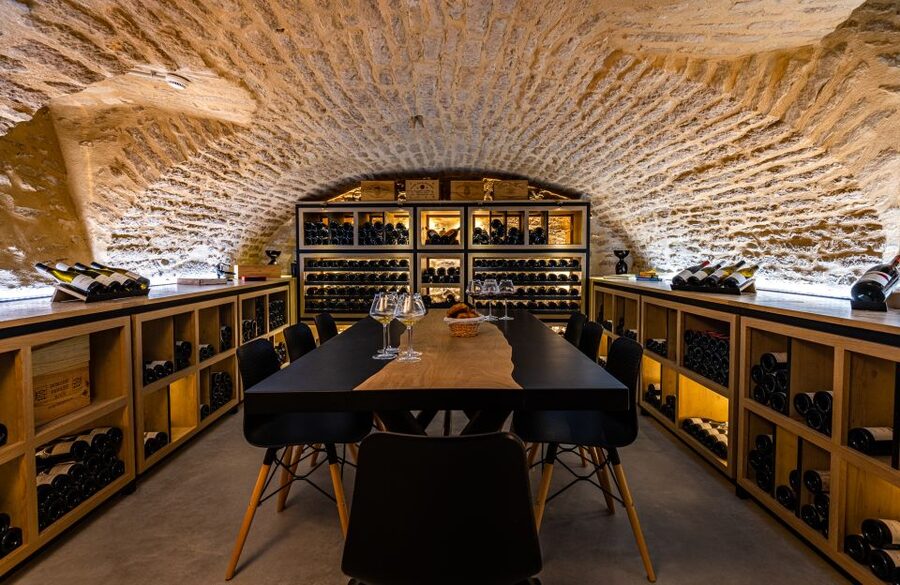
The experience uses different hosts, so your guide may be Antoine, Leo, Robin, Prune, Sebastian, Rafael, or another member of the team. The recurring strength is the guide’s ability to explain Burgundy clearly while keeping the session conversational.
Antoine has been singled out for his good humor, strong command of Burgundy wines, and willingness to answer every question. Leo has been praised for patience, broad wine knowledge, and his ability to discuss Burgundy in a wider international context. Robin brings enthusiasm and local passion to the story of the region.
Prune has led English-language tastings and has also helped people with practical Dijon suggestions, including a recommendation for a traditional local dinner. That is a nice extra, though it is not a formal part of the activity. Sebastian has also been praised for making the discussion engaging while serving a varied flight of local wines.
Language should not be a major worry for English speakers. The host or greeter speaks French and English, and the guides have handled groups containing both languages. One session even included English, French, and Spanish. If your group is mixed, the pace may slow slightly as ideas are explained in more than one language, but that can also make the session more social.
The small-group format helps here. With a maximum of eight participants, the guide can redirect the conversation, answer individual questions, and spend time on the topics that interest your group. Sessions have sometimes had only two, five, or a few participants, though you should not assume every departure will be that intimate.
Same town, a different pour:
- Paris: Moulin Rouge Cabaret Show Ticket with Champagne
★ 4.7 · 16,088 reviews - Loire Valley Castles Day Trip from Paris with Complementary Wine
★ 4.5 · 3,907 reviews - Bordeaux: River Garonne Cruise with Glass of Wine and Canelé
★ 4.5 · 3,630 reviews - Normandy D-Day Small-Group Day Trip with Omaha Beach, Cemetery & Cider Tasting
★ 5.0 · 2,786 reviews
A social lesson, not a formal wine class
The mood is friendly and informal. You sit with other adults, taste together, and compare impressions as the guide explains the wines. That shared setting works well for couples, solo visitors, and small friend groups.
I like this approach because Burgundy can seem intimidating. French labels, complicated appellations, and high prices can make the region feel like a subject reserved for specialists. A relaxed conversation lowers the barrier. You can admit that you do not understand a term, ask for a label to be repeated, or explain what you taste without worrying about getting the answer wrong.
You can also request photos of the bottles. That is a practical detail worth using. If one wine catches your attention, a picture of the label gives you a record to show a wine shop later or to search for when you return home.
There may be an opportunity to buy a bottle after the tasting, but there is no obligation to purchase. Several participants chose to do so after finding a wine they liked. The session is not a sales pitch, and extra tastings are not included. If you want additional pours, you should expect to pay separately.
The social side is part of the value. You are not only receiving information from the guide. You are sharing a table with people from different countries and hearing how they respond to the same wines. For many visitors, that makes the 90 minutes feel less like a lecture and more like a good conversation with a purpose.
Is $64 a fair price?
At $64 per person, this is not the cheapest way to drink wine in Dijon. You could buy a bottle for less, sit at a wine bar, and learn a few facts from a menu. That would not give you six guided comparisons in an atmospheric cellar, however.
The price includes six tastings and live commentary. It also buys access to a structured lesson on Burgundy’s appellations, climates, vintages, and aging. If you are already planning to visit several vineyards, this can prepare you for the countryside by giving you a vocabulary for what you see and taste there.
The value is strongest for visitors who have limited time. A full vineyard day usually requires transport, more planning, and a larger time commitment. This 90-minute option fits neatly into a city stay and leaves you free to explore Dijon’s food scene, museums, and streets afterward.
The value is less clear if your only goal is to drink as much as possible. The pours are described as generous, but this remains a guided tasting rather than a long drinking session. Extra tastings are not part of the price, and the real benefit lies in the comparison and instruction.
I also see value for experienced wine drinkers. A professional or serious enthusiast may already know the basics, but the range of appellations and the chance to discuss Burgundy with a local specialist can still make the session worthwhile. The guides have worked comfortably with people from the wine trade as well as beginners.
Free cancellation up to 24 hours before the activity and the option to reserve now and pay later add useful flexibility. Those booking terms are helpful when your Dijon plans are still shifting.
Who should book this Dijon tasting?
I would recommend it most strongly to:
- First-time Burgundy visitors who want a clear introduction
- Couples looking for an adult activity in central Dijon
- People without time for a full vineyard day
- Wine drinkers who want to understand French appellations
- Solo visitors who enjoy small-group conversation
- Experienced wine fans who want to compare several Burgundy styles
It is less suitable for children, anyone under 18, and pregnant women because the activity centers on alcohol. Wheelchair users should also choose another option, since the cellar setting is not suitable for wheelchair access.
You do not need advanced wine vocabulary. The guide explains the key ideas as you go, and the format leaves room for questions. If you already know Burgundy well, tell the guide at the start so the conversation can move beyond the basic classification system.
This is also a good first-night activity in Dijon. It gives you a working sense of the region before you order wine with dinner, and the guides may be able to point you toward local food or further places to explore. Just treat those tips as a pleasant extra, not a promised part of the program.
Practical details before you reserve
Plan to arrive at La Cave du Palais in the Hotel du Palais, not at a vineyard outside Dijon. The central location is a major advantage, and you do not need a car.
The session is 90 minutes. Check the available start time when booking, then leave enough room before dinner if you want the tasting to fit neatly into your evening. Six wines in a short period can be tiring for the palate, so a proper meal afterward is a sensible plan.
Bring your questions. The small group means the guide can spend time on subjects such as soil, vintage, aging, regional classifications, or the differences between red and white Burgundy. If you like a bottle, photograph its label before you leave.
Dress for an underground cellar rather than a sunny terrace. The supplied information does not give a temperature, so I would simply avoid assuming the room will feel like a warm indoor bar.
The official format is six wines. One past session included seven, but that appears to be an exception rather than something to count on. Book this for the six-tasting format and regard any extra pour as a bonus.
Should you book La Cave du Palais?
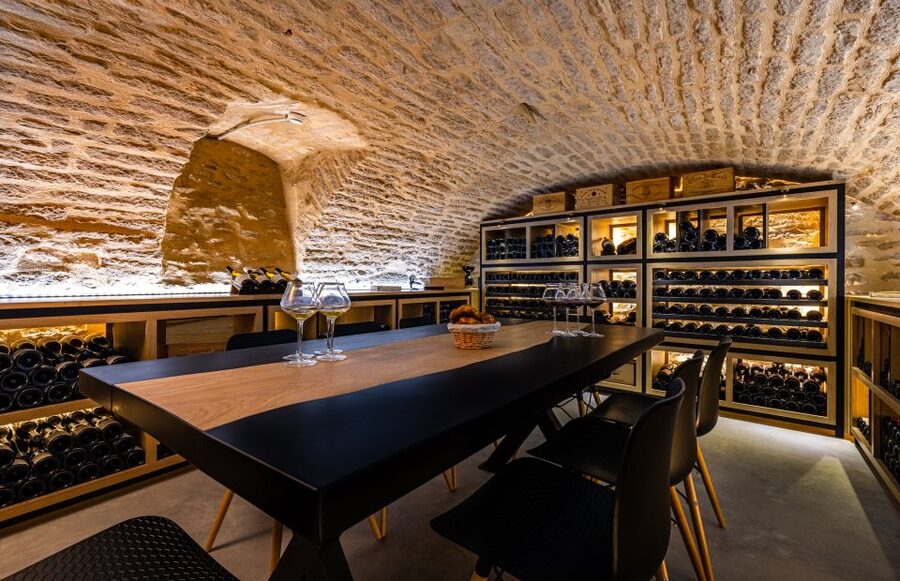
Book it if you want a compact, well-explained introduction to Burgundy wine in a memorable central setting. The vaulted cellar, six-wine comparison, small group, and strong English support make it a practical choice for a short Dijon visit.
Skip it if you want to visit working vineyards, see winemaking in progress, or spend a whole day in the countryside. This is a city tasting, not a winery tour.
For most adults interested in Burgundy, I think the $64 price is reasonable. You get more than six samples: you get a way to understand why Burgundy labels are organized as they are, why place matters so much, and how vintage and aging change the bottle. That knowledge will make the rest of your time in the region more rewarding.
FAQ
Where does the Burgundy wine tasting take place?
It takes place at La Cave du Palais inside the Hotel du Palais in central Dijon. The cellar is about a five-minute walk from Place de la République.
How long does the experience last?
The tasting lasts 90 minutes.
How many wines are included?
Six wine tastings are included. The selection can cover Burgundy wines from regional appellations through Grand Cru classifications.
Is the tasting available in English?
Yes. The host or greeter speaks French and English, and the guides have handled groups that include both languages.
What is the group size?
The activity is limited to eight participants, although some sessions may have fewer people.
Can children or pregnant women take part?
No. Participants must be over 18, and the activity is not suitable for children or pregnant women. It is also not suitable for wheelchair users.
Freshly poured around France
- Pont-l’Évêque: DISTILLERIE PERE MAGLOIRE Entry with Tastings★ 4.5 · 72 reviews
- Montpellier: Pic Saint-Loup Wine Tour★ 4.9 · 290 reviews
- Passy-Grigny: Chocolate and Champagne Tasting Tour★ 4.8 · 284 reviews
- Paris: Tasting of 3 Wine and 3 Cheese★ 5.0 · 74 reviews
- Paris: Wine and Cheese Tasting★ 4.6 · 91 reviews
- Paris: Wine Tasting Experience with 6 Wines and Cheese Board★ 4.9 · 80 reviews
- Paris : Scenic Cruise on the Seine River with Champagne★ 4.0 · 81 reviews
- Paris: Moulin Rouge Dinner Show, Champagne, and Transport★ 4.6 · 368 reviews
Wine Tasting Tours, side by side.
From Porto: Douro Valley w/ Boat Tour, Wine Tasting & Lunch
Read our review →
Complete Douro Valley Wine Tour with Lunch, Wine Tastings and River Cruise
Read our review →
Florence: Chianti Wineries Tour with Wine Tasting
Read our review →
From Split: Krka Waterfalls, Food & Wine Tasting Tour
Read our review →
Small-Group Wine Tasting Experience in the Tuscan Countryside
Read our review →
Montserrat & Cogwheel Train, Gourmet Wine Tasting & Tapas/Lunch
Read our review →
Rome: Tuscany & Montepulciano Day Trip with Lunch & Wine Tasting
Read our review →
SMALL-GROUP Wine Safaris: Tuscan Wine Tasting Tours from Florence
Read our review →Lists this tasting sits in