
Review · SPAIN
Gran Canaria: Winery Tour, Wine Museum, and Tasting
Gran Canaria’s wine story comes alive at Bodega San Juan, a family-run estate that has made wine for five generations. You walk among organic vines, see a 100-year-old stone lagar, and enter a cellar where the smell of fermenting wine still hangs in the air. The family’s old photographs and tools make this feel more personal than a polished tasting room.
I like the mix of old and new: traditional grape-treading equipment sits alongside modern wine-making facilities. I also like the relaxed tasting in the estate garden, with two wines, Gran Canaria cheese, toasted bread, and olives. The main drawback is transport. There is no hotel pickup, and the meeting point can take some planning by bus or car.
Key points to know before you book
- A five-generation family winery: Bodega San Juan traces its story back to 1912, with old photographs and family traditions woven into the visit.
- The only wine museum in Gran Canaria: See historic machinery and learn how island wine production has changed over time.
- Organic vines and volcanic soil: Your guide explains local grape varieties, sun, soil, and the work needed to protect the crop.
- A cellar with real atmosphere: Wooden casks, old stone lagares, and the scent of fermenting wine give the tour a strong sense of place.
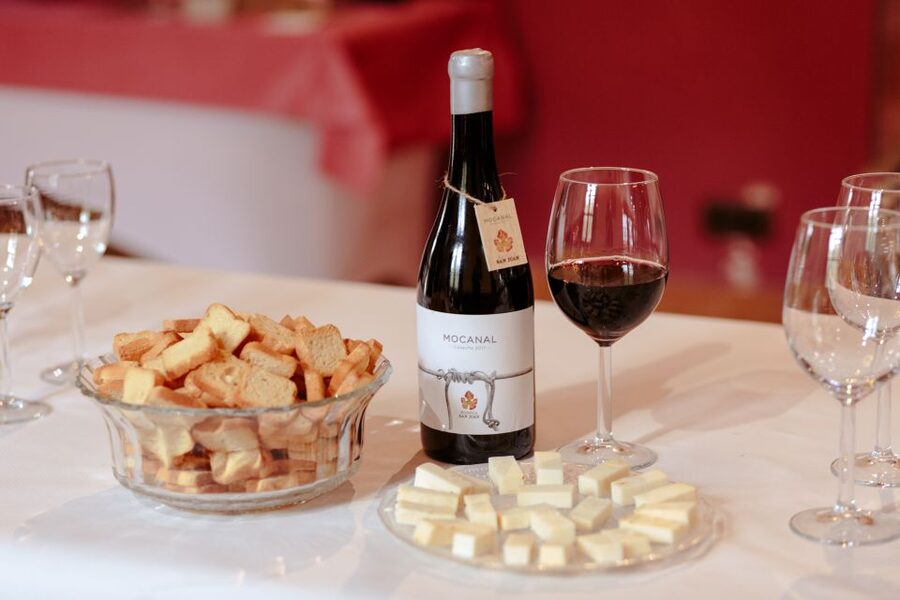
- Two wines with local food: The final tasting includes Gran Canaria cheese, toasted bread, and olives.
- Good value at $34: For 1.5 hours of guiding, a farm walk, museum visit, cellar tour, and tasting, the price is sensible, especially for wine lovers.
A century of wine at Bodega San Juan
Bodega San Juan, at Finca El Mocanal, offers a close look at Gran Canaria’s small-scale wine culture. This is not a large commercial winery built for crowds. It is a family estate where the past remains visible in the buildings, tools, photographs, and methods.
The winery dates back more than 100 years, with the family story reaching through five generations. That detail matters because the tour is not only about tasting wine. You also learn how one family kept working the same property and adjusted its methods as equipment and production changed.
The visit begins at the winery, where you meet your English-speaking host or guide. Maria is the guide most often named in the tour information, and she is described as friendly, humorous, and clear in English. One useful detail is that she has switched between languages when needed, helping a mixed group follow the story.
The setting is one of the strongest parts of the experience. You have time to take photographs of the buildings, vines, and gardens. The estate is especially appealing if you prefer a quiet rural stop to another busy resort attraction.
More Winery Tours in Spain
- Barcelona: Montserrat, Cogwheel, Black Madonna & Winery Tour
★ 4.8 · 5,633 reviews - Montserrat with Black Madonna & Medieval Winery with Tapas/Lunch
★ 5.0 · 5,209 reviews - Montserrat Full Day Tour with Farmhouse Lunch and Winery Visit
★ 5.0 · 1,068 reviews
Walking through the organic vineyards
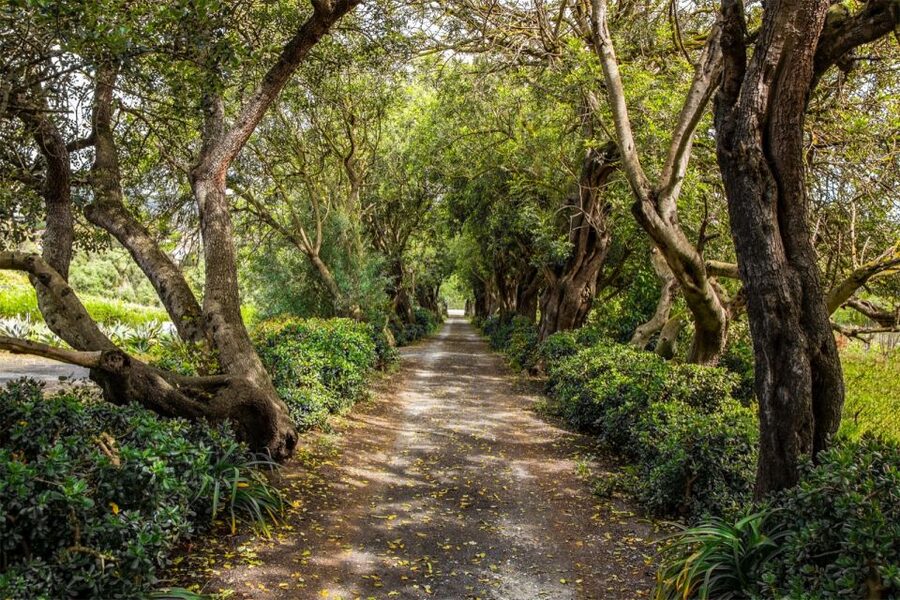
The farm portion gives you a better sense of how island wine begins. You walk through organic vineyards and hear about the grapes grown on Gran Canaria, including endemic varieties suited to the island.
Your guide explains how the local volcanic soil affects the vines and why the island’s sun and climate matter. You also learn about the daily work involved in keeping the crop in good condition. This part is less about technical wine theory and more about seeing the link between place, weather, soil, and farming.
I like this section because it keeps the wine connected to the island. You are not tasting an anonymous bottle in a shop. You are standing near the vines and hearing why these grapes grow here. The information is also useful if you plan to buy a bottle later, since you will understand more about what makes Gran Canaria wine different.
The farm walk may be less comfortable in bad weather, but the tour runs rain or shine. Bring sensible shoes and be ready for outdoor time. The visit lasts only 1.5 hours, so this is a compact walk rather than a long countryside hike.
The old stone lagar and the family photographs
One of the most memorable objects is the roughly 100-year-old stone lagar, where grapes were once trodden by foot. It gives you a clear picture of how much physical work wine-making required before modern equipment became common.
The old family photographs add another human layer. Instead of hearing only dates and production facts, you see the people connected to the estate. The result is a visit that feels rooted in family memory, not just agricultural display.
For me, this is where the winery becomes more than a place to sample wine. The stone lagar shows the old method in a practical way, while the photographs show the family behind it. You do not need to be a serious wine expert to enjoy this part.
The guide also explains how the family has adapted the property through the years. You will see that the estate respects older customs without pretending that wine production has not changed.
Gran Canaria’s small wine museum
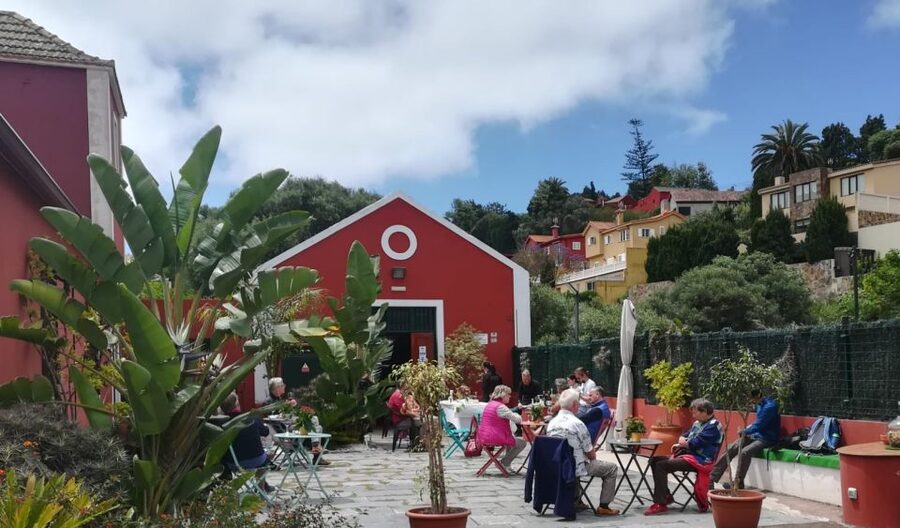
The estate’s wine museum is presented as the only wine museum in Gran Canaria. It is small, but that is part of its appeal. You can see old machinery and learn how grapes moved from the field toward the bottle.
The museum gives useful context before the tasting. You see the tools and equipment first, then visit the cellar and modern facility. That order helps you understand the changes in wine production instead of simply looking at old objects without explanation.
Do not expect a large museum with many rooms or a full day of exhibits. This is a compact stop within a guided winery visit. Its value comes from the story told around the machinery and from the contrast between earlier methods and the equipment used today.
The guide explains the process from grape to bottle, including the work involved in making an organic wine. The tour is designed for a general audience, so you can follow along even if wine terms are not your strength.
Same town, a different pour:
- Barcelona: FC Barcelona Museum “Barça Immersive Tour” Ticket
★ 4.4 · 10,944 reviews - Montserrat & Cogwheel Train, Gourmet Wine Tasting & Tapas/Lunch
★ 5.0 · 6,290 reviews - Madrid Tapas & Wine Tasting Walking Tour – Small Group Local Bars
★ 5.0 · 3,644 reviews - Sevilla Food Tour: Tapas, Wine, History & Traditions
★ 5.0 · 3,468 reviews
The cellar, wooden casks, and modern production
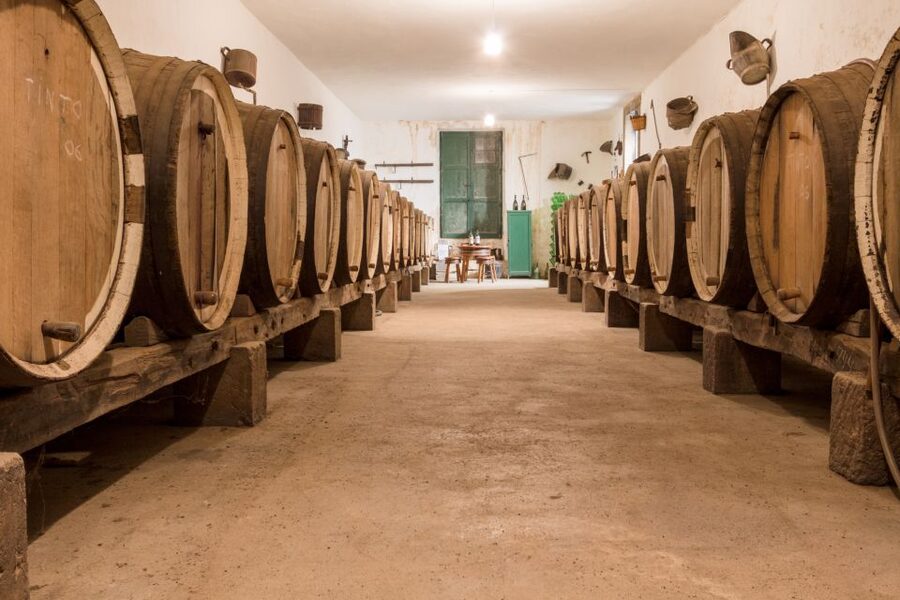
The cellar brings the strongest sensory moment. As you enter, you can smell wine fermenting in wooden casks. That aroma gives the visit a physical quality that a museum display cannot match.
You then compare the old cellar with the modern facility. This contrast is one of the cleverest parts of the tour. The old stone work and traditional equipment show where the winery began, while the modern area shows how the family keeps production practical today.
The tour does not appear to be built around a large industrial operation. That is good news if you want to see a working family business on a human scale. It also means the visit is more about the property, its story, and its methods than about watching a high-volume factory in action.
Ask questions as you go. The guides have been praised for explaining the process clearly and adding stories about the estate. Maria, in particular, is often described as funny and generous with information. On one occasion, she also helped arrange a taxi at the end, which could be useful if you are not driving.
The tasting: two wines and local snacks
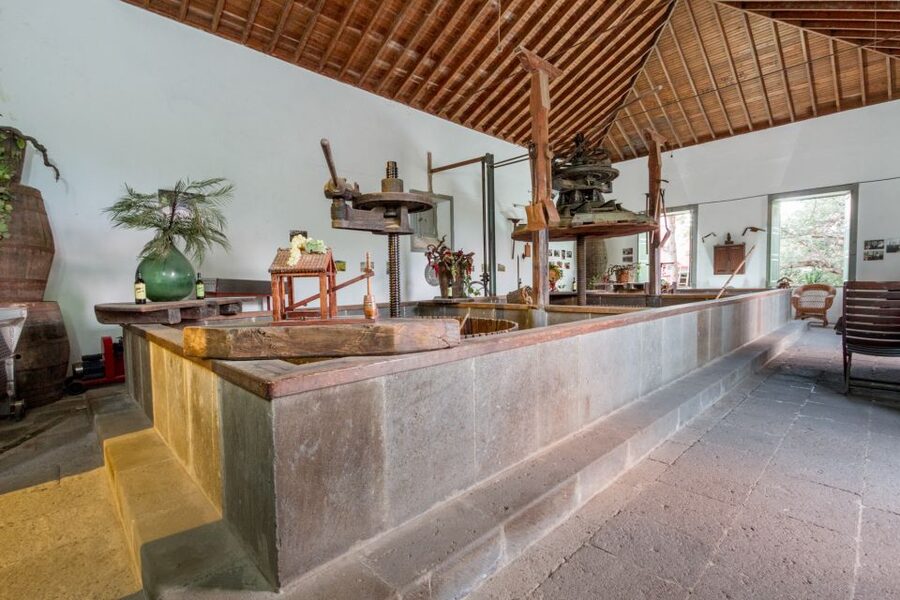
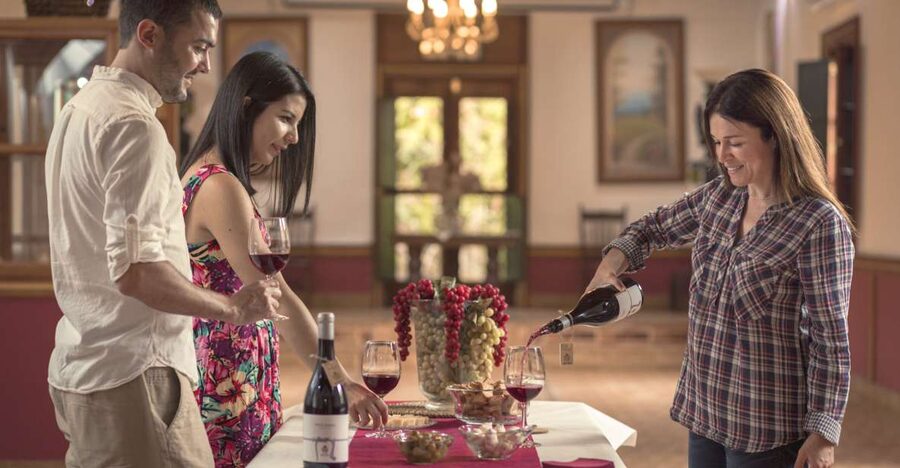
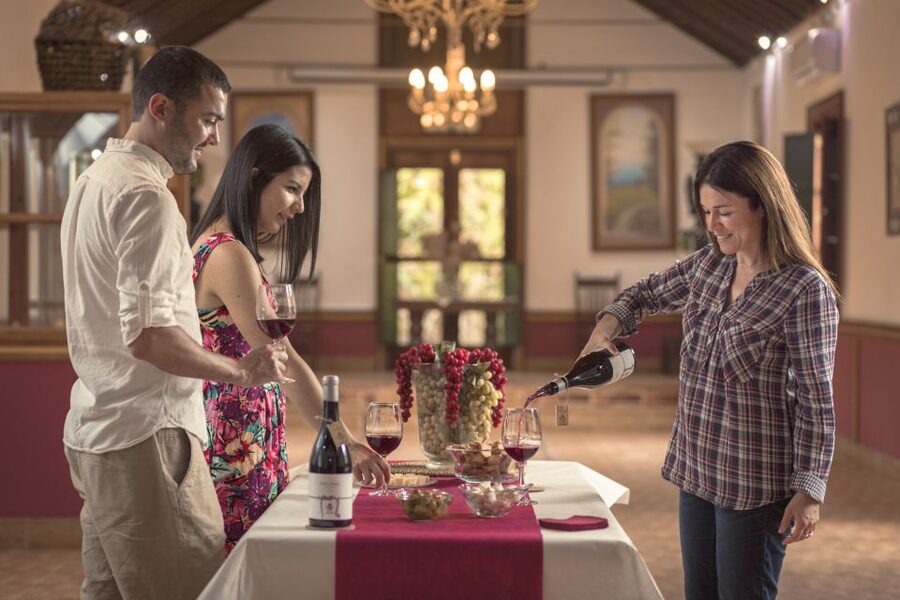
The tour ends in the tasting area, sometimes described as taking place in the beautiful garden. You try two wines with Gran Canaria cheese, toasted bread, and olives.
This is a modest tasting rather than a full meal. Plan to eat beforehand if you are hungry. The food is there to complement the wine and give you a chance to compare flavors, not to replace lunch.
The garden setting adds to the pleasure. You may find butterflies around the plants, and the relaxed surroundings make this feel less rushed than a standard counter tasting. It is a good place to talk with your guide, ask about the bottles, and decide if you want to buy one to take home.
Several people have bought bottles after the visit. One practical warning is that the winery may not always have every wine available for sale. The red wine has been especially well liked, but it was unavailable to buy on one occasion. If you have your heart set on a particular bottle, ask about stock during the tasting.
The wines are local and the estate does not export, so buying a bottle on Gran Canaria may be your only chance to take one home. Check the rules that apply to your own journey before purchasing, especially if you are flying.
Is $34 good value for 90 minutes?
At $34 per person, this tour offers solid value for a short experience. You get a guided farm visit, an organic vineyard walk, the wine museum, the old cellar, an explanation of production, and two wines with cheese, toast, and olives.
The price works best for you if you want a focused activity rather than a full-day excursion. Ninety minutes is long enough to tell the story and enjoy the tasting, but short enough to fit around other plans in Gran Canaria.
I would not book it expecting a large meal, a broad selection of wines, or hours of free time on the property. This is a compact introduction to one family winery. Its value comes from the personal guide, the old equipment, and the chance to taste wine where it is made.
The strong rating of 4.7 from 131 bookings fits the experience described here. The most consistent strengths are the guide, the beautiful setting, the family story, and the wine-and-cheese tasting. The only clear cautions are meeting-point instructions and transport.
Getting to Finca El Mocanal
You must meet at Bodega San Juan, Finca El Mocanal. Hotel pickup and drop-off are not included, so check your route before booking.
Driving is likely the simplest option if you have a rental car, but the supplied information does not give a travel time or parking details. If you plan to use public transport, allow extra time. Getting there by bus has been described as a little complicated but possible.
Give yourself a buffer before the start. One person had trouble finding exactly where the tour began, and another group was delayed by an accident on the GC-1. The winery did move that booking to a later tour, which suggests some flexibility, but you should still aim to arrive early and have the exact meeting point saved.
The tour is led in English, and the host or greeter language is English. If your group includes people who speak other languages, ask in advance what can be accommodated. Maria has handled mixed-language groups before, but that should not be treated as a guarantee for every departure.
Who will enjoy this winery visit?
I would recommend this tour to:
- Wine lovers who want to taste local bottles at their source
- Couples looking for a relaxed afternoon activity
- Families interested in old tools, farming, and local traditions
- Visitors who enjoy small, personal businesses more than large commercial attractions
- Anyone seeking a short activity that fits into a larger Gran Canaria itinerary
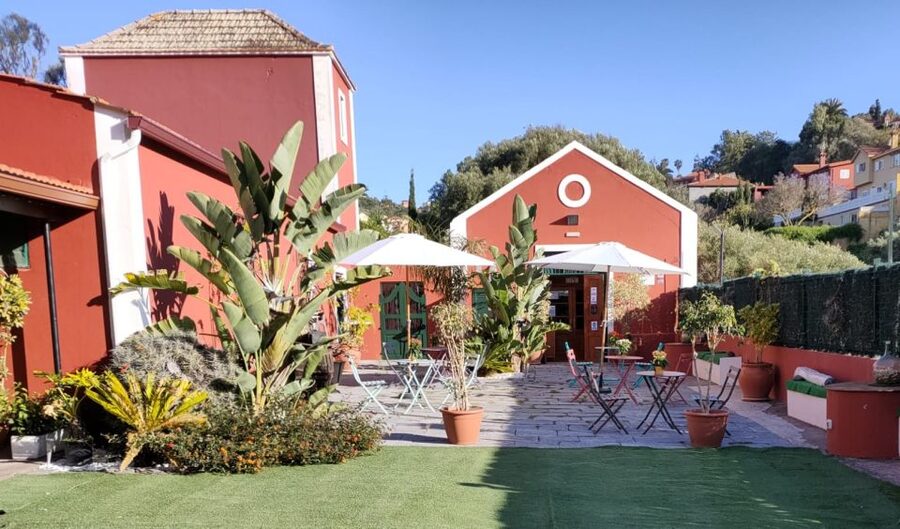
- Photographers who want vineyard, garden, and historic-building views
It is less suitable if you want a long vineyard hike, a large meal, hotel transport, or a choice of many wines. It may also be a poor fit if you dislike outdoor visits in uncertain weather, since the tour operates rain or shine.
The tasting is likely to appeal even to people who are not wine specialists. The guide explains the process in plain terms, and the cheese, bread, and olives give you something familiar to enjoy alongside the wine.
Practical details that matter
The tour lasts 1.5 hours and starts at a scheduled time, so check availability when booking. Cancellation is free up to 24 hours in advance, and you can reserve now and pay later, which helps if your island plans are still changing.
Wear comfortable shoes for the farm and vineyard sections. Bring sun protection for outdoor time, and keep a light rain layer handy because the tour does not stop for poor weather.
The estate offers plenty of photo opportunities. You can photograph the vines, historic buildings, cellar details, garden, and old machinery. Be respectful around working areas and follow the guide’s instructions.
The guide’s tone may vary by departure. Most of the feedback points to warm, clear guiding, especially from Maria, but one person found the initial welcome abrupt and said the starting point was not explained clearly. I would treat that as a reason to confirm the meeting details, not as a reason to dismiss the tour.
Should you book Bodega San Juan?
Book it if you want a short, personal introduction to Gran Canaria wine with a real family connection. The old lagar, museum tools, wooden casks, organic vines, and garden tasting give the visit more character than a simple glass of wine at a bar.
At $34, the combination of guiding, history, farm access, two wines, and local snacks is fair. Just plan your own transport, confirm exactly where to meet, and do not count on a specific bottle being available to buy.
For wine fans, couples, and curious visitors who enjoy local food and working estates, this is an easy recommendation. If you are mainly looking for a full meal or a long countryside excursion, spend your money elsewhere.
FAQ
How long does the Gran Canaria winery tour last?
The tour lasts 1.5 hours, including the farm and vineyard visit, museum and cellar sections, and wine tasting.
How much does the tour cost?
The listed price is $34 per person.
What wines and food are included?
You taste two wines accompanied by Gran Canaria cheese, toasted bread, and olives.
Is hotel pickup included?
No. You must make your own way to Bodega San Juan at Finca El Mocanal.
What language is the tour offered in?
The listed tour language is English. Maria has also accommodated mixed-language groups by switching between languages when needed.
Does the tour run in bad weather?
Yes. The tour takes place rain or shine.
Can I cancel the booking?
You can cancel up to 24 hours in advance for a full refund. You can also reserve now and pay later.
More Museum Visits in Spain
- Picasso Museum and Walking Tour Plus Wine Tasting Upgrade
★ 4.3 · 111 reviews - NYC: Empire State Building Tickets – Observatory & Museum
★ 4.7 · 25,757 reviews - Porto: Cálem Cellar Tour, Interactive Museum & Wine Tasting
★ 4.5 · 4,113 reviews - Dublin Irish Whiskey Museum and Gallery Guided Tour with Tasting
★ 5.0 · 3,078 reviews
Freshly poured around Spain
- Picasso Museum and Walking Tour Plus Wine Tasting Upgrade★ 4.3 · 111 reviews
- Personalised Traditional Madrid Night Tapas and Drinks Tour★ 5.0 · 95 reviews
- Penedès: Discovery Tour with Cava Tasting★ 4.6 · 76 reviews
- Ibiza: Secret Coves Guided Boat Tour with Open Bar and Tapas★ 4.7 · 70 reviews
- Palamós: Sunset Boat Tour with Glass of Cava★ 4.2 · 74 reviews
- Barcelona: Montserrat Tour with Lunch & Wine Tasting Option★ 4.6 · 286 reviews
- Barcelona: Montserrat with Winery Visit and Farmhouse Lunch★ 4.7 · 178 reviews
- Manilva: Nilva Vineyard, Wine Tasting & Tapas Guided Tour★ 4.9 · 156 reviews
Winery Tours, side by side.
Tuscany Day Trip from Florence: Siena, San Gimignano, Pisa and Lunch at a Winery
Read our review →
Florence: Chianti Wineries Tour with Wine Tasting
Read our review →
Porto: Douro Valley with Winery Lunch, Tastings & Cruise
Read our review →
Barcelona: Montserrat, Cogwheel, Black Madonna & Winery Tour
Read our review →
Montserrat with Black Madonna & Medieval Winery with Tapas/Lunch
Read our review →
From Florence: Siena, San Gimignano, Pisa & Lunch at Winery
Read our review →
Wine Tour: Paarl, Franschhoek & Stellenbosch incl 3 wineries
Read our review →
Douro Valley Tour: 2 Vineyard Visits, River Cruise, Winery Lunch
Read our review →Lists this tasting sits in