
Review · CROATIA
Hvar: Hvar Wine Tasting Experience
Hvar’s best wine experience begins with leaving Hvar Town behind. You cross the island on an old road, pass lavender fields and quiet villages, then settle into a cellar or tasting room for local wines and olive oil. Dinko and Urška are two guides frequently assigned to this outing, and both bring the island to life with stories about farming, family, and old customs.
I like the scenic drive and the personal guiding. You get viewpoints, old settlements, olive trees, and local agriculture before the first glass is poured. I also like the winery setting, which may be a candlelit cellar rather than a polished tasting room. The main thing to consider is that you visit one winery only, and the food served with the tasting can vary. One account described generous cheese and meat pairings, while another received bread with olive oils and needed dinner afterward.
Key points to know before booking
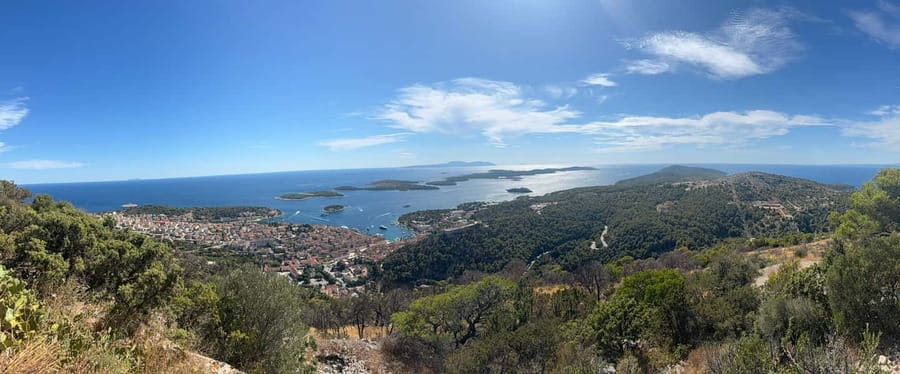
- Cross-island route: Travel from Hvar Town toward Jelsa, Vrboska, or nearby wine country on an old road with bends, climbs, and wide island views.
- One winery visit: Taste wines from one producer, with possible visits to Carić, Tomić, or Duboković.
- Local guides matter: Dinko and Urška are praised for sharing personal stories, island history, and information about lavender, olives, and farming.
- Wine and olive oil tasting: Expect several wines, often including white, rosé, and red, plus traditional olive oil.
- A cultural outing: Stops can include viewpoints, lavender plots, old villages, and agricultural areas, not just the winery.
- Bring cash: Some wineries accept cash only for bottles and other products.
Why this is more than a wine tasting
Hvar has a party reputation, especially around Hvar Town. This experience gives you a useful change of pace. Instead of staying by the waterfront, you head into the island’s interior and toward the eastern side, where vineyards, olive groves, lavender, and small settlements tell a quieter story.
I like that the wine is not treated as an isolated product. Your guide explains how the island’s dry conditions, rocky ground, old farming methods, and coastal position shape local agriculture. You may hear about traditional house construction, abandoned villages, wild herbs, and the movement of families from rural areas into towns or away from the island.
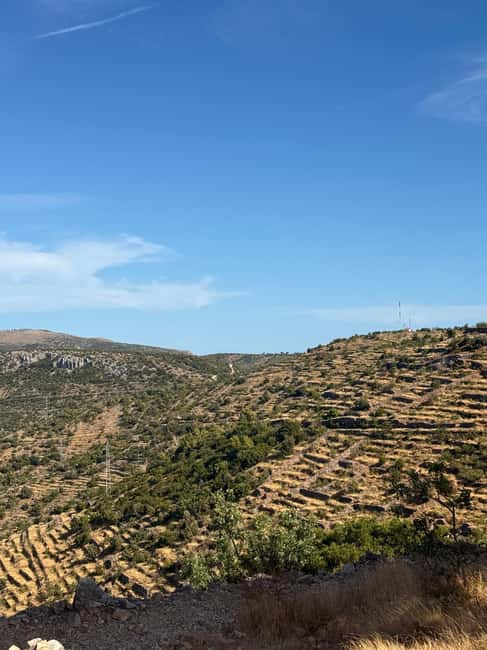
The outing also gives you a better sense of Hvar’s size. From Hvar Town, the island can look like a compact holiday setting of beaches and stone lanes. The drive shows you another side: steep roads, high viewpoints, fields that can appear almost bare in places, and small villages with a slower rhythm.
The tour is offered in English and is designed for a small group. The minimum is two people, so solo booking carries a small risk of cancellation if nobody else joins. If that happens, the operator says it will try to offer another tour, or provide a full refund if no alternative works.
More Wine Tasting Tours in Croatia
- From Split: Krka Waterfalls, Food & Wine Tasting Tour
★ 5.0 · 9,326 reviews - From Split: Krka Waterfalls, Food & Wine Tasting Tour
★ 4.9 · 6,598 reviews - Krka National Park Tour with tour Guide & Wine tasting from Split & Trogir
★ 5.0 · 1,625 reviews
The old road across Hvar
The drive is one of the strongest parts of the experience. You travel by vehicle with a driver and guide, taking an old route across the island toward the wine-producing area around Jelsa or Vrboska. Some outings also reach the area near Vrbanj, depending on the winery and route used that day.
This is not a straight transfer on a modern highway. The road includes hairpin bends and steep sections, so you should be comfortable with winding mountain driving. In return, you get views that are hard to appreciate from Hvar Town alone.
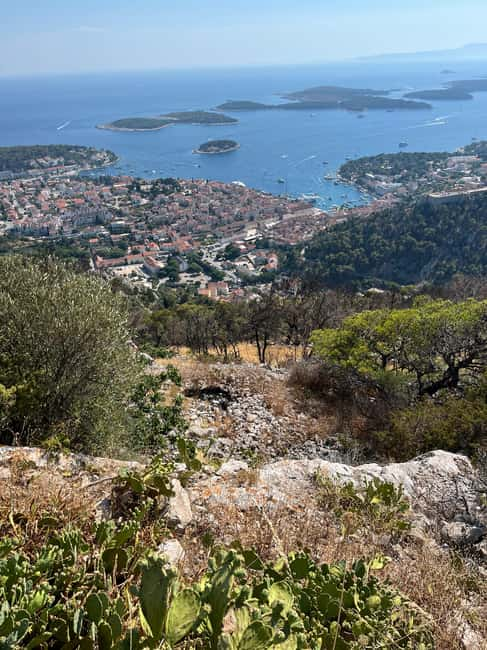
A stop at a high viewpoint may offer broad views over Hvar and the surrounding islands. One popular stop is near Napoleon’s fortress, where the elevated position makes an excellent photo break. The exact stops can vary, but the point is clear: the drive is part of the tour, not dead time between Hvar Town and the winery.
Your guide may also point out old lavender fields, olive trees, abandoned villages, and areas where local crops once supported larger rural communities. Some guides have personal connections to the island going back generations. Dinko, for example, has spoken about his family’s long connection to Hvar and what it was like growing up there.
I find this kind of guiding more useful than a string of formal facts. You begin to understand why one village survives while another has emptied, why lavender became important, and how olive and grape growing fit into island life.
Lavender fields, olive groves, and old villages
Lavender is part of Hvar’s visual identity, but do not expect endless purple fields on every outing. One account described the lavender area as small, though still lovely. The amount in bloom will depend on the season, and the tour’s exact route may change.
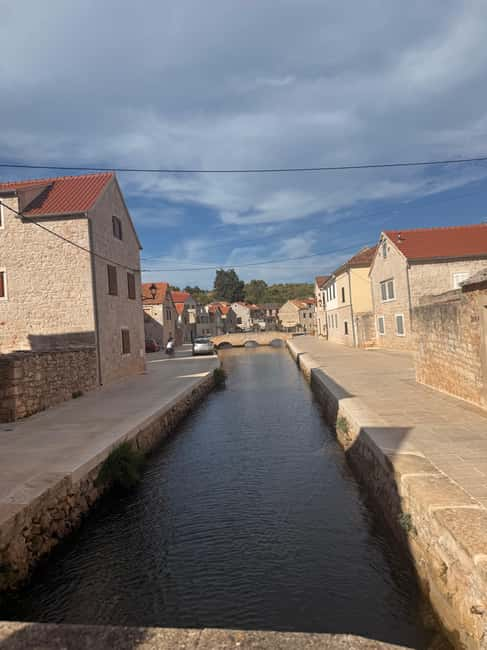
The same applies to the villages and agricultural stops. You may see old settlements whose residents have moved to Hvar Town or farther away. You may also stop to look at olive trees or roadside herbs. One guide picked mint, oregano, and other wild herbs during the drive, using them to explain the strong flavors produced by Hvar’s growing conditions.
These moments make the tour feel less like a standard coach excursion. The guide can respond to your questions and point out details you would likely miss on your own. You might learn about local food, traditional building methods, or the way families once worked the land.
The scenery is especially valuable if you have spent most of your Hvar time swimming, sunbathing, or walking the main streets. You will see a more rural island, though the stops are brief and the route is not a dedicated hiking program.
One winery, three possible producers
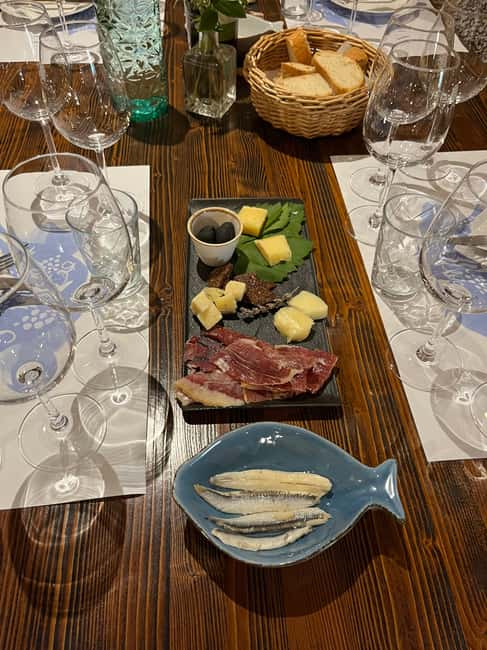
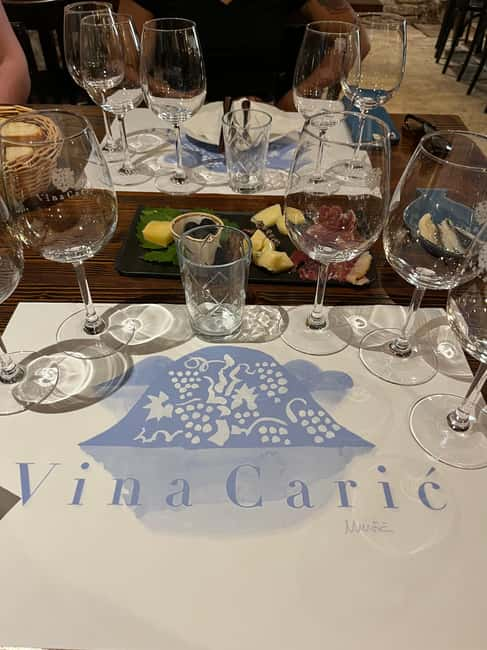
The experience includes a visit to one winery. Depending on the schedule, the producer may be Carić, Tomić, or Duboković. You are not touring a group of vineyards or comparing several estates in one afternoon. Instead, you spend time with one winery and taste its wines in a focused setting.
That format has a clear advantage. The winery guide can explain the producer’s approach, the local grapes, and the character of the wines without rushing you from one stop to the next. At some locations, the tasting takes place in a rustic cellar. One evening tasting was held at a candlelit table, which created a warm, old-world atmosphere without needing a fancy room.
The setting can also be quite simple. One account found the tasting location average, even though the guide and overall route were excellent. That is fair warning for anyone expecting an elaborate estate or luxury wine resort. This is local and personal, not a glossy Napa-style production.
At Duboković, the tasting has included around six wines and a chance to buy bottles afterward. At Tomić, the wines were presented with descriptions of their place in Croatian wine culture, along with small food pairings. The exact number of pours and the menu can vary, but expect several wines rather than a single sample.
You may taste white, rosé, and red wines. Some tastings have included about five or six wines, while another included closer to eight. The wines are generally served with explanations from the winery host, and you can ask questions about style, production, and pairing.
Same town, a different pour:
- Split: Krka Waterfalls With Boat Cruise, Wine and Olive Oil
★ 4.3 · 1,507 reviews - Split/Trogir: Krka National Park Day Trip with Wine Tasting
★ 4.7 · 925 reviews - Dubrovnik: Panoramic Sunset Cocktail Cruise Around Old Town
★ 4.6 · 353 reviews - Dubrovnik Gastronomy: 3-Hour Food and Wine Tour
★ 4.9 · 249 reviews
What you may taste with the wine
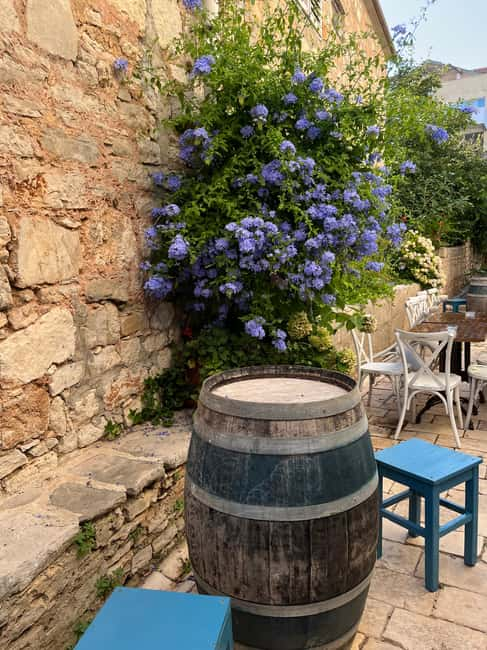
The olive oil tasting is an important part of the outing. You sample several traditional oils, often with bread for dipping. This gives you a simple but useful way to compare bitterness, fruitiness, and strength.
Food pairings are less consistent. Some groups have received bread, cheese, cured meats, chocolate, and other small bites matched with the wines. Other groups received bread and olive oils but no substantial food. I would treat the included tasting as a snack, not a replacement for dinner.
That distinction matters because the tasting can take place in the late afternoon or evening. If you tend to need a full meal with wine, plan to eat afterward in Hvar Town or wherever you are staying.
The generous version of the tasting can feel like a proper culinary experience, especially when each wine has a small pairing. The lighter version is still useful for sampling local wine and oil, but less satisfying if you arrive hungry.
You can usually buy bottles and olive oil at the winery. Bring cash, since some producers accept cash only. The chance to take home a bottle is one of the pleasures of visiting a small producer, but check your airline, ferry, and luggage rules before buying more than you can carry.
The guides make the difference
The most praised part of this experience is the guiding. Dinko is often described as warm, funny, and deeply attached to Hvar. He shares stories of island life, farming, family traditions, and local places rather than giving only a memorized speech.
Urška is also frequently praised for her friendly manner and strong command of Hvar’s past and present. She may add extra viewpoints or stops when time allows, and her style suits people who enjoy asking questions during a drive.
That personal element explains why the same basic route can feel different from a standard winery transfer. You are not only being taken somewhere to drink wine. You are being introduced to the island through someone who lives there or has a close connection to it.
The winery host matters too. At Tomić, Antonia has presented the wines with clear explanations and food pairings. At Duboković, Stipe has been described as especially welcoming and happy to spend time discussing the wines.
Names and hosts cannot be guaranteed, so book this for the format rather than for one particular person. Still, the consistently warm guiding is a good sign for anyone who values local conversation over a formal lecture.
Is the $129 price fair?
At $129 per person, this is not the cheapest way to taste Hvar wine. You are paying for more than the pours: transportation from Hvar Town, a driver, an English-speaking guide, the cross-island route, scenic stops, a winery guide, and wine and olive oil tastings.
The value is strongest if you want to see the island beyond town and would otherwise need to arrange a car or taxi. Driving yourself after several wines is not a sensible plan, and finding a winery, organizing transport, and fitting in viewpoints would take effort.
The price is less compelling if your only goal is to taste wine in a cellar. You could likely find a simpler tasting in town, though it would not include the old road, rural villages, high viewpoints, or the guide’s explanation of island life.
Group size also affects the value. The tour has a minimum of two people, and several outings have felt almost private because only a few people joined. That gives you more time to ask questions and can make the drive feel personal.
There is no stated duration in the supplied details, though the outing is described as lasting a few hours. The exact winery, route, number of stops, and food served can change, so ask at booking if those details matter to you.
Who will enjoy this Hvar outing?
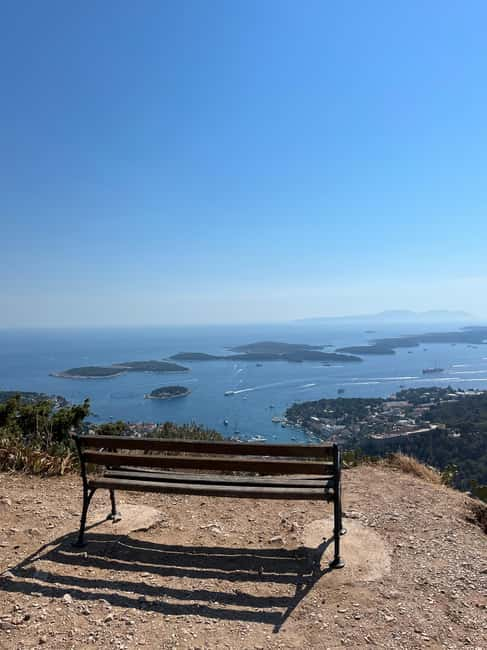
I would choose this tour if you want a relaxed cultural afternoon or evening with wine at its center. It suits couples, solo visitors who enjoy small groups, and anyone who wants a local introduction to Hvar rather than another visit to the waterfront.
It is also a good fit for people who like scenic drives and short stops. You do not need to be a serious wine expert. The hosts explain the wines in accessible terms, and the olive oil tasting adds variety.
You may want another option if you expect a full vineyard-hopping day, a large meal, or a polished luxury estate. You visit one winery, the food may be modest, and the road can be winding.
Bring a camera for the viewpoints and villages. Bring cash for bottle purchases and other products. Comfortable clothing is sensible for the drive and cellar setting, though there is no stated dress requirement.
The cancellation policy is practical: you can cancel up to 24 hours in advance for a full refund. Keep in mind that the operator can cancel after confirmation if the minimum of two people is not met.
Should you book the Hvar wine tasting?
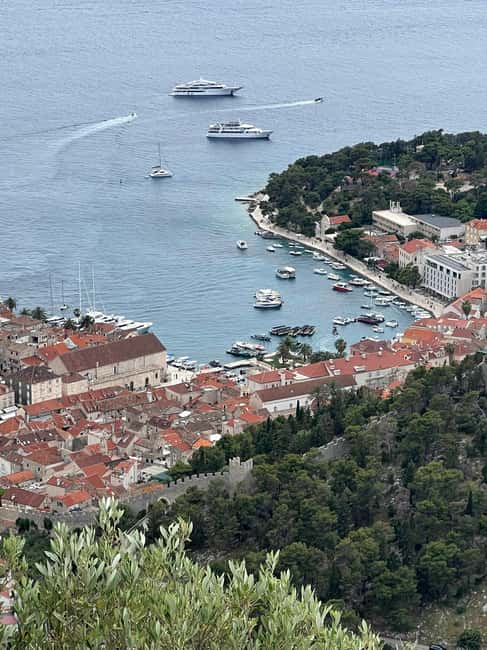
I would book it if you want to understand Hvar through its wine, olive oil, farming, and villages, not just through its beaches. The scenic drive and the guides, especially Dinko or Urška when assigned, add real value to the tasting.
Go in expecting one producer, several local wines, olive oil, and a variable amount of food. If you accept the rustic setting and possible need for dinner afterward, the $129 price buys a thoughtful way to see the other side of Hvar without driving yourself.
FAQ
Where does the Hvar wine tasting begin?
The experience includes pickup from Hvar Town, followed by transportation across the island to its main wine-producing area.
Which wineries might I visit?
The listed possibilities are Carić, Tomić, or Duboković. You visit one winery during the experience.
Will I visit several vineyards?
No. This is a visit to one winery, combined with a scenic drive and stops around Hvar.
What wines will I taste?
The tasting can include several local wines, including white, rosé, and red styles. Some outings have included about five or six wines, while another included closer to eight.
Is olive oil included?
Yes. Olive oil tasting is included along with the wine tasting.
Is food included with the tasting?
Small food pairings may be served, such as bread, cheese, cured meats, chocolate, or other snacks. The amount can vary, and you should not depend on the tasting as a full dinner.
Do I need to bring cash?
Yes. Some wineries accept cash only for purchases of wine and other products. Cash is not listed as an included part of the tour price.
What happens if fewer than two people book?
The tour requires at least two participants. If that minimum is not met, the operator may cancel after confirmation, attempt to offer an alternative, or provide a full refund if no suitable alternative is available.
Freshly poured around Croatia
- Omiš: 2-Hour Cetina River Glassboat And Beer Garden Visit★ 4.0 · 86 reviews
- Split: Krka National Park Full-Day Tour with Wine Tasting★ 4.9 · 142 reviews
- Split/Trogir: Krka National Park Day Trip with Wine Tasting★ 4.7 · 925 reviews
- Korcula: Buggy Safari with Local Food and Wine Tasting★ 5.0 · 97 reviews
- Pelješac Full-Day Wine and Food Tour from Dubrovnik★ 5.0 · 72 reviews
- From Makarska Riviera : Wine Tasting Grabovac Tour★ 4.4 · 59 reviews
- From Dubrovnik: Half-Day Wine Tasting and Cavtat City Tour★ 4.8 · 112 reviews
- Dubrovnik: Oyster, Mussles, and Wine Tasting Tour in Ston★ 5.0 · 77 reviews
Wine Tasting Tours, side by side.
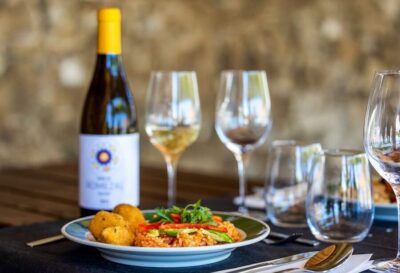
From Porto: Douro Valley w/ Boat Tour, Wine Tasting & Lunch
Read our review →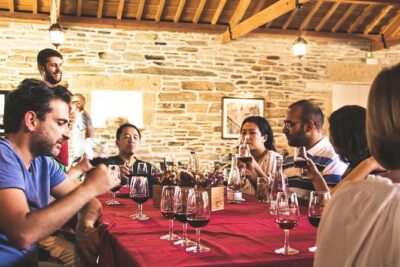
Complete Douro Valley Wine Tour with Lunch, Wine Tastings and River Cruise
Read our review →
Florence: Chianti Wineries Tour with Wine Tasting
Read our review →
From Split: Krka Waterfalls, Food & Wine Tasting Tour
Read our review →
Small-Group Wine Tasting Experience in the Tuscan Countryside
Read our review →
Montserrat & Cogwheel Train, Gourmet Wine Tasting & Tapas/Lunch
Read our review →
Rome: Tuscany & Montepulciano Day Trip with Lunch & Wine Tasting
Read our review →
SMALL-GROUP Wine Safaris: Tuscan Wine Tasting Tours from Florence
Read our review →Lists this tasting sits in