
Review · KRAKOW
Krakow: Vodka Factory Museum Entry Ticket and Tasting
Krakow’s Vodka Factory Museum turns a familiar drink into a story about technology, trade, and daily life. Set inside the historic Fabryczna City complex, it fills nearly 1,500 square meters with old distilling equipment, industrial scenes, a prewar bar, and displays from Poland’s communist period. I like the clear sequence through seven themed halls, and I like that the visit ends with a tasting rather than stopping at displays alone.
The multimedia presentation gives the museum more energy than a glass case exhibit, while the included audio guide lets you move at your own pace. The main drawback is that much of the written material is in Polish and English, even when you select another audio-guide language. You should also confirm your entry time, since busy periods can bring a 15 to 30 minute wait.
Key points at a glance
- Seven themed halls: Follow vodka production from medieval distillation to modern bottling and distribution.
- Historic Fabryczna City setting: The museum occupies a former industrial complex at 13 Fabryczna Street.
- A full Polish spirits story: Learn about vodka’s role in technology, the economy, social life, and culture.
- Audio guide in five languages: English, German, French, Italian, and Ukrainian are available.
- Tasting at the end: The final drink gives the visit a pleasant and practical finish.
- Flexible visit length: Your ticket is valid for one day, with no stated time limit inside the museum.
What the Vodka Factory Museum is really about
This is not simply a tasting room with a few old bottles on the wall. The museum treats vodka as a product shaped by farming, engineering, transport, trade, politics, and social custom.
That wider approach is useful. You learn why production methods changed, how ancient recipes influenced later work, and how distilleries grew from small agricultural operations into industrial facilities. The subject may appeal most to adults interested in food and drink, but the museum also gives you a compact lesson in Polish economic and social history.
The museum covers nearly 1,500 square meters, with a large section given to interactive exhibits. You move through reconstructed scenes and multimedia displays rather than reading one long block of text after another. That makes the visit easier to follow, especially if you are traveling with someone who is less interested in technical detail.
You do not need to be a vodka expert. The presentation begins with basic production ideas and places them in time. By the end, you have seen the equipment, the workplaces, the transport systems, and the finished bottles.
More Museum Visits in Krakow:
- NYC: Empire State Building Tickets – Observatory & Museum
★ 4.7 · 25,757 reviews - Barcelona: FC Barcelona Museum “Barça Immersive Tour” Ticket
★ 4.4 · 10,944 reviews - Porto: Cálem Cellar Tour, Interactive Museum & Wine Tasting
★ 4.5 · 4,113 reviews
Seven halls, seven angles on Polish vodka
The exhibition is arranged as seven thematic halls. The exact amount of time you spend in each is up to you, which is useful if one subject catches your attention more than another.
The early sections explain distillation technology over the centuries. Medieval distilling apparatus helps show how basic equipment worked before large industrial plants appeared. This is one of the more useful parts of the museum for visitors who want to understand the process rather than simply admire old bottles.
The displays also connect production to ancient recipes and methods. You can see how older techniques became part of later vodka-making traditions. The museum’s point is not that every method stayed unchanged, but that production developed through a mix of inherited practice and new technology.
One hall presents a noble-court feast. This scene shifts the focus from machinery to social life. Spirits were not only factory products. They appeared at meals, celebrations, and formal gatherings, and their place at the table tells you something about status and custom.
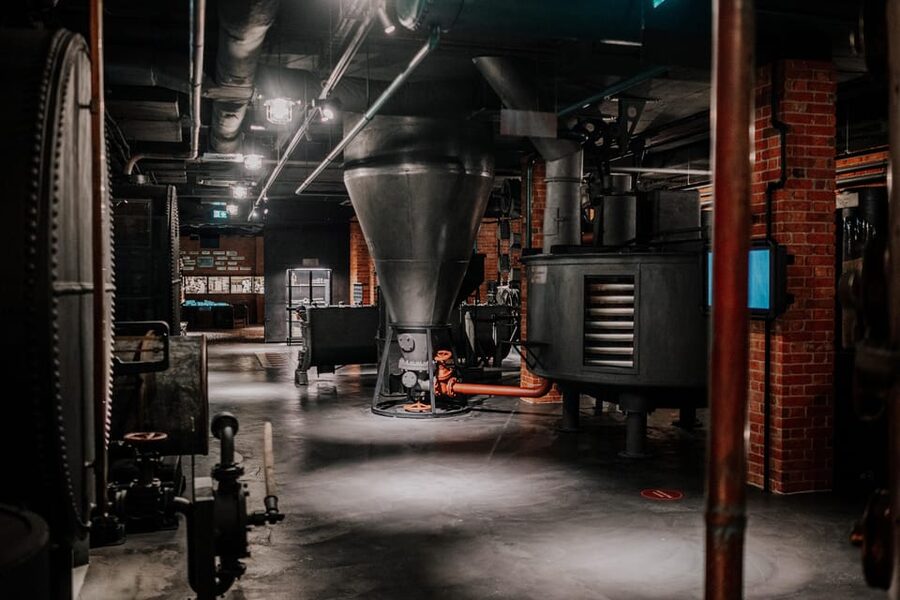
The distillery revolution comes next, with industrial facilities showing how production changed on a larger scale. This section should appeal to anyone interested in the move from small-scale work to organized manufacturing. It also helps explain why vodka became an important economic product rather than a local drink made in limited quantities.
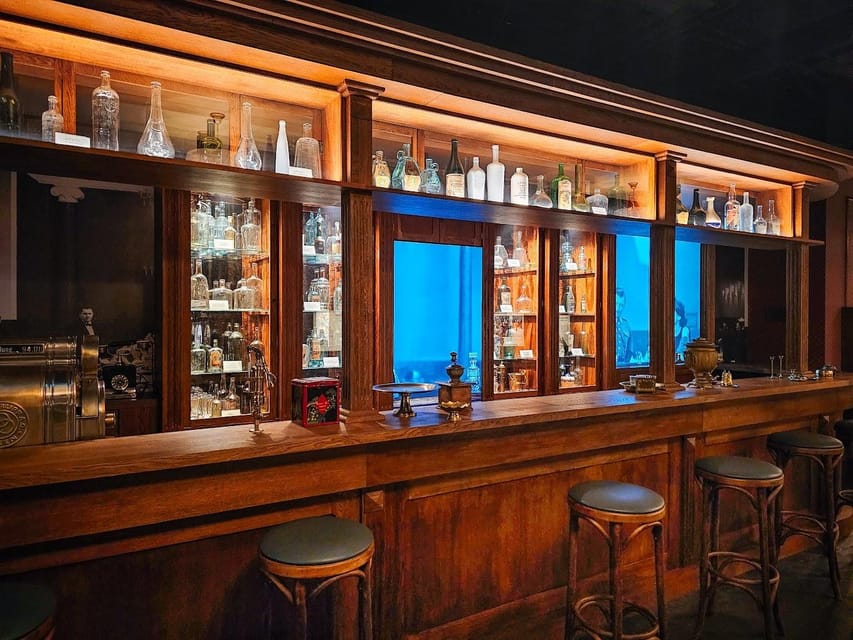
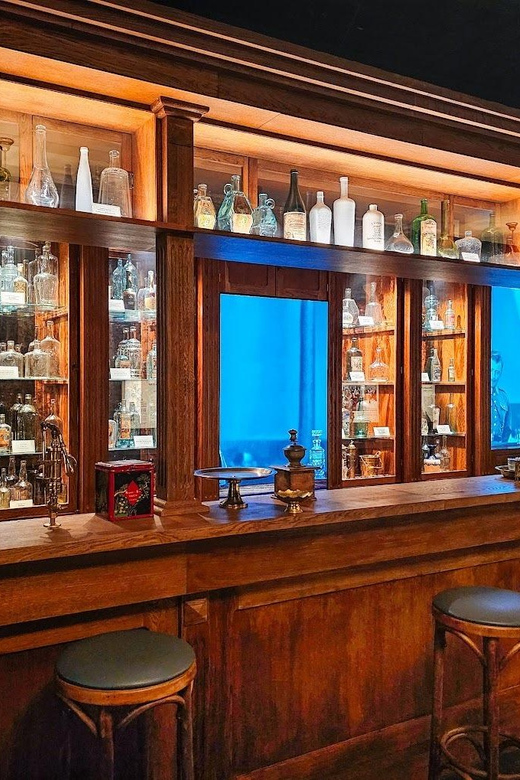
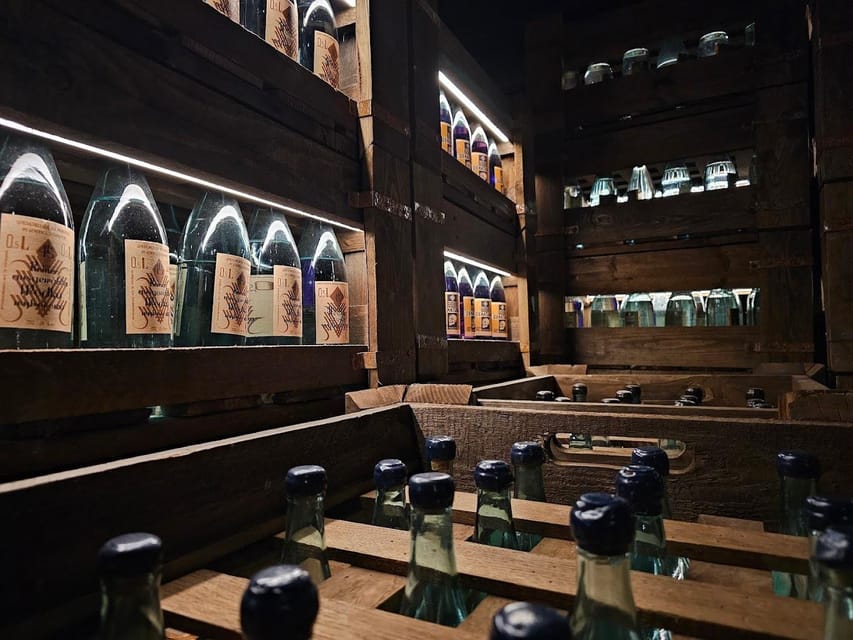
A bar from the interwar period adds a more atmospheric stop. It gives you a sense of how vodka fit into public life between the world wars. The scene is more visual than technical, so it breaks up the machinery and production displays.
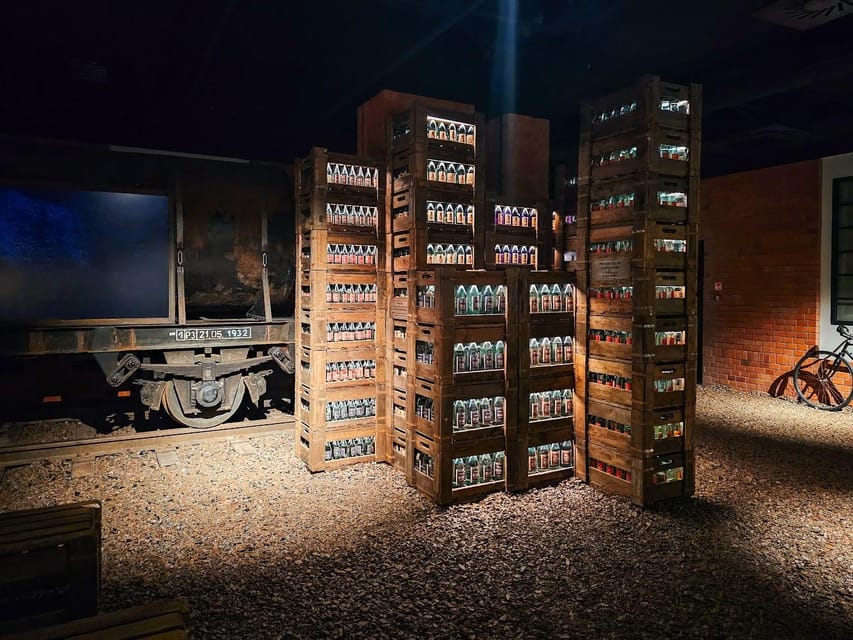
Another recreated area shows the square in front of Vodka Distillery No. 11, including its railway siding. That detail matters because a factory is only part of a product’s story. Rail transport helped connect production with markets, and the siding shows the practical systems behind the bottles.
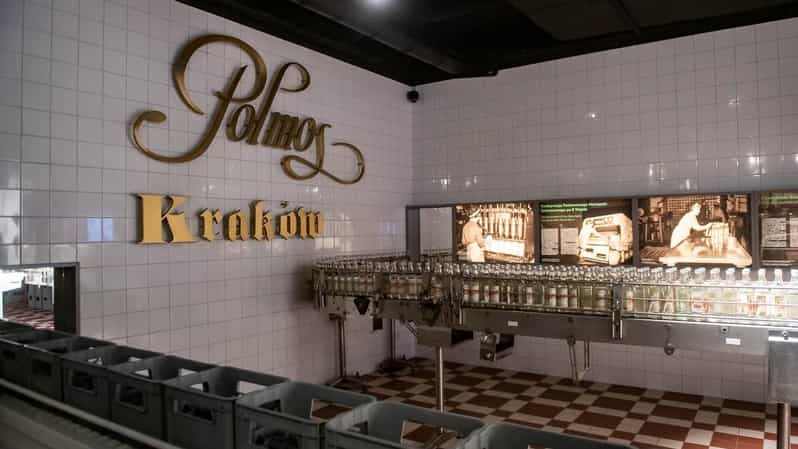
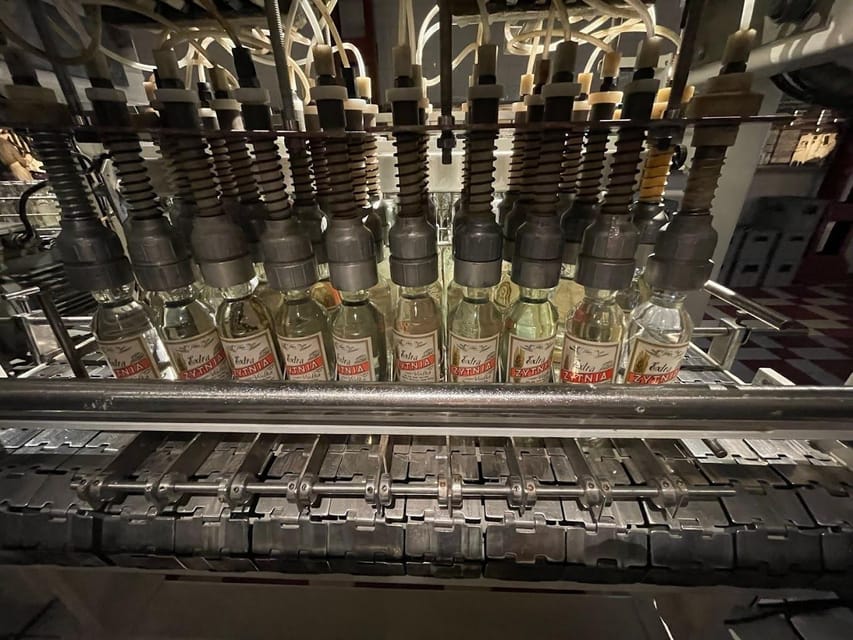
You also see an agricultural distillery, bottling facilities, and loading areas for finished products. These spaces explain the path from raw materials to sealed bottles ready for shipment. If you are interested in how food and drink move through a supply chain, this is one of the museum’s strongest sections.
From factory floor to Polish memory
The museum does not stop with production. A wall devoted to vodkas from the period of the Polish People’s Republic adds a political and cultural layer to the visit.
The display connects familiar brands and packaging with a particular period in Poland. You get a reminder that labels and bottles can carry memories, not just alcohol. For visitors who know little about Poland’s communist era, this section offers a small but concrete way to connect everyday consumer goods with recent national history.
The President’s office adds another setting, while a cozy cinema hall gives you a place to watch related material. These rooms help vary the pace. You are not walking through seven identical industrial displays, and the museum uses rooms, sound, film, and staged scenes to keep the subject moving.
The multimedia format is helpful, but it has one practical weakness. The written texts are only in Polish and English, according to the information available for the visit. Audio support in French, German, Italian, and Ukrainian can help with the videos and spoken material, but it may not translate every sign in the room.
If English is not comfortable for you, select your audio-guide language before starting. A French-speaking visitor specifically noted that the audio guide helped with video translation, while the written material remained in Polish and English.
How the audio guide works in practice
An audio guide is included in English, German, French, Italian, and Ukrainian. There is no live guide service, so the device is your main explanation as you move through the rooms.
That arrangement gives you privacy and control. You can pause, replay, or move ahead without keeping up with a group. It also means you need to manage the visit yourself. If you prefer lively questions and direct conversation, a live tour would offer something this ticket does not.
The equipment may not be perfect. One English-speaking visitor found that the device did not work all the time. Another practical issue is sound: if you are in a group of more than two, several audio devices can create a confusing mix of voices when they are not synchronized.
I would bring patience and avoid starting every device at exactly the same moment. If the audio unit fails or becomes difficult to follow, ask the English-speaking host or greeter for help. The host is listed as English-speaking, but the museum does not include a live guided service.
The audio guide is best viewed as a useful aid, not a replacement for a personal guide. The visual scenes carry much of the visit, and you can still understand the broad story by looking at the displays and watching the multimedia material.
More Tickets Worth Buying in Krakow:
- Paris: Moulin Rouge Cabaret Show Ticket with Champagne
★ 4.7 · 16,088 reviews - Prague: Entry ticket to Ice Pub Prague with Nightclub Option
★ 4.1 · 5,273 reviews - Bordeaux: Cité du Vin Entry Ticket and Wine Tasting
★ 4.6 · 3,885 reviews - Tennent’s Brewery Tours Ticket
★ 5.0 · 1,938 reviews
The vodka tasting at the end
The tasting is included in the ticket and comes after the museum visit. This is a sensible order. You first learn how vodka was made and used, then finish with a small practical connection to the subject.
The tasting received particularly warm praise in the available feedback. One visitor called it lovely, and another described it as a very good part of the activity. That does not make it a full tasting course, and no information is provided about the number or names of samples, so you should not book this expecting a detailed spirits class.
Still, the tasting adds value. Without it, the museum could feel like a technical exhibition about an ordinary product. Ending with a sample gives the subject a direct conclusion and lets you consider the differences between production methods and drinking traditions.
Drink responsibly, especially if you have other plans in Krakow afterward. The museum does not state the size or number of pours, so treat the tasting as a modest part of the visit rather than a reason to schedule a packed afternoon of activities.
Allow time for the museum, not just the tasting
The ticket is valid for one day, and you have unlimited time inside the museum during that period. That is useful because the attraction does not force you through a fixed schedule.
You can move quickly through the halls in about the time that suits you, or slow down for the films, machinery, and reconstructed rooms. The supplied information does not set a typical visit length, so I would leave a generous block of time rather than trying to squeeze it between two tightly timed attractions.
The main timing concern comes before entry. During busy periods, you may face a 15 to 30 minute wait even if you have a ticket. Contact the museum in advance to confirm availability at your preferred time. This is especially important if you are planning around a train, meal reservation, or another timed attraction.
The museum is open for a visit beginning at a selected time shown during booking, but availability can vary. The ticket allows you to skip the ticket line, though that does not remove the possibility of a short wait caused by visitor numbers.
Location at Fabryczna City
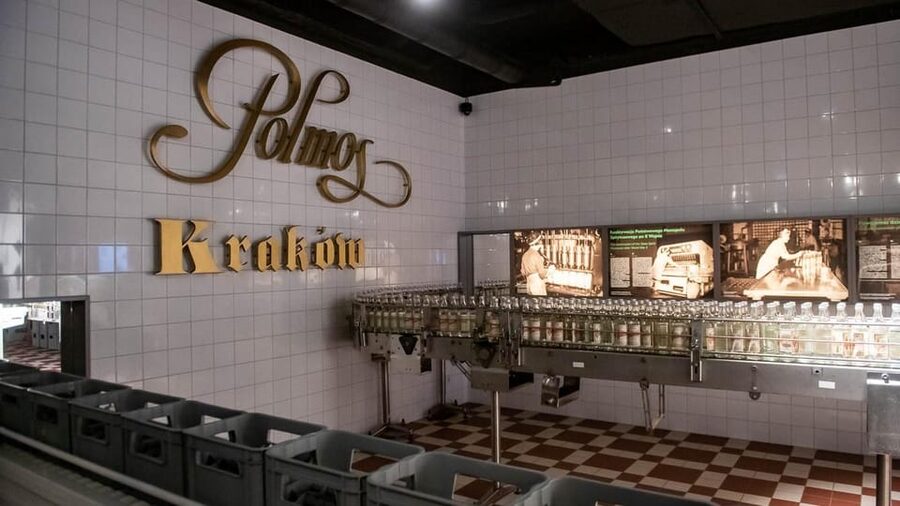
The museum is at 13 Fabryczna Street, inside the Fabryczna City complex in Krakow. The setting matters because the visit takes place in a historic industrial environment rather than in a detached modern tasting venue.
Fabryczna City gives the exhibition a natural connection to factories, transport, and production. The railway siding and industrial scenes make more sense in this setting, even though the museum itself is designed as an organized multimedia attraction.
You need to make your own way to the meeting point. The supplied information does not include a transfer or transport service, so plan the journey separately. If you have mobility concerns, the museum is listed as wheelchair accessible.
Is the $22 price good value?
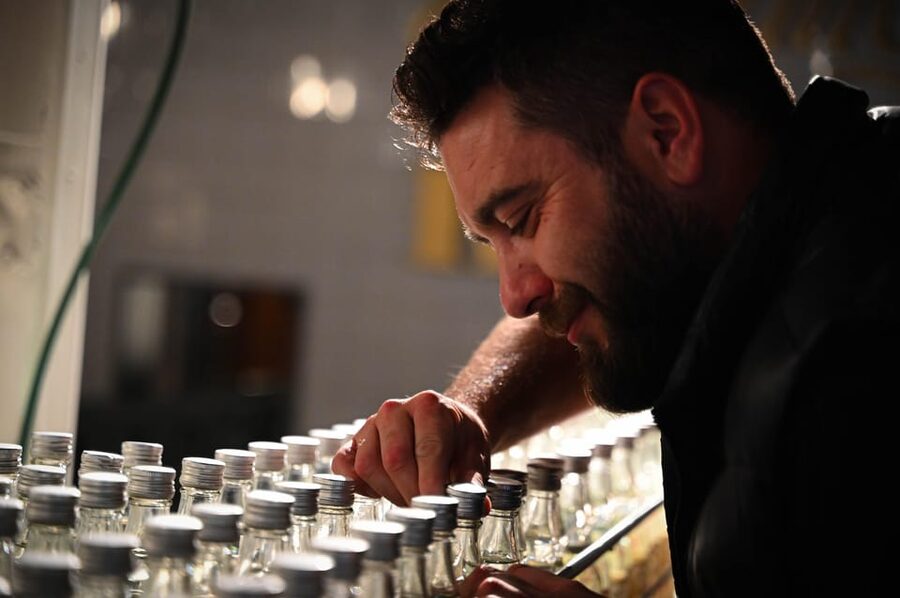
At $22 per person, this is reasonably priced if you want both a museum visit and a tasting. You are paying for entry to a large exhibition, unlimited time inside for one day, the audio guide, and the final vodka sample.
The value depends on your interests. If you enjoy industrial history, Polish culture, food production, or multimedia museums, the seven halls give you enough range to justify the cost. If you only want a drink, the ticket is more than you need, since the main product is the exhibition rather than the tasting alone.
There is also value in the flexible format. You do not have to pay extra for the audio guide, and you can explore without committing to a live tour schedule. The tradeoff is that you do not receive the personal detail, humor, or question-and-answer time that a private guide might provide.
For a couple or small group, the price makes sense as a two-part Krakow activity: first a cultural visit, then a tasting. For families, check your own comfort with the alcohol-focused subject. The museum is accessible, but the experience is clearly built around spirits.
Who will enjoy this most?
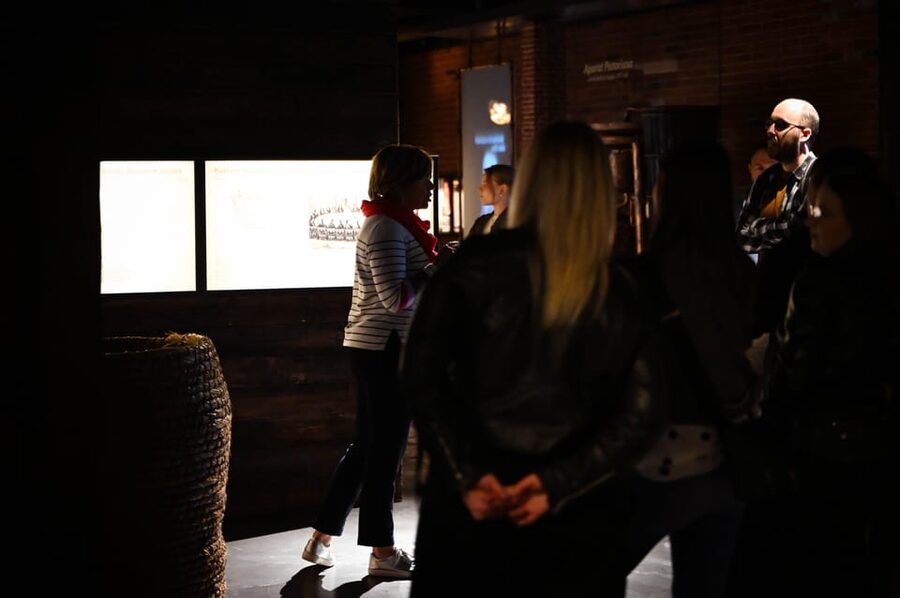
I would recommend this museum to you if you like seeing how a product connects with everyday life. The best parts are not limited to distilling equipment. You also get courts, bars, railway transport, agricultural production, communist-era packaging, and industrial loading areas.
It suits adults who want something different from Krakow’s churches, castles, and historic squares. It also works well on a rainy day because so much of the visit takes place indoors and the exhibition has video and multimedia elements.
You may enjoy it less if you dislike audio guides, prefer a live person, or want a formal tasting led by a spirits expert. The absence of a live guide is important. You set your own pace, but you also have to make sense of the rooms without a guide walking beside you.
Language is another factor. English and Polish are the main written languages. The five audio options widen access, but they do not appear to translate every written panel.
Booking advice before you go
Reserve in advance if you have a firm schedule, then contact the museum to confirm the preferred entry time. Busy periods can create a wait, and a confirmed time is more useful than simply arriving with a voucher.
The activity offers free cancellation up to 24 hours before the visit, and you can reserve now and pay later. Those terms help if your Krakow plans are still changing, though the museum’s availability still needs checking.
The ticket includes entry, the audio guide, unlimited time inside for one day, and the tasting. It does not include a live guide, transportation, food, or anything else beyond the listed museum experience.
Should you book the Vodka Factory Museum?
Book it if you want a focused, unusual Krakow attraction that combines Polish production history with a tasting. The seven halls give the subject more depth than a simple bar visit, and the industrial setting adds useful context.
Skip it if you are looking only for a quick drink or if you strongly prefer a personal guide. Also plan carefully if you need a language other than Polish or English for every written display.
For most adults with an interest in culture, industry, or local food and drink, the $22 price is fair. Confirm your time, allow room for a possible wait, and treat the tasting as the final touch on a museum visit rather than the whole reason to go.
FAQ
Where is the Vodka Factory Museum located?
The museum is at 13 Fabryczna Street, inside the Fabryczna City complex in Krakow, in Poland’s Lesser Poland region.
What does the ticket include?
The ticket includes museum entry, unlimited time inside for one day, a vodka tasting, and an audio guide.
Is a live guide included?
No. Live guide service is not included. An English-speaking host or greeter is available, and the audio guide provides the main tour information.
Which languages are available for the audio guide?
The audio guide is available in English, German, French, Italian, and Ukrainian.
Are the museum displays available in other languages?
The written texts are in Polish and English. The audio guide can provide additional language support, including for videos, but not every written display is translated.
Can I cancel the booking?
Yes. You can cancel up to 24 hours in advance for a full refund.
Is the museum wheelchair accessible?
Yes. The Vodka Factory Museum is listed as wheelchair accessible.
Freshly poured around Krakow
- Krakow: Zakopane Cable Car, Vodka, Tasting & Thermal Springs★ 4.7 · 274 reviews
- Krakow: Vodka Tasting in Hidden Bar★ 4.9 · 138 reviews
- Krakow: Zakopane Cable Car, Spirits, Tasting & Thermal Baths★ 4.7 · 359 reviews
- Krakow: Vodka Tasting Tour: Tapas, Tipsy Tales & Hidden Gems★ 5.0 · 203 reviews
- Krakow: Hidden Rooftop Bar Reservation with 1 Cocktail★ 4.5 · 177 reviews
- Krakow: Pub Crawl with 1 Hour of Unlimited Alcoholic Drinks★ 4.7 · 651 reviews
- Krakow: Tipsy Polish Food Tour With History, Pierogi & Shots★ 4.9 · 439 reviews
- Krakow: Pub, Bar & Club Crawl★ 4.4 · 957 reviews
Krakow Drinks Tours, side by side.

Krakow–Zakopane: Cable Car, Chocholow Baths, Cheese & Vodka
Read our review →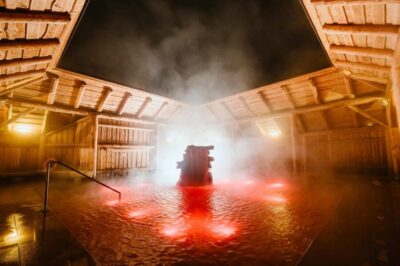
Krakow: Zakopane Cable Car, Vodka, Cheese & Hot Springs Tour
Read our review →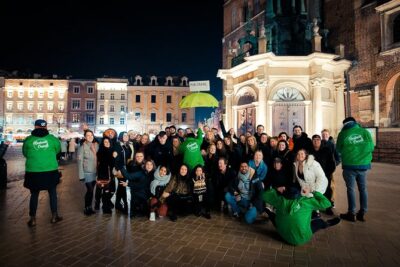
Pub Crawl + Unlimited Drinks + VIP entry + Drinking Games & Photographer
Read our review →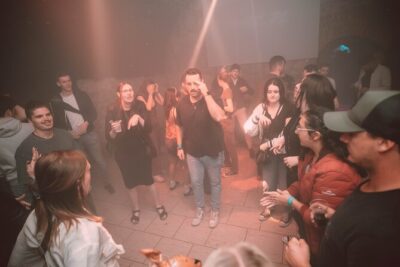
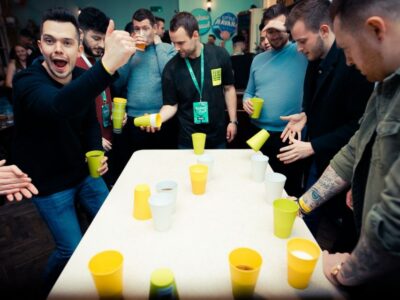
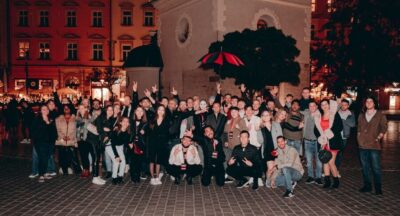
Krakow: Pub Crawl with 1 Hour of Unlimited Alcoholic Drinks
Read our review →
Krakow: Tipsy Polish Food Tour With History, Pierogi & Shots
Read our review →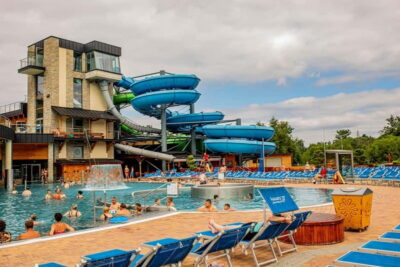
Krakow: Zakopane Cable Car, Spirits, Tasting & Thermal Baths
Read our review →Lists this tasting sits in