
Review · MONTEPULCIANO
Montepulciano: Wine Tasting and Cellar Tour
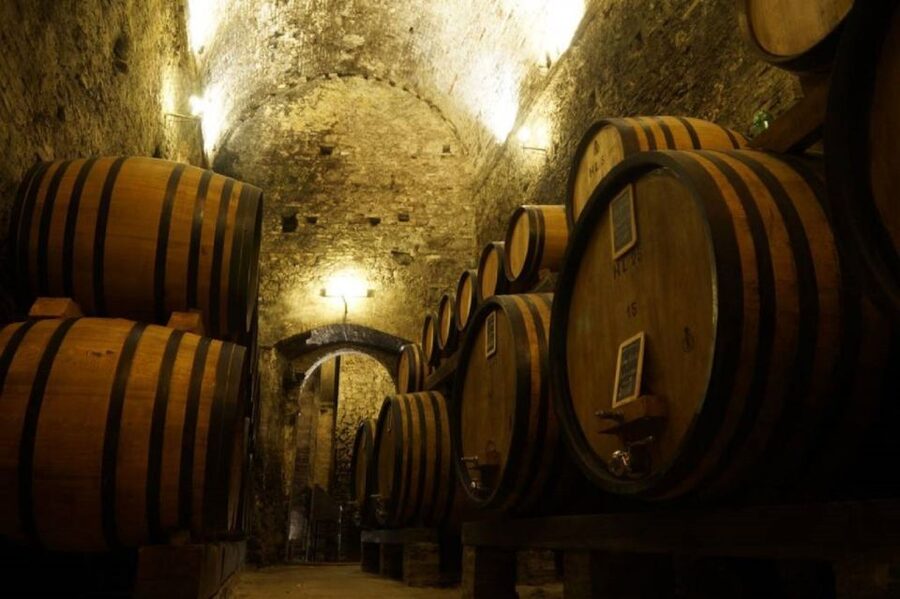
Montepulciano’s most memorable wine experience may be found below street level, where enormous Slavonian oak barrels and French wood casks line old underground rooms. This one-hour tour combines a look at the town’s winemaking past with five local wines and a generous little spread of pecorino, bruschetta, crostini, and olive oil.
I like the historic cellar setting, which gives the tasting more character than a simple bar flight. I also like the clear food pairing: salty aged cheese, bread, and Tuscan olive oil help you understand how the wines work with food. The main drawback is the short one-hour format, which leaves little time for a slow, technical lesson or a broad look at the surrounding vineyards.
Key points at a glance
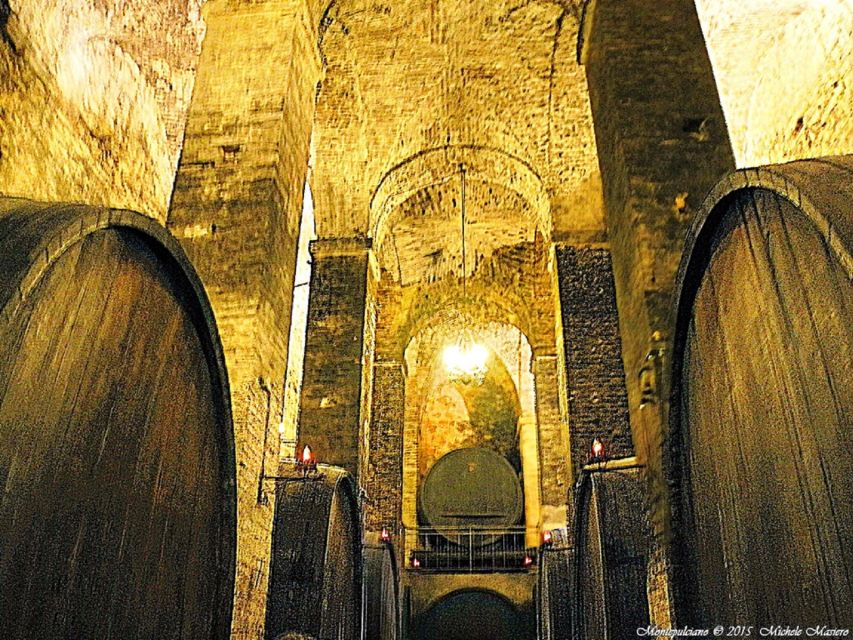
- Huge Slavonian oak barrels: See where Nobile di Montepulciano ages in wood chosen for long storage.
- Five DOC and DOCG wines: Taste a useful range of Montepulciano wines rather than just one house bottle.
- Underground wine rooms: Explore old cellar spaces, sometimes described as caves or a wine cathedral.
- Tuscan food pairings: Try pecorino at different ages, bruschetta with extra-virgin olive oil, crostini, and other small antipasti.
- Story-led guiding: Guides including Mirko, Debbie, Emilio, and Ron focus on family traditions, local soil, and the cellar’s past.
- Easy town-center location: The cellar is in Montepulciano’s no-car zone, close to the medieval center but not directly reachable by car.
Entering Montepulciano’s underground wine world
Montepulciano is best known for Vino Nobile di Montepulciano, a serious red wine made from Sangiovese-based grapes in the surrounding area. This experience gives you a quick, focused introduction to that wine culture without requiring a full-day excursion into the countryside.
The cellar is in the center of the medieval town. That location matters. You can fit the tasting into a day of walking, sightseeing, and lunch in Montepulciano instead of arranging a separate ride to a distant estate. You do need to remember that the center is a no-car zone, so plan to leave your vehicle at Parking S. Donato or Parking P8 and walk uphill into town.
The walk and the cellar setting are part of the appeal. You are not simply seated at a modern tasting counter from the start. The visit moves through old wine rooms where the architecture, stone, and barrels help explain why Montepulciano has such a strong connection with cellar aging.
The experience provider is Umbria Con Me, and the tour runs in English or Italian. The guide is an important part of the visit because the tasting itself is compact. Several guides have led the experience, including Mirko, Debbie, Emilio, and Ron. Their approach varies slightly, but the common thread is a friendly explanation of the cellar, the family connected with it, and the wines served.
More Wine Tasting Tours in Italy
- Florence: Chianti Wineries Tour with Wine Tasting
★ 4.5 · 10,071 reviews - Small-Group Wine Tasting Experience in the Tuscan Countryside
★ 5.0 · 7,392 reviews - Rome: Tuscany & Montepulciano Day Trip with Lunch & Wine Tasting
★ 4.5 · 5,232 reviews
The cellar tour and the family story
The first part of the visit focuses on the cellar and its past. You learn about the traditions of winemaking in Montepulciano, along with the story of the family business connected with the site. Some guides also explain the cellar’s symbols, its old origins, and how wine production continues there today.
That local story gives the tasting a sense of place. Instead of hearing only general facts about fermentation and barrel aging, you get a clearer idea of how one historic Montepulciano cellar fits into the town’s identity.
The underground rooms are a highlight for many reasons. The cellar has a quiet, almost theatrical feel, with rows of large barrels and stone spaces below the streets. Some descriptions call parts of it the caves or wine cathedral, a useful way to picture the high, atmospheric rooms. The barrels are especially striking, not just because of their size but because the guide explains why different woods are used.
You can expect to see large oak barrels made from Slavonian wood, used for aging Nobile di Montepulciano, alongside barrels made from French wood. The point is not simply to admire the barrels. Wood affects how wine develops, and seeing several types together makes that part of the winemaking process easier to understand.
The tour also touches on the local tufa soil. This sandy volcanic material is associated with the area, and fossils found in it point to the ancient origins of the terrain. That detail adds a useful geological layer to the visit. You begin to see that the wine is linked not just to a grape and a family, but also to the ground beneath Montepulciano.
Do not expect a full production tour with every step from grape harvest to bottling. The visit is only one hour, and the emphasis is on the cellar, local tradition, and tasting. If you want machinery, vineyard walks, or a long technical lesson on fermentation, you may find this experience too brief.
Five wines, with room for a sixth tasting
The tasting includes five DOC and DOCG wines from Montepulciano. The number gives you a useful range while keeping the session manageable. You can compare the wines as you go, ask questions, and pay attention to how aging and style affect what is in the glass.
Some sessions have included six wines, so the exact tasting may vary. The safest expectation is five local wines, with the possibility of an additional pour depending on the day and the tasting format. You should not book this as a tasting of only the most famous bottle. The value comes from seeing a selection and learning how the wines differ.
A guide such as Debbie or Emilio may explain each wine before you taste it. That helps you focus on color, scent, body, and finish without turning the event into a formal exam. You do not need prior wine knowledge. The information is aimed at people who want a clearer understanding of Tuscan wine, from curious beginners to people who have already visited several wineries.
The wine is served after the cellar visit in a more comfortable tasting area. That change of setting works well. You first see where the wine rests, then sit down to taste it with food. The sequence gives the visit a natural shape and keeps the historical part from feeling detached from the wine in your glass.
The strongest part of the tasting is the connection between explanation and flavor. When you hear about Nobile di Montepulciano, local soil, and wood aging, you can immediately ask how those choices show up in the wine. A good guide turns the tasting into a conversation rather than a string of pours.
Pecorino, bruschetta, and simple Tuscan pairings
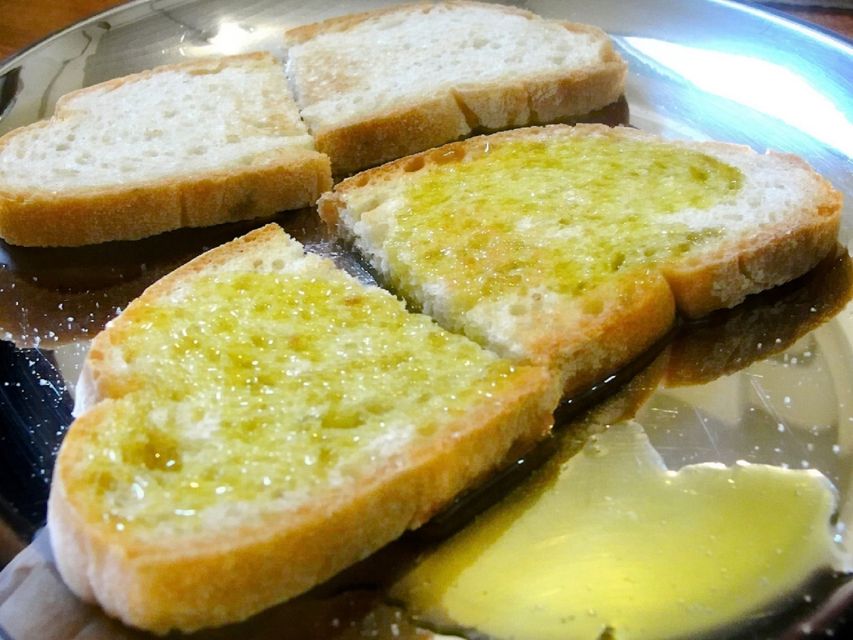
The food is modest but well chosen. You receive pecorino cheeses at different ages, bruschetta with extra-virgin olive oil, and typical crostini. Some tastings have also included small portions of meat and other antipasti.
The range of pecorino is useful because young and aged cheese have different textures and levels of salt. Pairing them with several wines gives you a practical lesson in how food changes the taste of wine. The bread and olive oil are equally important. They keep the tasting rooted in everyday Tuscan eating rather than making it feel like a formal luxury event.
I consider the food a real part of the price, not just decoration. A wine tasting without anything to eat can feel thin, especially if you are visiting around lunchtime. Here, the cheese, bread, and crostini make the experience more satisfying and give you something to discuss as you taste.
Portions are best understood as tasting servings, not a meal. If you are hungry, plan lunch separately in Montepulciano. Families may find the bread, cheese, and small antipasti helpful, but this is still an adult-focused wine experience rather than a children’s activity.
Same town, a different pour:
- Tuscany Day Trip from Florence: Siena, San Gimignano, Pisa and Lunch at a Winery
★ 5.0 · 21,634 reviews - SMALL-GROUP Wine Safaris: Tuscan Wine Tasting Tours from Florence
★ 5.0 · 5,088 reviews - Winner 2025 Florence Sunset Food & Wine Tour by Eating Europe
★ 5.0 · 5,015 reviews - From Florence: Siena, San Gimignano, Pisa & Lunch at Winery
★ 4.8 · 4,538 reviews
What the one-hour format really delivers
One hour is enough to see the main cellar spaces, hear the essential story, and taste a solid selection of wines. It is also short enough to fit between other Montepulciano plans. That makes this a practical choice if you are visiting the town on a tight schedule.
The tradeoff is depth. You will not have much time to linger over each wine or ask an endless series of questions. A private tasting or a longer vineyard visit would suit you better if you want detailed production methods, extensive food courses, or a slow countryside experience.
The tour works best when you arrive ready to listen and taste efficiently. The cellar visit comes first, followed by the tasting, so the guide has a clear amount of material to cover. If you arrive late, you may miss part of the cellar explanation even though the team has sometimes been able to accommodate delayed arrivals.
The atmosphere appears to be one of the strongest reasons to choose this particular visit. The old rooms, tall barrels, and cellar architecture make it feel distinct from a standard wine shop tasting. You get the sense of wine as a long-running local trade, not just a product placed on a shelf.
Is $38 a fair price?
At $38 per person, I consider this good value if you want both a cellar visit and a tasting. The price includes the guide, five DOC and DOCG wines, pecorino in several stages of aging, bruschetta with extra-virgin olive oil, and typical crostini. Transportation is not included, but the central location means you can reach it on foot after parking outside the restricted zone.
The food and wine make the cost easier to justify than a short cellar tour without refreshments. You are also paying for access to a historic setting and for the guide’s interpretation of the wines and local traditions.
Value depends on what you want from a winery visit. If your priority is a long day among vineyards, a large meal, or a broad selection from several producers, this is not that experience. If you want a concentrated introduction to Montepulciano while already exploring the town, the price is sensible.
Wine purchases are available after the tasting, and several visitors have arranged to have bottles shipped home. Shipping options can vary by destination, so ask at the cellar if you are interested. This is particularly useful if you find a favorite but do not want to carry bottles through the rest of your trip.
Practical details before you book
The meeting point is the cellar in central Montepulciano. Since the town center is closed to cars, leave time for parking and walking. Parking S. Donato and Parking P8 are the recommended choices, and you should check your route before the start time rather than assume you can pull up at the cellar door.
The meeting area may not have the clearest outside signage, so keep the address and booking details handy. That small bit of preparation can save you from wandering around the steep medieval streets looking for the entrance.
The activity is offered in English and Italian. Guides such as Mirko, Debbie, Emilio, and Ron have been praised for their friendly, lively presentation, but guide assignments can change. The tour is suitable for people who want context with their wine, not only a quick drink.
The experience has a 4.8 rating from 545 reviews, which reflects consistently strong satisfaction. The most praised features are the guides, the unusual cellar, the family story, and the pairing of wine with cheese and bread. A few practical cautions remain: the visit is short, transportation is not included, and the exact number of wines or food items may vary slightly.
Free cancellation is available up to 24 hours before the activity for a full refund. You can also reserve and pay later, which helps if your Tuscan route is still changing.
Who will enjoy this Montepulciano tasting?
I would choose this tour if you are staying in or passing through Montepulciano and want a compact look at its wine culture. It suits couples, small groups, first-time wine tasters, and experienced wine drinkers who enjoy old cellars and local stories.
It is also a good fit if you prefer a town-based experience instead of arranging transport to a rural estate. You can combine it with Montepulciano’s streets and viewpoints, then continue your day without giving up several hours.
Families can manage the visit, especially because the bread and cheese provide something simple for younger children. Still, the core activity is wine tasting, so adults are the natural audience.
I would be less likely to book it if you want a full vineyard day, a long meal, or a highly technical lesson in winemaking. The tour gives you a focused introduction, not an all-day estate program.
Should you book it?
Yes, if you want to understand why Montepulciano’s wine belongs in its old cellars, not just in a tasting glass. The combination of Slavonian and French oak barrels, tufa-soil stories, family history, five local wines, and Tuscan snacks gives you plenty for the $38 price.
Book it as a well-paced town experience with a strong sense of place. Just leave the car outside the center, allow time to find the cellar, and keep your expectations realistic about the one-hour length. For a short, flavorful introduction to Montepulciano wine, this is an easy choice.
FAQ
Where does the Montepulciano wine tasting take place?
The cellar is in the center of Montepulciano, inside the town’s no-car zone.
Where should I park?
Parking S. Donato or Parking P8 is recommended because cars cannot enter the central meeting area.
How long does the experience last?
The stated duration is one hour.
Which languages are available?
The live tour guide speaks English or Italian.
How many wines are included?
The experience includes a selection of five DOC and DOCG wines from Montepulciano. Some sessions have included six wines.
What food is served with the wine?
The tasting includes pecorino cheeses of different ages, bruschetta with extra-virgin olive oil, and typical crostini. Some tastings have also included meat and other small antipasti.
Is transportation included?
No. You must make your own way to the cellar in central Montepulciano.
Freshly poured around Italy
- Polignano a Mare: Private Cruise with Champagne★ 4.8 · 66 reviews
- Polignano: Coastline Tour With Prosecco And Taralli & Swim★ 4.7 · 103 reviews
- Rome: Pompeii Tour with Wine and Lunch by High Speed Train★ 4.8 · 485 reviews
- Polignano a Mare: Boat Cruise to Scenic Caves with Prosecco★ 4.7 · 550 reviews
- Polignano a Mare Boat Tour with Prosecco and Taralli★ 4.9 · 334 reviews
- Polignano a Mare: Boat Tour with Prosecco and Snacks★ 4.8 · 282 reviews
- Pisa: Cathedral Guided Tour and Tower tickets & wine tasting★ 4.8 · 78 reviews
- Piedmont: Winery Tour, Taste Barolo, Barbaresco & Local Food★ 4.6 · 61 reviews
Wine Tasting Tours, side by side.
From Porto: Douro Valley w/ Boat Tour, Wine Tasting & Lunch
Read our review →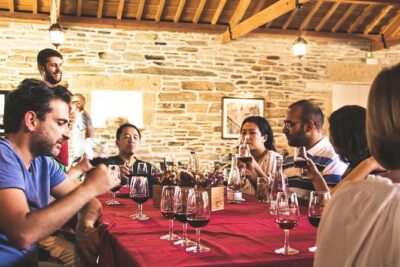
Complete Douro Valley Wine Tour with Lunch, Wine Tastings and River Cruise
Read our review →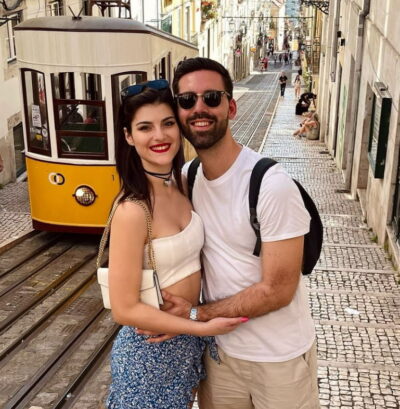
Florence: Chianti Wineries Tour with Wine Tasting
Read our review →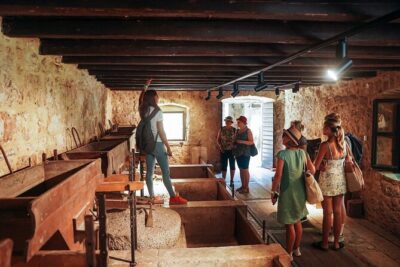
From Split: Krka Waterfalls, Food & Wine Tasting Tour
Read our review →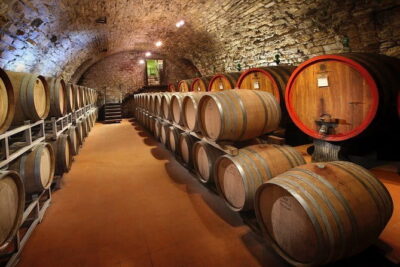
Small-Group Wine Tasting Experience in the Tuscan Countryside
Read our review →
Montserrat & Cogwheel Train, Gourmet Wine Tasting & Tapas/Lunch
Read our review →
Rome: Tuscany & Montepulciano Day Trip with Lunch & Wine Tasting
Read our review →
SMALL-GROUP Wine Safaris: Tuscan Wine Tasting Tours from Florence
Read our review →Lists this tasting sits in