
Review · WORLDWIDE
Pilsen: Brewery Museum Entrance with a Glass of Beer
Beer was being made in Plzeň long before Pilsner Urquell became a world-famous name. At the Brewery Museum, you can trace that story inside a preserved 15th-century house, then walk through medieval cellars and a late Gothic malt house. I like the way the museum connects beer with ordinary life, showing how people brewed, served, and drank it rather than presenting only shiny modern equipment. I also like the included 0.3-liter Pilsner Urquell, which gives this low-cost visit a pleasant finish.
The main drawback is that this is a museum visit rather than a working brewery tour. You will not get a full production-floor experience, and the audio guide may take some effort to activate. The museum is also not suitable for wheelchair users because of its historic structure.
Key points at a glance
- 15th-century brewing house: Explore a building preserved in its original form in central Plzeň.
- Medieval drinking culture: See how beer was served in earlier centuries, including drinking through a reed.
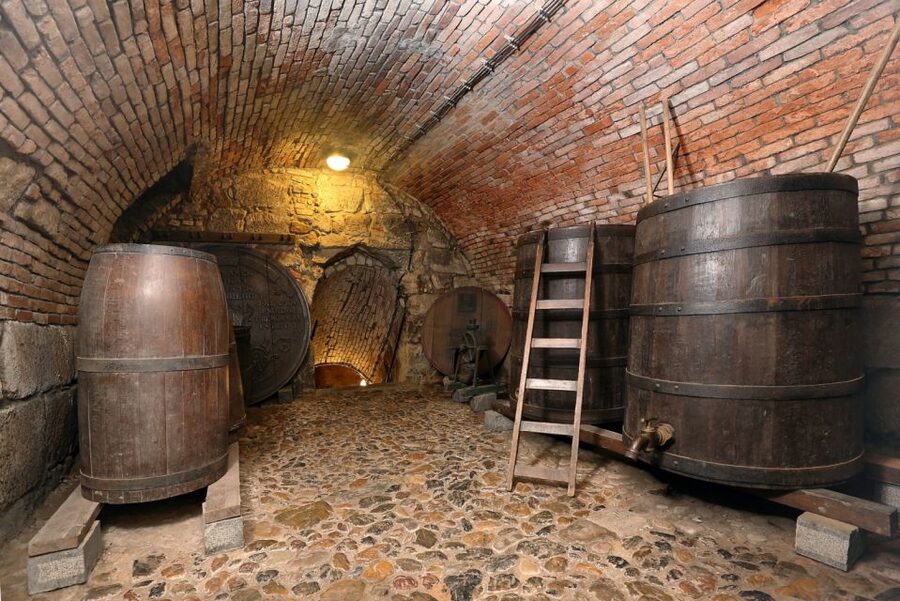
- Historic underground cellars: Walk through cellars hidden beneath the old brewing house.
- Late Gothic malt house: Learn how grain was steeped and germinated in the old threshing yard.
- Smallest jug in the world: Look for one of the museum’s most unusual objects.
- Beer included: Visitors aged 18 and over receive a voucher for 0.3 liters of Pilsner Urquell at three named Plzeň restaurants.
Entering Plzeň’s old brewing house
The Brewery Museum is at Veleslavínova 58/6 in Vnitřní Město, the central part of Plzeň. That location makes it easy to add to a day spent walking around the city, and the museum’s setting is part of its appeal. You are not entering a modern visitor center built to imitate the past. You are entering a 15th-century house that has been kept in its original form.
I find that this matters. Old walls, low rooms, and underground spaces give the subject a physical setting. You can better understand why brewing once belonged to the daily life of a town when you see the kind of building where the work took place.
The museum is described as a professional museum, but the visit is approachable rather than formal. You can take your time with the displays and follow the story at your own speed. If you prefer to read, information is available in English as well as Czech and German. Foreign visitors can also use the SmartGuide application in English or German.
You receive a SmartGuide QR code at the ticket office, or with your electronic ticket. Scan it to activate the content. One practical tip: allow a moment to set up the audio guide before you start walking through the exhibits. Accessing it can be less direct than expected, and the printed signs may be enough for many English-speaking visitors. The English, Czech, and German signs provide useful support if the app does not cooperate.
More Brewery Tours in the world:
- Bruges: Guided Tour & Boat Ride with Optional Beer Tasting
★ 4.4 · 3,894 reviews - Prague: Pilsner Urquell Experience & Beer Tasting
★ 4.7 · 3,480 reviews - Cologne: Brewery Tour with 3 Kölsch Beer Tastings
★ 4.7 · 3,108 reviews
What the medieval cellars reveal
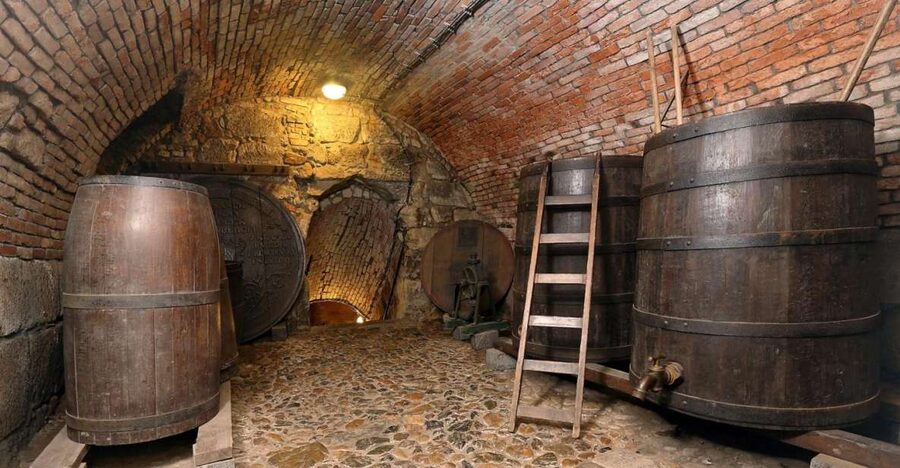
The underground cellars are one of the strongest parts of the visit. They sit below the old brewing house and show the cool, enclosed spaces connected with historic beer-making and storage. The setting gives you a clearer sense of how different brewing was before modern temperature controls, stainless steel tanks, and automated systems.
The museum takes you back to a time when beer could be drunk through a reed. That small detail is more memorable than a list of dates because it shows how much drinking habits have changed. Beer was not always served in the familiar glass, and the pub was not always the polished social room you might picture today.
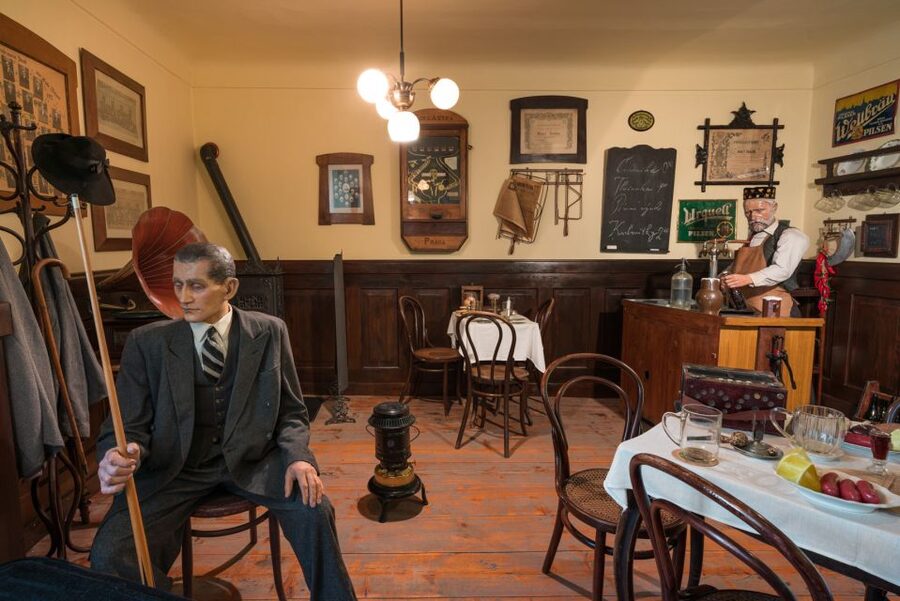
You will also see examples of authentic beer pubs from the beginning of the 20th century. These rooms help explain beer as a social custom. The museum is not only asking you to think about how beer was made. It is showing you how it was served, where people drank it, and what a Czech pub looked like before the modern age.
I would give the cellars time rather than rushing through them. The museum is not large, and the underground rooms are easy to pass through quickly. Their value comes from noticing the construction, the atmosphere, and the link between the building above and the work below.
The late Gothic malt house and threshing yard
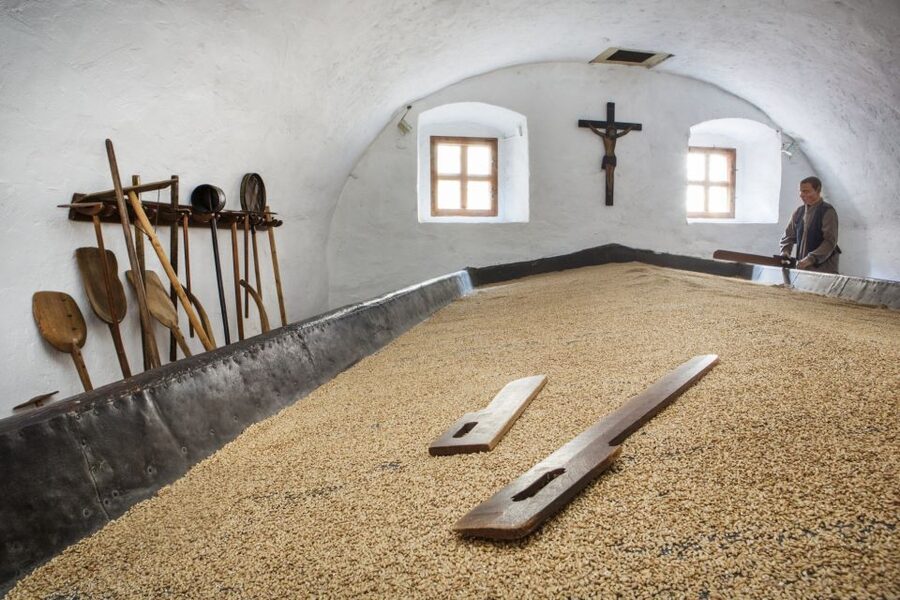
Grain is the starting point of beer, and the late Gothic malt house explains that stage of the process. It forms part of a historic threshing yard, where grain steeping and germination took place.
For you, the useful point is that the museum shows a less familiar part of brewing. Many beer tours focus on fermentation or the finished drink. Here, you can see how the grain was prepared before it became malt, which gives you a fuller picture of the work involved.
The late Gothic malt house is also one of the building’s most distinctive spaces. Its age and purpose make it more than a decorative room. It shows how brewing was built into the structure of the town and how much room, labor, and planning were needed before beer ever reached a pub.
Do not expect a hands-on demonstration of each historic step. The appeal comes from the preserved setting and the explanation of what happened there. If you already know a lot about brewing, you may find the museum’s displays fairly basic. If you want a clear introduction to Czech beer-making, this section does its job well.
Small objects and everyday beer culture
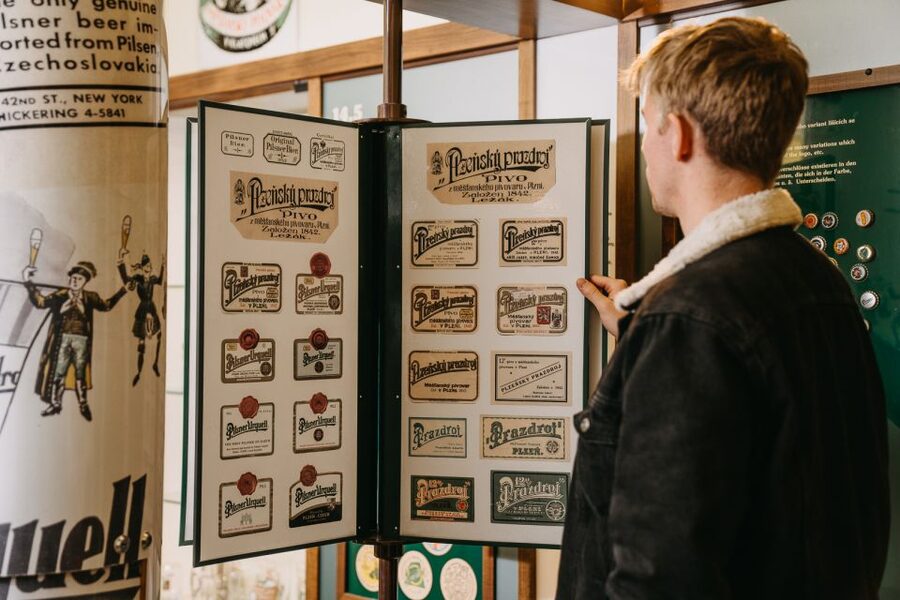
The museum includes unusual details that keep the visit from becoming a simple walk through old rooms. One of the most notable is the world’s smallest jug, which gives you a reason to slow down and inspect the displays.
Small objects can make a museum visit more personal. A large machine explains scale, but a tiny jug raises questions about serving, collecting, and daily use. It also gives younger visitors something specific to look for instead of asking them to absorb a long historical account.
The museum’s story covers beer-making, serving, and drinking from the distant past. That wider scope is important. Czech beer culture is not only about the liquid in the glass. It includes the vessel, the pub, the cellar, the grain, and the habits formed around drinking.
I like this approach because it gives the visit variety. You move from architecture to brewing, then from brewing to pub life. At roughly $7 per person, that range helps the museum feel like a sensible addition to a day in Plzeň, especially if you have an interest in local food and drink.
More Museum Visits in the world:
- Porto: Cálem Cellar Tour, Interactive Museum & Wine Tasting
★ 4.5 · 4,113 reviews - Dublin Irish Whiskey Museum and Gallery Guided Tour with Tasting
★ 5.0 · 3,078 reviews - Munich: Beer and Food Tour with Dinner & Oktoberfest Museum
★ 4.7 · 1,086 reviews - Dublin: Irish Whiskey Museum Tour and Whiskey Tasting
★ 4.6 · 999 reviews
The Pilsner Urquell finish
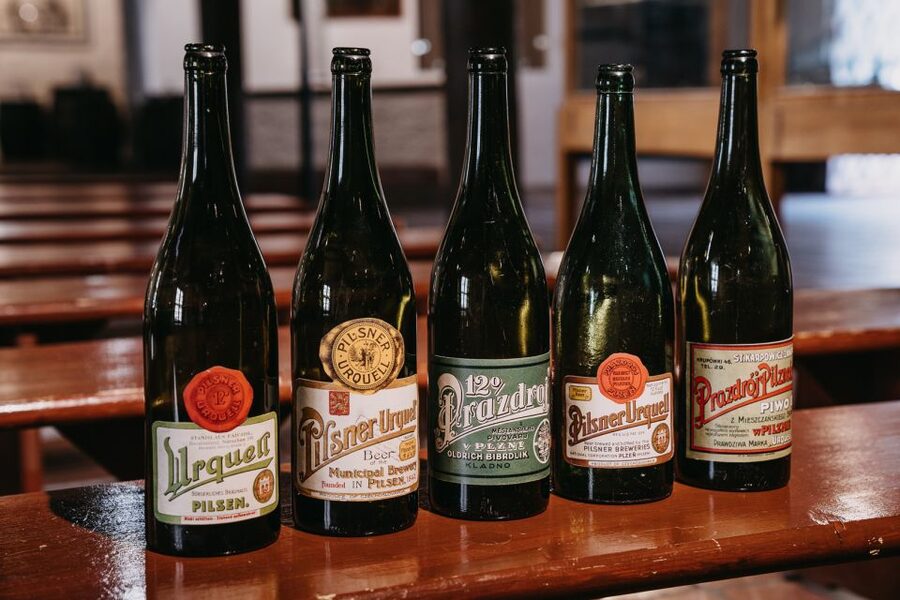
At the end of the museum visit, visitors aged 18 and over receive a voucher for 0.30 liters of Pilsner Urquell. The voucher can be exchanged at Na Spilce, U Salzmannů, or Na Parkánu.
This is not a beer served as part of a guided tasting inside the museum. It is a voucher you use at one of the named restaurants. That distinction matters when you plan your day. You will need to choose one of those locations and redeem the voucher there.
The beer is a fitting finish because Pilsner Urquell is closely tied to Plzeň’s identity. The small serving is enough to sample the beer without turning the museum visit into a long drinking session. It also adds real value to a ticket costing about $7.
You should bring identification if your age may be unclear. The voucher is issued only to people aged 18 or older, and alcohol is not served to anyone under 18. A school group that includes one or more minors will not receive beer tasting vouchers for the group.
The restaurant voucher is also useful if you are already planning a meal in the city. If you are visiting only for the museum and do not want to make an extra stop, the beer benefit may be less convenient. Still, the included drink is a welcome part of the experience rather than a token sample.
How the self-guided format works
This is a self-guided visit, not a tour led by a named guide. You move through the museum independently, using the signs or the SmartGuide application.
That format gives you control. You can spend longer in the cellars, pause at the pub interiors, or move quickly through displays that are less relevant to you. It also means you should not expect a guide to answer questions or manage the pace.
The audio guide is available in English or German through SmartGuide. To use it, scan the QR code provided with your ticket. Since one English-speaking visitor had difficulty accessing the audio content but found the English signs adequate, I would treat the app as a useful extra rather than the only way to understand the museum.
The self-guided setup is best for independent visitors who like to read and explore at their own pace. It may be less satisfying if you want a lively explanation, detailed brewing questions answered, or a group led from room to room.
The ticket is valid for one day from first activation. That gives you flexibility within the day, though the supplied information does not specify how long a typical visit takes. I would allow enough time to read the displays and see the cellars without hurrying, then plan the restaurant stop separately.
Is the $7 price good value?
At around $7, this is an inexpensive cultural stop with a built-in drink. The price covers museum entry and a 0.3-liter Pilsner Urquell voucher for adults, so you are getting both a historical experience and a practical taste of Plzeň’s beer culture.
The value is strongest if you are already interested in beer, old buildings, or local customs. You get several different elements for one modest price: a preserved house, medieval cellars, a historic pub setting, a Gothic malt house, unusual objects, and a drink at a local restaurant.
The value is weaker if you want to see current industrial brewing. This is not described as a factory tour, and you should not book it expecting a full view of modern Pilsner production. It is better understood as a museum about beer’s past and place in Czech life.
I also would not choose it solely for the beer. The serving is 0.3 liters, and you redeem it at one of three restaurants rather than drinking through a guided tasting session. The beer is a bonus that rounds out the museum visit.
Free cancellation up to 24 hours in advance and the reserve-now, pay-later option make it easier to fit into a changing Plzeň schedule. These booking terms are useful if you are arranging several stops in the city, but the main reason to book remains the museum itself.
Who will enjoy this museum most?
I would recommend the Brewery Museum to:
- Beer fans who want context about Czech brewing beyond the modern brand name.
- History-minded visitors who enjoy old buildings, cellars, and preserved interiors.
- Independent visitors who prefer a self-guided pace.
- First-time visitors to Plzeň looking for a short cultural stop in the central city.
- Adults aged 18 and over who want to use the Pilsner Urquell voucher.
- Families with older children, provided everyone understands that under-18 visitors do not receive alcohol.
I would be more cautious if you use a wheelchair, since the museum is not suitable for wheelchair users. I would also choose a different activity if your priority is a working brewery floor, a long professional tasting, or a live guide.
Small practical details that improve the visit
Bring your electronic ticket and look for the SmartGuide QR code. If you want the English or German audio content, set it up at the start rather than waiting until you are already inside the exhibits.
Give special attention to the underground cellars, the late Gothic malt house, and the early 20th-century pub interiors. These are the parts that make the museum more than a collection of beer facts.
Plan where you will use the beer voucher before you finish. It is valid at Na Spilce, U Salzmannů, or Na Parkánu, so it works best when you connect the museum with a meal or a later stop in Plzeň.
If you are visiting with a school group, remember that a group containing one or more minors will not receive beer tasting. The alcohol rule applies to anyone under 18, even though they can still visit the museum.
Should you book the Brewery Museum?
Book it if you want an affordable, central Plzeň experience that combines old architecture, Czech beer culture, and a modest serving of Pilsner Urquell. The cellars, Gothic malt house, and historic pub interiors give the visit genuine character, while the self-guided format lets you set your own pace.
Skip it if you are looking for a working production tour or a guide-led tasting. For most independent visitors, though, the low price and included restaurant voucher make this an easy addition to a day in Plzeň. I would especially choose it on a first visit, when the museum can give you useful background before you order beer elsewhere in the city.
FAQ
Where is the Brewery Museum located?
The museum is at Veleslavínova 58/6, Vnitřní Město, 301 00 Plzeň, Czech Republic.
What is included with admission?
Admission includes entry to the Brewery Museum and a voucher for a 0.3-liter Pilsner Urquell beer for visitors aged 18 and over.
Where can I use the beer voucher?
You can exchange the voucher at the Na Spilce, U Salzmannů, or Na Parkánu restaurants.
Is an audio guide available in English?
Yes. Foreign visitors can use the SmartGuide application in English or German by scanning the QR code supplied with the ticket.
Can visitors under 18 receive the beer voucher?
No. Beer vouchers are issued only to visitors aged 18 or older, and alcohol is not served to anyone under 18. A school group that includes minors will not receive beer tasting.
Is the museum wheelchair accessible?
No. The experience is not suitable for wheelchair users.
Freshly poured around the world
- Porto: 6 Bridges Port Wine River Cruise with 4 Tastings★ 4.9 · 586 reviews
- Porto: Daytime or Sunset Douro River Cruise With Port Wine★ 4.7 · 714 reviews
- Porto: Douro Cruise, 6 Bridges & 4 Port Wines (Max 7)★ 5.0 · 69 reviews
- Porto: 6 Bridges Cruise & Port Wine with Sunset Option★ 5.0 · 997 reviews
- Porto: 6 Bridges Port Wine River Cruise with 4 Tastings★ 4.8 · 219 reviews
- Portland: Happy Hour Sightseeing Cruise★ 4.6 · 74 reviews
- Portland: Underground Shanghai Tunnel Tour with Beer Tasting★ 4.3 · 102 reviews
- Porto: 3 or 5 Port Wine Tasting with Pairings★ 4.9 · 152 reviews
Brewery & Beer Tastings, side by side.
Bruges: Guided Tour & Boat Ride with Optional Beer Tasting
Read our review →
Prague: Pilsner Urquell Experience & Beer Tasting
Read our review →
Cologne: Brewery Tour with 3 Kölsch Beer Tastings
Read our review →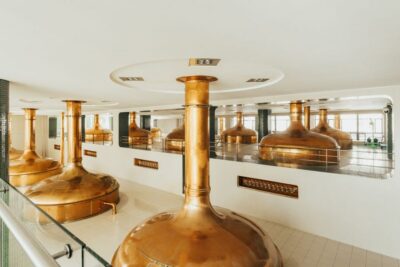
Pilsen: Pilsner Urquell Brewery Tour with Beer Tasting
Read our review →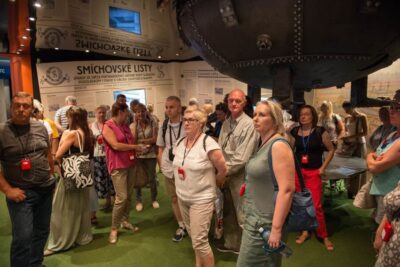
Prague: Staropramem Brewery Self-Guided Tour with Tasting
Read our review →
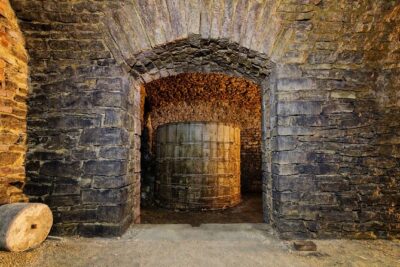
Hidden Brewery Caverns Tour in Cincinnati with Beer Tasting
Read our review →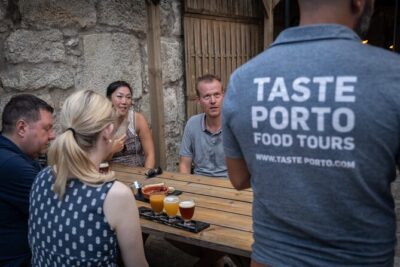
Porto Craft Beer Tour: 7 Beers + 3 Food Pairings in a Small Group
Read our review →Lists this tasting sits in