Review · PARIS
Paris: Wine and Cheese Tasting
The best part of this Paris tasting is that it treats wine as a place-based subject, not just a drink. You start in a working cave à vin, surrounded by bottles from independent French producers, then use maps and soil samples to see why a wine from one part of France tastes different from one made elsewhere. The guide chooses the wines around your group, so this is not a fixed march through three predictable labels.
I like the small group of eight and the relaxed setting. You can ask questions without shouting across a crowded room, and guides such as Camille, Julian, and Constance have been praised for clear explanations and warm hosting. I also like the cheese pairing: a hard cheese and a soft cheese show how sharply the same wine can change at the table.
The one drawback is that this is a tasting in a boutique, not a restaurant. The food is limited to cheese, bread, and water, and toilets may not be readily available or easy to reach. If you want a full meal or a grand cellar tour, this will feel too modest.
Key points to know before booking
- Three French wines are the core tasting: The selection comes from across France and may be adjusted to suit your interests.
- Independent producers fill the shop: You can taste bottles that are less familiar than the usual supermarket names and buy a favorite afterward.
- Maps and soil samples make terroir practical: You learn how grapes, terrain, and regional traditions shape French wine.
- Cheese is part of the lesson: Hard and soft cheeses reveal different flavors when paired with the wines.
- The group is capped at eight: This gives you room to ask about grapes, regions, taste, and food pairings.
- The visit lasts 90 minutes: It fits neatly into a Paris afternoon, but it is not designed as a long meal.
Entering a Paris cave à vin
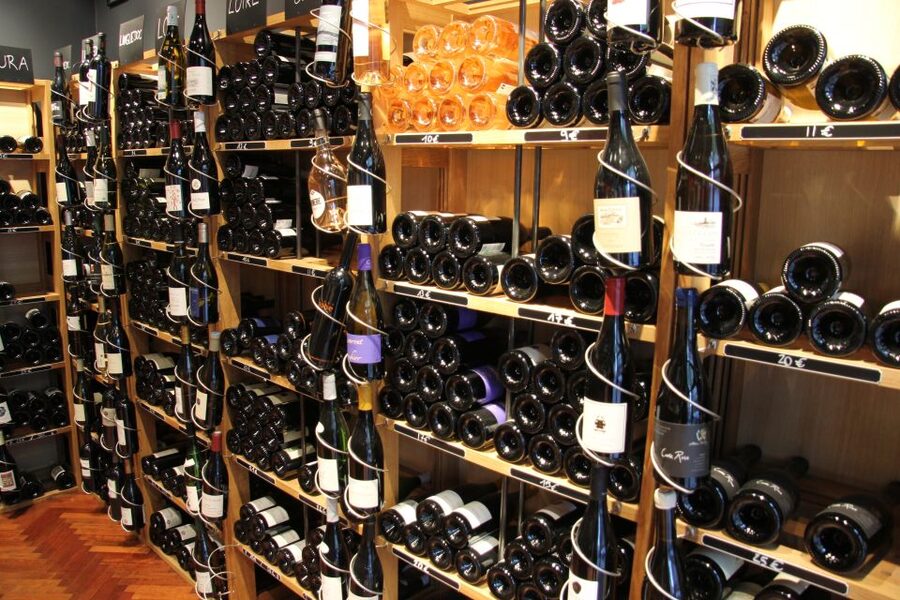
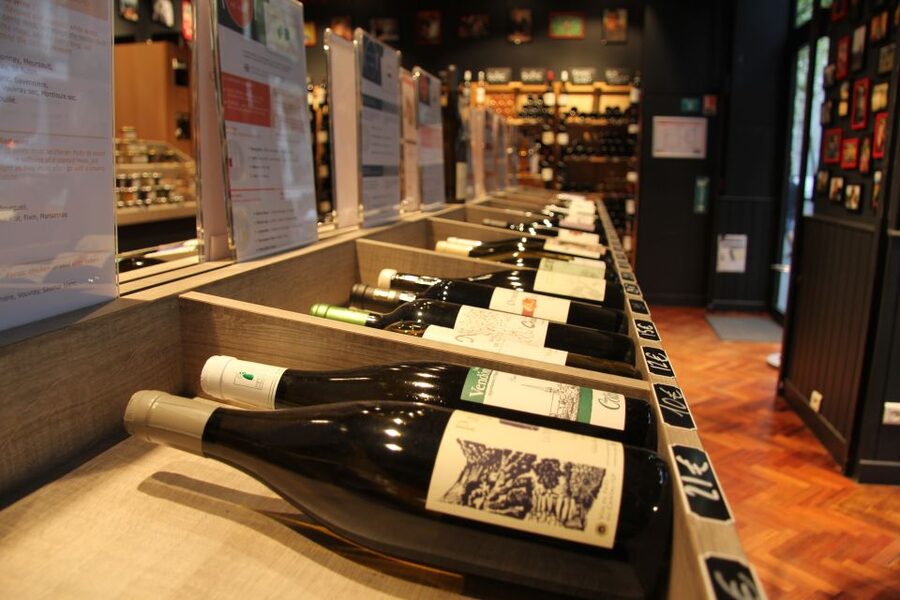
Your meeting point depends on the option you book, so check the final details carefully before setting out. Once you arrive, the setting is easy to understand: this is a boutique wine shop with bottles lining the walls, not a formal dining room or a large museum-style cellar.
That distinction matters. You are close to the products being discussed. The wines are not presented as abstract examples on a classroom table. They come from a shop that sells reds, whites, and rosés from across France, with an emphasis on small, independent producers.
The atmosphere sounds relaxed and personal. You settle into a prepared tasting area, meet your English- or French-speaking guide, and get a chance to say what you already like or dislike. If you are a confident wine drinker, mention your favorite styles. If you are new to wine, say so plainly. The format is designed for questions, and you do not need to arrive with specialist knowledge.
The shop setting also gives you a useful option at the end. Several people have chosen to buy a bottle they tasted, which can be a better souvenir than another small Eiffel Tower replica. Just remember that bottle purchases are separate from the $76 activity price.
More Wine and Cheese Tastings in France
- Paris: Wine and Cheese Lunch
★ 4.9 · 596 reviews - French Wine, Champagne And Cheese Tasting Paris SECRET WINE DOOR
★ 5.0 · 464 reviews - Paris Art of Pairing Cheese and Wine Tasting in a Cheese Cellar
★ 5.0 · 386 reviews
French wine explained with maps and soil
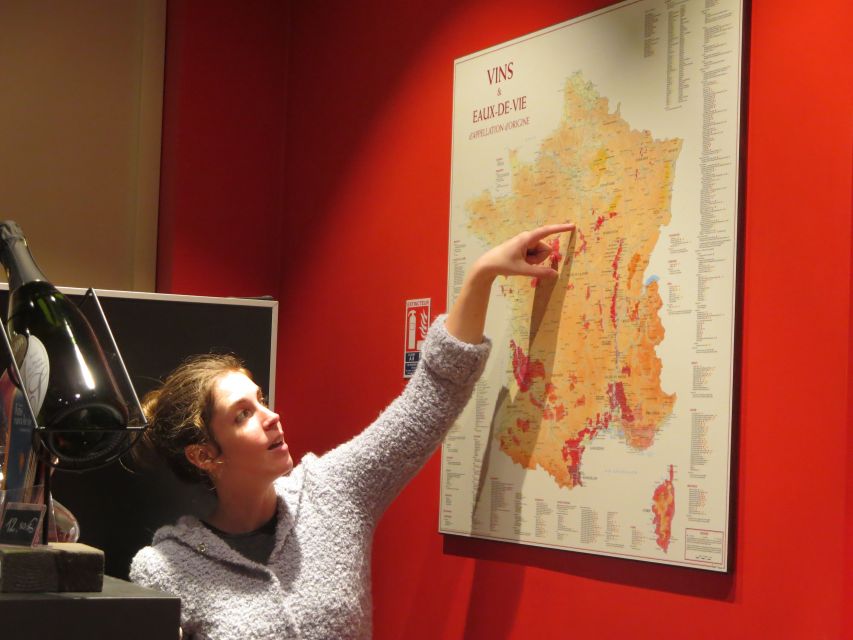
The opening talk covers the wine regions of France, the grapes grown there, and the idea of terroir. That word can sound grand and vague, but the use of maps and real soil samples gives it something you can see and touch.
The basic idea is that wine reflects more than the grape variety. Soil, terrain, climate, and regional methods all affect the final bottle. France is especially useful for learning this because its wine regions produce such a wide range of styles, and the names on the label often point to a place as much as to a grape.
You will not simply memorize a string of French regions. The guide connects the geography to the wine in your glass. A change in soil or growing conditions can help explain why two wines made from different grapes, or even similar grapes, do not taste alike.
This is one reason the session suits a curious beginner. You leave with a framework for reading a wine list rather than only a list of facts. More experienced drinkers may appreciate the chance to compare familiar ideas with lesser-known bottles from independent producers.
The pace is important. In 90 minutes, the guide has enough time to explain the subject without turning the tasting into a full wine course. You should expect a useful introduction, not a technical qualification.
Three wines chosen around your group
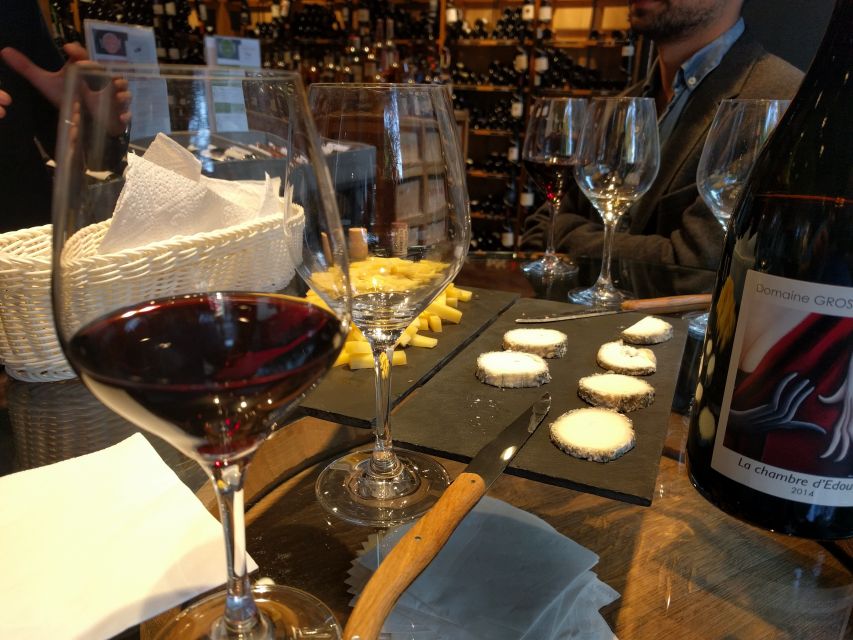
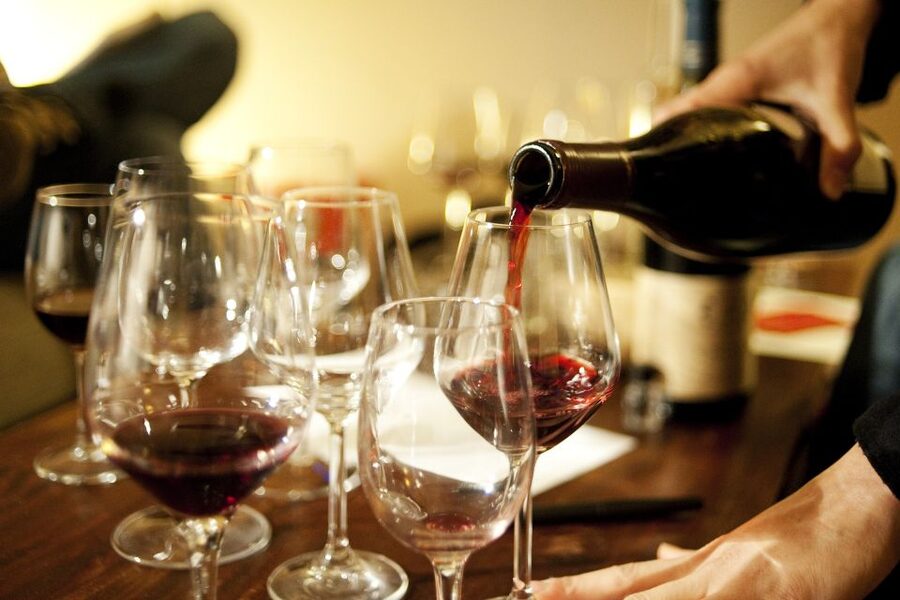
The advertised format includes three types of wine. The guide proposes bottles from different parts of France and can tailor the selection to the group’s interests. The exact wines are not fixed in the information provided, which is a strength for some people and a weakness for others.
It is a strength if you want a tasting that responds to your preferences. You might ask for more whites, unusual grapes, lighter wines, or styles you have not tried before. It is a weakness if you booked hoping for a guaranteed list of famous appellations or specific vintages.
The supplied details describe three wines, while one tasting account reports four samples and an extra surprise pour. That suggests the number can vary, but you should treat three wines as the dependable expectation rather than counting on additional servings.
Each wine is discussed as you taste it. The guide explains where it comes from, what flavors to notice, and how the grape differs from the others. One particularly useful feature is that you are not left to guess what you should be looking for. Your host helps you connect the glass to the region and the production method.
For someone who does not drink wine often, this guidance can make the tasting less intimidating. You can use the provided spittoon if you want to taste without consuming every pour. That is a practical detail, especially when several samples are served close together.
Cheese pairings that change the wine
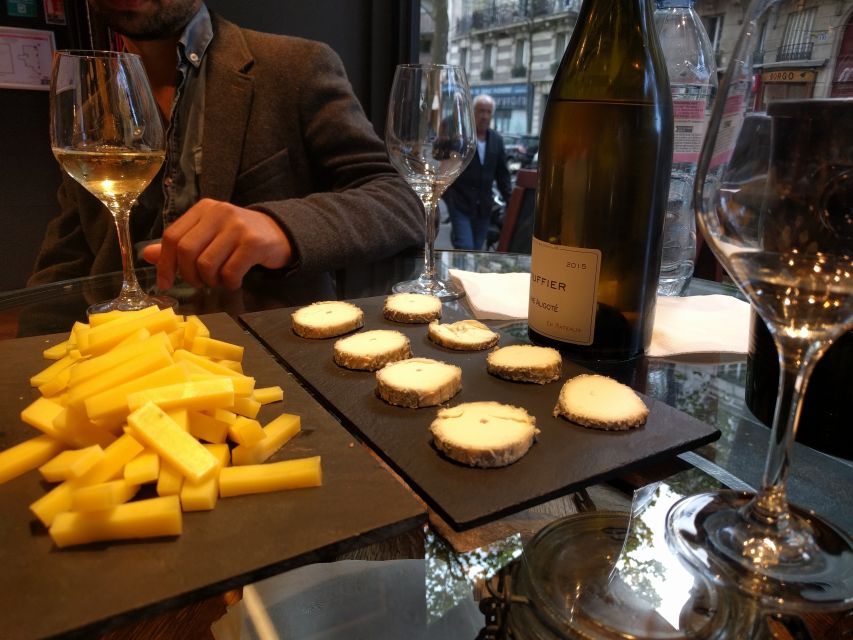
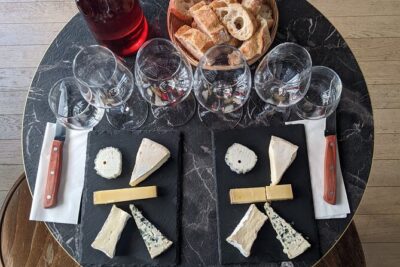
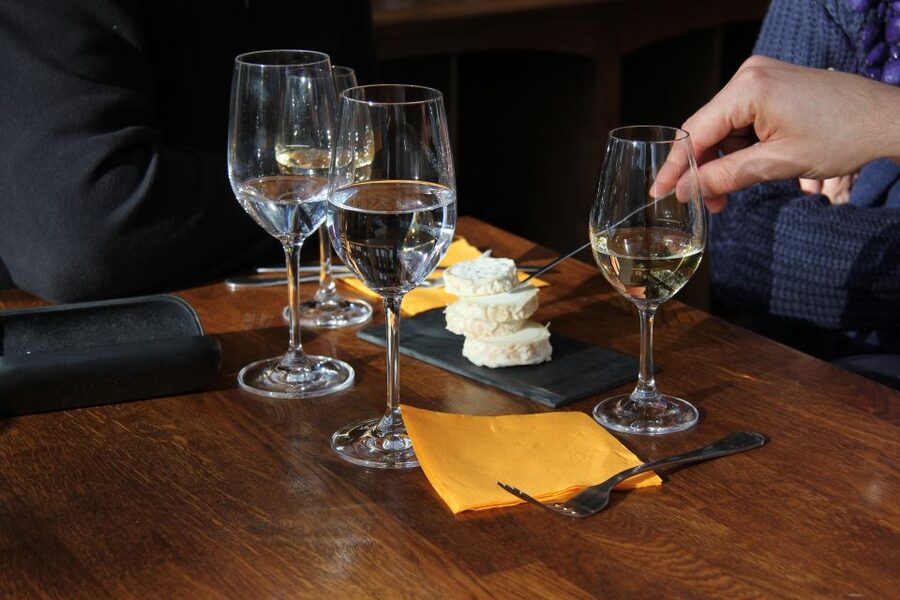
The cheese portion is simple but well chosen for teaching. You receive cheese from a nearby artisanal shop, including a hard cheese and a soft cheese. The included details also describe three types of cheese, so the exact selection may vary, but you should expect a small set of contrasting cheeses rather than a full cheese board.
Try the wine on its own first. Then take a bite of cheese and taste the wine again. You may notice a change in its sharpness, fruit, creaminess, or finish. That direct comparison is more useful than simply being told that a certain wine pairs well with a certain food.
Bread and water are provided as palate cleansers. They keep the tasting comfortable and help separate one sample from the next. The food is enough to support the lesson, but it should not replace lunch or dinner. Plan to eat elsewhere if you need a substantial meal.
The cheese is also one of the strongest reasons to choose this format over a plain wine flight. You learn a basic skill you can use during the rest of your trip: taste the wine alone, taste the food alone, then see what happens when you combine them. It is a small lesson, but one you can repeat at a Paris market, a restaurant, or your own table at home.
More Wine and Cheese Tastings in Paris
- Paris: Wine and Cheese Tasting with a Chef Sommelier
★ 4.7 · 277 reviews - Paris: French Wine and Cheese Guided Tasting
★ 5.0 · 201 reviews - Paris: Cheese and Wine Class in a 17th Century Cellar
★ 4.8 · 91 reviews
Guides who make the session approachable
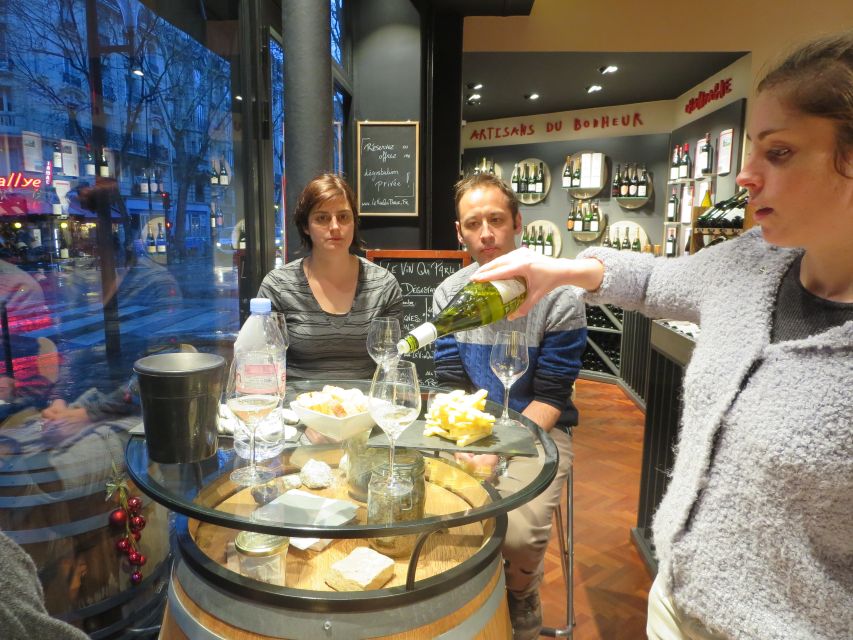
The individual guide can affect the experience, and the named hosts have made a strong impression. Camille is described as friendly and helpful, with one tasting including an unexpected extra sample. Julian is praised for explaining new varieties, regional origins, and the correct wine choices for each cheese.
Constance led a calm session in excellent English, while Leia was described as pleasant and informative. Other hosts have been praised for explaining how wine is made, how to taste it, and how grapes differ.
The common thread is not a rehearsed show. It is the chance to ask direct questions and get an answer suited to your level. You can ask why a wine tastes dry, why one cheese works better than another, or how to choose a bottle from the shop. The guides are there to share their enthusiasm, but the session still leaves room for your interests.
English and French are available. If you are booking for a mixed-language group, confirm the language option when choosing your time.
What the $76 price gets you
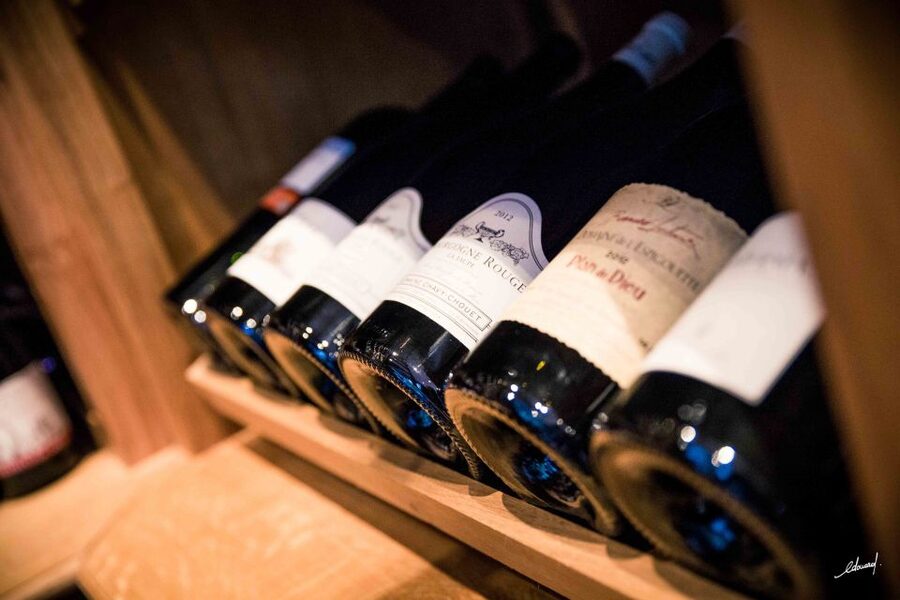
At $76 per person, this is not a cheap way to consume three glasses of wine. The value comes from the instruction, the small group, the cheese pairings, and the chance to taste bottles selected from independent producers.
You are paying for 90 minutes with a guide who can explain French wine in plain terms. The maps, soil samples, and regional discussion add more than you would get by ordering three glasses at a bar. The cheese also gives the tasting a clear purpose, instead of leaving you with three unrelated pours.
The price looks strongest for a first-time wine taster or for someone who wants to understand French labels before buying bottles. It is less compelling if you already know French wine well and mainly want a large flight or a full meal.
The possibility of buying a bottle you enjoyed adds practical value, though it is not a discount or part of the ticket. You can taste before you spend more, which is helpful when French labels feel unfamiliar.
Free cancellation up to 24 hours before the start and a reserve-now, pay-later option make the booking easier to fit into a changing Paris schedule. The duration is fixed at 90 minutes, so you can place it between sightseeing plans without giving up an entire afternoon.
Who will enjoy this tasting most
I would choose this for a couple, a small group of friends, or a solo visitor who wants a social activity without committing to a formal meal. The eight-person limit makes it easier to speak with the guide and follow the explanation.
It is also a good choice for people who drink wine casually. You do not need to know French regions in advance. The session starts with basic context and builds through tasting, food pairing, and questions.
Non-drinkers can still get something from the lesson, and the spittoon is available. One participant who did not usually drink wine still found the event worthwhile because the host explained where the wines came from and how they were made. Still, if you dislike tasting alcohol altogether, this is not the right activity.
Food-focused visitors will like the connection between wine and artisan cheese. Those hoping for a full spread should choose a restaurant tasting instead. The supplied food is a teaching aid, not a meal.
Practical details that affect your visit
Allow time to find the meeting point because it may vary by booking option. Once inside, expect a boutique setting with a designated tasting area, not a large cellar with extensive walking.
Wear something comfortable and arrive ready to participate. The session works best when you smell, taste, compare, and ask questions rather than simply waiting for the next pour.
Toilets may not be readily available or easily accessible in the shop. Use a restroom before arriving, particularly if you are planning a longer afternoon afterward.
The activity is offered in English and French, lasts 90 minutes, and has a small-group limit of eight participants. Water and bread are included. The central tasting includes three wines, while the number of cheese types and any extra pour can depend on the session.
Should you book the Paris wine and cheese tasting?
Book it if you want a friendly introduction to French wine with real explanation behind each glass. The strongest features are the independent-producer selection, the maps and soil samples, the cheese comparisons, and the personal help from guides such as Camille, Julian, and Constance.
Skip it if you want a full dinner, a grand historic cellar, or a guaranteed list of famous bottles. For $76, the experience earns its price through teaching and access to a small group, not through the amount of food or alcohol.
For most curious visitors, I see it as a smart way to spend 90 minutes in Paris. You leave with a better sense of French regions, a few new wines to remember, and a clearer idea of what to order next.
FAQ
How long does the Paris wine and cheese tasting last?
The tasting lasts 90 minutes.
How many wines are included?
Three types of wine are included. The exact selection is chosen by the guide, and one session included an additional sample, but three wines are the standard expectation.
How many cheeses are included?
The activity includes a cheese tasting described as three types of cheese. The tasting format also specifies a hard cheese and a soft cheese from a nearby artisanal cheese shop.
Is food included besides cheese?
Bread and water are included. This is not a restaurant meal, so you should plan to eat elsewhere if you need lunch or dinner.
Where does the tasting take place?
It takes place in a Paris cave à vin, or wine boutique. The exact meeting point may vary depending on the option booked.
Which languages are available?
The live guide is available in English and French.
How large is the group?
The group is limited to eight participants.
Is the tasting suitable for someone new to wine?
Yes. The guide explains French regions, grapes, production, terroir, and tasting basics. A spittoon is also provided for anyone who does not want to swallow every sample.
Can I cancel the booking?
You can cancel up to 24 hours in advance for a full refund. A reserve-now, pay-later option is also available.
More Cheese Tastings in Paris
- Cheese & Wine Tasting in Montmartre with Local Cheesemonger
★ 5.0 · 470 reviews - Paris: Wine Tasting Experience with 6 Wines and Cheese Board
★ 4.9 · 80 reviews - Paris: Tasting of 3 Wine and 3 Cheese
★ 5.0 · 74 reviews - Krakow–Zakopane: Cable Car, Chocholow Baths, Cheese & Vodka
★ 5.0 · 10,720 reviews
Freshly poured around Paris
- Paris: Tasting of 3 Wine and 3 Cheese★ 5.0 · 74 reviews
- Paris: Wine Tasting Experience with 6 Wines and Cheese Board★ 4.9 · 80 reviews
- Paris : Scenic Cruise on the Seine River with Champagne★ 4.0 · 81 reviews
- Paris: Seine River Champagne Dinner Cruise with Live Music★ 4.4 · 287 reviews
- Paris: Seine River Cruise with Champagne from Eiffel Tower★ 4.4 · 381 reviews
- Paris: Moulin Rouge Show with Champagne and Drop-Off Service★ 4.2 · 130 reviews
- Paris: Les Caves du Louvre Guided Tour with Wine Tastings★ 4.7 · 932 reviews
- Paris: Pub Crawl with Shots and Nightclub Entry★ 4.9 · 321 reviews
Wine & Cheese Tastings, side by side.
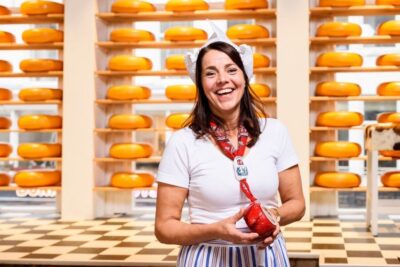
Amsterdam: Premium Henri Willig Cheese Tasting Experience
Read our review →
Vila Nova de Gaia: Port Wine Tasting with Cheese Pairing
Read our review →
Amsterdam: Dutch Cheese Tasting Experience with Wine
Read our review →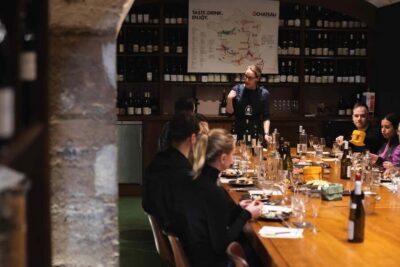
Tacoronte: Guided Winery Tour with Wine and Cheese Tastings
Read our review →