
Review · PORTUGAL
Vila Nova de Gaia: Port Wine Tasting with Cheese Pairing
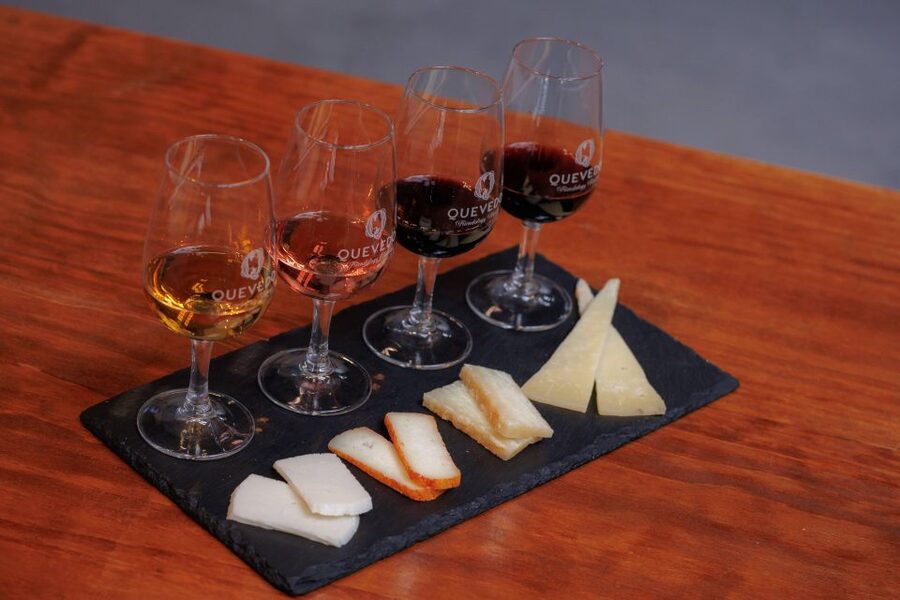
Port and cheese make a fine one-hour lesson in Portuguese flavor. At Quevedo, you taste three distinct Ports, each matched with a different cheese, while guides such as Miguel, Inês, Fernando, and Bruna explain what is in your glass and why the pairing works. I especially like the small groups and the clear, friendly teaching.
I also like the family-owned background and the chance to taste wines made from grapes grown in the Douro Valley. The main consideration is simple: this is a tasting, not a full winery tour, so you will not tour a bodega or see the entire production process.
Key points to know
- Three styles in one sitting: Crusted Port, 10-Year-Old Tawny, and a 2009 White Colheita show how broad Port can be.
- Cheese is part of the lesson: Each pour comes with a carefully chosen Portuguese cheese and, in one case, local jam.
- Small groups help: The session is limited to eight people, leaving room for questions and conversation.
- The guides make the difference: Miguel, Inês, Fernando, Bruna, Marcia, Rafael, and others are praised for friendly, clear explanations.
- Good central stop: Quevedo is in Vila Nova de Gaia, close to the riverfront and other Port houses.
- One hour, $30: The price is fair for three pours, three cheese pairings, and a focused introduction to Port.
A One-Hour Introduction to Port in Vila Nova de Gaia
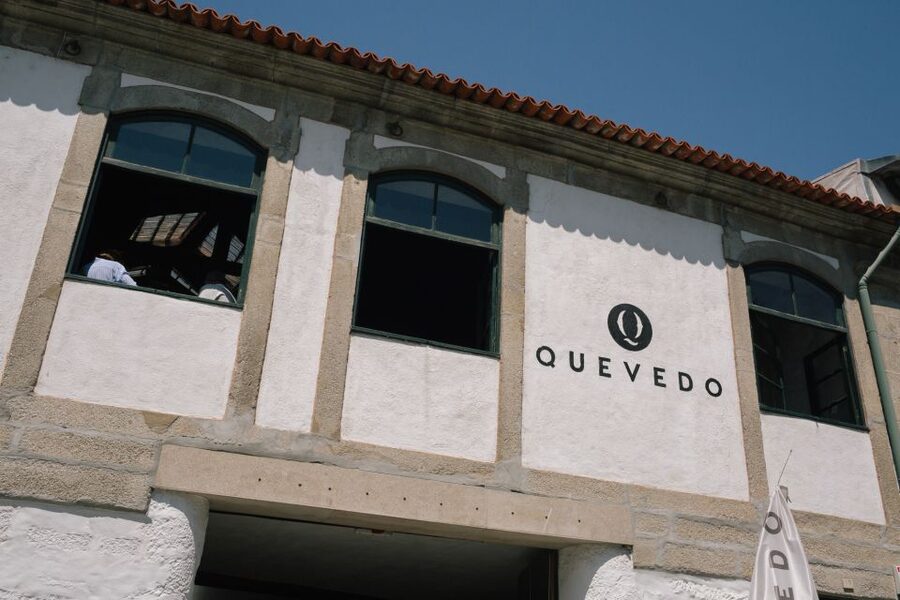
Vila Nova de Gaia is the natural place to learn about Port. Across the Douro from central Porto, this is where many famous Port houses have their tasting rooms and cellars. Quevedo offers a shorter, more personal option: you sit in a comfortable lodge, taste three wines, and learn the basics without giving up half a day.
The format works well if you are fitting several sights into a Porto visit. You do not need a long lecture or a formal wine qualification. The guides explain the essentials in plain language, then let you taste for yourself.
The experience costs $30 per person and lasts one hour. That makes it less expensive than many larger wine programs, while still giving you three wines and three food pairings. It is not the cheapest drink in Gaia, but the cheese, instruction, and limited group size make the price reasonable.
The group can include no more than eight people. That matters. A small table gives you a better chance to ask why one Port tastes sweeter, how aging changes the wine, or why a certain cheese works better with one glass than another.
More Wine Tasting Tours in Portugal
- From Porto: Douro Valley w/ Boat Tour, Wine Tasting & Lunch
★ 4.7 · 19,061 reviews - Complete Douro Valley Wine Tour with Lunch, Wine Tastings and River Cruise
★ 5.0 · 12,920 reviews - Porto: Cálem Cellar Tour, Interactive Museum & Wine Tasting
★ 4.5 · 4,113 reviews
Arriving at the Quevedo Lodge
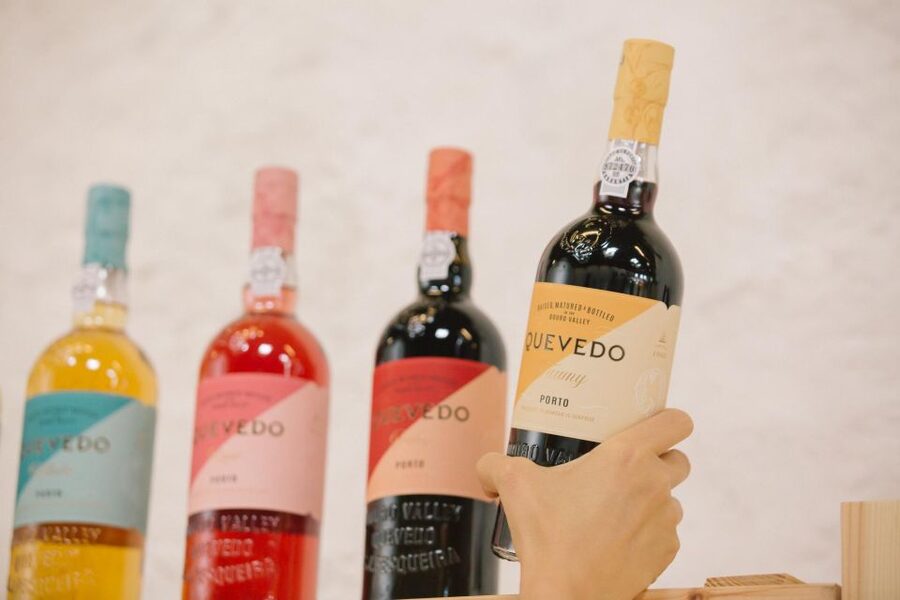
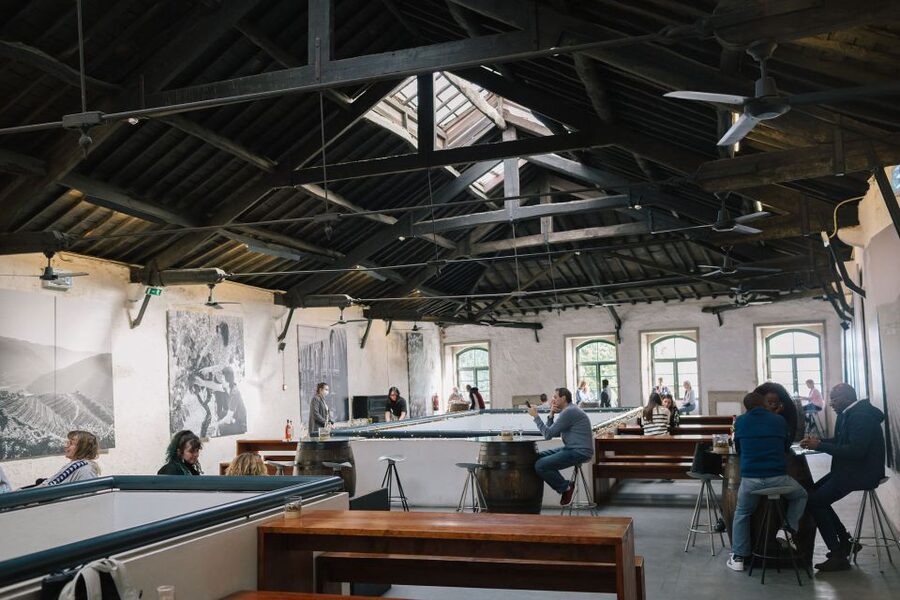
You meet at Quevedo Port Wine and speak with a member of the local staff. The tasting takes place in a cozy, open, airy setting rather than on a bus or in a large auditorium. Some sessions feel very intimate, with only a few people at the table. Other groups can include families and mixed-age visitors, so this is not an adults-only event.
The setting is a useful middle ground. It feels more relaxed than a formal cellar visit, but it still has enough structure to keep the hour moving. Guides often begin with the story of the Quevedo family and the company’s place in the Douro wine world.
Quevedo is a small family-owned Port house with more than five generations of wine-making tradition. The company began bottling under its own name in 1993, after Portugal entered the European Union. That detail gives you a useful sense of its position: Quevedo is a young Port brand by local standards, but its wine-making knowledge comes from much older family practice.
The company farms 100 hectares of vineyards and 25 hectares of organic olive groves across five Douro properties. You will not visit those properties during this tasting, but the information helps explain why the wines can show different aromas and flavors. The family works with grapes from varied sites rather than treating the Douro as one uniform growing area.
First Pour: Crusted Port and Aged Sheep Cheese
The first pairing is Crusted Port with a local aged sheep cheese. Crusted Port is a style made for aging in the bottle. It is not presented as a single vintage in the same way as a classic Vintage Port, and it develops character from time in the bottle rather than from filtration.
You receive a 40 ml pour unless otherwise noted. That is enough to study the color and aroma, taste the wine slowly, and compare it with the cheese, but it is not a large drink. Three pours add up to a sensible tasting rather than a full evening of drinking.
The aged sheep cheese gives the first pairing a firm, savory start. Pay attention to what happens after a bite of cheese, then another sip of Port. The food can soften the wine’s edges, change its sweetness, or bring out a fruit note that was less obvious on its own.
This is the point of the experience. You are not simply eating cheese beside wine. You are being shown how the combination changes both. Some pairings may feel harmonious, while others may make you notice a sharper contrast. That comparison is more useful than a long list of tasting terms.
Second Pour: 10-Year-Old Tawny with Paprika Cheese
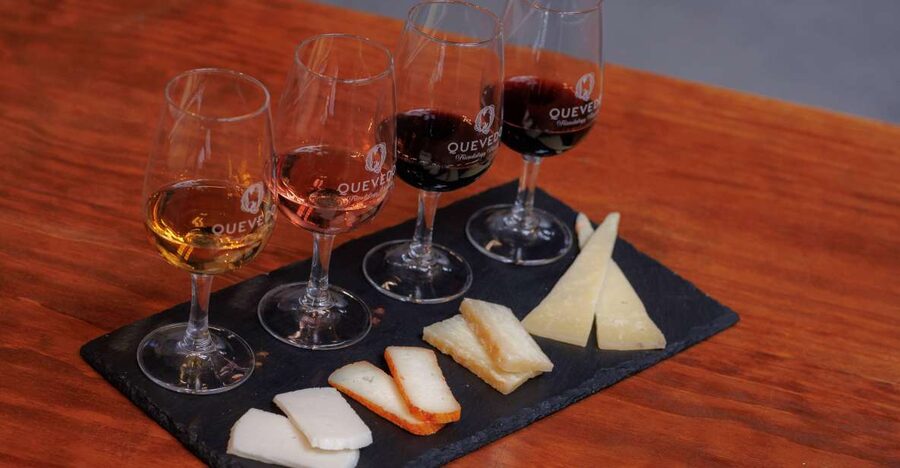
The second glass is a 10-Year-Old Tawny Port paired with a mixed cow, goat, and sheep cheese aged with paprika. Tawny Port spends time in wooden barrels, where it changes gradually through contact with oxygen. Compared with a young, fruit-driven Port, an aged Tawny can show softer fruit and more developed nutty or caramel-like notes.
The cheese brings several milk types into one bite, along with the gentle spice of paprika. This is a good pairing for anyone who wants to understand why Tawny Port is often an easy starting point. It tends to feel rounded and approachable, and the cheese gives you enough salt and texture to make the sweetness more balanced.
The guides are strong on this section because it connects the glass to a wider lesson about Port categories. Miguel is repeatedly singled out for explaining Port, viticulture, and wine-making in a clear way. Inês is also praised for translating technical ideas into language that makes sense to people who do not work in wine.
You can ask about aging, sweetness, serving, or buying Port at home. The best part of a small group is that the talk can adjust to your interests. If you already know the basics, you can ask more detailed questions. If you are new to fortified wine, you can focus on simple comparisons.
More Port Wine Cellar Tours in Portugal:
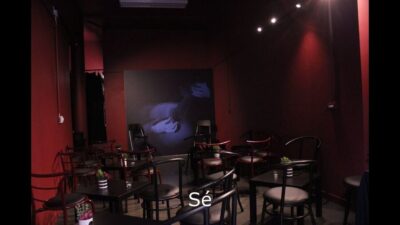
- Porto: Live Fado Show with Glass of Port Wine
★ 4.8 · 6,498 reviews - Lisbon: Live Fado Show with Port Wine at Lisboa em Fado
★ 4.7 · 5,097 reviews - Porto: Bridges Cruise & Sunset & Port Wine Cellar Option
★ 4.2 · 4,180 reviews - Porto: Fado & Port Wine in Traditional Portuguese Music Shop
★ 4.8 · 2,906 reviews
Third Pour: 2009 White Colheita with Azores Cheese
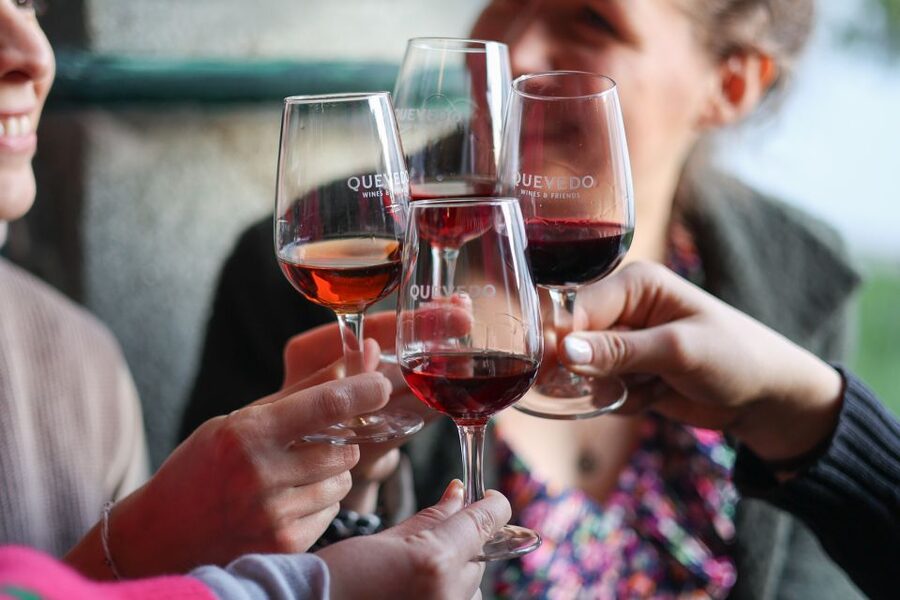
The final pairing is a 2009 White Colheita Port with a seven-month-aged traditional cheese from the Azores and local jam. This is the most unexpected pour of the three because many people first associate Port with dark red wines.
White Port can range from dry and fresh to sweet and full-bodied. A Colheita is a dated Tawny made from grapes harvested in a single year and aged in wood. Here, the 2009 date gives you a chance to taste a wine with more age and development than a basic young White Port.
The Azorean cheese adds a different regional note from the Douro and northern Portugal pairings. The local jam brings sweetness and fruit to the plate, giving you another way to test the balance between wine and food.
I like this final course because it prevents the tasting from becoming repetitive. You get a red style, a wood-aged Tawny, and a white style with a dated vintage. The sequence also helps you leave with a broader idea of Port instead of assuming all Port tastes alike.
If you normally avoid strong cheeses, this pairing may suit you. The cheeses are varied, but the selection is not presented as a challenge for serious cheese specialists. It is designed to show how food affects the wine without overwhelming it.
What the Guides Add to the Experience
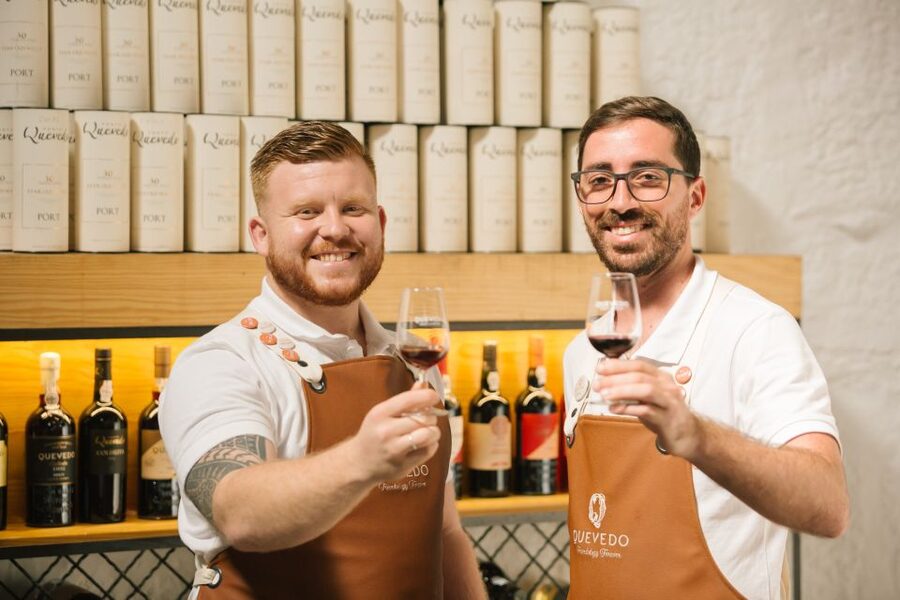
The staff are a major part of the value. The tasting depends less on walking through a historic cellar and more on how well the person at the table explains the wine. Fortunately, the guides receive unusually strong praise for their warmth and command of the subject.
Miguel is described as clear, friendly, and especially strong on Port and wine-making. Fernando is praised for his passion for Port, the Douro Valley, and wine in general. Bruna brings an engaging style, while Inês is good at making complicated points understandable to newcomers.
Other guides named during the sessions include Marcia, Rafael, Francisco, Antonio, Dima, and Raphael. The exact guide can vary, but the pattern is consistent: expect a conversational explanation rather than a stiff script.
The staff can also answer practical questions about buying and appreciating Port. You may leave knowing the difference between a Tawny and a Crusted Port, how aging affects flavor, and which style you might want to seek out later.
A few sessions have included live fado music, adding a local cultural note. It is not presented as a guaranteed feature, so do not book solely for music. Treat it as a possible extra rather than part of the basic program.
Family-Owned Wine with Douro Roots
Quevedo’s background adds substance to the tasting. The wines are raised, matured, and bottled in the Douro Valley, with the grape source treated as central to quality. The family’s approach is based on the idea that good wine begins in the vineyard.
The five properties give the producer access to grapes with different aromas and flavors. That is useful context when you taste three distinct styles in one hour. The differences are not only the result of cellar work. Grape variety, vineyard location, aging method, and time all play a role.
The company also cultivates organic olive groves. Olive oil is not part of this tasting, and you should not expect an olive oil session. Still, the detail helps you understand that this is a family agricultural business with a wider connection to the Douro region.
The 1993 bottling date is worth remembering. Quevedo may be one of the newer Port houses to sell wine under its own name, but its family experience reaches back five generations. That combination gives the presentation a useful balance between tradition and a modern small-producer identity.
What You Do Not Get
This is a tasting only. You do not tour a bodega, walk through a vineyard, take a trip into the Douro Valley, or watch Port being made. If you want barrels, production rooms, and a longer cellar visit, choose a different program.
The one-hour length is both a strength and a limit. It keeps the session easy to fit into a busy Porto day, but it leaves no room for a full technical study of grape varieties, fermentation, fortification, and aging. The guide gives you a strong introduction, not a wine course.
The 40 ml pours are also worth noting. You receive three glasses, but each is a tasting measure. That is ideal if you plan to walk along the Gaia riverfront afterward or visit another Port house. It may feel modest if you expect a long, leisurely drinking session.
Children can be present in another group or in the wider venue. One person found that less appealing for an adult wine setting. If you want a quiet, adults-only atmosphere, this experience cannot guarantee it.
Additional wines and snacks cost extra. The included food is limited to the three cheese pairings and the jam served with the White Port.
Is $30 a Fair Price?
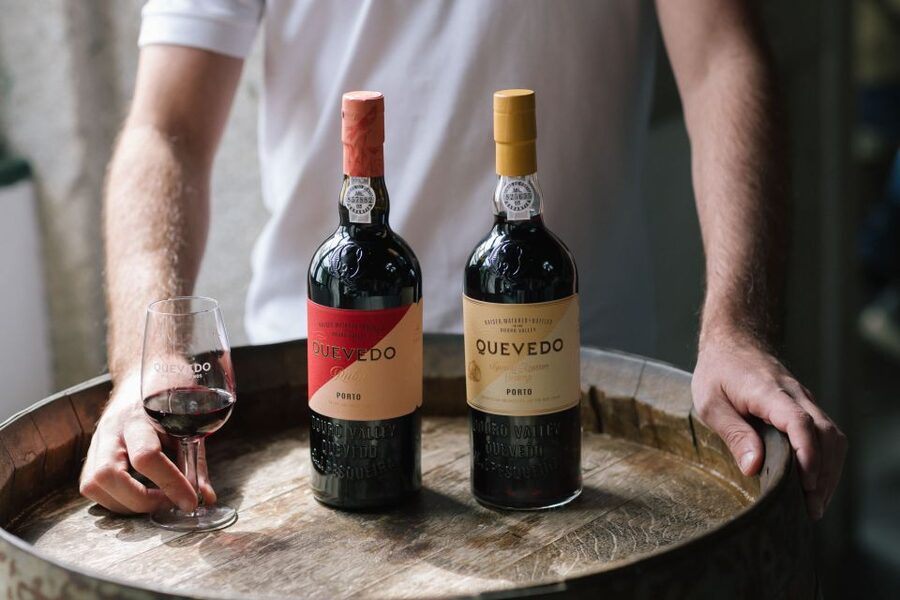
I consider $30 a fair price for the package. You receive three Port wines, three cheese matches, an hour of instruction, and a group capped at eight people. The cheese is not an afterthought. It is built into the teaching and gives you a practical way to compare the wines.
The value is strongest if you are new to Port. Instead of ordering three glasses at random, you get a guided sample of three styles and learn what separates them. That can save you from buying a bottle based only on a label or a vague preference for sweet wine.
The value is also good for experienced drinkers who want a focused introduction to a smaller Port house. You may not learn something new about every style, but you can ask sharper questions and explore how food changes the taste.
It is less compelling if you mainly want a large serving of wine or a long cellar tour. In that case, the modest pours and one-hour format may seem limited. The price pays for structure and instruction as much as for alcohol.
Who Should Book This Tasting?
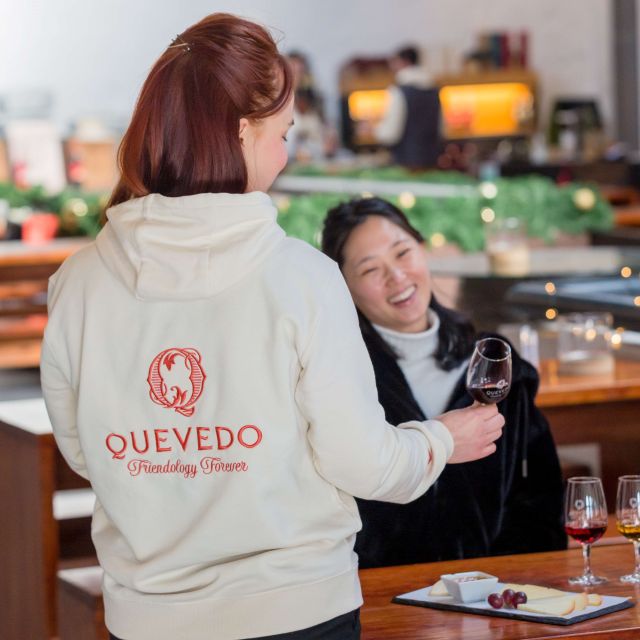
I would choose this for a first Port experience in Porto, especially if you like learning through comparison. The three styles are varied enough to help you find your preferences quickly.
It suits couples, friends, solo visitors, and small groups. The limit of eight makes it easier to talk with the guide, and the relaxed setting works for people who may feel intimidated by formal wine language.
It is also a good stop before or after exploring Gaia’s riverfront. The location puts you close to other Port houses and the Douro waterfront, so you can pair the tasting with a walk through the area.
The experience is wheelchair accessible, and the guides can host in Portuguese, English, Spanish, or Russian. Reserve now and pay later is available, and cancellation is free up to 24 hours before the start time.
Should You Book Quevedo?
Book it if you want a clear, friendly introduction to Port with food that genuinely helps you taste the differences. The small group, skilled guides, and unusual White Port pairing give the hour more substance than a simple flight of three glasses.
Skip it if your priority is a full cellar visit, a trip to the Douro vineyards, or a long adults-only wine event. For everyone else, $30 is a sensible way to understand Port before you start ordering bottles around Porto.
FAQ
Where does the Port tasting take place?
The tasting takes place at Quevedo Port Wine in Vila Nova de Gaia. Go to Quevedo and speak with a local staff member.
How long does the experience last?
The tasting lasts one hour.
How many Port wines are included?
Three glasses of Port are included. Each tasting pour is 40 ml unless otherwise noted.
Which Ports will I taste?
The tasting includes Crusted Port, 10-Year-Old Tawny Port, and a 2009 White Colheita Port.
What cheeses are paired with the wines?
The Crusted Port comes with local aged sheep cheese. The 10-Year-Old Tawny comes with a mixed cow, goat, and sheep cheese aged with paprika. The 2009 White Colheita comes with a seven-month-aged traditional Azores cheese and local jam.
Is the tasting suitable for people new to Port?
Yes. The staff explain Port styles, production, aging, and the reasons for the cheese pairings. The session is designed for both newcomers and experienced wine drinkers.
How large is the group?
The activity is limited to eight participants.
Is the tasting wheelchair accessible?
Yes, the experience is wheelchair accessible.
More Cheese Tastings in Portugal
- Porto: Cálem Cellar with Chocolate, Cheese, and Wine Tasting
★ 4.6 · 310 reviews - Krakow–Zakopane: Cable Car, Chocholow Baths, Cheese & Vodka
★ 5.0 · 10,720 reviews - Krakow–Zakopane: Cable Car, Chocholow Baths, Cheese & Vodka
★ 4.8 · 8,989 reviews - Amsterdam: Guided Zaanse Schans, Windmills & Cheese Tour
★ 4.4 · 4,826 reviews
More Wine and Cheese Tastings in Portugal
- Lisbon: Portuguese Wine and Cheese Tasting with Lunch
★ 4.7 · 353 reviews - Amsterdam: Premium Henri Willig Cheese Tasting Experience
★ 4.7 · 1,106 reviews - Amsterdam: Wine and Cheese Evening Cruise
★ 4.5 · 839 reviews - Hamburg: Harbor Cruise with Wine and Cheese
★ 4.7 · 795 reviews
Freshly poured around Portugal
- Porto: 6 Bridges Port Wine River Cruise with 4 Tastings★ 4.9 · 586 reviews
- Porto: Daytime or Sunset Douro River Cruise With Port Wine★ 4.7 · 714 reviews
- Porto: 6 Bridges Cruise & Port Wine with Sunset Option★ 5.0 · 997 reviews
- Porto: 6 Bridges Port Wine River Cruise with 4 Tastings★ 4.8 · 219 reviews
- Porto: Douro Cruise, 6 Bridges & 4 Port Wines (Max 7)★ 5.0 · 69 reviews
- Porto: 3 or 5 Port Wine Tasting with Pairings★ 4.9 · 152 reviews
- Ponta Delgada: Pineapple wine tasting and pineapple tour★ 4.8 · 127 reviews
- Pinhão: Quinta da Formigosa Vineyard Tour and Wine Tasting★ 5.0 · 71 reviews
Port Wine Cellar Tours, side by side.
Porto: Live Fado Show with Glass of Port Wine
Read our review →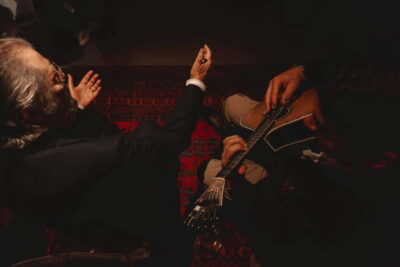
Lisbon: Live Fado Show with Port Wine at Lisboa em Fado
Read our review →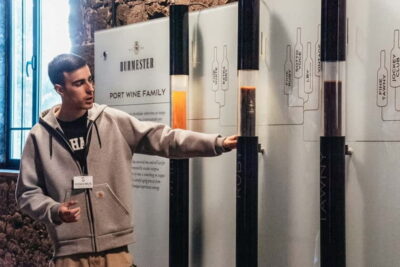
Porto: Bridges Cruise & Sunset & Port Wine Cellar Option
Read our review →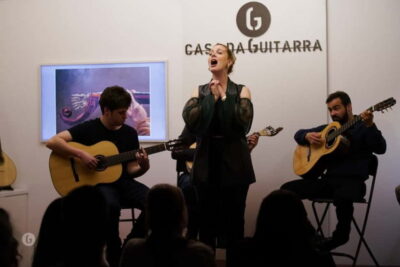
Porto: Fado & Port Wine in Traditional Portuguese Music Shop
Read our review →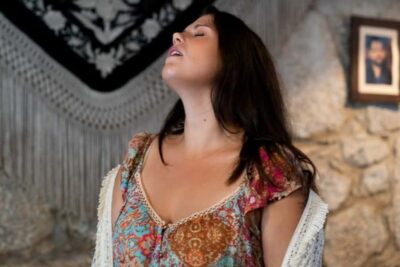
Porto: What is Fado? Commented Live Concert with Port Wine
Read our review →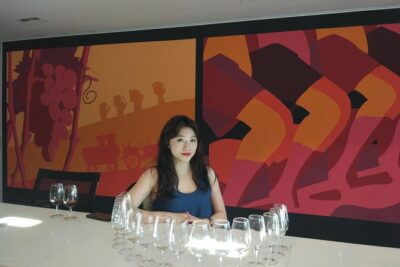
Port Wine Lodges Tour Including 7 Port Wine Tastings (English)
Read our review →
Porto: Charming Sailboat Cruise with Port Wine,Sunset Option
Read our review →
Porto: Douro River Boat Cruise with Port Wine Tasting
Read our review →Lists this tasting sits in