Review · PORTO
Porto: 3 or 5 Port Wine Tasting with Pairings
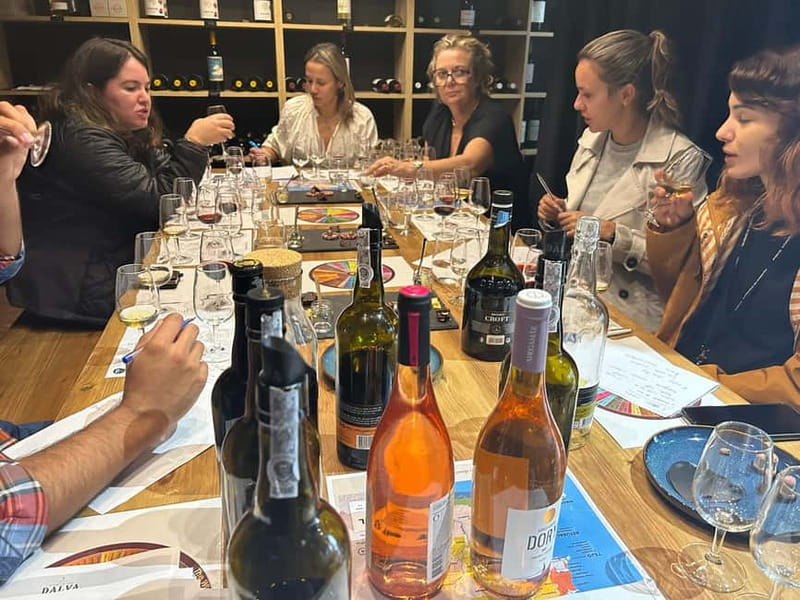
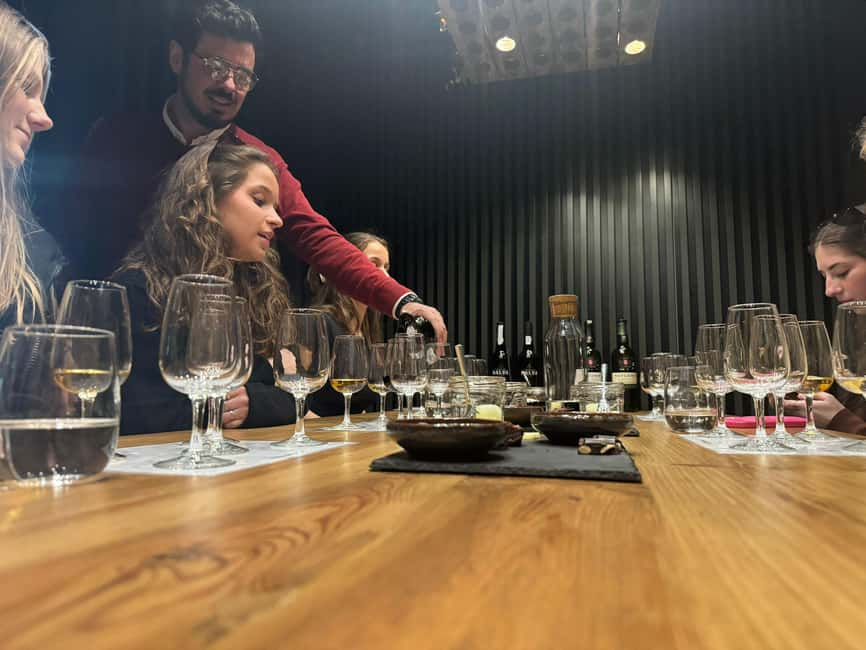
Port wine comes into focus here through five contrasting glasses, not one sweet sample and a quick sales pitch. You taste white, tawny, ruby, and late bottle vintage styles with small food pairings while your host explains how to notice the differences. I like the central setting and the warm, conversational hosting, especially from guides such as Rui, João, Tito, and Adriano.
I also like that you can choose the shorter 45-minute tasting or spend about 75 minutes with two extra wines. The main drawback is timing: one booking ran an hour late, so I would not schedule this tightly before a cruise departure or another fixed appointment.
Key things to know before booking
- Five ports give you a better comparison: The longer option includes two white ports, tawny, ruby, and late bottle vintage.
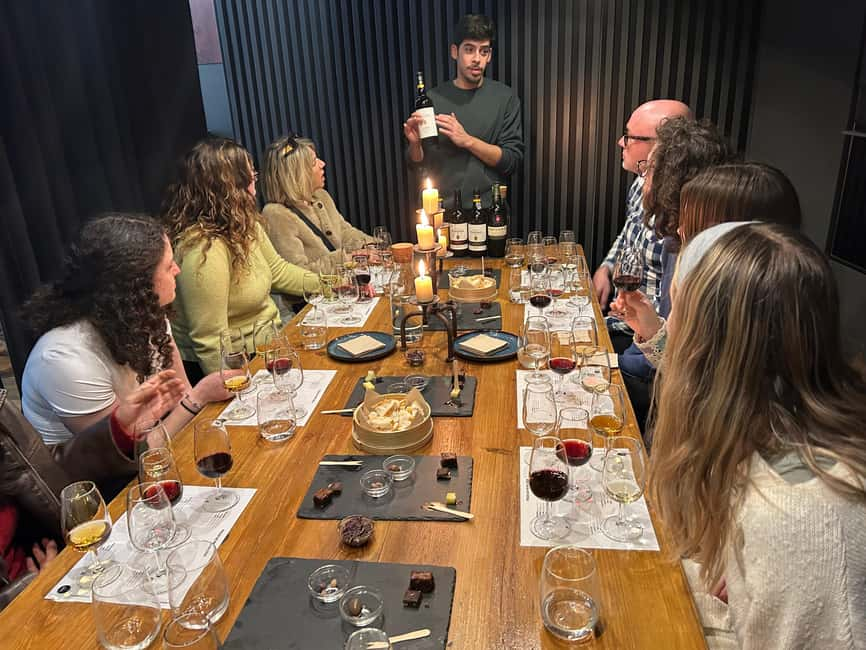
- Pairings make the tasting easier: Expect foods such as olives, cheese, chocolate, melon, or brownies, though the exact selection can vary.
- The hosts are the main attraction: Rui, João, Tito, Gregorio, Adriano, and other English-speaking hosts have been praised for humor, clear explanations, and useful Porto tips.
- It is genuinely central: The meeting point is close to bus and tram stops, with no transport needed from the city center.
- The group is meant to stay small: Capacity is limited to 10 people, which helps keep the conversation personal.
- The 5-port option is the better value: For only a little more time and extra tasting variety, it gives you a stronger introduction to Portuguese wine.
What happens when you arrive in central Porto
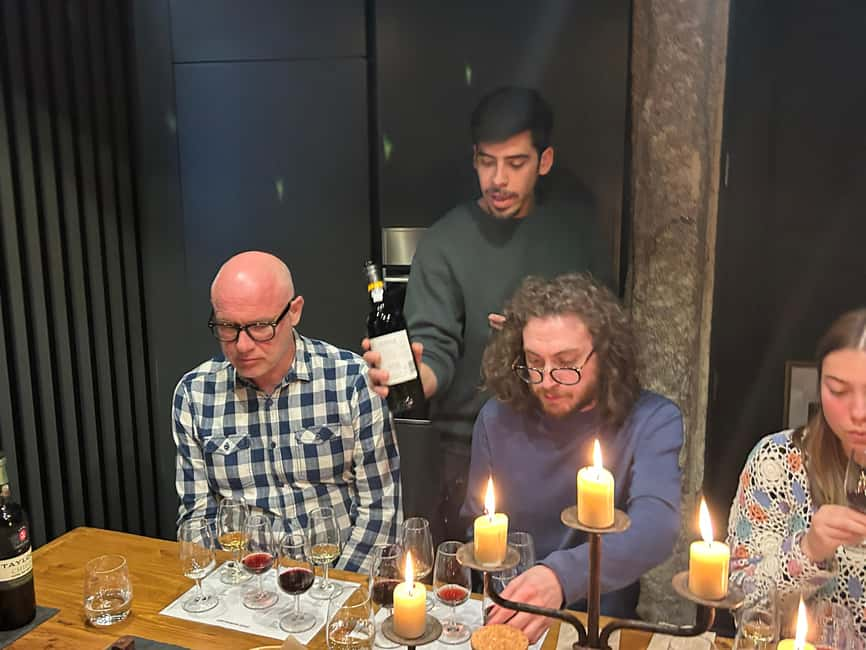
This is a straightforward city-center tasting, not a vineyard visit or a tour of the Douro Valley. You meet the host at the tasting room, settle into a cozy indoor setting, and begin with an introduction to port and Portuguese wine.
That location matters. You can fit the tasting into a day of walking around Porto without arranging a taxi or crossing the river to Vila Nova de Gaia. It also makes the experience useful on a rainy afternoon, when a warm room, a few glasses, and a lively conversation may be exactly what you need.
The meeting point is near bus and tram stops, but you should still allow time to find the room. The activity is not presented as a pickup tour, and transportation is not included. If you are arriving from a cruise ship, be careful with your schedule. One booking experienced a one-hour delay close to the planned start, which made the return journey uncomfortable.
The room itself is described as cozy and, in one account, luxurious. Do not expect a grand cellar tour or views over the Douro. The appeal is the relaxed tasting table and the chance to ask questions without being rushed through a large commercial operation.
More Port Wine Cellar Tours in Porto
- Porto: Live Fado Show with Glass of Port Wine
★ 4.8 · 6,498 reviews - Porto: Bridges Cruise & Sunset & Port Wine Cellar Option
★ 4.2 · 4,180 reviews - Porto: Fado & Port Wine in Traditional Portuguese Music Shop
★ 4.8 · 2,906 reviews
The 45-minute, three-port tasting
The shorter option includes one white, one tawny, and one ruby port. This is the basic flight, but it covers the three styles most visitors should understand first.
The white port gives you a useful starting point because it moves away from the dark, sweet image many people have of port. Your host explains its flavor profile and serves it with a selected pairing. The food is not just decoration. A salty or sweet bite can change how you notice the wine, making it easier to understand why certain combinations work.
Tawny port follows with a different character. This is a chance to compare it with the white style and learn how color, aroma, and sweetness can shift from one glass to the next. The host also discusses how to taste, so you are not left wondering what you are supposed to notice.
Ruby port completes the three-glass set. Its darker color and fruitier profile help round out the introduction. By the end, you should have a practical sense of how white, tawny, and ruby ports differ, even if you are new to fortified wine.
I would choose this version if you have limited time, want a gentle introduction, or plan to visit a Douro winery later. It is also sensible for anyone who wants to avoid too much alcohol in a single sitting. The drawback is that 45 minutes passes quickly, especially if the group asks questions or the conversation continues beyond the formal tasting.
Why the 75-minute, five-port option makes more sense
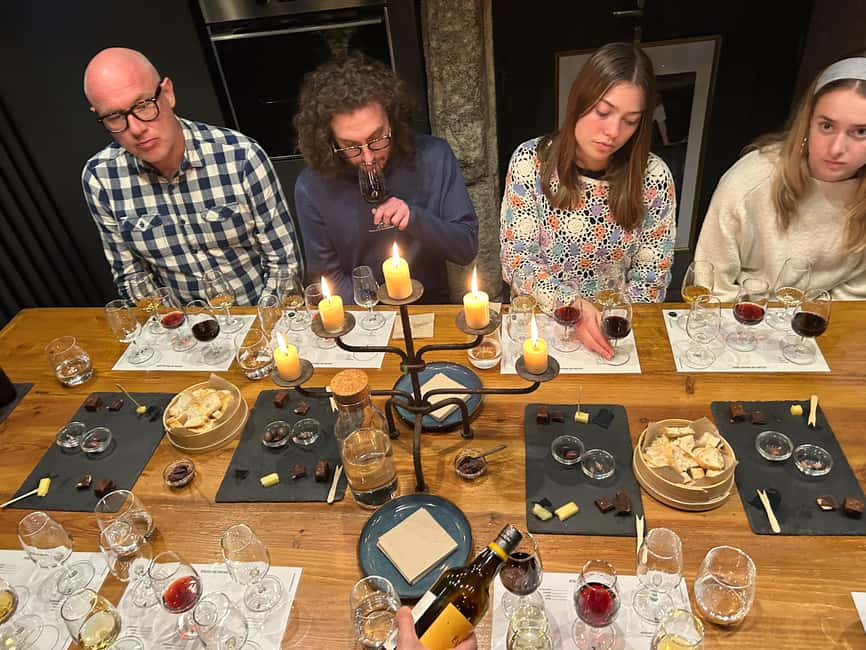
The longer tasting adds a second white port and a late bottle vintage port. Those extra glasses are important because they show that white port is not a single style and that late bottle vintage offers a different point of comparison from standard ruby or tawny.
The five wines are:
- Two white ports
- One tawny port
- One ruby port
- One late bottle vintage port
You receive a hand-picked pairing with each glass. Examples shared during tastings have included olives, cheese, chocolate, melon, and brownies. The exact food selection is not guaranteed, but the idea is consistent: each bite is chosen to complement the port and give you another way to notice its character.
The longer option costs $29 per person according to the supplied activity details, though you should confirm the current price for your chosen version when booking. Even without knowing the exact difference between the two packages, the five-port tasting is the stronger value if the supplement is only a few euros, as one booking found. You get more wine, more comparison, and more time to ask about Portuguese bottles beyond port.
There is also a practical limit. Five pours can leave you feeling pleasantly buzzed, particularly if you are tasting late in the day or have not eaten beforehand. The pairings help, but this is still an alcohol-focused activity. Plan the rest of your evening accordingly.
What the host adds to the glasses
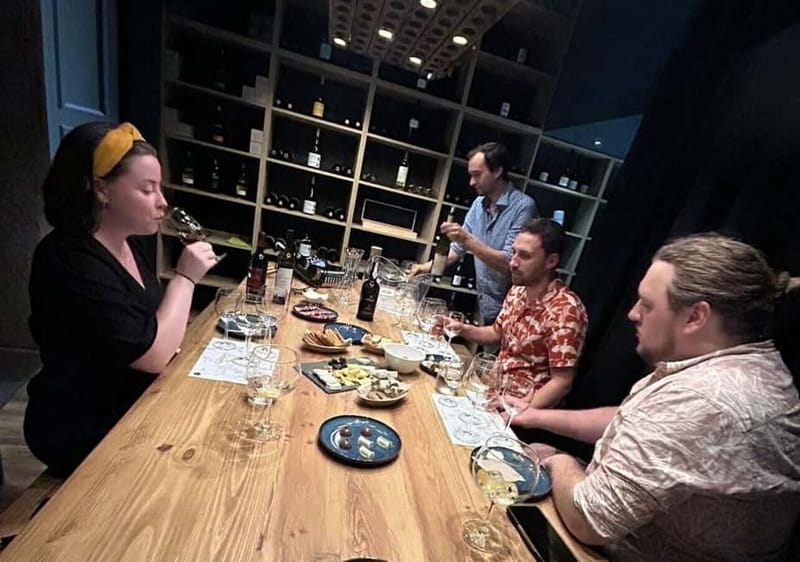
The host makes or breaks a tasting, and this experience depends heavily on the person leading your session. The strongest pattern is a host who explains the wine clearly but keeps the mood informal.
Rui has been praised for being funny, generous, and easy to talk with. João has been described as patient with questions and helpful with suggestions for things to see and places to go in Porto. Tito has led tastings with a strong personal interest in the city and its wines. Other sessions have featured Adriano and Gregorio, both noted for keeping the group involved.
These names should not be taken as a guarantee that one particular host will lead your tasting. Staff assignments can change. Still, the range of feedback suggests that the experience is built around personable English-speaking hosts rather than a fixed audio script.
That is valuable for a first tasting. You can ask why one port tastes sweeter, how tawny differs from ruby, or what other Portuguese wines are worth trying. Several hosts have also offered recommendations for sparkling wine and other Portuguese bottles, which helps you carry the lesson into the rest of your trip.
Some sessions have lasted longer than the advertised time, especially when the group was small or the host continued the conversation. That can be a welcome bonus, but do not build your schedule around an overrun. Treat 45 or 75 minutes as the safe planning estimate.
More Wine Tasting Tours in Porto
- From Porto: Douro Valley w/ Boat Tour, Wine Tasting & Lunch
★ 4.7 · 19,061 reviews - Complete Douro Valley Wine Tour with Lunch, Wine Tastings and River Cruise
★ 5.0 · 12,920 reviews - Douro Valley Small-Group Tour with Wine Tasting, Lunch and Boat
★ 5.0 · 3,642 reviews - Porto: Cálem Cellar Tour, Fado Show & Wine Tasting
★ 4.4 · 3,530 reviews
The food pairings are more than a snack
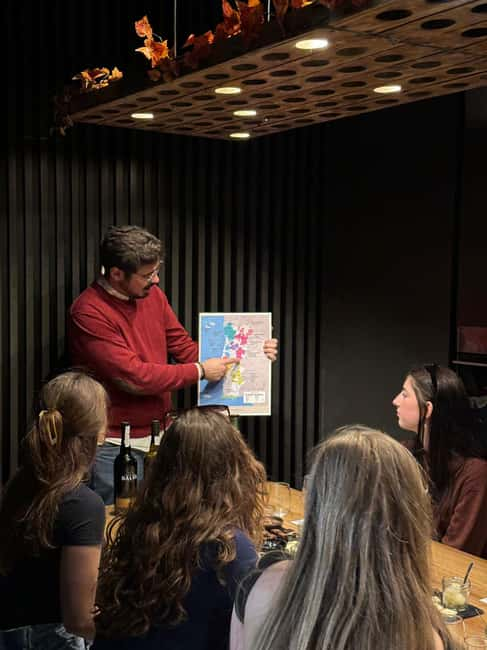
Port can taste very different with food, and the pairings give the tasting a clear structure. Instead of drinking five sweet wines in isolation, you have a reason to pause and compare each glass with something to eat.
The reported pairings include salty olives, cheese, chocolate, melon, and brownies. That range suggests a mix of savory and sweet contrasts. Cheese and olives can make a port feel less sweet, while chocolate or brownies may reinforce its dessert-like side. Melon offers another kind of contrast and keeps the table from becoming too heavy.
Do not expect a full meal. The pairings are tasting portions, not a substitute for lunch or dinner. If you are hungry, eat beforehand or plan a meal afterward. The activity gives you enough food to explore the combinations, but not necessarily enough to fill you up.
I appreciate the way this approach helps beginners. You do not need a trained palate or a vocabulary of wine terms. You can simply decide which pairing you prefer and use that reaction as a starting point.
Port wine history without a formal lecture
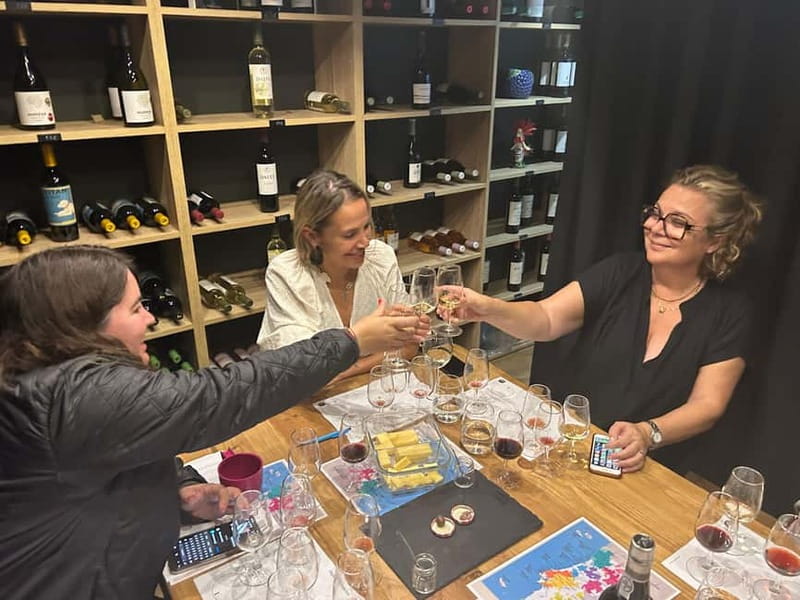
The history portion covers local wine culture and the development of port, along with an introduction to other Portuguese wines. The host explains the background while you taste, rather than separating the talk from the glasses.
That format works well because you can connect each explanation to what is in front of you. The session is not intended to replace a full visit to the Douro Valley, but it gives you useful context before visiting a wine lodge or ordering port at a restaurant.
You will also hear about flavor profiles and how to taste. This is one of the more useful parts for a first-time drinker. Rather than simply being told that a port is fruity, sweet, or nutty, you get a chance to compare styles side by side.
The activity also goes beyond port. Hosts have offered advice about Portuguese sparkling wine and other national varieties. If your interest is Portuguese wine in general, not only fortified wine, the conversation can make the $29 price more worthwhile.
One session even included an impromptu fado demonstration. That is not listed as a standard part of the tasting, so you should not book expecting live music. If it happens, it is a pleasant local touch that adds atmosphere without turning the event into a performance.
Group size, atmosphere, and solo visitors
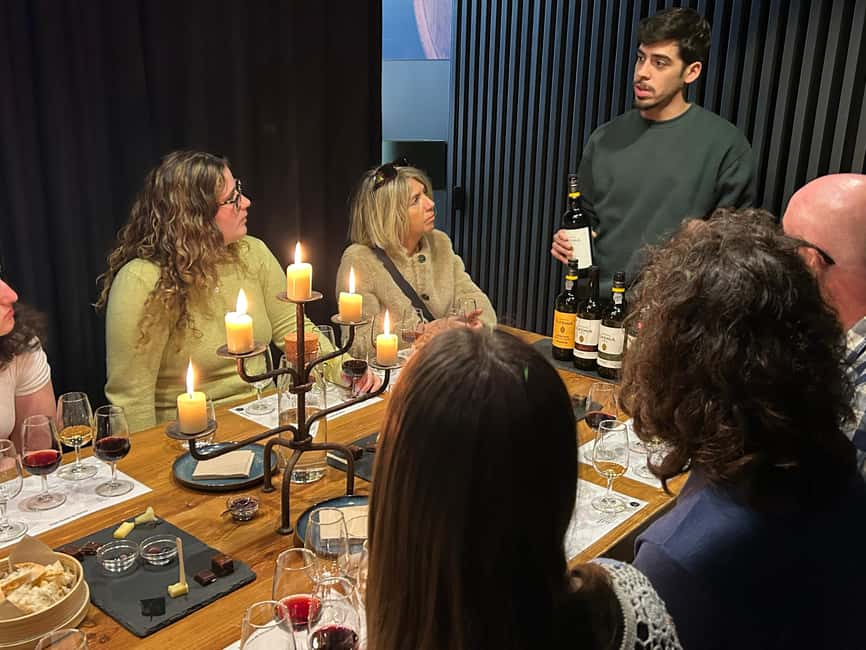
The advertised group limit is 10 people. That is small enough for questions and personal conversation, while still giving the tasting a social feel.
If you are traveling alone, this may be an easy activity to join. One solo participant initially felt awkward but found the group welcoming. That makes sense: a tasting gives everyone a shared subject, so conversation tends to begin naturally around the wines and pairings.
Couples and small groups should also find the setup comfortable. A group of four described the atmosphere as intimate and relaxed, while another birthday group received personal attention from the host. If your party is celebrating something, mention it at the start. The hosts may be able to make the occasion feel more special, though this is not a promised inclusion.
The small-group format is also useful for serious questions. In a large wine tour, you may hesitate to interrupt. Here, you have a better chance to ask about serving styles, Portuguese wine recommendations, or what to buy later.
There is one point to keep in mind: group sizes and scheduling can vary. The experience is advertised for up to 10 participants, but the reported sessions range from private-feeling tastings for two people to larger groups. Expect a social setting, but not necessarily a private lesson.
Is $29 a fair price in Porto?
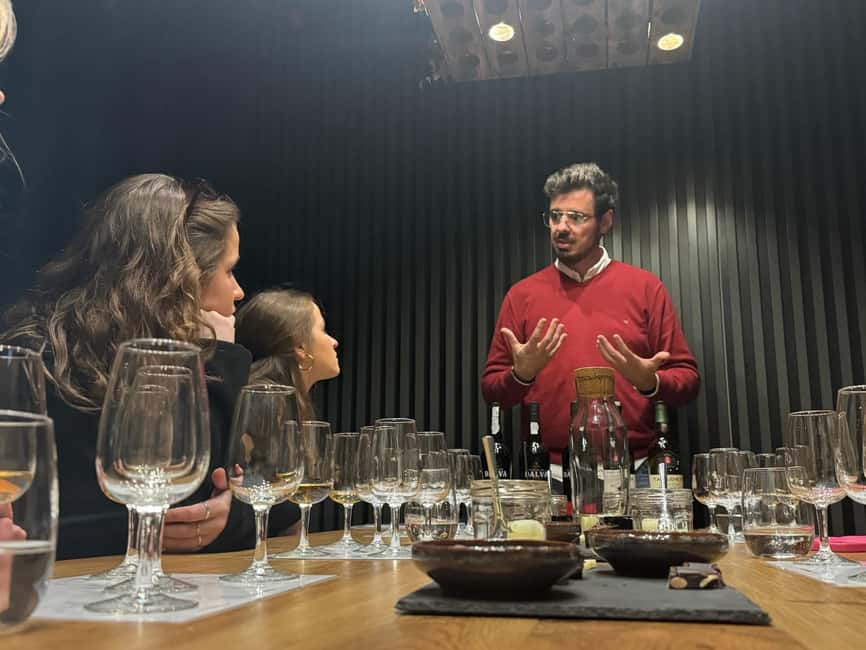
At $29 per person, the value is solid if you want an organized introduction to port without paying for transport to the Douro Valley. The fee includes the wines, food pairings, and host. You do not have to arrange a second stop or buy several bottles just to compare styles.
The three-port option makes sense for a quick orientation. The five-port version gives you a much better picture of the range, especially because it adds a second white and a late bottle vintage. If the price difference is modest, I would pay it.
The value is less about the size of the pours and more about the guidance. You could order port at a bar for less, but you would not get the same side-by-side explanation or pairings. On the other hand, this is not a vineyard excursion, cellar tour, or full meal. If you want production details, vineyard scenery, or a day in the Douro Valley, choose a separate full-day experience.
Free cancellation is available up to 24 hours before the activity for a full refund, and you can reserve now and pay later. Those terms help if your Porto schedule is still shifting. The activity is wheelchair accessible, and it is offered in English.
Who should choose this tasting?
I would recommend it to:
- First-time port drinkers who want the basics explained clearly
- Wine fans looking for a comparison of several Portuguese styles
- Solo visitors who enjoy meeting people in a small group
- Couples seeking a short indoor activity in central Porto
- Visitors with a rainy afternoon or a gap between sightseeing plans
- Anyone who wants recommendations for Portuguese wine beyond port
I would be more cautious if you dislike sweet or fortified wines, want a full meal, or need a perfectly fixed end time. I would also avoid scheduling it immediately before a cruise departure or another appointment that cannot move.
Should you book the three-port or five-port option?
Choose the three-port tasting if you want a compact introduction and need to protect the rest of your schedule. White, tawny, and ruby give you the essential framework in 45 minutes.
Choose the five-port tasting if you enjoy wine, want more time with the host, or are curious about how broad the port category can be. The extra white and late bottle vintage make the comparison more useful, and the longer session gives the conversation room to develop.
I would book the five-port option for most visitors, provided the extra cost fits your budget. It offers better educational value and a fuller taste of Portugal without requiring a full day outside Porto. Just leave some breathing room afterward, eat something sensible, and do not count on an informal extension if you have somewhere else to be.
FAQ
Where does the tasting take place?
It takes place in a tasting room in the city center of Porto, close to bus and tram stops.
How long does the experience last?
The three-port option lasts about 45 minutes. The five-port option lasts about 75 minutes.
Which wines are included?
The three-port option includes one white, one tawny, and one ruby port. The five-port option includes two white ports, one tawny, one ruby, and one late bottle vintage port.
Are food pairings included?
Yes. Each wine is served with a selected pairing. Examples have included olives, cheese, chocolate, melon, and brownies, although the exact foods can vary.
Is the tasting suitable for children?
No. You must be at least 18 years old to drink in Portugal, and the activity is not suitable for children under 18.
Is the activity wheelchair accessible?
Yes, the activity is listed as wheelchair accessible. It is offered in English, and transportation is not included.
More Wine Tasting Tours in Portugal
- Porto: Douro Valley Tour with Wine Tasting, Cruise and Lunch
★ 4.7 · 2,714 reviews - Douro Valley Tour: Wine Tasting, Cruise and Lunch from Porto
★ 4.5 · 2,645 reviews - Porto Food & Wine Tasting Tour with Lunch or Dinner Option
★ 5.0 · 2,303 reviews - Douro Valley Tour – 3 Wine tastings, Lunch & river Cruise
★ 5.0 · 2,043 reviews
Freshly poured around Porto
- Porto: Daytime or Sunset Douro River Cruise With Port Wine★ 4.7 · 714 reviews
- Porto: 6 Bridges Cruise & Port Wine with Sunset Option★ 5.0 · 997 reviews
- Porto: 6 Bridges Port Wine River Cruise with 4 Tastings★ 4.8 · 219 reviews
- Porto: Douro Cruise, 6 Bridges & 4 Port Wines (Max 7)★ 5.0 · 69 reviews
- Porto Half-Day Tour and Wine Tasting★ 4.4 · 67 reviews
- From Porto: Douro Valley Wine Tour with Lunch and Cruise★ 4.8 · 311 reviews
- From Porto: Douro River Cruise, Winery Visit & Lunch★ 3.7 · 103 reviews
- From Porto: Premium Douro Valley 4 Vineyards Tour with Lunch★ 4.7 · 86 reviews
Port Wine Cellar Tours, side by side.
Porto: Live Fado Show with Glass of Port Wine
Read our review →
Lisbon: Live Fado Show with Port Wine at Lisboa em Fado
Read our review →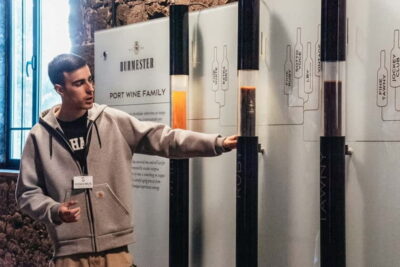
Porto: Bridges Cruise & Sunset & Port Wine Cellar Option
Read our review →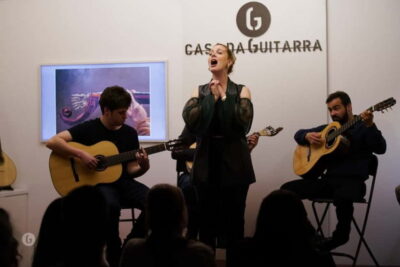
Porto: Fado & Port Wine in Traditional Portuguese Music Shop
Read our review →
Porto: What is Fado? Commented Live Concert with Port Wine
Read our review →
Port Wine Lodges Tour Including 7 Port Wine Tastings (English)
Read our review →
Porto: Charming Sailboat Cruise with Port Wine,Sunset Option
Read our review →