
Review · WORLDWIDE
Cusco: Peruvian Cooking Class, Cocktails & Local Market Tour
Cusco’s best food lesson may begin not at a restaurant, but at the door of San Pedro Market. You’ll examine potatoes, quinoa, cacao, cheese, fruit, and bread with a local chef before turning those ingredients into cebiche, causa limeña, and quinoa tamal in a cooking studio nearby. I especially like the market-to-table format and the chance to make two pisco cocktails, not just watch someone else cook.
I also like the friendly, hands-on pace. Chef Jesus and other guides named in the experience, including Jorge and Eric, explain the background of each dish while helping you prepare it, and the small group of no more than 10 keeps the class personal. The main consideration is that the cooking is partly preparation and assembly rather than advanced knife work, so serious cooks may want a more technical class. Four hours is also a long afternoon, especially after a full morning of sightseeing.
Key points to know before booking
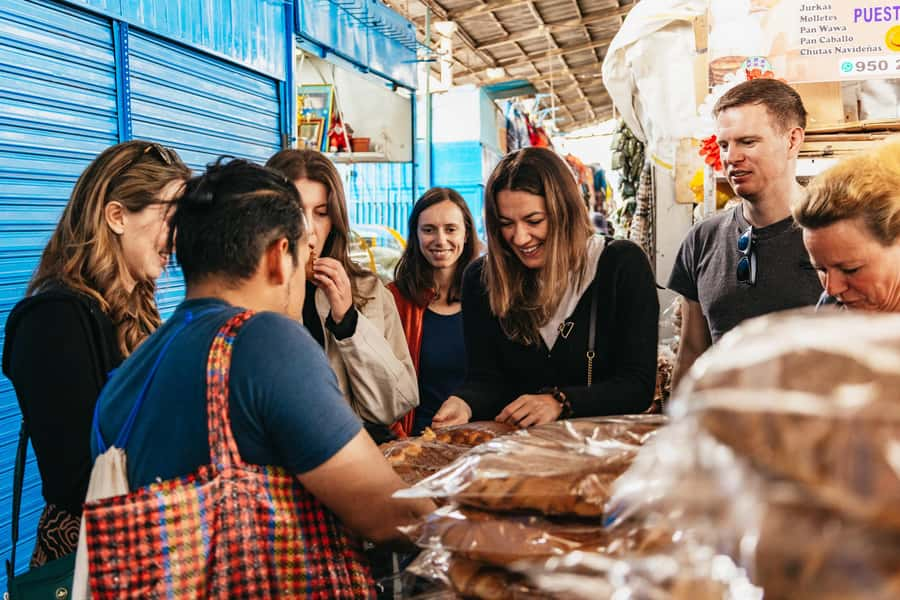
- San Pedro Market comes first: You’ll meet at Door Number 1 and see local produce, cheese, bread, chocolate, cacao, quinoa, and many kinds of potatoes.
- Three classic dishes are on the menu: The class covers cebiche, causa limeña, and quinoa tamal, followed by picarones with honey.
- Two cocktails are included: You’ll prepare and drink two pisco cocktails, with nonalcoholic recipes available.
- Dietary needs can be handled: Vegetarian, vegan, and gluten-free menus are offered, but tell the provider clearly when booking and again at the start.
- The group stays small: Attendance is limited to 10 people, and the class is conducted in English.
- Plan for a full meal: You’ll eat several prepared dishes, dessert, and drinks, so arrive hungry rather than after lunch.
Starting with Cusco’s San Pedro Market
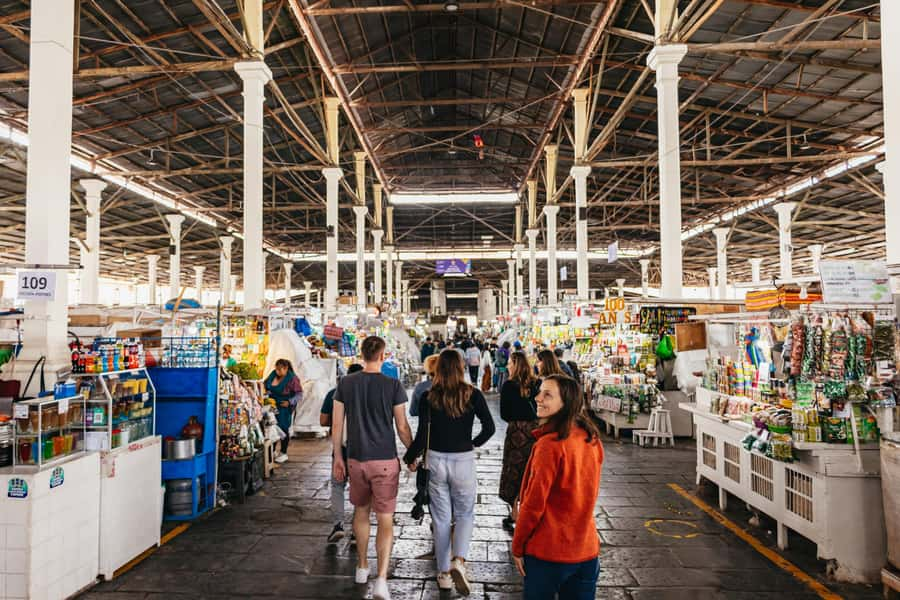
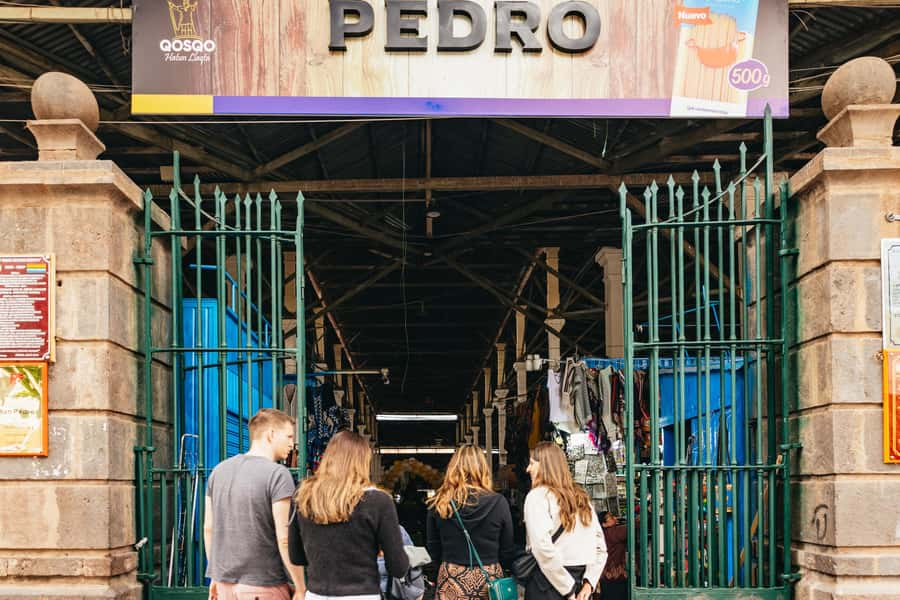
The experience begins at Door Number 1 of San Pedro Market, one of Cusco’s oldest markets. This is not just a quick walk past colorful stalls. The market visit gives you a useful introduction to the ingredients that shape Peruvian cooking.
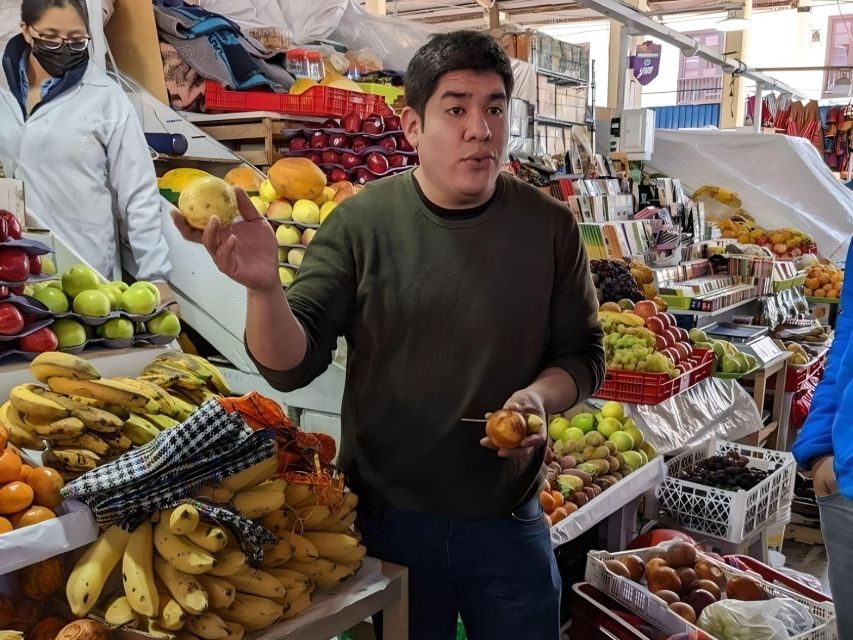
You’ll see displays of potatoes, quinoa, local cheese, bread, chocolate, cacao, and unfamiliar fruits. The market is especially useful for understanding how much variety sits behind dishes that may look simple on a restaurant menu. Potatoes are central to Peruvian food, and quinoa appears here as a daily ingredient rather than a fashionable export.
The guide also uses the market to explain what you’ll later prepare. You might taste samples of cheese, bread, chocolate, fruit, coffee, or passion fruit as you move through the stalls. That makes the cooking class more than a set of isolated recipes. You begin to recognize the ingredients before they reach the worktable.
I like this opening because it gives the meal a local setting. You are not simply handed premeasured ingredients in a polished kitchen. The class connects the food with the place where Cusco residents shop, and the chef may purchase ingredients for the meal during the visit.
The market can be busy and crowded, so wear comfortable shoes and keep your belongings close. You should also expect a food market rather than a quiet museum. If you want a calm, highly organized sightseeing stop, this may feel noisy and informal. For me, that is part of the point.
One practical wrinkle is that San Pedro Market may occasionally close for cleaning. When that happens, the guide can use a local food market instead. That alternative can still provide produce, samples, and ingredients for the class, but the exact market setting may differ from what you expected.
More Cocktail Classes in the world:
- Amsterdam: Luxury Saloon Boat Cruise with Cocktails & Waffle
★ 5.0 · 5,935 reviews - Amsterdam: Luxury Saloon Boat Cruise with Cocktails & Waffle
★ 4.6 · 4,393 reviews - Rome Cooking Class: Make Pasta and 3 Spritz Cocktails
★ 5.0 · 2,937 reviews
The short walk to the cooking studio
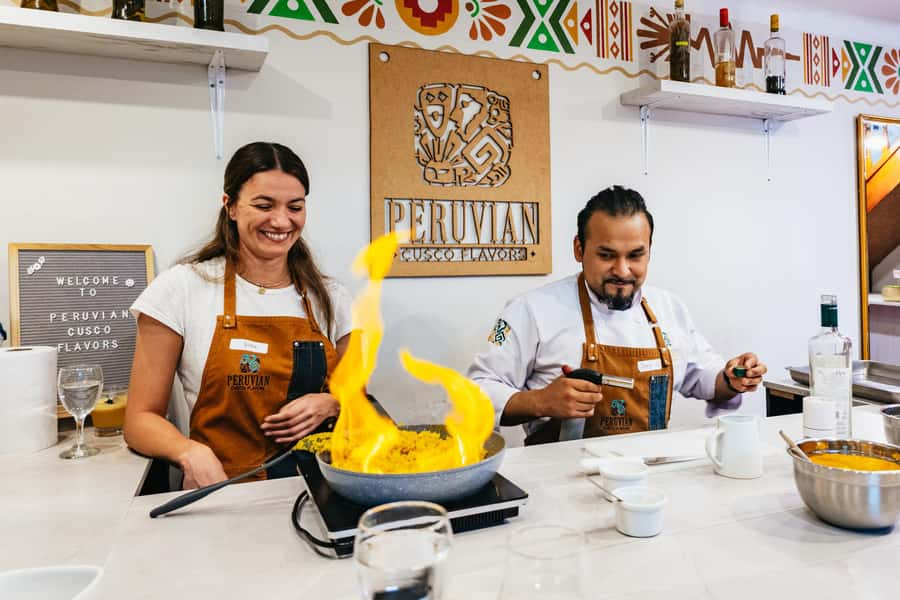
After the market, you’ll walk a short distance to a cooking studio in Cusco’s historic center. The change in setting is useful: first you see the ingredients in their everyday market context, then you work with them in a clean, modern kitchen.
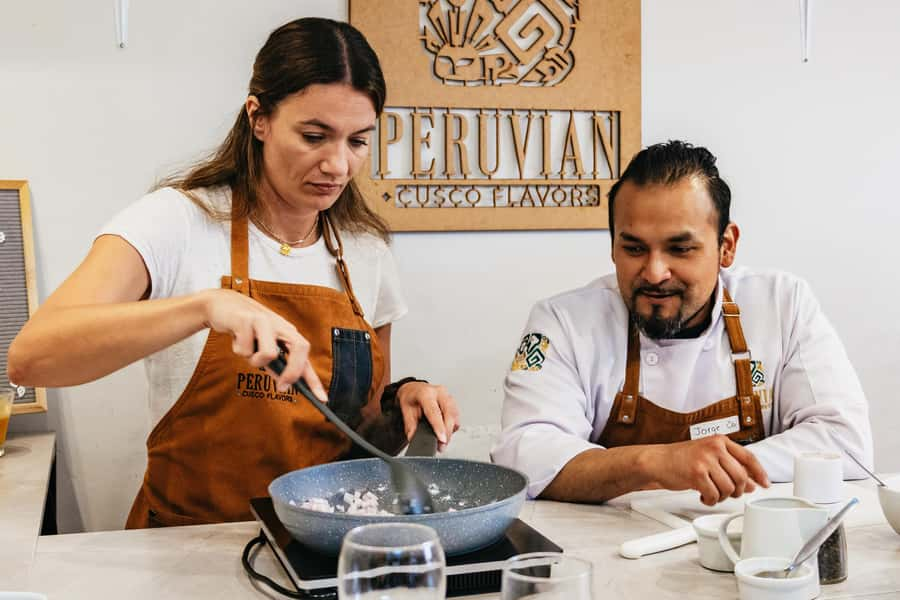
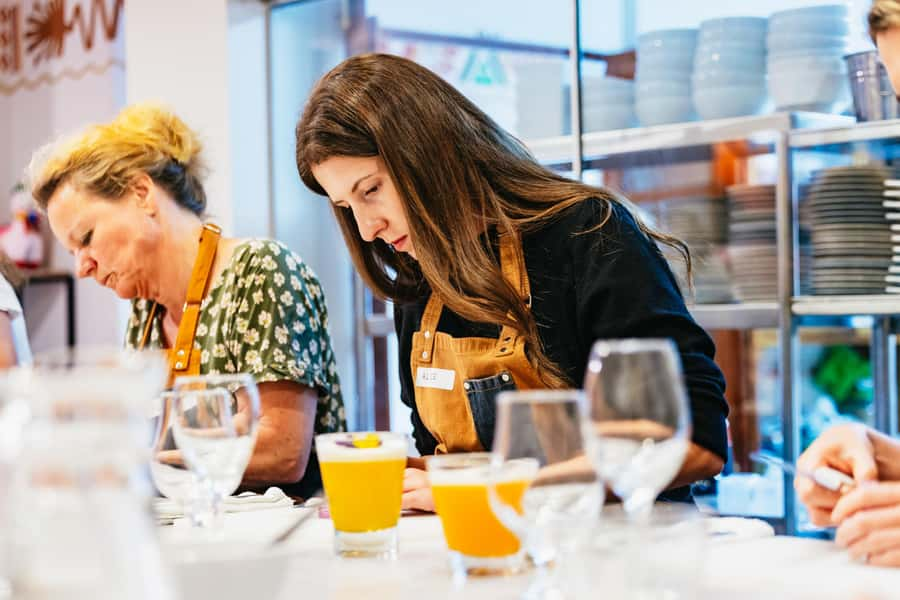
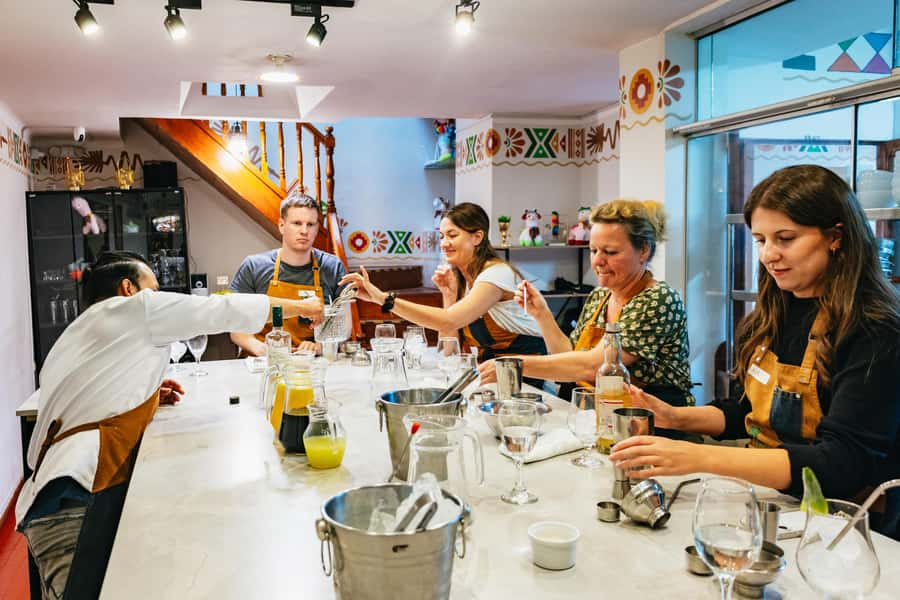
You’ll tie on an apron and settle in at the workstations. The class is limited to 10 participants, which matters here. A larger group could turn the lesson into a demonstration from the back of the room. With a smaller group, you have a better chance to ask questions, handle ingredients, and get help with plating.
The style is friendly and practical. Chef Jesus is named as the chef for the experience, while several class sessions have been led by guides called Jorge and Eric. The guide assigned to your date may vary, but the role is the same: explain the dishes, show each step, and help you keep pace.
This is an English-language experience only. You’ll need enough English to follow cooking instructions and take part in the group conversation. The class also depends on cooperation. You may work beside people you have just met, then share the meal at the end, which makes it a natural activity for solo visitors and couples who enjoy social tours.
Making two pisco cocktails
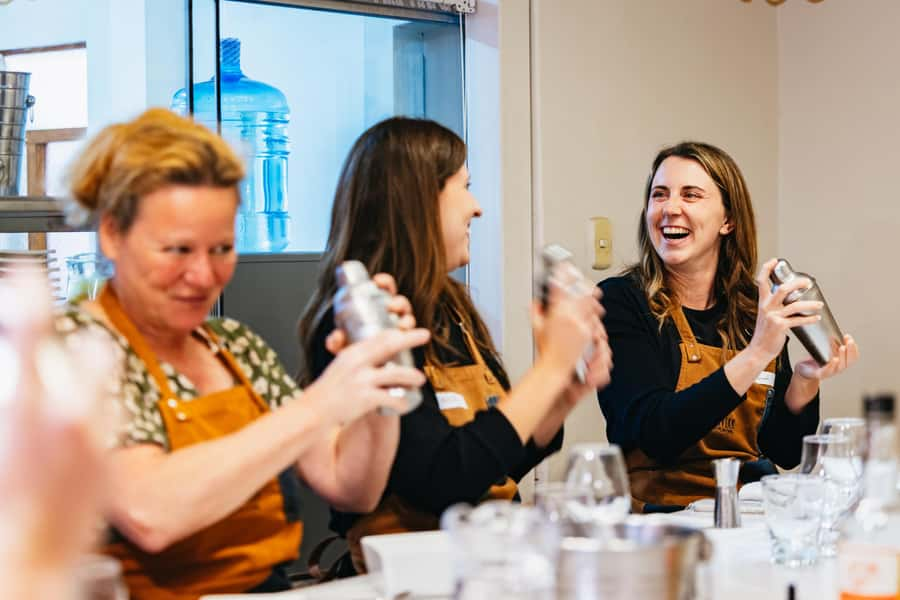
The class starts its kitchen work with a Peruvian cocktail. You’ll prepare two pisco drinks during the experience and sip them as the cooking continues.
This is a fun way to begin because pisco is closely tied to Peru’s food and drink culture. You get to learn by doing rather than simply receiving a drink at the table. The cocktail portion also helps people relax and talk before the food preparation gets under way.
You do not need to drink alcohol to take part. Nonalcoholic recipes are available, and people have been able to make mocktails while still enjoying the same social part of the class. This is useful for anyone avoiding alcohol, including younger participants who meet the age requirement.
The drinks add value to the $67 price, but keep the full afternoon in mind. You are paying for a market visit, ingredients, professional instruction, three dishes, dessert, water, and two cocktails, not for a short cocktail lesson. If you only want to learn one drink, a bar class would be a more focused choice.
Preparing cebiche, causa limeña, and quinoa tamal
The central part of the class covers three well-known Peruvian dishes. The chef explains the background and preparation of each one, then guides you through the work.
Cebiche is likely to be the most anticipated dish. It introduces the bright, fresh flavors associated with Peruvian coastal cooking. The class lets you see how the dish comes together and how presentation affects the final plate. You should not expect a restaurant kitchen apprenticeship, but you will leave with a clearer sense of how the ingredients work together.
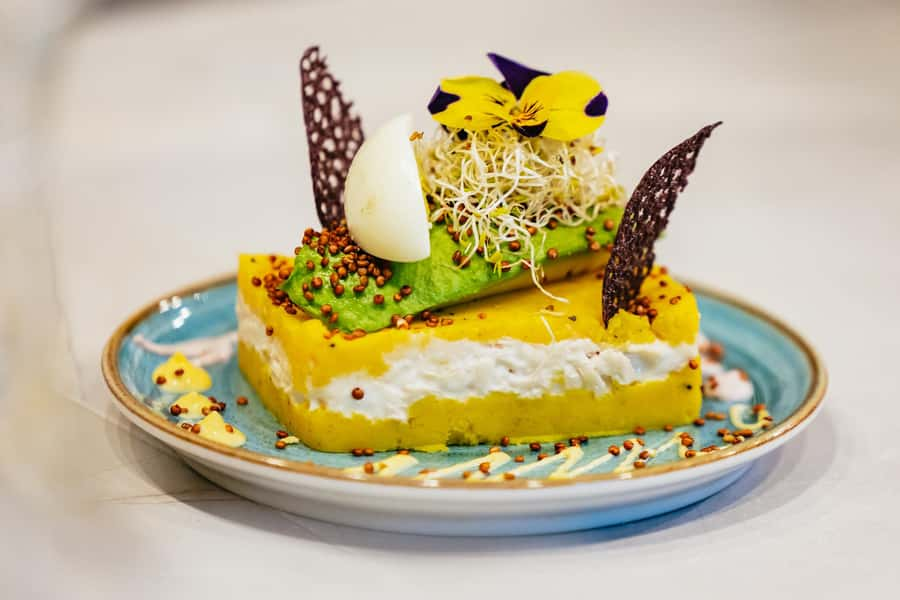
Causa limeña offers a different lesson in texture and presentation. It is a potato-based dish assembled in layers or molded into a neat form. Several participants have especially enjoyed learning to shape and plate it, even without much cooking experience. This is one of the more visually rewarding parts of the class.
Quinoa tamal brings a highland ingredient into the meal. Quinoa is strongly associated with the Andes, and preparing it in tamal form shows a side of Peruvian cooking that differs from the familiar ceviche-and-pisco combination. The chef also explains the story and cultural background of the recipes as you work.
A useful point of expectation: the class is not all chopping, stirring, and cooking from raw ingredients. Some parts involve assembling prepared components and learning how to plate the food. I see that as a benefit for first-time cooks because the pace stays manageable, but an experienced home cook may find it less demanding.
The meal is substantial. You’ll make three savory dishes, two drinks, and finish with picarones. Arrive with an empty stomach, especially if you have already eaten only a light breakfast.
More Cooking Classes in the world:
- Rome: Pasta Making Class with Wine, Limoncello, and Dessert
★ 4.9 · 3,177 reviews - Barcelona Paella Cooking Class with Market Visit, Tapas & Sangria
★ 5.0 · 2,531 reviews - Fettuccine & Tiramisù: Cooking Class with Wine & Limoncello
★ 4.9 · 2,103 reviews - Pasta Cooking Class Near the Colosseum with 3 Spritz Cocktails
★ 5.0 · 1,686 reviews
Ending with picarones and honey
Dessert is picarones with honey, a classic Peruvian sweet. It gives the meal a warm, simple finish after the sharper flavors of cebiche and the earthy taste of quinoa.
Sugar-free and gluten-free options are available. Vegetarian, vegan, and gluten-free menus can also be arranged, and the class has adapted dishes for people with different dietary needs. Still, I recommend stating your requirements clearly during booking and confirming them when you arrive. One participant experienced confusion about a gluten-free request, so do not assume a note in the reservation will be enough.
The cooking team can also adjust dishes for vegetarians and vegans. This is a strong reason to choose the class if your group has mixed diets. You can share the same activity without one person being left with a separate snack while everyone else eats.
What the guide adds to the class
The chef is more than a person who reads instructions aloud. The best part of this experience is the connection between food, place, and story.
Chef Jesus is praised for his warm personality and teaching style. Jorge and Eric are also named as guides in different sessions, with Eric noted for his explanations of Peruvian food and his cheerful approach. Because the guide may vary, I would book this for the format and team rather than for a guaranteed individual personality.
Expect explanations about the ingredients, the influences on Peruvian gastronomy, and the background of each dish. The lesson is educational without feeling like a lecture. You cook, taste, ask questions, and then sit down together.
The final meal is also part of the social appeal. You trade stories with your cooking companions around the table, which can be especially pleasant for solo visitors. The shared goal of getting several dishes onto the table gives the group an easy way to connect.
Some participants receive recipes by email afterward, making it possible to recreate the dishes at home. That detail is not listed as a formal inclusion, so I would not treat it as guaranteed for every booking, but it is worth asking about if you want to repeat the meal.
Is $67 a fair price?
At $67 per person, this is not the cheapest way to eat in Cusco. You could order a local meal for much less. But that comparison misses what you are buying.
The price covers four hours, a guided market visit, all cooking ingredients, professional instruction, three dishes, two cocktails, dessert, and water. It also includes the social and educational side of the experience. If you value a meal that teaches you something and gives you recipes or techniques to take home, the cost is reasonable.
The strongest value comes from the combination of activities. A market tour alone might feel brief. A cooking lesson alone might feel disconnected from local life. Together, the market and kitchen show you where the ingredients come from and how they are used.
I would be less enthusiastic about the price if you dislike group activities or prefer restaurant dining. You also should not book this expecting a formal culinary certification or advanced professional training. It is a practical introduction to Peruvian cooking for visitors.
When to fit this into your Cusco schedule
The class lasts four hours, and starting times vary by date. It works well on a day when you want a substantial activity without transport outside the city.
Several participants have used it during their first days in Cusco while adjusting to the altitude. That can make sense because the activity stays in the city and includes frequent seated or stationary cooking time. Still, food and altitude affect people differently. If you feel unwell, a four-hour meal-based class may not be your ideal first activity.
It also works nicely before or after the Inca Trail portion of a trip. You can use it early in your stay to learn about local food, or near the end to finish with something social and memorable.
Avoid scheduling it immediately after a large lunch. You will prepare and eat a great deal of food, and the cocktails make it feel more like a long afternoon than a quick lesson.
Who will enjoy this experience most?
I would recommend the class to:
- First-time visitors who want context for Peruvian food
- Couples and friends who enjoy cooking together
- Solo visitors looking for an easy social activity
- People curious about market ingredients and Andean produce
- Vegetarians, vegans, and gluten-free diners who want an adaptable menu
- Visitors who want a practical activity during their first days in Cusco
Children under 10 are not suitable for this experience. Older children may enjoy it, but the class is conducted in English and includes cocktails, so parents should consider language ability and comfort with a food-focused group activity.
Experienced cooks may want to temper their expectations. You will learn recipes and presentation, but some of the work is assembly rather than complex cooking. The appeal lies in the food, setting, chef’s explanations, and shared meal.
Small details that make the day easier
Wear comfortable shoes and comfortable clothes. You will walk through the market, take a short walk to the studio, and spend time standing at the workstations.
The meeting point is specifically Door Number 1 at San Pedro Market. Cusco’s market can have several entrances and plenty of activity, so allow enough time to find the correct door.
The class is offered in English and the group is limited to 10. Free cancellation is available up to 24 hours before the start time, and you can reserve now and pay later. Check the available starting time for your date before building the rest of your day around it.
Should you book the Cusco cooking class?
Book it if you want more than a meal. The market visit, three traditional dishes, two cocktails, and guidance from a local chef give you a clear look at Peruvian food in a single half-day.
I especially recommend it for first-time visitors, people who enjoy learning by doing, and anyone with dietary needs who wants a flexible group activity. The main reasons to skip it are simple: you dislike shared cooking, you want advanced culinary training, or four hours of food feels too long.
For most visitors, $67 is a fair price for the amount included. Go hungry, wear sensible shoes, confirm dietary needs, and arrive ready to work with your tablemates. That is the best way to get the most from this Cusco experience.
FAQ
Where does the cooking class meet?
Meet at Door Number 1 at San Pedro Market in Cusco.
How long does the experience last?
The experience lasts four hours.
How much does the experience cost?
The price is $67 per person.
Which dishes will I prepare?
You will prepare cebiche, causa limeña, and quinoa tamal, then finish with picarones served with honey.
Are cocktails included?
Yes. Two pisco cocktails are included, along with ingredients and water. Nonalcoholic recipes are available.
Is the class available in English?
Yes. The live tour guide and cooking class are available in English only.
Can the class accommodate dietary restrictions?
Vegetarian, vegan, and gluten-free menus are available. Sugar-free options are also available for the picarones. Confirm your needs when booking and at the start of the class.
Are children allowed to join?
Children under 10 years old are not suitable for this experience.
More Shopping Stops in the world
- Pike Place Market Tasting Tour
★ 5.0 · 1,696 reviews - Early-Bird Tasting Tour of Pike Place Market
★ 5.0 · 1,154 reviews
More Market Visits in the world
- Paella Cooking Class, Wine Tasting & Central Market in Valencia
★ 5.0 · 1,150 reviews - Trevi Fountain, Pantheon, and Campo Dei Fiori Market Food and Wine Tour
★ 5.0 · 320 reviews - Alicante: Paella & Sangria Class with Tapas and Market Visit
★ 4.8 · 243 reviews - Catania: Volcanic Wine Tasting in a Metropolitan Market
★ 4.4 · 119 reviews
Freshly poured around the world
- Porto: 6 Bridges Port Wine River Cruise with 4 Tastings★ 4.9 · 586 reviews
- Porto: Daytime or Sunset Douro River Cruise With Port Wine★ 4.7 · 714 reviews
- Porto: 6 Bridges Cruise & Port Wine with Sunset Option★ 5.0 · 997 reviews
- Porto: 6 Bridges Port Wine River Cruise with 4 Tastings★ 4.8 · 219 reviews
- Porto: Douro Cruise, 6 Bridges & 4 Port Wines (Max 7)★ 5.0 · 69 reviews
- Portland: Happy Hour Sightseeing Cruise★ 4.6 · 74 reviews
- Portland: Underground Shanghai Tunnel Tour with Beer Tasting★ 4.3 · 102 reviews
- Porto: 3 or 5 Port Wine Tasting with Pairings★ 4.9 · 152 reviews
Cocktail Classes & Tastings, side by side.

Amsterdam: Luxury Saloon Boat Cruise with Cocktails & Waffle
Read our review →
Rome Cooking Class: Make Pasta and 3 Spritz Cocktails
Read our review →
Amsterdam: City Centre Canal Cruise & Free Flower Cocktail
Read our review →
Oahu’s Waikiki Coast: Moana’s Sunset Cocktail Sail
Read our review →
Food & Mixology Tour:Tequila,Tacos, Mezcal and Agave Cocktails
Read our review →
Pasta Cooking Class Near the Colosseum with 3 Spritz Cocktails
Read our review →
Key West Afternoon Snorkel Sail with Unlimited Cocktails!
Read our review →
Aruba Happy Hour Sunset Sail with Savory Bites and Cocktails
Read our review →Lists this tasting sits in