
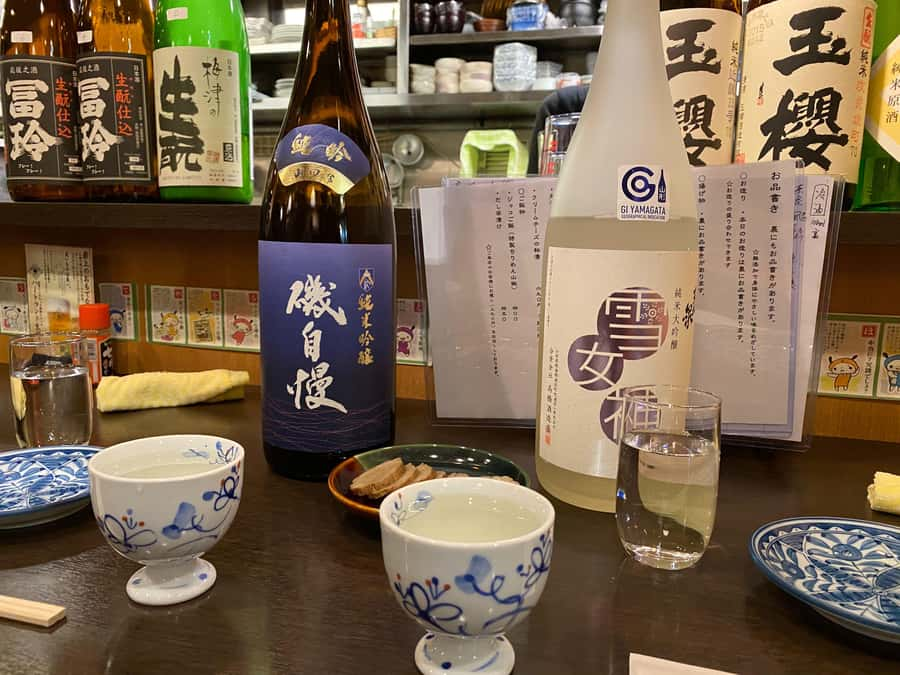
Review · KYOTO
Kyoto: Sake Brewery and Tasting Tour in Fushimi
Fushimi is Kyoto’s sake country, and this three-hour tour gives you the full picture: old waterways, a working brewery district, shrine history, and a tasting flight of 18 local sakes. The best part is the mix of walking and drinking. You are not parked at a bar all afternoon. You see where the sake story began, then taste the results.
I like the small group size, capped at nine, and the warm, personal guiding style. Guides including Kumi, Yuki, Rika, Shinya, Nami, and Matt have been praised for explaining both sake and everyday Japanese culture. I also like the generous range of samples, which helps you compare styles instead of judging Kyoto sake from one glass.
The main drawback is the weather. Fushimi’s streets are easygoing, but parts of the walk are exposed, and summer heat can be punishing. The 18 samples can also feel like a lot, especially if you are new to sake. Pace yourself and drink water.
Key points to know before booking
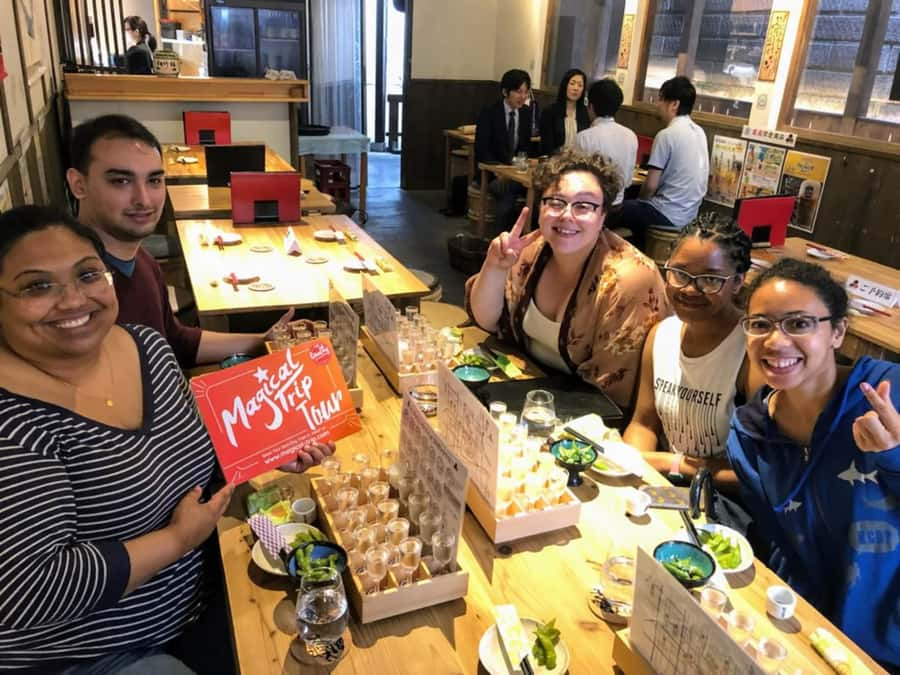
- Taste 18 Kyoto-made sakes: The final tasting gives you a broad look at different aromas, flavors, and styles.
- Visit the Gekkeikan Ōkura Sake Museum: A renovated brewery houses tools, exhibits, and an introduction to traditional brewing.
- Walk the waterways of Fushimi: The Fushimi Jukkokubune canal boats and riverside paths give the district its calm character.
- Learn local stories beyond sake: The route includes Teradaya Inn, Kizakura Kappa Country, liquor shops, and Gokonomiya Shrine.
- Expect a friendly English-speaking guide: The group is limited to nine, making it easier to ask questions and get recommendations.
- Plan for heat and uneven access: Summer is hot and humid, and some stops are not suitable for wheelchairs or strollers.
Why Fushimi is the right place to learn about sake
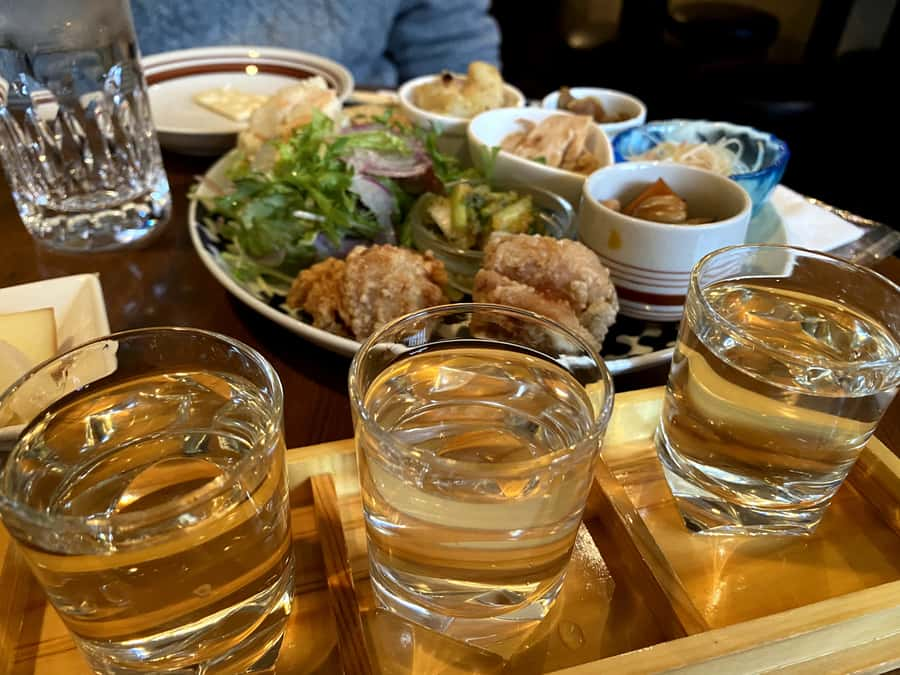
Fushimi is one of Japan’s major sake-producing areas, and its fame begins with water. The district has long been valued for its clean, soft water, an important part of sake brewing. That makes Fushimi more than a convenient place for a tasting. You are walking through the setting that helped the drink become a local specialty.
The tour starts at Chushojima Station, North Gate. Look for the guide holding a MagicalTrip board. Starting at a station is practical because you do not need to find a brewery on your own, and the guide can lead you straight into the district.
The walking route is laid back rather than strenuous. You move through a riverside area, past brewing-related sights and historic buildings, with regular stops for explanation. I would still wear comfortable shoes. This is a walking tour with several hours on your feet, not a seated tasting with a short stroll attached.
More Sake Tastings in Japan:
- 1-Day Snow Monkeys, Zenko-ji Temple & Sake in Nagano
★ 5.0 · 1,020 reviews - 3-Hour Kyoto Insider Sake Brewery Tour with Tastings & Pairings
★ 5.0 · 917 reviews - Nagano: Snow Monkeys, Zenkoji Temple & Sake Day Trip
★ 4.9 · 833 reviews
Fushimi Jukkokubune and the quiet side of Kyoto
The first stop is Fushimi Jukkokubune, where you spend about five minutes. These traditional canal boats are closely tied to Fushimi’s waterways and old transport network. The stop is brief, but it sets the mood: this is a neighborhood shaped by water, trade, and sake.
Do not expect a long boat ride as part of the tour. The listed visit is a short look at the area. Its value is visual and local. You get a calm riverside introduction before moving into the more detailed brewery visit.
This is also a good point to take a few photos. The waterways offer a different side of Kyoto from the city’s crowded temple routes. If you are looking for a quieter half-day away from central Kyoto, Fushimi makes a useful change of pace.
Inside the Gekkeikan Ōkura Sake Museum
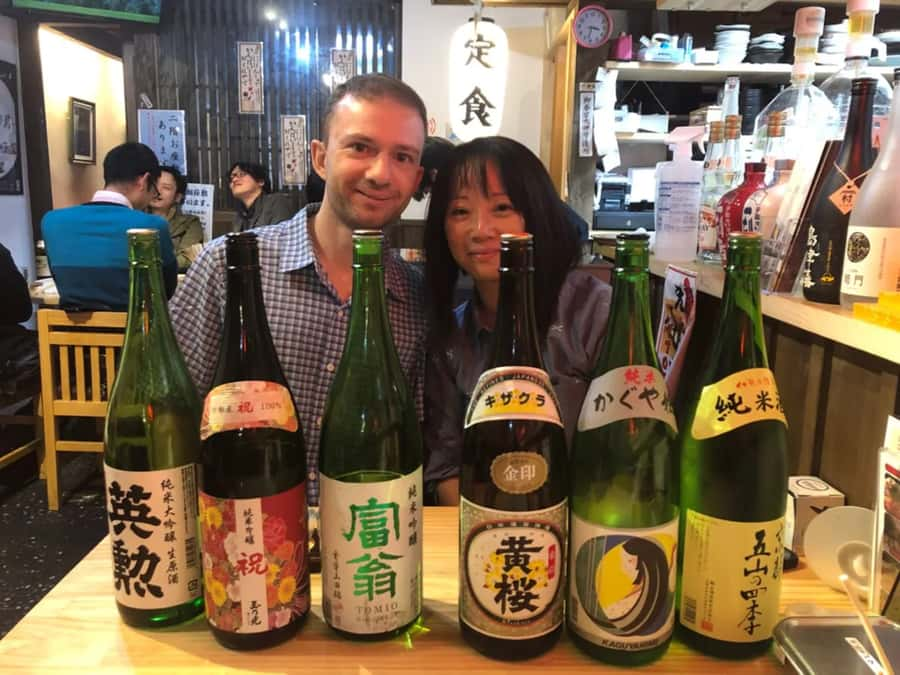
The Gekkeikan Ōkura Sake Museum is the main teaching stop, lasting about an hour. It is housed in a renovated brewery and focuses on the tools, traditions, and process behind sake production.
Your guide explains how sake is made and why Fushimi’s water matters. You can expect displays connected to traditional brewing, along with an account of how the drink developed in the area. The museum gives structure to the tasting later. Instead of simply asking if you like a sake, you begin to notice how brewing methods, aroma, and flavor fit together.
One useful warning: this stop can feel more formal than the rest of the tour. The museum is information-heavy, and one four-star assessment found it a little dry. That is fair. If you already know a great deal about sake, some of the basic material may be familiar. For most first-time learners, though, the hour helps make the final tasting more meaningful.
The guide is important here. A good explanation can turn museum displays into a clear story, and this is where guides such as Yuki, Rika, and Shinya have earned particular praise for explaining the brewing process and Fushimi’s past.
A short café stop at Fushimi Yume Hyakushu
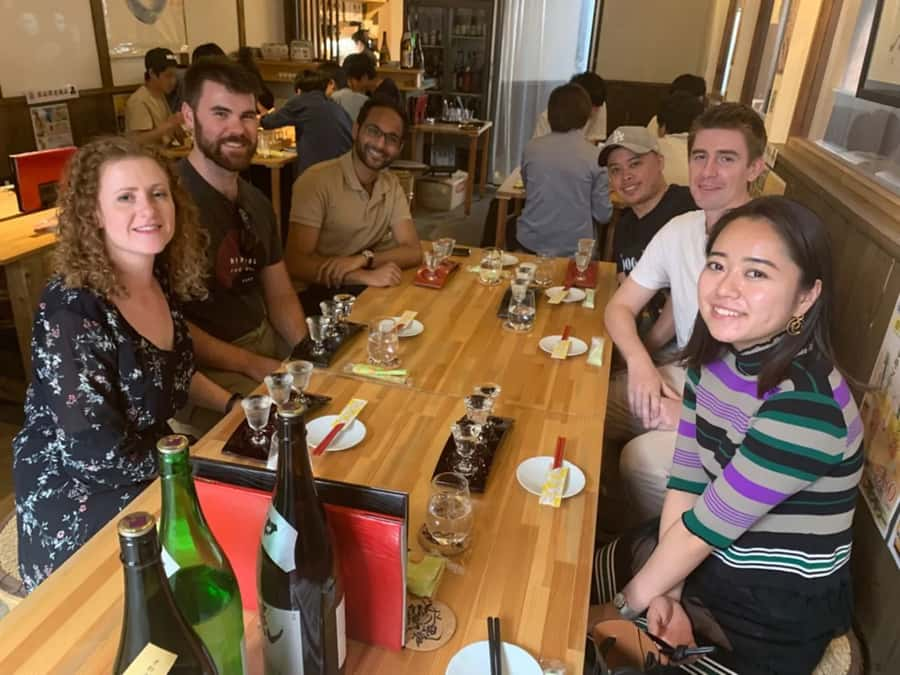
Fushimi Yume Hyakushu Cafe is a quick ten-minute stop. It gives the tour a change of rhythm after the museum and lets you see another local setting connected with Fushimi’s sake culture.
Do not treat this as a full meal break. The schedule allows only a short visit, so you should eat beforehand if you need a substantial lunch. Food and snacks may appear during the experience, but the operator cannot guarantee allergy-free preparation or meet every dietary restriction. If food is important to you, ask your guide early and bring a backup snack.
More Brewery Tours in Japan:
- Kyoto: Insider Sake Brewery Tour with Sake and Food Pairing
★ 5.0 · 704 reviews - Kyoto Sake Brewery & Tasting Walking Tour
★ 5.0 · 623 reviews - Kobe: Guided Sake Breweries Tour with Tastings
★ 5.0 · 55 reviews - Bruges: Guided Tour & Boat Ride with Optional Beer Tasting
★ 4.4 · 3,894 reviews
Kizakura Kappa Country and Fushimi folklore
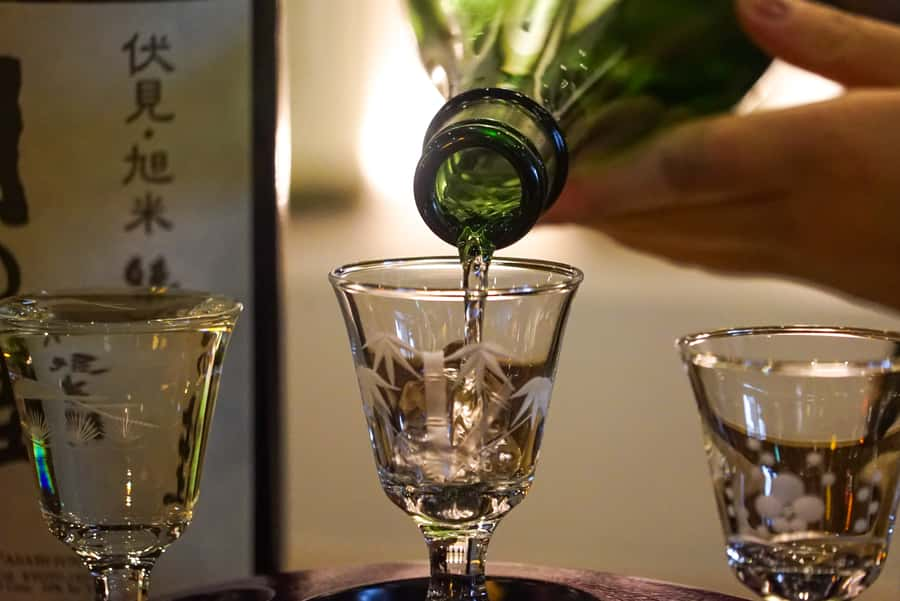
The tour then spends about 20 minutes at Kizakura Kappa Country. This stop brings in the mythical kappa, a water creature from Japanese folklore. It is a lighter, more playful part of the route after the museum’s technical material.
The kappa connection also fits Fushimi’s waterways. You are not only learning about alcohol production. You are seeing how local stories, water, commerce, and food culture overlap in one district.
This is one reason the tour suits people who want more than a tasting counter. The guide can answer questions about Japanese customs and culture as well as sake. Several guides have been praised for handling those broader questions with patience, which is useful if this is your first visit to Japan.
Fushimi Saka Gura Kouji and the 18-sake tasting
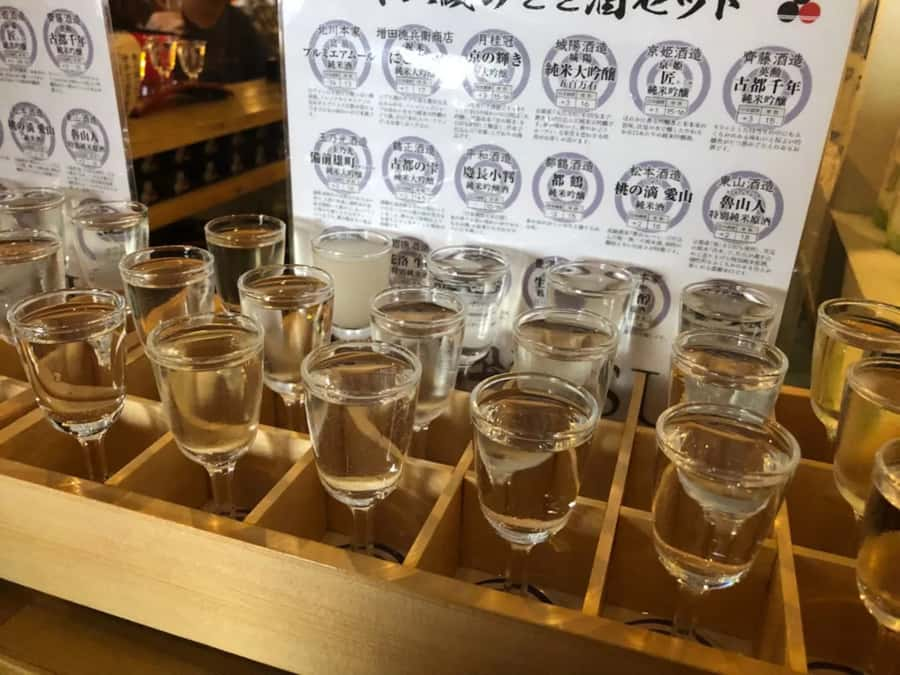
The tasting at Fushimi Saka Gura Kouji is the tour’s centerpiece. You sample 18 kinds of sake made in Kyoto, with the guide helping you compare aroma and flavor.
Eighteen samples is a serious lineup. It gives you a better chance of finding a style you enjoy, but it also means you should not rush. Sake can seem similar at first, especially when you are trying many glasses in a short time. Take notes if you want to remember a favorite, and use the guide’s advice when choosing what to revisit.
This stop is described as a tucked-away bar, which adds to the sense that you are being shown a local drinking spot rather than simply handed a standard flight. The exact quality can vary from one pour to another. One assessment found the selection broad but not consistently outstanding, preferring fewer samples of higher quality. That is a useful point to keep in mind: the strength of this tasting is its range and education, not a promise that every bottle will be a premium favorite.
The amount served can also add up. One participant called the pours generous, while another found 18 samples to be a lot. Eat before the tour, drink water, and take the tasting as a comparison exercise rather than a challenge. You do not need to finish each sample to get value from the experience.
For people who already understand sake, the range may still be useful because it lets you compare Kyoto-made examples side by side. For beginners, it is a friendly way to discover whether you prefer lighter, sweeter, drier, or more aromatic styles without buying several bottles first.
Gokonomiya Shrine and the final walk back
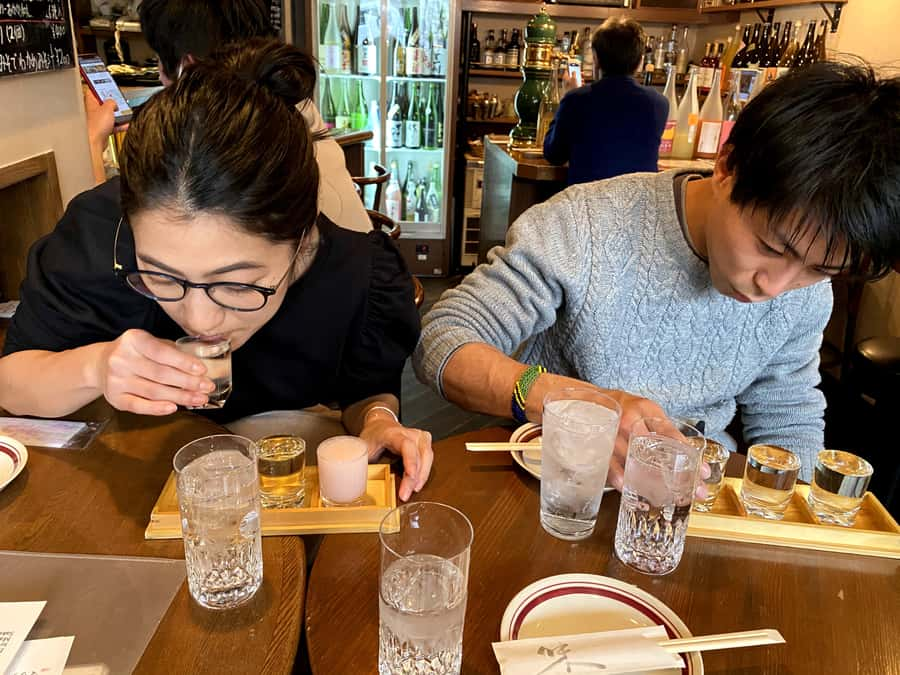
The final scheduled stop is Gokonomiya Shrine Honden, where you spend about 15 minutes. The shrine adds a cultural finish to the route and gives you a chance to see a place of worship outside Kyoto’s most famous sightseeing circuit.
The guide also connects the walk with Fushimi’s Edo-period past, local liquor shops, and the Teradaya Inn. These details help explain why the district matters beyond its breweries. Fushimi has links to the end of Japan’s feudal government, and the route uses those stories to give the neighborhood a wider setting.
After the shrine, you return to Chushojima Station. The route is compact enough to fit into an afternoon, but it still covers several different types of stop: museum, canal, café, folklore attraction, tasting venue, and shrine.
What the guide adds to the experience
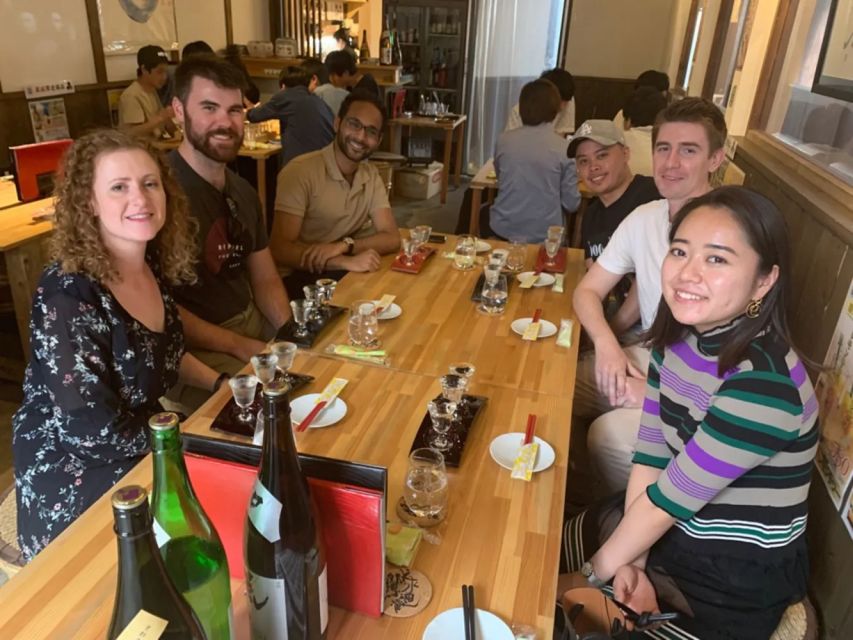
The guide is the factor most likely to shape your day. Sake has its own vocabulary and customs, and a good guide can stop the experience from becoming 18 unexplained pours.
The strongest guiding style here is warm and conversational. Kumi has been praised for her clear explanations and easy conversation. Yuki is noted for being hospitable and helping visitors understand the brewing process. Rika and Shinya have been singled out for useful information about sake and Fushimi. Matt and Fuji have also been praised for combining sake knowledge with answers about Japanese culture.
That range of names matters because this is not a self-guided museum visit. You are paying for interpretation as much as admission. If you enjoy asking questions, the small group helps. If you prefer to move silently through exhibits and taste on your own, the guided format may feel more structured than necessary.
Is $96 a fair price?
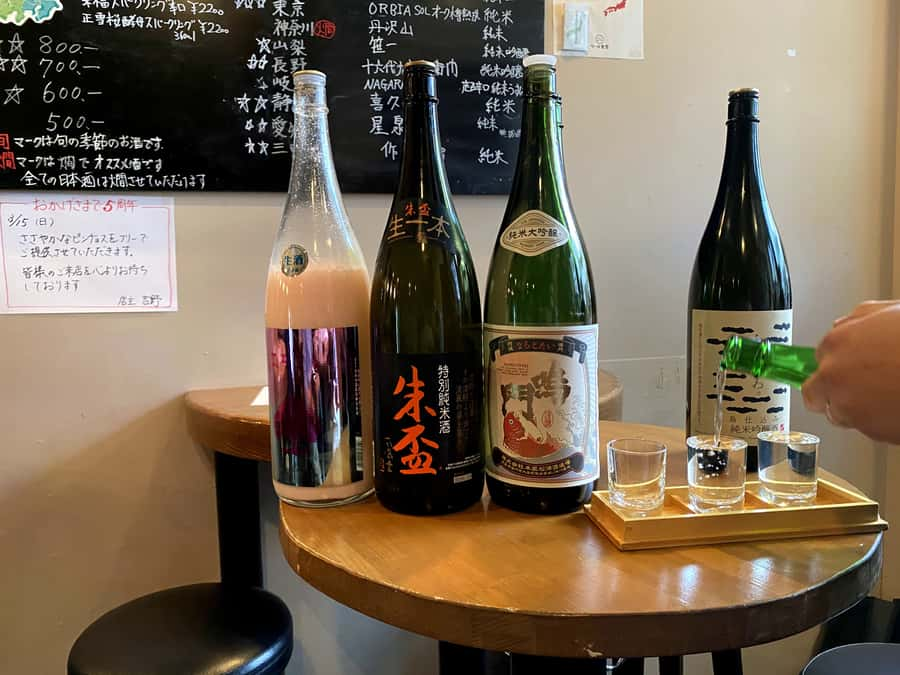
At $96 per person, this is not the cheapest way to drink sake in Kyoto. You could visit a bar or shop independently for less. The price makes more sense if you value the three-hour route, museum admission, a local guide, photos, and 18 tastings in one organized experience.
You are also paying to avoid guesswork. Fushimi has many sake-related businesses, but knowing where to go and how to compare the drinks is harder when you are on your own. The guide connects the museum lesson with the tasting, which gives the price more value than a simple flight at a bar.
The small group limit of nine is another plus. It does not guarantee a private tour, but it should make it easier to hear the guide and ask questions. For a couple or solo visitor who wants a social afternoon without a large coach group, the format is sensible.
I would call the value good for a sake beginner and fair for an experienced drinker. Beginners receive the most from the explanations and broad tasting. Experienced sake fans may prefer spending the same money on fewer, more carefully selected bottles, especially if they already know their preferred styles.
Timing, weather, and practical concerns
The tour lasts three hours, with starting times varying by availability. Be at Chushojima Station’s North Gate before the start. The tour begins on time, and arriving late can mean missing the group without a refund or rescheduling.
Summer deserves special planning. One participant found walking in full sun at 36 degrees Celsius unpleasant, and the operator specifically warns that Japanese summers are hot and humid. Bring water, wear a hat, and choose light clothing. Rain is manageable because much of the experience takes place indoors, but you should still carry suitable protection for the walking portions.
The route includes places that are not accessible by wheelchair or stroller. This is important to confirm before booking if anyone in your party has mobility needs.
People under 20 cannot drink sake. Snacks or other foods may be provided instead, but this is not a good match for anyone booking mainly for the tasting. The experience is listed as unsuitable for children under 15 and people under 20, so it is best treated as an adult activity.
Cancellation is flexible up to 24 hours before the start for a full refund, and you can reserve without paying immediately. Those policies help if your Kyoto schedule is still shifting, but they do not protect against arriving late.
Who should book this Fushimi tour?
I would choose this tour if you want a clear introduction to sake and prefer learning through place, history, and conversation. It is especially useful if you have never visited a brewery district or do not know how to compare different types of sake.
It also suits visitors who have already seen Kyoto’s famous temples and want a quieter neighborhood with a strong local identity. The canal, shrine, old inn, folklore stop, and brewery museum give the afternoon more variety than a standard tasting.
I would hesitate if you dislike alcohol, have strict dietary needs, need a fully accessible route, or want a refined premium tasting with only top-tier bottles. The 18-sake format is broad and social. It is not designed as a slow, luxury tasting.
Should you book it?
Book it if you want to understand why Fushimi is famous, meet a friendly English-speaking guide, and sample a wide range of Kyoto sake without arranging the day yourself. The best reasons are the small group, the mix of museum and neighborhood walking, and the chance to ask questions as you taste.
Skip it if you are visiting during intense summer heat and dislike outdoor walking, or if you already have deep sake knowledge and care more about a short list of exceptional bottles than variety. For most curious adults, though, this is a well-balanced introduction to Fushimi, with enough culture to keep the afternoon from becoming one long drink.
FAQ
Where does the tour meet?
Meet at the North Gate of Chushojima Station. The guide will hold a board that reads MagicalTrip.
How long does the experience last?
The tour lasts three hours and finishes back at Chushojima Station.
How many kinds of sake are included?
The experience includes tastings of 18 kinds of sake made in Kyoto.
Is the tour conducted in English?
Yes. The tour has a live English-speaking guide.
How large is the group?
The tour is limited to nine participants.
Can people under 20 taste sake?
No. People under 20 are not allowed to taste sake. Some foods or snacks may be provided instead.
Is the route suitable for wheelchairs or strollers?
Not completely. Some locations on the route are not accessible by wheelchair or stroller.
Freshly poured around Japan
- Osaka Sake Tasting with Takoyaki Cooking★ 5.0 · 156 reviews
- Osaka: Bar-Hopping Night Tour in Namba★ 4.7 · 117 reviews
- Osaka: Guided Pub Crawl★ 4.4 · 331 reviews
- Nagano: Snow Monkeys, Zenkoji Temple & Sake Day Trip★ 4.9 · 833 reviews
- Kyoto: Afternoon Japanese Izakaya Cooking Class★ 4.9 · 241 reviews
- Kobe: Guided Sake Breweries Tour with Tastings★ 5.0 · 55 reviews
- Kyoto: Insider Sake Experience with 7 Tastings and Snacks★ 5.0 · 266 reviews
- 1-Day Snow Monkeys, Zenko-ji Temple & Sake in Nagano★ 5.0 · 1,020 reviews
Sake Tastings, side by side.
1-Day Snow Monkeys, Zenko-ji Temple & Sake in Nagano
Read our review →
3-Hour Kyoto Insider Sake Brewery Tour with Tastings & Pairings
Read our review →
Nagano: Snow Monkeys, Zenkoji Temple & Sake Day Trip
Read our review →
Kyoto: Insider Sake Brewery Tour with Sake and Food Pairing
Read our review →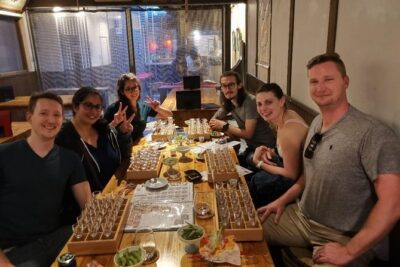
Düsseldorf: Sushi, Sake & Japanese Lifestyle Tour
Read our review →
Kyoto: Insider Sake Experience with 7 Tastings and Snacks
Read our review →
Lists this tasting sits in