
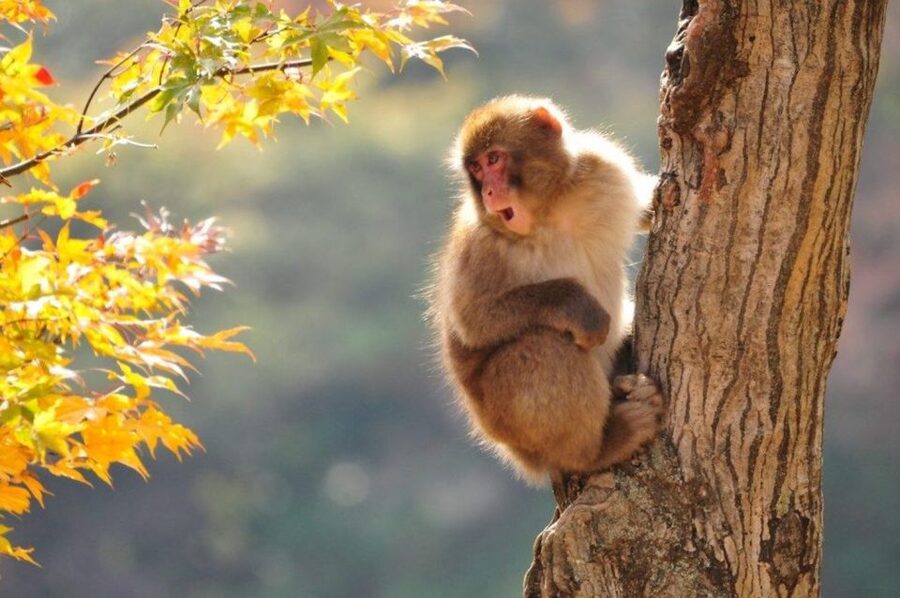
Review · JAPAN
Nagano: Snow Monkeys, Zenkoji Temple & Sake Day Trip
Nagano’s snow monkeys are the star here, but the best part is the full local picture: Zenkoji Temple, regional food, sake, and a snowy forest walk all fit into one day. I like the clever mix of culture and wildlife, and I like that guides such as Dylan, Brent, Tom, Kevin, and Hiroshi add stories and practical help rather than simply pointing out the sights.
The main catch is the walk to Jigokudani Monkey Park. It covers about 1.6 kilometers on a forest trail that can turn icy or slippery, especially in winter. You need solid walking shoes, and crampons may be useful on packed snow.
Key points to know before booking
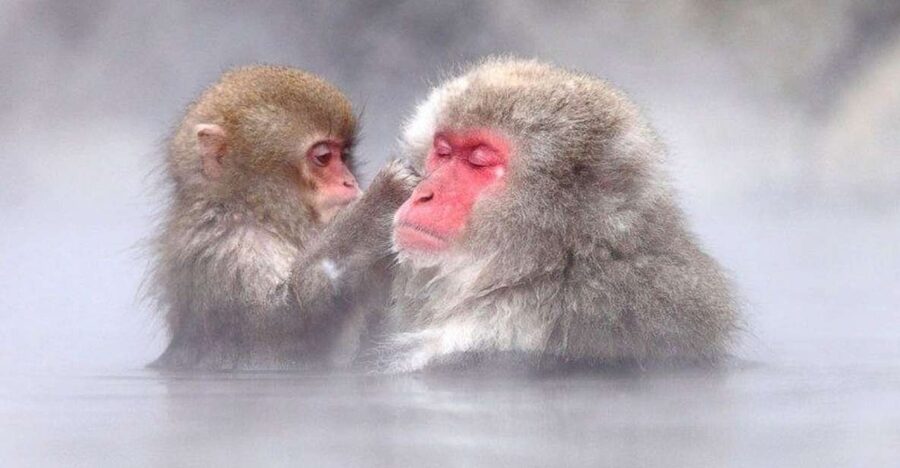
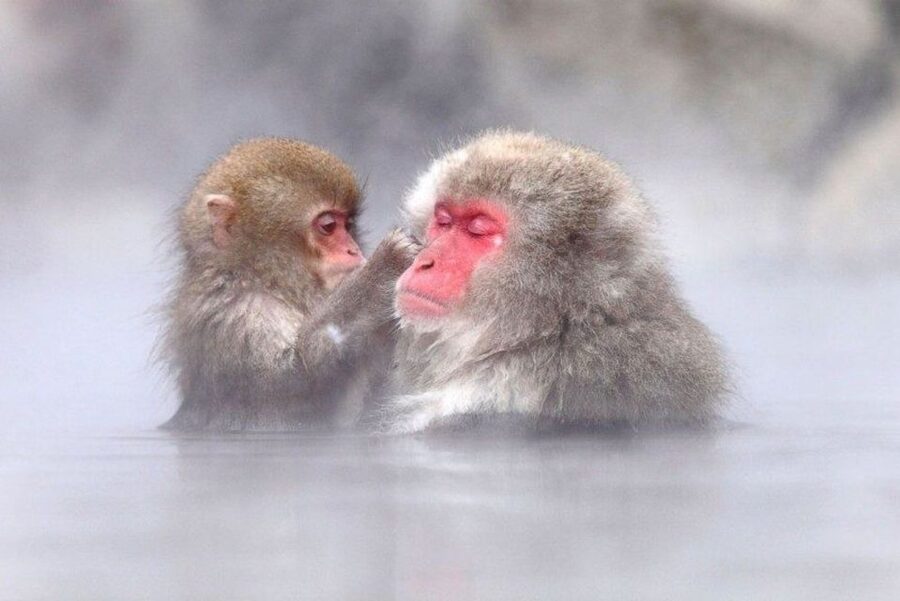
- The monkeys may bathe in the hot springs: Jigokudani is famous for close views of Japanese macaques relaxing, eating, and playing around the onsen.
- Zenkoji includes a memorable dark passage: The optional inner sanctuary has a pitch-black underground section where you feel your way through the temple.
- Lunch is a real part of the experience: Expect a filling Japanese meal, with vegetarian choices available and allergy planning possible.
- Sake tasting comes before lunch: You sample several styles and learn how production methods affect the drink.
- Hakuba pickup runs in winter: A shuttle can collect you from selected Hakuba points between December and March.
- This is a long, active day: The schedule lasts 8 to 12 hours, depending on your pickup and drop-off point.
Why this Nagano day trip works so well
At $135 per person, this is not the cheapest way to see the Snow Monkey Park. You could arrange parts of the journey yourself, but you would need to sort out transport, park entry, timing, and the route from Nagano. This trip bundles those pieces with an English-speaking guide, lunch, sake tasting, and a visit to one of Japan’s major temples.
I see the value in the variety. You are not spending the entire day on a bus for one photo stop. The day moves from Buddhist tradition to local food and drink, then out into the forest for a very different kind of Japanese experience.
It also works well for a short stay. If you have only one day in Nagano, the itinerary covers the city’s best-known cultural sight and its most famous nearby attraction. Ski visitors staying in Hakuba can use it as a break from the slopes, with the winter shuttle making the outing much easier.
The tradeoff is pace. You cover a lot of ground, and the tour must leave on time. This suits you if you want a well-planned day. It is less suitable if you prefer to spend half a day quietly at one temple or move at your own speed.
More Sake Tastings in Japan:
- 1-Day Snow Monkeys, Zenko-ji Temple & Sake in Nagano
★ 5.0 · 1,020 reviews - 3-Hour Kyoto Insider Sake Brewery Tour with Tastings & Pairings
★ 5.0 · 917 reviews - Kyoto: Insider Sake Brewery Tour with Sake and Food Pairing
★ 5.0 · 704 reviews
Starting from Nagano or Hakuba
Nagano Station is the main meeting point, with a scheduled start at 9:35 AM. During winter, an earlier 9:00 AM Nagano departure may open if the later departure fills, so check your confirmed time carefully.
From Hakuba, the winter shuttle leaves Hakuba Tokyu Hotel in the Wadano area at 7:40 AM or Hakuba Happo Bus Terminal at 7:55 AM. Other listed pickup points include Tsugaikekogen Heights, Happo Information Center, and Hotel La Vigne Hakuba by Onko Chishin.
The tour is due back at Nagano Station around 5:30 PM. Hakuba passengers should expect a later return, around 6:45 PM. That makes this a full day, not a quick morning excursion.
Be at the pickup point early. The group cannot wait for late arrivals, and the transport links are timed around the temple, meal, and monkey park visits. The tour is not private, and you cannot request a custom hotel pickup or a different destination outside the listed points.
Zenkoji Temple and the pitch-black passage
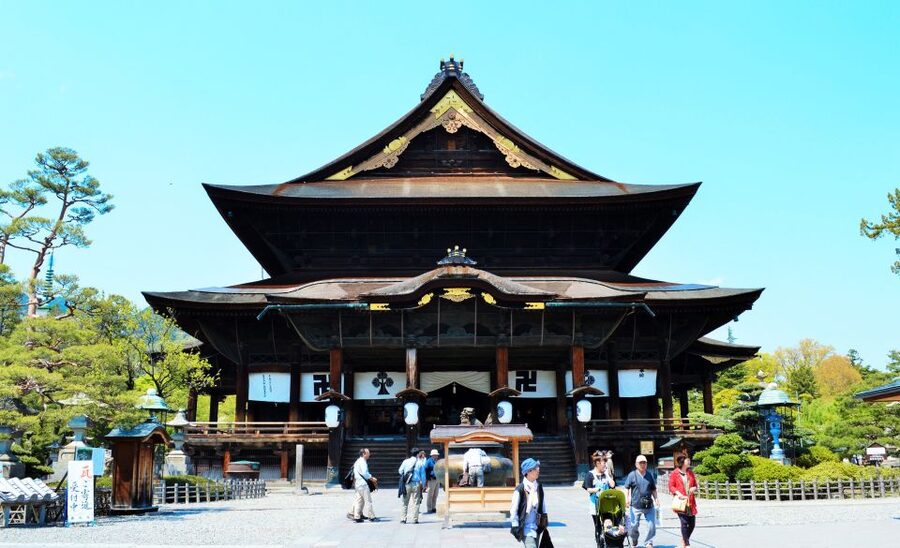
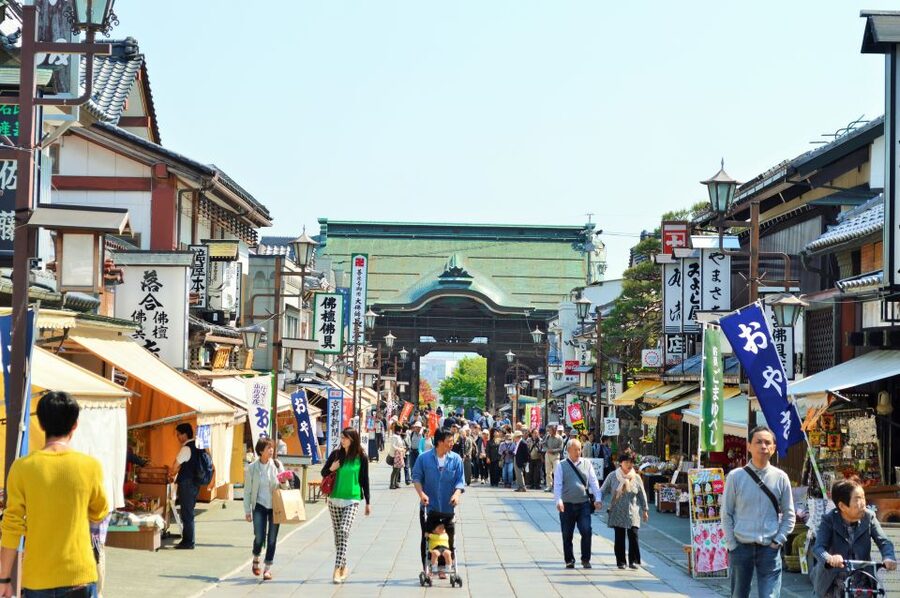
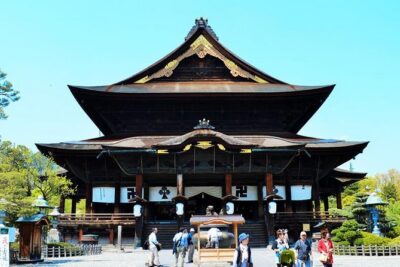
The first major stop is Zenkoji Temple, reached after a short coach ride from Nagano. You have about 90 minutes here with a guide, enough time to learn the temple’s place in Japanese Buddhism and see the approach leading through the old temple district.
Zenkoji is one of Japan’s oldest and most important Buddhist temples. Its value is not only in the main structure. The walk toward it gives you a sense of how the temple connects with Nagano’s past, while the guide can explain details about local customs, architecture, and the surrounding area.
A particularly memorable option is the inner sanctuary. It is not included in the base price, so you pay separately if you choose to enter. The route includes a dark underground passage where you cannot see your hand in front of your face. You feel along the wall in search of a symbolic key, making this more than a standard temple visit.
You should not expect a quiet, empty religious site. Zenkoji is an important place of worship, so treat it with care and follow the guide’s instructions. The 90-minute visit gives you time to explore, but not enough for every corner of the temple grounds.
The guide makes a real difference here. Several guides, including Dylan, Kevin, Brent, and Tom, have been praised for explaining the temple in a clear, friendly way. Names and guide assignments can change, but the useful feature is having someone who can explain what you are seeing instead of leaving you to guess.
Sake tasting before the meal
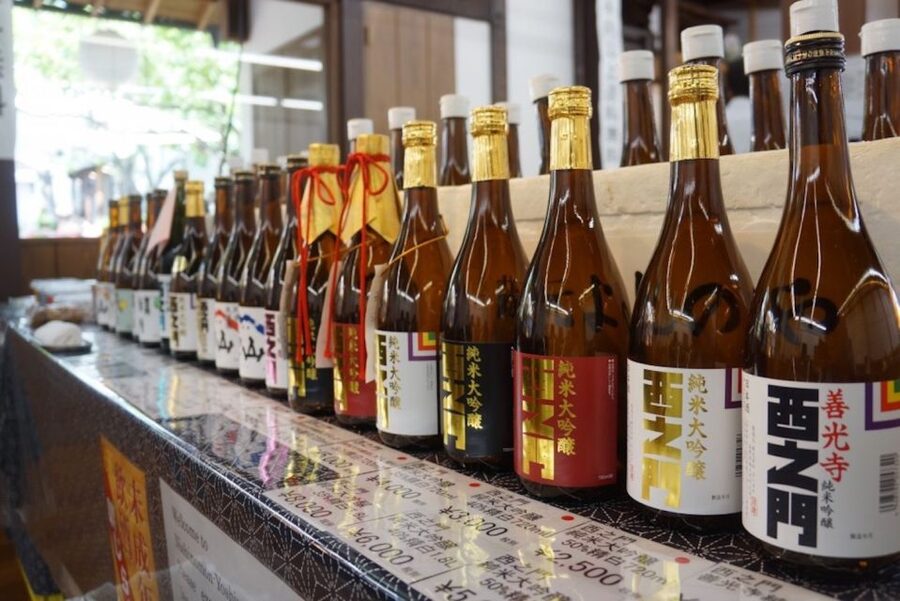
After Zenkoji, the tour stops at a local sake tasting for about 30 minutes. This is a compact introduction rather than a long brewery visit, but it gives you a chance to compare several kinds of sake and hear how rice, brewing methods, and serving styles affect the result.
I like the timing. The tasting comes before lunch, so it feels like part of the region’s food culture rather than an afterthought at the end of the day. The samples are small, and you can ask questions while the experience is still focused.
You must be at least 20 years old to drink alcohol in Japan. Non-alcoholic sake is available for younger members of the group and anyone who does not drink. That makes the stop accessible to more of the group, though it remains centered on a beverage some people may choose to skip.
Do not expect to buy or sample every possible style of sake in Nagano. The stop lasts only half an hour. Think of it as a useful primer that helps you understand what you are served and perhaps points you toward something to try later.
More Day Trips in Japan:
- Tuscany Day Trip from Florence: Siena, San Gimignano, Pisa and Lunch at a Winery
★ 5.0 · 21,634 reviews - Rome: Tuscany & Montepulciano Day Trip with Lunch & Wine Tasting
★ 4.5 · 5,232 reviews - Marrakech: Ouzoud Waterfalls Guided Day Trip with Boat Ride
★ 4.4 · 4,995 reviews - San Gimignano, Siena, Monteriggioni, Chianti Day Trip with Lunch & Wine Tasting
★ 4.5 · 4,432 reviews
A substantial Nagano lunch
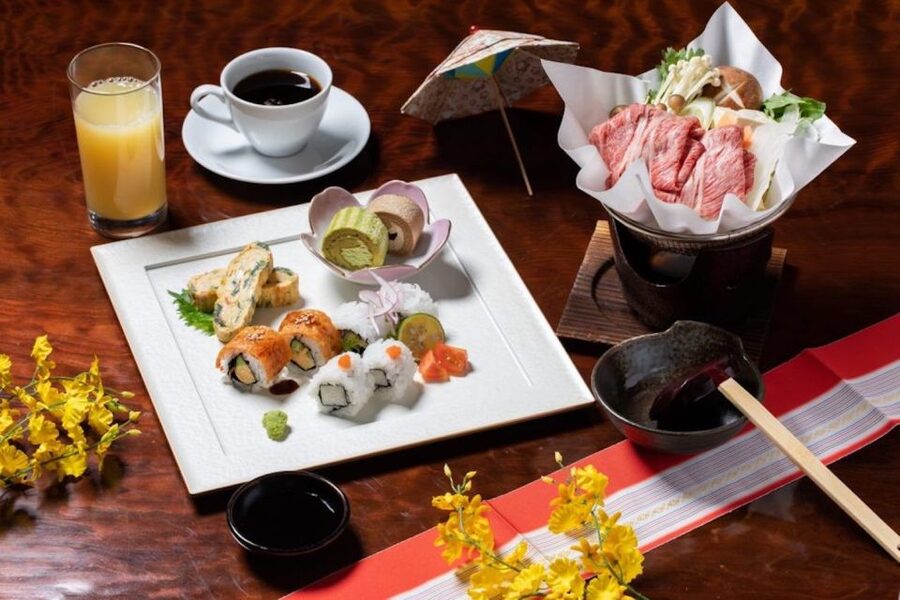
Lunch follows at a local restaurant, with about an hour set aside. The meal is one of the strongest parts of the day because it gives you a proper break before the forest walk.
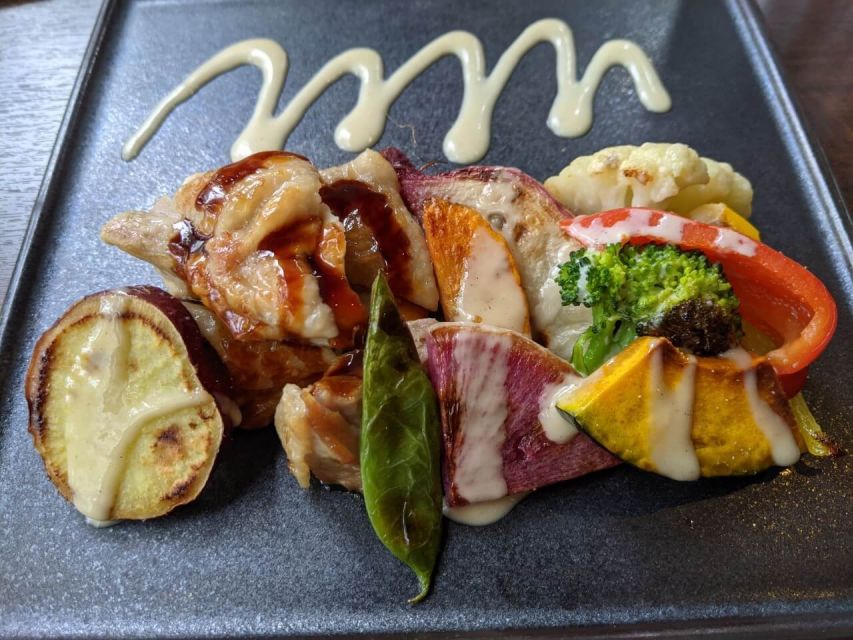
The food is described as a generous Japanese meal, with examples including miso soup, tempura, sushi, and a choice of beef, seafood, or vegetarian preparations. The exact menu can change, but you should expect more than a quick boxed lunch. Some meals are served in a traditional building, including a restaurant more than 150 years old, which adds a sense of place to the stop.
Vegetarian options are available. Tell the operator about allergies in advance so the restaurant can prepare. Gluten-free diners should be especially careful and make their needs clear early. One gluten-free meal had limited choices, including plain rice instead of sushi, so the standard menu may not translate neatly to every diet.
Lunch also solves a practical problem. You eat before the 1.6-kilometer walk to the monkey park, rather than trying to find food near the entrance or walking hungry through the forest. The meal is filling, so you may only need to carry water and a small snack.
Walking to Jigokudani Monkey Park
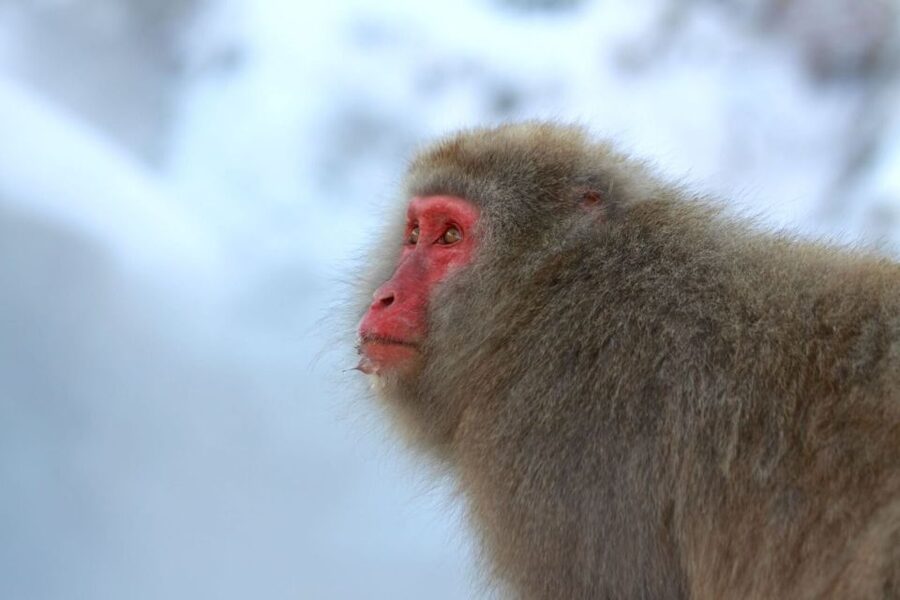
The final major stop is Jigokudani Monkey Park, with roughly 2.5 hours for the visit, guided walking, and wildlife viewing. The park is famous because Japanese macaques are known to bathe in the hot springs. Seeing them close by, with steam, snow, and forest around them, is the image that brings many people to Nagano.
The walk is part of the experience, not just a transfer. The forest trail can be beautiful in winter, but it may also be slippery. Packed snow and ice can cover slopes, and several people have found crampons helpful. Wear walking shoes with good grip, avoid sandals and high heels, and carry a small bag that leaves your hands free.
The route is generally flat and manageable, but this is not a suitable outing for wheelchair users or people with mobility impairments. You should be comfortable walking on uneven or icy ground for the return journey as well as the walk in.
At the park, the monkeys may be active, relaxed, or absent from the bathing area. Most days offer excellent chances to see them, but there are a few days each year when they do not come down to the park. In warmer months, you may see fewer monkeys around the hot spring than in the coldest winter weather.
That uncertainty is worth accepting. The animals are wild, and there is no staged show. On a good day, you might see many monkeys grooming, eating, playing, or sitting in the water. At other times, there may be fewer animals, though the forest setting still makes the walk worthwhile.
The two and a half hours are generous enough to enjoy the park without racing through it. Your guide can explain where to stand, how to behave around the animals, and how to make the most of the time. Guides such as Brent and Tom have been especially good at giving practical advice about the icy path and the park itself.
Do not feed or touch the monkeys. Keep your distance and follow the park rules. The animals may come close, but that does not make them pets.
Transport, group style, and timing
Transport between stops is included, as is entry to the Snow Monkey Park. The vehicle takes care of the awkward connections between Nagano, the temple, the restaurant, and the park. That matters because the day’s attractions are spread out.
The bus or coach is generally clean and comfortable, though very tall passengers may find the seating a little tight. You can usually bring luggage on the larger bus, but confirm your arrangements directly if you need to switch between Hakuba and Nagano services.
This is a shared tour, not a private outing. The benefit is a social, guided day where you can ask questions and enjoy commentary during the drives. The cost is that you will follow a fixed schedule and share the vehicle with other people.
The guides are one of the tour’s strongest features. Dylan, Brent, Kevin, Tom, Hiroshi, Jens, John, and others have led different departures. The best guides combine history with practical help, explain the meal, keep the group together, and offer tips for slippery sections. Some have added local food suggestions or recommendations for the rest of a Japan trip.
Guide quality can vary from one departure to another, and you cannot book a particular person. Still, the local English-speaking format gives the day more context than a shuttle-only service.
Who should book this experience
I would choose this tour if you want to see the Snow Monkey Park but do not want to organize the route yourself. It is also a strong choice for first-time visitors to Nagano who want culture, food, and wildlife in one day.
It suits:
- People based in Nagano for a short stay
- Ski visitors staying in Hakuba during winter
- Families with older children who can manage the walk
- Visitors who want an English-speaking guide
- Anyone interested in Japanese food, temple customs, and sake
- Photographers hoping for close views of the macaques
I would think twice if you have limited mobility, dislike group schedules, or want a slow temple visit. The day includes a fair amount of walking, a long coach ride, and a trail that may be icy. You also need to accept that monkey activity cannot be guaranteed.
The free cancellation policy allows cancellation up to 24 hours before departure for a full refund, and you can reserve now and pay later. Those terms help if your plans depend on weather, ski conditions, or train connections.
Should you book the Nagano snow monkey day trip?
For $135, I think this is good value if you want the convenience of one organized day. The price covers transport, an English-speaking guide, park entry, lunch, and sake tasting, while also saving you the work of connecting several separate stops.
The best reason to book is the combination. Zenkoji gives the day cultural weight, the sake stop adds a local food tradition, lunch provides a proper regional meal, and Jigokudani supplies the unforgettable wildlife encounter. The main reason to skip it is the fixed pace and slippery trail.
Bring sturdy shoes, dress for cold weather, tell the operator about dietary needs early, and check your exact pickup time. If you can handle the walking, this is one of the most efficient ways to experience Nagano beyond the ski resorts.
FAQ
How long does the Nagano snow monkey tour last?
The experience lasts 8 to 12 hours, depending on your departure and return location. It is scheduled to finish at Nagano Station around 5:30 PM, or around 6:45 PM for winter departures returning to Hakuba.
Where does the tour start?
The main meeting point is Nagano Station. Winter pickup options from Hakuba include Hakuba Tokyu Hotel, Hakuba Happo Bus Terminal, Happo Information Center, Tsugaikekogen Heights, and Hotel La Vigne Hakuba by Onko Chishin.
Is transport included?
Yes. Transport between Nagano, the temple, tasting stop, restaurant, and Snow Monkey Park is included. A Hakuba shuttle is included during the winter season from December through March.
Is lunch included?
Yes. Lunch is included, with vegetarian options available. You should report food allergies in advance so arrangements can be made.
Is the sake tasting suitable for people who do not drink alcohol?
Yes. Non-alcoholic sake is available for people who do not drink and for anyone under the legal drinking age. You must be at least 20 years old to consume alcohol in Japan.
How much walking is involved?
The tour includes about 1.6 kilometers of walking to and from the Snow Monkey Park, plus walking at Zenkoji Temple and around the attractions. The forest path may be slippery in winter.
Do I need special shoes?
You should wear suitable walking shoes with good grip. High heels and sandals are not allowed. Crampons may be useful when the trail is covered with packed snow or ice.
Is the tour suitable for wheelchair users?
No. The tour is not suitable for wheelchair users or people with mobility impairments because of the forest trail and the amount of walking required.
More Winter Outings in Japan
- Niagara Falls: Winter Niagara Wine Tour with Transportation
★ 4.4 · 54 reviews
Freshly poured around Japan
- Osaka Sake Tasting with Takoyaki Cooking★ 5.0 · 156 reviews
- Osaka: Bar-Hopping Night Tour in Namba★ 4.7 · 117 reviews
- Osaka: Guided Pub Crawl★ 4.4 · 331 reviews
- Kyoto: Sake Brewery and Tasting Tour in Fushimi★ 4.8 · 55 reviews
- Kyoto: Afternoon Japanese Izakaya Cooking Class★ 4.9 · 241 reviews
- Kobe: Guided Sake Breweries Tour with Tastings★ 5.0 · 55 reviews
- Kyoto: Insider Sake Experience with 7 Tastings and Snacks★ 5.0 · 266 reviews
- 1-Day Snow Monkeys, Zenko-ji Temple & Sake in Nagano★ 5.0 · 1,020 reviews
Sake Tastings, side by side.
1-Day Snow Monkeys, Zenko-ji Temple & Sake in Nagano
Read our review →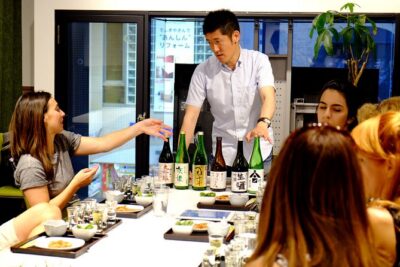
3-Hour Kyoto Insider Sake Brewery Tour with Tastings & Pairings
Read our review →
Kyoto: Insider Sake Brewery Tour with Sake and Food Pairing
Read our review →
Düsseldorf: Sushi, Sake & Japanese Lifestyle Tour
Read our review →
Kyoto: Insider Sake Experience with 7 Tastings and Snacks
Read our review →
Lists this tasting sits in