Review · PARIS
Paris: French Wine Tasting Class with Sommelier
The best part of this Paris wine class is its clear regional tour in a glass. In two hours, you taste one Champagne and five French wines, then learn why the same grape can taste so different from one part of France to another. You are not simply sipping and nodding. You are learning what to look for.
I like the 17th-century cellar near the Louvre, which gives the evening a proper Paris setting, and I like the practical teaching. You will leave better able to read a French label, order wine in a restaurant, and explain tannins without waving your hands wildly. The main drawback is the group format. Groups can reach about 25 people, and a noisy table can make it harder to hear the sommelier.
Key points
- Six wines, six French regions: Taste one Champagne and five wines selected from major French wine areas.
- Useful wine skills: Practice looking, smelling, tasting, and reading French labels.
- Plain-English lessons: Learn terroir, appellation, tannins, grape varieties, and food pairing without needing prior experience.
- Historic setting: The class takes place in a 17th-century wine cellar about a six-minute walk from the Louvre.
- Optional food: Add a cheese or charcuterie plate for €15, with cheese the better choice if you want a broader selection.
- Good evening timing: The 5pm start finishes around 7pm, leaving you time for dinner nearby.
Starting at 5pm near the Louvre
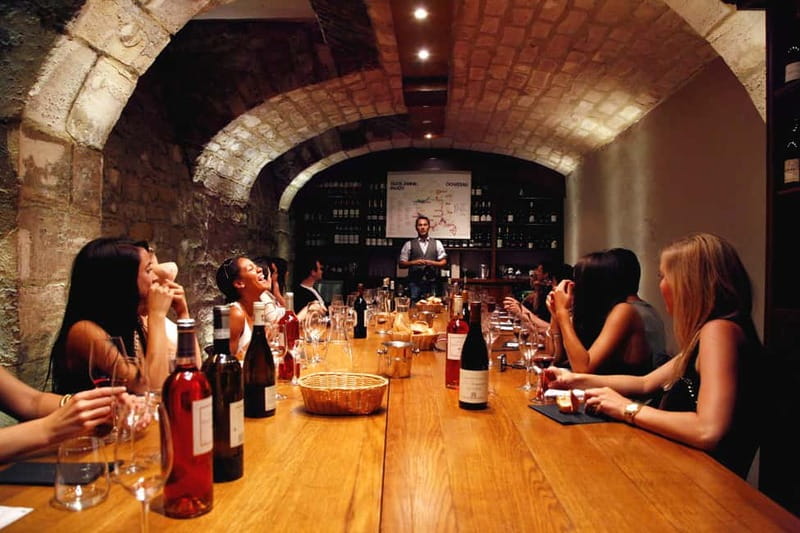
The class begins at 5pm at 68 Rue Jean-Jacques Rousseau in Paris’s 1st arrondissement. From Louvre-Rivoli on Metro Line 1 or Étienne Marcel on Line 4, allow about six minutes on foot. The cellar is close enough to pair with a visit to the Louvre, though I would not try to squeeze this in between a rushed museum schedule and an important dinner reservation.
The location does much of the mood-setting. A 17th-century wine cellar feels more fitting than a bright modern classroom, especially when the first glass is Champagne. It is a social setting, with a shared table, wine glasses, bread, and still water waiting for you.
The atmosphere is generally relaxed and friendly. Guides such as Laury, Paul, Felicity, Clement, Lily, Kim, and Jasmina have been praised for mixing humor with solid instruction. The guide changes, so you cannot book around one particular sommelier unless the provider confirms the name for your date.
The cellar can get warm, especially in summer. Wear light clothing if you tend to feel hot indoors. This is not a formal tasting room where everyone sits in silence, either. Most of the social energy is part of the fun, but a loud group can interrupt the presentation. If hearing every detail matters to you, sit near the sommelier and ask questions early.
More Wine Tasting Tours in France
- Montmartre Hill French Gourmet Food and Wine Tasting Walking Tour
★ 5.0 · 2,588 reviews - From Paris: Loire Valley Castles Day Trip With Wine Tasting
★ 4.6 · 1,727 reviews - Paris: Les Caves du Louvre Guided Tour with Wine Tastings
★ 4.7 · 932 reviews
The first glass: Champagne with a lesson
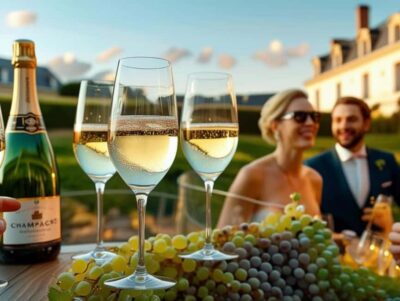
The tasting includes six wines in all: one Champagne and five other French wines from five regions. The opening Champagne is not just a welcome drink. It gives the sommelier a chance to explain how sparkling wine is made and how it differs from still wine.
You will learn the basic method behind Champagne production, then use your senses in a more deliberate way. Look at the color and bubbles. Smell the wine before tasting. Take a sip, notice the texture, and consider the balance between acidity, fruit, and dryness.
The class is designed for beginners, so you do not need a trained palate. If you mainly know California or Italian wines, the French labeling system may seem unfamiliar at first. The lesson helps connect what is in the glass to the name on the bottle.
Do not expect a full Champagne tour or a technical production seminar. This is a broad introduction within a two-hour tasting. The value comes from learning enough to recognize the main ideas, not from memorizing every step of the winemaking process.
Five French regions in five glasses
After Champagne, the sommelier presents five wines from different French regions. The exact bottles can vary, but the point is consistent: you compare grapes, places, and styles instead of tasting six unrelated wines.
This regional approach makes the French system easier to understand. You will hear where different grape varieties grow, what sort of wine each region tends to make, and how climate, soil, tradition, and local rules affect the result.
That is where terroir enters the discussion. In simple terms, terroir describes the effect of place on a wine, including soil, climate, slope, and local growing traditions. Appellation refers to the geographic and production rules connected to a wine’s named place. These ideas are central to French wine, and the class explains them in a way that helps you use the words rather than merely repeat them.
The tasting also gives you a chance to compare your own preferences. You may prefer a fresh white to a heavier red, or a dry wine to something fruitier. The sommelier encourages questions and can explain why a wine feels sour, sweet, dry, or tannic.
The pours are substantial enough for a proper lesson, but six wines can still leave you pleasantly light-headed. Eat beforehand or add the food plate if you want something more than bread during the class.
Learning to taste without the fuss
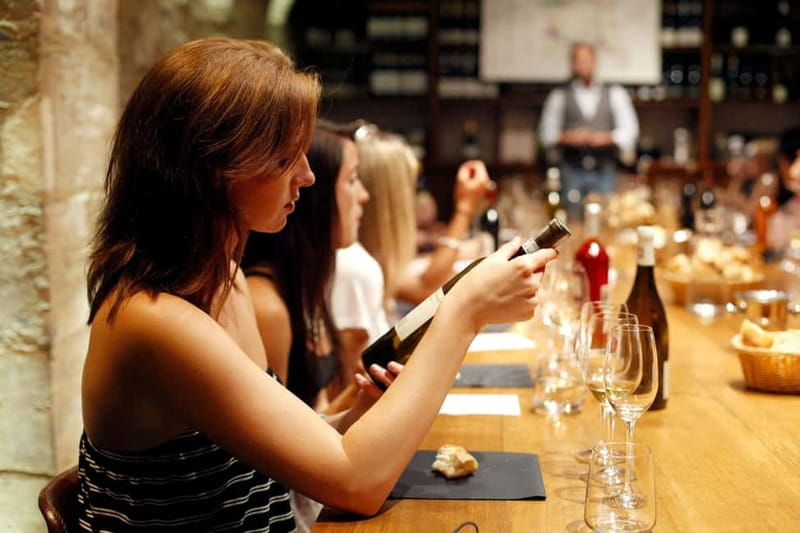
A good wine class should give you a method you can use the next day. This one walks you through the basic routine: look, smell, swirl, smell again, then taste. It sounds simple, but the order helps you notice details you might otherwise miss.
You will discuss color, aroma, acidity, sweetness, body, and tannins. Tannins are the compounds that can make a red wine feel dry or slightly grippy on your tongue. Once you recognize that sensation, restaurant descriptions become easier to understand.
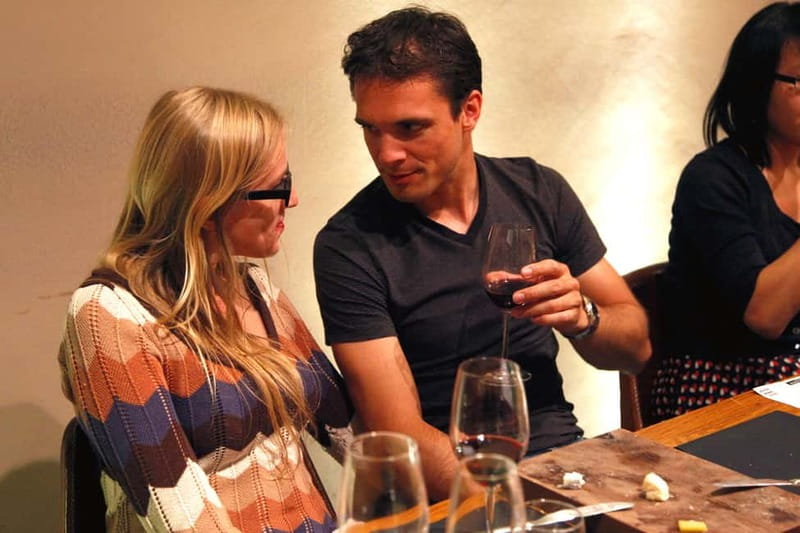
The strongest part of the teaching is its practical tone. The class is not meant to make you feel foolish for knowing little about wine. First-time tasters are invited to describe what they notice, even if their vocabulary is limited. That makes this a good choice for couples, families with adult children, and friends who want an evening activity that is more structured than a bar visit.
You also get advice on ordering French wine. That can be especially useful when a menu lists a regional name instead of a familiar grape. French bottles often lead with the place rather than the grape variety, and understanding that difference can make a Paris dinner less intimidating.
More Wine Tasting Tours in Paris
- Cheese & Wine Tasting in Montmartre with Local Cheesemonger
★ 5.0 · 470 reviews - Paris: Food and Wine Tasting Walking Tour in Le Marais
★ 4.9 · 446 reviews - Paris Art of Pairing Cheese and Wine Tasting in a Cheese Cellar
★ 5.0 · 386 reviews - Paris: Wine Tasting Experience with 6 Wines and Cheese Board
★ 4.9 · 80 reviews
Reading French labels with more confidence
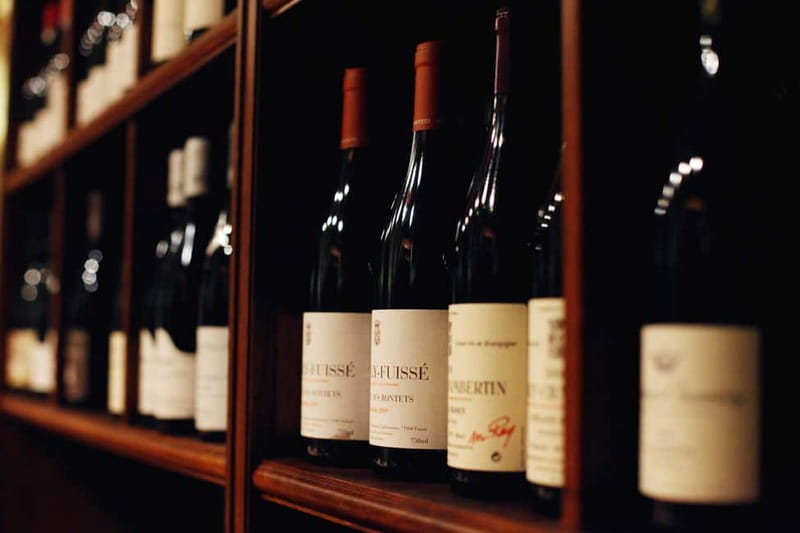
French wine labels can seem cryptic if you are used to labels that put the grape front and center. The class explains how to read the information on the bottle, including the role of the region and appellation.
This is one of the most useful lessons for your remaining days in Paris. You can take the same approach into a wine shop, ask a sommelier a better question, or choose a bottle for a picnic without relying only on price or a pretty label.
The teaching is not a substitute for a full wine qualification, and the class cannot cover every French appellation in two hours. It does give you a working framework. You learn to connect a bottle’s place, grape, and style, which is enough to make better choices.
Ask questions as you go. Past sessions have included discussion of new wine trends, grape-growing areas, food pairings, and the best ways to taste wine. The guide’s answers will vary with the group, so an engaged class usually gets more from the evening than a quiet one.
Bread, cheese, and charcuterie
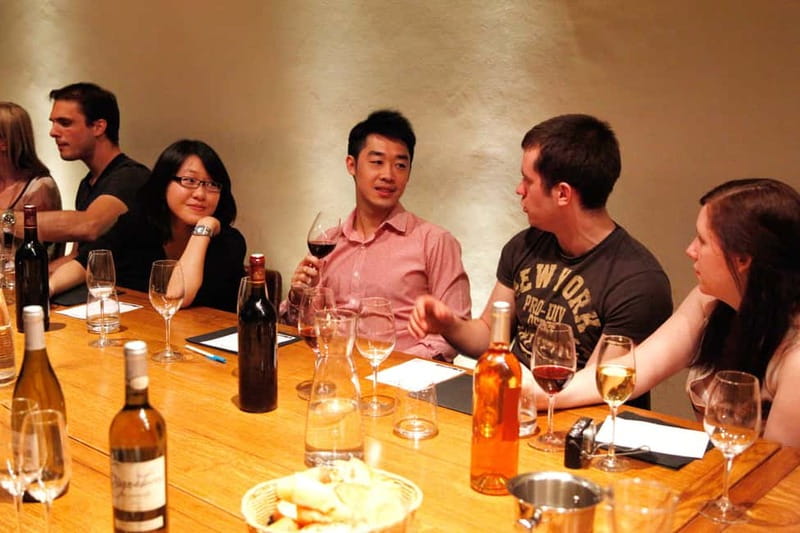
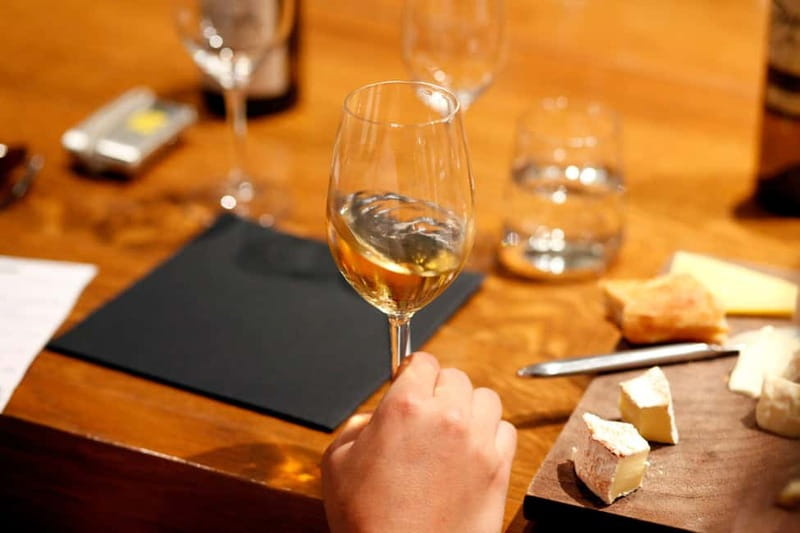
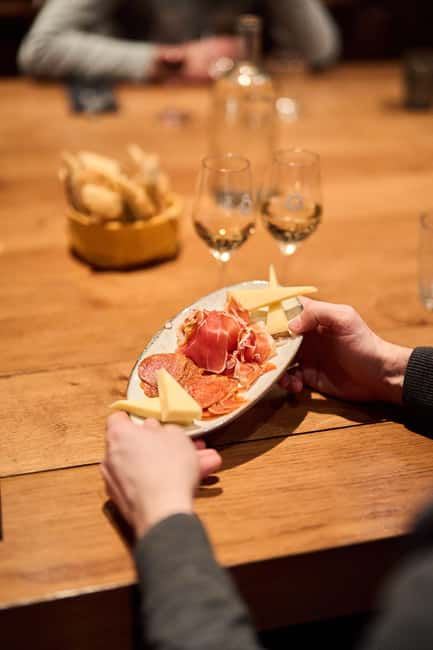
Bread and still water are included. A cheese or charcuterie platter is available on site for an extra €15. The food is optional, not part of the base price, so budget for it separately.
I would choose the cheese plate if you want to add one. It works especially well with the tasting because it lets you test how the same wine changes with food. A wine that seems sharp on its own can feel rounder with cheese, while a full red may work better with a richer bite.
The charcuterie option may suit you if you prefer savory meats, but the cheese selection has been singled out as the better choice. Either way, the add-on makes the event feel more like a pre-dinner gathering than a formal lecture.
Do not treat the bread basket as a full meal. If you are hungry, eat something beforehand or plan dinner after the class. The 5pm to 7pm schedule works nicely as an aperitif, and you will be in a good position to continue your Paris evening afterward.
What the two-hour format does well
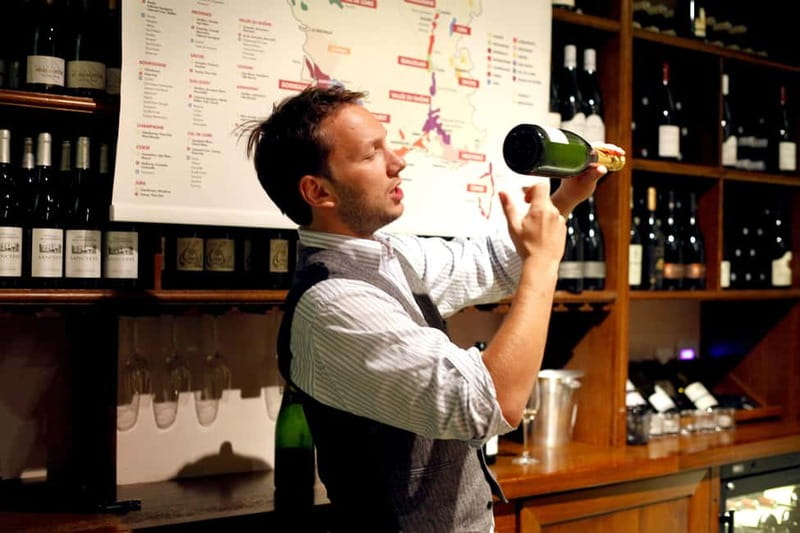
Two hours is a sensible length for six wines. The sommelier has enough time to explain each glass, but the class does not become an all-night lesson. You can concentrate, ask questions, and still keep your evening plans.
The pace may feel quick if you want a detailed discussion of every region. The purpose is breadth, not a specialist study of Burgundy, Bordeaux, the Rhône, or the Loire. You get a guided introduction to the main ideas and a set of examples to remember.
I especially like the connection between tasting and real-life use. You are not only told what a wine is. You learn how to smell it, describe it, pair it with food, and find something similar later. That makes the $88 price easier to justify for someone who wants a class rather than just six small pours.
Value depends on your expectations. If you compare the cost with buying six bottles, the class is expensive. If you compare it with a central Paris activity that includes a sommelier, six tastings, instruction, bread, and water, it is reasonable. The optional €15 food plate pushes up the total, but it can replace part of an early aperitif.
Group size, guide style, and sound levels
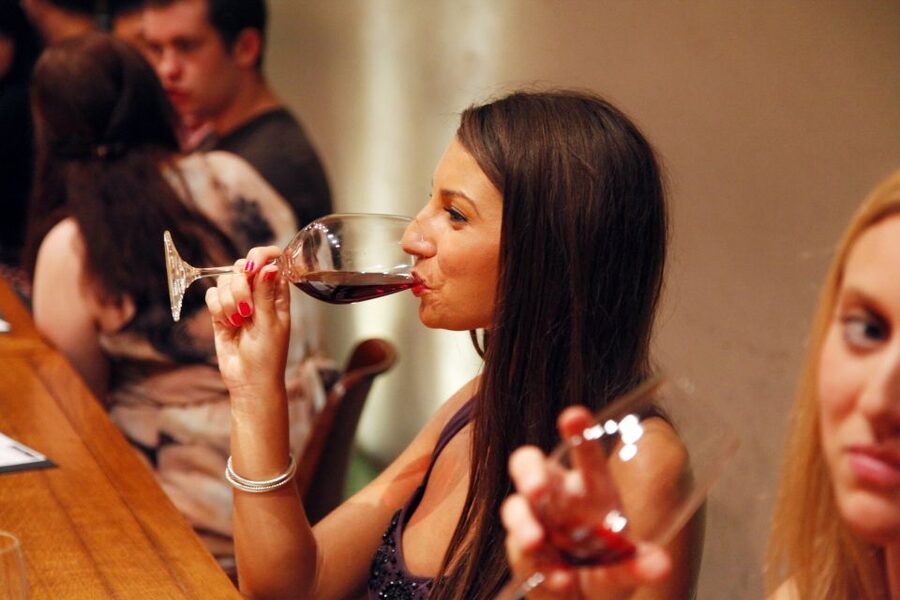
The guide is the heart of this experience. Names reported for different sessions include Laury, Paul, Felicity, Lily, Kim, Clement, Jasmina, Pierre, Charlotte, Preston, and Gerard. The consistently strong feature is the guide’s ability to explain wine in plain English and keep the room relaxed.
The class involves group participation. You may be asked what you smell or taste, and you can compare preferences with the people at your table. This is a good setting if you enjoy meeting other visitors and talking over a shared interest.
The downside is that the group can be large. A group of around 25 may feel crowded, and people seated at the back may hesitate to ask questions. Some sessions have also had side conversations while the sommelier was speaking. Choose a seat near the front if you want the clearest sound and the best chance to join in.
The guide may be excellent, but the experience is not fully private or tailored. If you want quiet, long pauses with each wine, or a lesson built around your personal taste, a private tasting would suit you better.
Who should book this Paris wine class
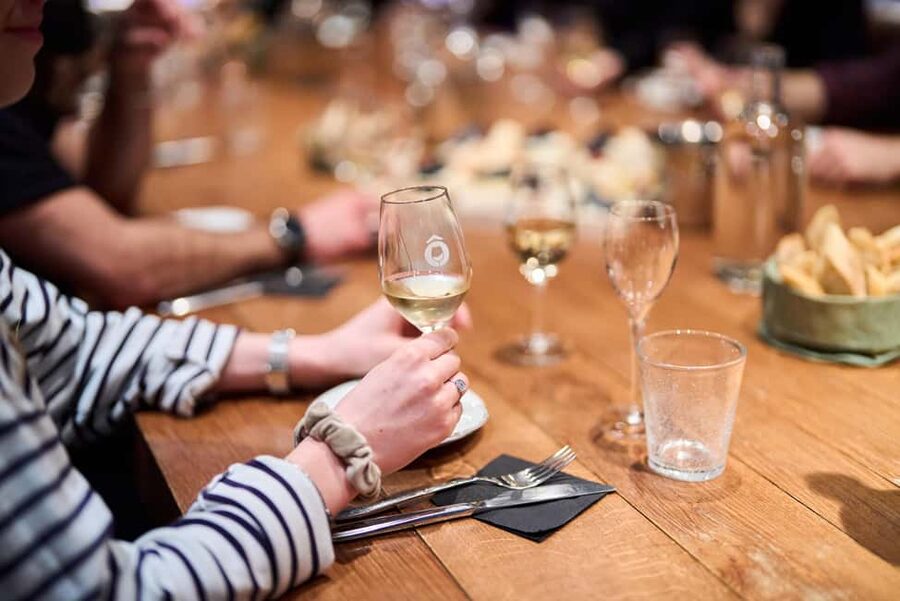
This is a strong choice for a first wine tasting. You will get enough structure to avoid feeling lost, but the tone remains social rather than academic. It also suits people who already enjoy wine but want a clearer grasp of French regions and labels.
I would recommend it for:
- Couples looking for a 5pm activity before dinner
- Adults traveling with family members who want an easy shared experience
- Wine beginners who want useful skills without a full course
- Visitors staying near the Louvre or central Paris
- People who enjoy asking questions and meeting others
- Wine drinkers who often feel unsure when ordering French bottles
It may not suit you if you do not drink alcohol, dislike group activities, or want a substantial meal. The class includes Champagne and five wines, and the bread is only a light accompaniment.
The experience is also not a vineyard visit. You will learn about French wine in Paris, but you will not tour a vineyard or see production in the countryside. For a short city break, that is a sensible trade-off. You get a broad introduction without spending a day outside the city.
Practical details before you reserve
The class is in English with a live sommelier. The meeting point is 68 Rue Jean-Jacques Rousseau, near the Louvre, and the nearest useful metro stops are Louvre-Rivoli and Étienne Marcel.
The listed price is $88 per person. Cheese or charcuterie costs an additional €15 on site. Six wines, bread, water, and the presentation are included in the base price.
You can cancel up to 24 hours before the activity for a full refund, and the reserve-now-pay-later option lets you hold a place without paying immediately. Check the available start time when booking, since the standard session described here begins at 5pm and ends around 7pm.
Wear comfortable clothing, especially in warm weather. The cellar can feel hot, and you will be sitting at a shared table for much of the class. Plan your dinner afterward rather than before if you want to enjoy the tasting at an unhurried pace.
Should you book it?
Book this class if you want to understand French wine better while staying in central Paris. The regional tasting format, clear explanations, and historic cellar make it more useful than a simple tasting flight. You will leave with a way to read labels and judge wine that you can use for the rest of your trip.
The main cautions are the price, the optional food charge, and the possibility of a large or noisy group. Sit near the front, add the cheese plate if you want food with the wine, and arrive ready to take part. For a first French wine lesson, especially before dinner near the Louvre, this is a well-balanced choice.
FAQ
Where does the French wine tasting take place?
It takes place at 68 Rue Jean-Jacques Rousseau in Paris’s 1st arrondissement, in a 17th-century wine cellar about a six-minute walk from the Louvre.
How long does the wine class last?
The class lasts two hours. The listed session begins at 5pm and finishes around 7pm.
How many wines are included?
You taste six wines: one Champagne and five French wines from five different regions.
Is the tasting conducted in English?
Yes. The experience includes a live English-speaking sommelier.
Is food included with the wine tasting?
Bread and still water are included. Cheese or charcuterie is optional and costs an additional €15 on site.
What will I learn during the class?
You will learn how to taste wine, how Champagne is made, how to read French wine and Champagne labels, and what terms such as terroir and appellation mean. Food and wine pairing is also covered.
Which metro stations are closest?
Louvre-Rivoli on Metro Line 1 and Étienne Marcel on Line 4 are the closest listed stations. The meeting point is about a six-minute walk from the Louvre.
Can I cancel the booking?
Yes. You can cancel up to 24 hours in advance for a full refund. A reserve-now-pay-later option is also available.
More Workshops and Classes in Paris
- Cocktails lessons in Speakeasy
★ 4.5 · 72 reviews - Rome: Pasta Making Class with Wine, Limoncello, and Dessert
★ 4.9 · 3,177 reviews - Rome Cooking Class: Make Pasta and 3 Spritz Cocktails
★ 5.0 · 2,937 reviews - Barcelona Paella Cooking Class with Market Visit, Tapas & Sangria
★ 5.0 · 2,531 reviews
More Wine Tasting Classes in Paris
- Paris: Wine and Cheese Tasting with a Chef Sommelier
★ 4.7 · 277 reviews - Paris: Cheese and Wine Class in a 17th Century Cellar
★ 4.8 · 91 reviews - Paris: Champagne Cellars Tour and Tastings with a Sommelier
★ 4.9 · 74 reviews - Porto: Douro Valley Wine Tour with a Sommelier & Boat Trip
★ 5.0 · 463 reviews
Freshly poured around Paris
- Paris: Tasting of 3 Wine and 3 Cheese★ 5.0 · 74 reviews
- Paris: Wine and Cheese Tasting★ 4.6 · 91 reviews
- Paris: Wine Tasting Experience with 6 Wines and Cheese Board★ 4.9 · 80 reviews
- Paris: Seine River Champagne Dinner Cruise with Live Music★ 4.4 · 287 reviews
- Paris : Scenic Cruise on the Seine River with Champagne★ 4.0 · 81 reviews
- Paris: Seine River Cruise with Champagne from Eiffel Tower★ 4.4 · 381 reviews
- Paris: Moulin Rouge Show with Champagne and Drop-Off Service★ 4.2 · 130 reviews
- Paris: Pub Crawl with Shots and Nightclub Entry★ 4.9 · 321 reviews
Wine Tasting Classes, side by side.
Porto: Douro Valley Wine Tour with a Sommelier & Boat Trip
Read our review →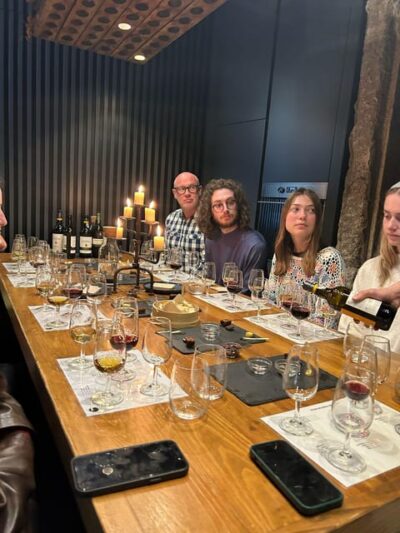
Port Wine class with 3 or 5 Port tasting and pairings
Read our review →
Athens: Wine Tasting with a Sommelier under the Acropolis
Read our review →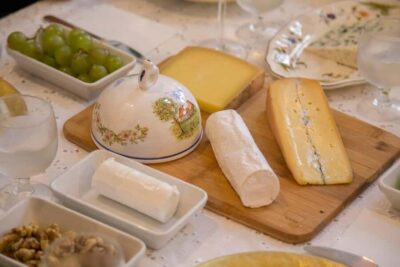
Paris: Wine and Cheese Tasting with a Chef Sommelier
Read our review →
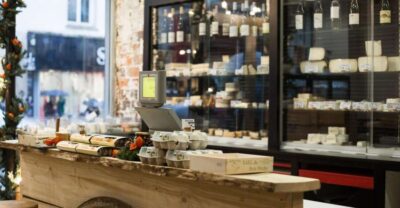
Paris: Cheese and Wine Class in a 17th Century Cellar
Read our review →