Review · PORTO
Port Wine class with 3 or 5 Port tasting and pairings
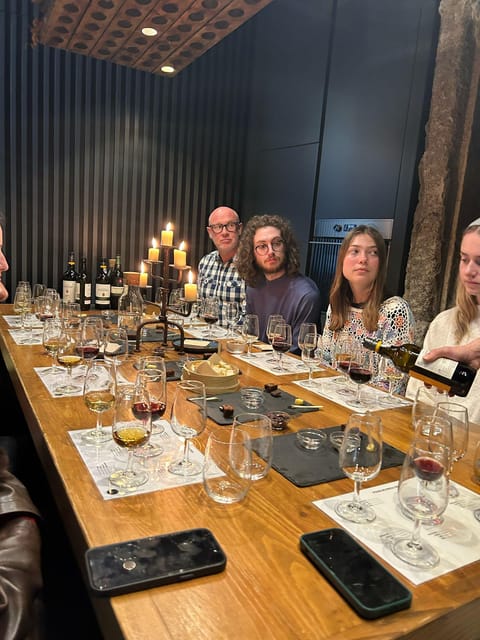
Port becomes much easier to understand when you taste several styles side by side. This small class in central Porto covers the basics, then puts the theory in your glass with three or five Ports and Portuguese snacks.
I like the setting across from the Palácio da Bolsa, since it fits neatly into a day of sightseeing, and I like the friendly, often funny hosts, including Rui, Ruan, João, and Pedro. The main limitation is that this takes place in a shop room, not in a traditional Port cellar, so choose it for clear teaching and tasting rather than old barrels or a winery tour.
Key points at a glance
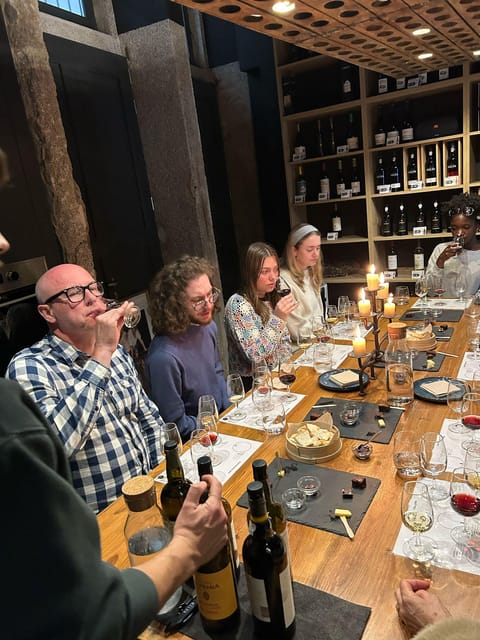
- Five styles give you a useful Port lesson: White, Tawny, Ruby Reserve, and LBV appear in the five-Port option.
- The class stays small: Groups are limited to 10 people, with some sessions feeling almost private.
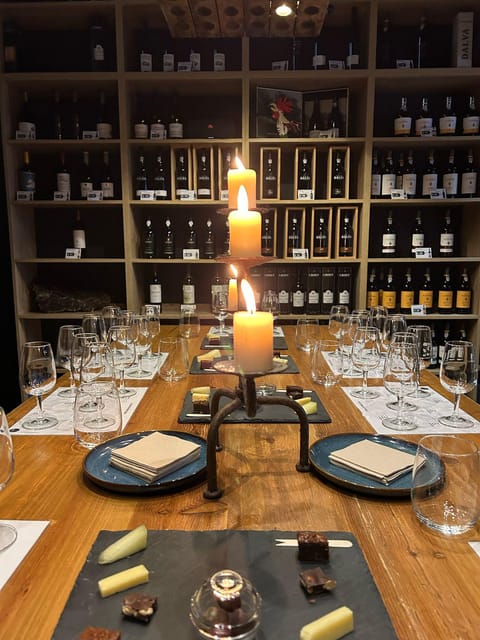
- Food is part of the lesson: Olives, fruit, chocolate, cheese, and brownie are matched with the wines.
- The location saves time: The shop is opposite the Palácio da Bolsa in Porto’s center.
- The hosts make the difference: Rui, Ruan, João, José, and Pedro have all led lively sessions with humor, music, and clear explanations.
- The five-Port option is the better buy for curious drinkers: It lasts about 75 minutes instead of roughly 45 minutes.
Why this short Port class works in Porto
Porto gives its name to Port, but the wine itself comes from grapes grown in the Douro Valley and is traditionally connected with the cellars across the river in Vila Nova de Gaia. That can make the subject feel larger than a quick tasting. This class gives you a compact way to sort out the basics before you visit a cellar, or instead of one if your schedule is tight.
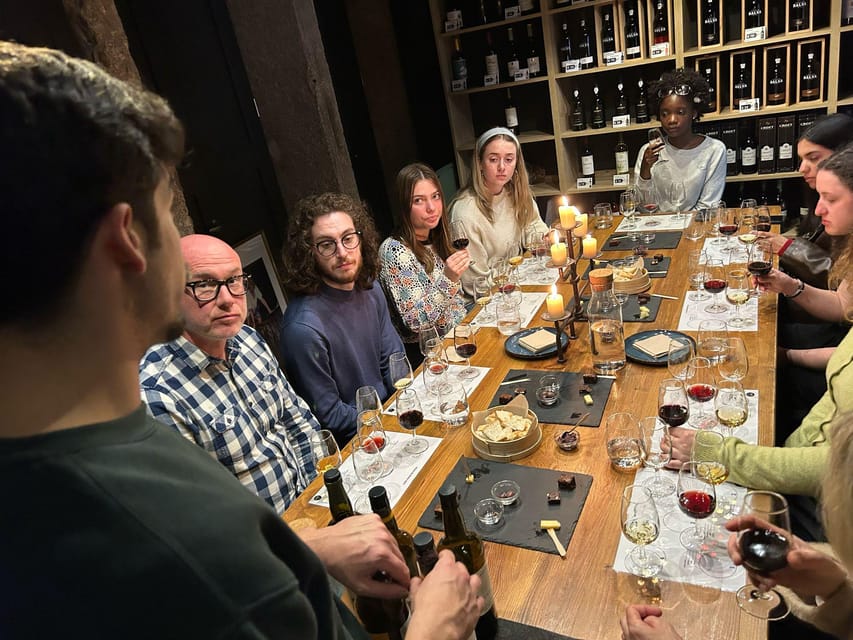
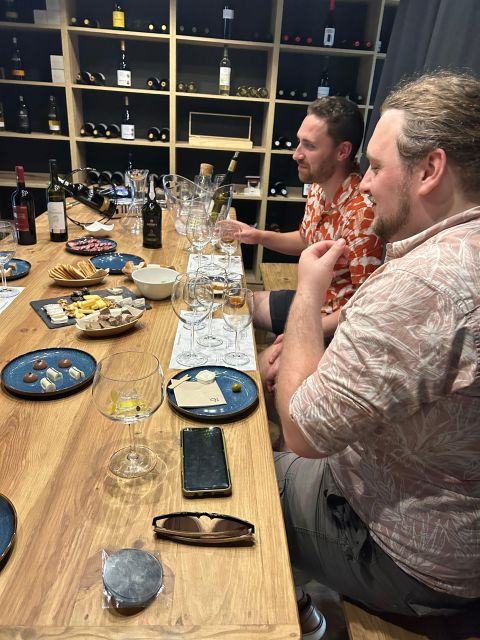
The format is simple. You sit at a table in a room inside the shop, listen to an introduction, taste the wines, and compare them with food. The class is held in English and is limited to 10 people, which matters more than it may sound. A small group lets you ask why one Port tastes sweeter, lighter, darker, or more nutty than another without getting lost in a crowd.
The setting is not designed as a grand wine cellar. You will not be walking among huge casks or touring a production site. I see that as a fair trade for the central location and the teaching focus. You can finish the class and be at the Palácio da Bolsa, Ribeira, or another central sight within easy reach.
More Port Wine Cellar Tours in Porto
- Porto: Live Fado Show with Glass of Port Wine
★ 4.8 · 6,498 reviews - Porto: Bridges Cruise & Sunset & Port Wine Cellar Option
★ 4.2 · 4,180 reviews - Porto: Fado & Port Wine in Traditional Portuguese Music Shop
★ 4.8 · 2,906 reviews
Finding the room opposite the Palácio da Bolsa
The meeting point is the shop in front of the Palácio da Bolsa. One practical detail matters: check in at the tourist office because the class room is in the same building. The storefront may not look exactly like the wine shop you expect, so allow a few minutes to find the correct entrance.
This location is useful if you are building a walking day around central Porto. You can pair the class with the Palácio da Bolsa, São Francisco Church, the Ribeira waterfront, or the Dom Luís I Bridge. Since the tasting lasts less than an hour in the three-Port version, it can fit between sightseeing stops. The five-Port version is better treated as a proper afternoon or early evening activity.
The room is air-conditioned, which can be welcome on a warm Porto afternoon. Seating has varied by session. Most people sit around a prepared table, though one description noted long benches rather than especially comfortable chairs. If comfortable seating matters to you, keep that small point in mind.
What happens before the first glass
The class begins with Port’s origins and development. You learn how and why the wine came into being, then how it changed over time. The aim is not to bury you in technical language. It is to give you enough context to understand the glass in front of you.
A good explanation of Port should answer a few basic questions: what makes Port different from ordinary table wine, how the styles vary, and why the same broad category can include pale white wine, ruby-colored young wine, and older tawny wine. The hosts have been praised for explaining how Port is produced, where the grapes are grown, and how the different styles are made.
This is also where the personality of the presenter matters. Rui has been described as warm, funny, and generous with information. Ruan has mixed wine teaching with jokes, music, and even guitar performances. João has led clear, professional explanations, while Pedro and José have also hosted engaging sessions. The names and style can vary by date, but the class depends heavily on the person leading it.
You should expect an informal lesson rather than a formal certification course. It suits a beginner who wants a practical grasp of Port. It also works for someone who already drinks fortified wine but wants to compare several types in one sitting.
The three-Port option: quick, useful, and easy to fit in
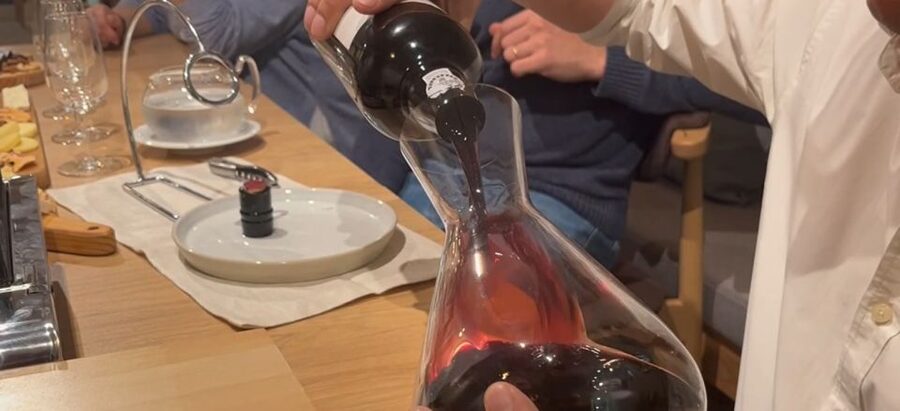
The three-Port tasting lasts about 45 minutes, though questions can stretch the session. It is the sensible choice if you want a short introduction before dinner or if your Porto schedule is already crowded.
The exact three-wine lineup is not specified in the activity details, so you should not assume it includes every style listed for the longer option. You will still taste different types of Port and receive Portuguese snacks, but the five-Port selection gives you a broader comparison.
That shorter format can be enough if your main goal is to learn the basic differences and enjoy a few well-matched tastes. It is also a good choice if you are uncertain about Port and would rather start small. Port is sweet and fortified, and three samples may be plenty if you are not used to that style of wine.
The tradeoff is clear. If you finish wishing you had tried more, upgrading after the fact is not possible. Anyone who enjoys tasting, asks lots of questions, or wants to understand the range of Port should choose five.
Same town, a different pour:
- From Porto: Douro Valley w/ Boat Tour, Wine Tasting & Lunch
★ 4.7 · 19,061 reviews - Complete Douro Valley Wine Tour with Lunch, Wine Tastings and River Cruise
★ 5.0 · 12,920 reviews - Porto: Douro Valley with Winery Lunch, Tastings & Cruise
★ 4.7 · 7,002 reviews - Authentic Small Group Douro Wine Tour with Lunch & River Cruise
★ 5.0 · 4,775 reviews
The five-Port option and the styles in your glass
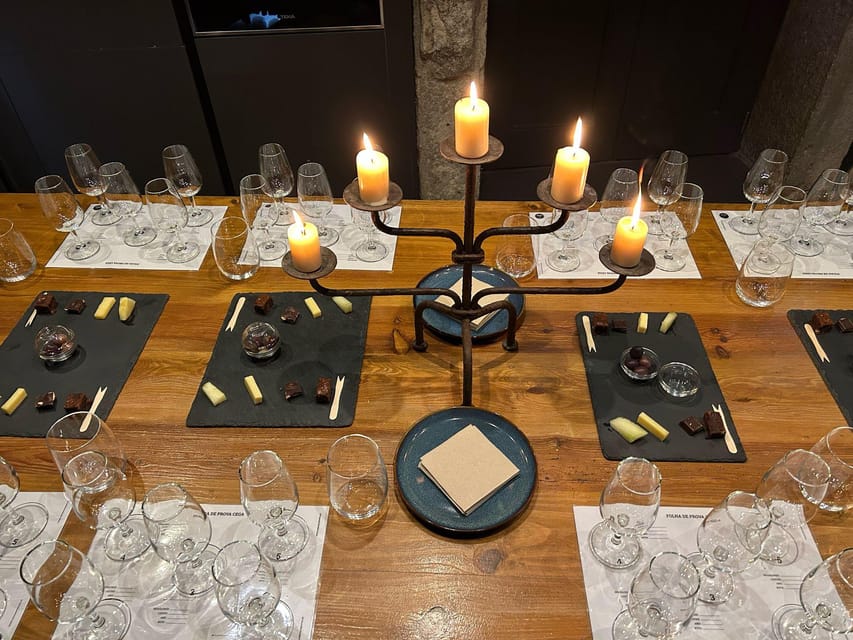
The five-Port class lasts about 1 hour and 15 minutes, with the full experience sometimes reaching 90 minutes depending on questions. The listed five wines are:
- Two White Ports
- One Tawny Port
- One Ruby Reserve Port
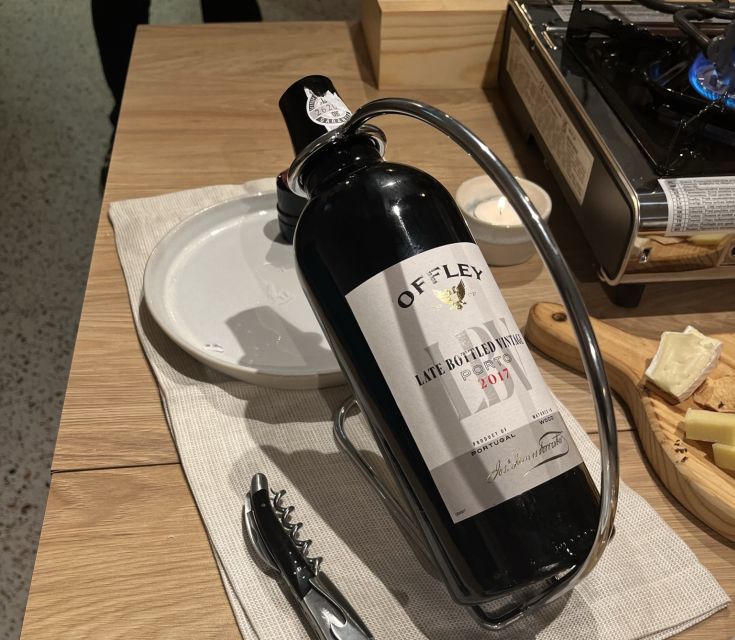
- One LBV, or Late Bottled Vintage, Port
This lineup gives you more than a simple brand comparison. It lets you see how color, age, production, and flavor can change within the Port family.
The two White Ports make an especially useful opening comparison. White Port can range from lighter and fresher to fuller and sweeter, so tasting two examples helps you notice that the category is not just one single flavor. The pairings also give you a reason to pay attention to how the wine changes with food.
Tawny Port gives the class a different direction, with its familiar association with age and barrel maturation. You can compare its character with the darker fruit profile of Ruby Reserve. The LBV then adds another useful point of reference, since the vintage designation and bottling style give it a different place in the Port lineup.
I like this selection because it teaches categories rather than asking you to remember brand names. You leave with a better idea of what to order in Porto, what to buy as a gift, and which style might suit dessert, cheese, or an aperitif.
The pours have been described as generous, but the experience is still a tasting rather than a full evening of drinking. Five sweet fortified wines can add up quickly, so eat the snacks, take your time, and do not plan a demanding activity immediately afterward.
Portuguese pairings that make the tasting clearer
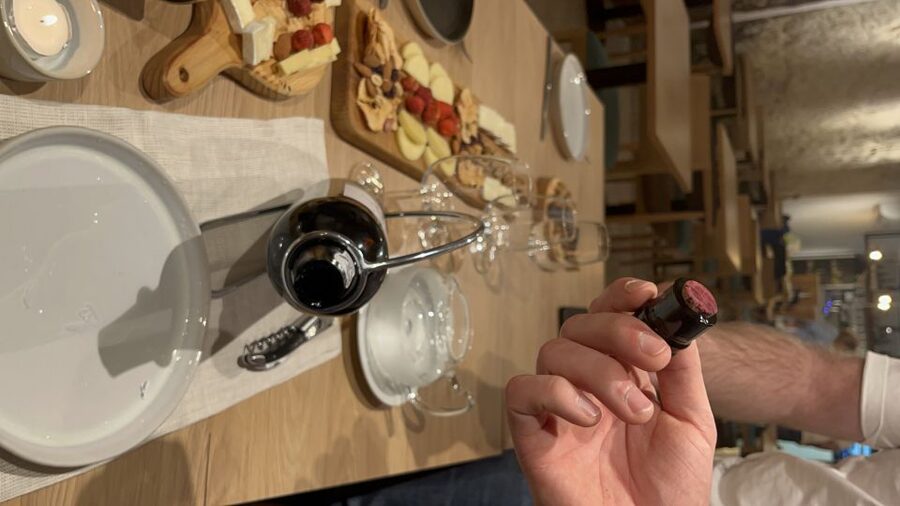
The food is not just decoration. Each Port comes with small pairings including olives, fruit, chocolate, cheese, and brownie. The selection covers salty, fresh, creamy, and sweet flavors, giving you several ways to notice how the wine behaves with food.
Olives are particularly useful with a sweeter wine because their salt and bitterness create contrast. Fruit can make a lighter Port feel fresher, while chocolate and brownie show why Port is such a natural after-dinner drink. Cheese gives you another classic match and helps keep the tasting from becoming a parade of sugar.
The portions are intended to accompany the wines, not replace lunch or dinner. Some sessions have included generous quantities, but I would still eat beforehand if you need a full meal. The pairings are a strong part of the value at $23 per person, especially when compared with ordering five separate glasses and snacks in a central Porto bar.
The host explains the pairings as you go, so you are not simply handed a plate and left to guess. That turns the tasting into something you can repeat later. After the class, you have a better sense of why a Port might work with cheese or chocolate instead of treating every bottle as the same sweet drink.
Small groups, solo visits, and the social side
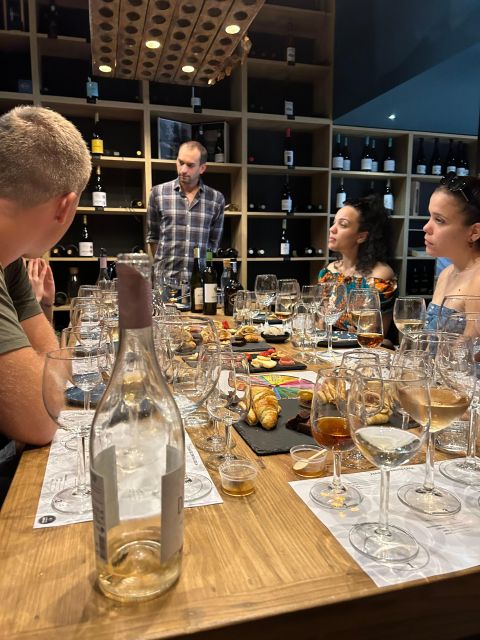
The maximum group size is 10. That is large enough for conversation but small enough for the host to involve people at the table. Some sessions have had only a few participants, and one nearly private class had just two people.
This is a comfortable activity for solo visitors. The structure gives you something to do immediately, and the shared table makes conversation easy. One solo participant ended up joining other people for drinks afterward, but that is not a promised part of the booking. The useful point is that you do not need to arrive with a group to enjoy the format.
Couples and friends also fit well. You can compare your reactions to the same wine, which is often more fun than tasting alone. International groups have included people from several countries, and the host tends to keep the session interactive rather than delivering a long speech.
The personality of the presenter can shape the atmosphere. Rui and Ruan have been singled out for humor and warmth, while João has been praised for a clear and friendly teaching style. A surprise at the end has also been part of some sessions, with music and guitar appearing on occasion. Treat that as a possible bonus, not a guaranteed performance.
What you get for $23
At $23 per person, this is a strong-value introduction to Port, especially in central Porto. The price includes the tasting and pairings, plus roughly 45 to 75 minutes of instruction depending on your choice. Five Port samples, food, and a small group lesson compare well with the cost of arranging a similar tasting on your own.
The best value comes from the five-Port option. The extra styles make the differences easier to understand, and the longer format gives you more time for questions. One clear piece of advice is to choose five if the price difference is modest when you book. People who chose three have sometimes wished they had selected the longer session.
The three-Port option still has a place. It suits a tight schedule, a first taste of Port, or anyone who prefers a shorter drinking activity. I would not call it poor value. It simply offers less room for comparison.
The real value is educational rather than luxurious. You are paying for a central location, small group access, a guide who can explain the wines, and food that helps you make sense of the tasting. You are not paying for a cellar tour, vineyard visit, or transportation to the Douro Valley.
Who should book this class
I would recommend it to first-time Porto visitors who want a friendly introduction to the city’s signature drink. It is also useful if you have only one or two days in Porto and cannot fit in a longer visit to several Gaia cellars.
The class works well for:
- Port beginners who want plain explanations of the main styles
- Solo visitors who like a social activity with a fixed start and finish
- Couples and friends who enjoy comparing tastes
- Wine drinkers who want to understand White, Tawny, Ruby, and LBV Port
- Sightseers with a busy schedule who need an activity in central Porto
- People avoiding a large tour who prefer a group capped at 10
I would choose another activity if your main goal is to see Port being made, visit vineyards, or walk through historic cellars. This class does not provide transport or a Douro Valley excursion. It is a tasting lesson in a shop room, and it should be judged on that basis.
The class is wheelchair accessible, and the host or greeter speaks English. You can cancel up to 24 hours before the start for a full refund, and the reserve-now, pay-later option keeps your plans flexible.
My practical choice: three or five?
Choose three if you want a short introduction and already have a full day planned. It is enough to learn the basic idea of Port, enjoy a few pairings, and continue sightseeing.
Choose five if you have any real interest in wine. The two White Ports, Tawny, Ruby Reserve, and LBV create a much more useful comparison. You get extra time to ask questions, and the broader lineup helps you remember what you tasted.
I would also choose five for a dedicated food and wine afternoon. The snacks are a meaningful part of the class, and the extra pours make the pairing lesson more complete. Just leave room in your schedule and avoid treating the tasting as a rushed stop between two fixed appointments.
Should you book it?
Book this Port class if you want clear instruction, central Porto access, a small group, and a good sample of styles for $23. The strongest reasons are the food pairings, the five-wine option, and the hosts’ ability to keep the lesson relaxed and entertaining.
Pick the five-Port session if available and practical. Pick three only when time or drinking preferences make a shorter class more sensible. Skip it if you want a cellar, vineyard, or production tour. For everyone else, this is an efficient and sociable way to get your bearings with Port before ordering another glass in Porto.
FAQ
Where does the Port class take place?
It takes place in a shop in central Porto, opposite the Palácio da Bolsa. Check in at the tourist office because the class room is in the same building.
Is the tasting held in a Port cellar?
No. The experience takes place in a room inside the shop, not in a traditional cellar.
How many Ports are included?
You can choose a three-Port or five-Port tasting. The five-Port option lists two White Ports, one Tawny Port, one Ruby Reserve Port, and one LBV Port.
What food is served with the Port?
The pairings include olives, fruit, chocolate, cheese, and brownie.
How long does the experience last?
The three-Port option takes about 45 minutes. The five-Port option takes about 1 hour and 15 minutes, with the total sometimes lasting up to 90 minutes depending on questions.
What language is the class conducted in?
The host or greeter conducts the class in English.
Is the experience suitable for wheelchair users?
Yes. The activity is listed as wheelchair accessible.
More Workshops and Classes in Porto
- Rome: Pasta Making Class with Wine, Limoncello, and Dessert
★ 4.9 · 3,177 reviews - Rome Cooking Class: Make Pasta and 3 Spritz Cocktails
★ 5.0 · 2,937 reviews - Barcelona Paella Cooking Class with Market Visit, Tapas & Sangria
★ 5.0 · 2,531 reviews - Fettuccine & Tiramisù: Cooking Class with Wine & Limoncello
★ 4.9 · 2,103 reviews
More Wine Tasting Classes in Porto
- Porto: Douro Valley Wine Tour with a Sommelier & Boat Trip
★ 5.0 · 463 reviews - Paris: French Wine Tasting Class with Sommelier
★ 4.8 · 550 reviews - Athens: Wine Tasting with a Sommelier under the Acropolis
★ 4.7 · 311 reviews - Paris: Wine and Cheese Tasting with a Chef Sommelier
★ 4.7 · 277 reviews
Freshly poured around Porto
- Porto: Daytime or Sunset Douro River Cruise With Port Wine★ 4.7 · 714 reviews
- Porto: Douro Cruise, 6 Bridges & 4 Port Wines (Max 7)★ 5.0 · 69 reviews
- Porto: 6 Bridges Cruise & Port Wine with Sunset Option★ 5.0 · 997 reviews
- Porto: 6 Bridges Port Wine River Cruise with 4 Tastings★ 4.8 · 219 reviews
- Porto: 3 or 5 Port Wine Tasting with Pairings★ 4.9 · 152 reviews
- Porto Half-Day Tour and Wine Tasting★ 4.4 · 67 reviews
- From Porto: Douro Valley Wine Tour with Lunch and Cruise★ 4.8 · 311 reviews
- From Porto: Douro River Cruise, Winery Visit & Lunch★ 3.7 · 103 reviews
Port Wine Cellar Tours, side by side.
Porto: Live Fado Show with Glass of Port Wine
Read our review →
Lisbon: Live Fado Show with Port Wine at Lisboa em Fado
Read our review →
Porto: Bridges Cruise & Sunset & Port Wine Cellar Option
Read our review →
Porto: Fado & Port Wine in Traditional Portuguese Music Shop
Read our review →
Porto: What is Fado? Commented Live Concert with Port Wine
Read our review →
Port Wine Lodges Tour Including 7 Port Wine Tastings (English)
Read our review →
Porto: Charming Sailboat Cruise with Port Wine,Sunset Option
Read our review →