
Review · KYOTO
Kyoto: Insider Sake Experience with 7 Tastings and Snacks
The best part of this Kyoto experience is that it teaches you how to choose sake after you leave. You compare dry, sweet, crisp, and fruity styles side by side, then learn how rice polishing and brewing choices shape the taste. Mayo, Kotaro, Kiyomi, and Greg are among the guides who lead these sessions, and the teaching style is friendly rather than stiff.
I especially like the food pairing exercise, since a sake you dislike on its own can taste much better with the right snack. I also like the bottle-reading lesson, which turns a wall of Japanese labels from a guessing game into something you can actually use. The drawback is simple: this is a tasting with small dishes, not lunch, so eat something beforehand.
Kyoto Sake Tasting at a Glance
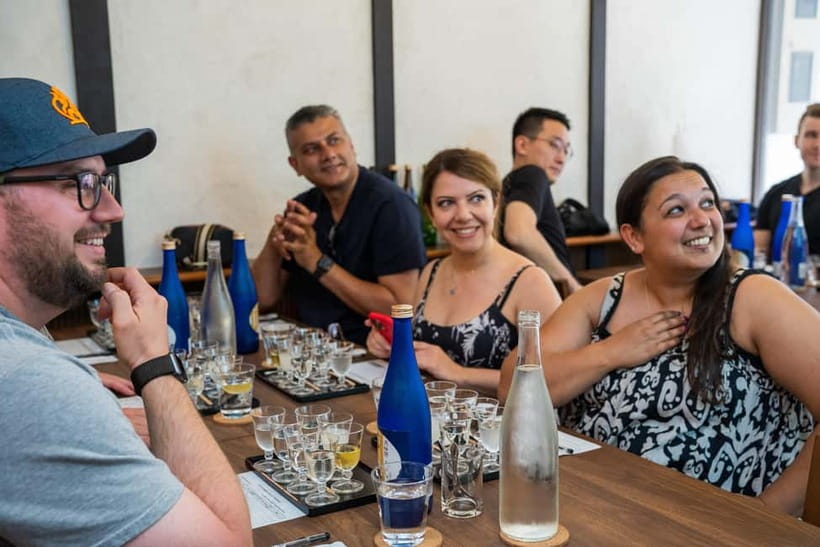
- Seven generous tastings: Compare sake styles from dry and crisp to sweet and fruity.
- Bottle-reading practice: Learn what the label can tell you before ordering in a restaurant or buying a bottle.
- Food changes the flavor: Try sake first by itself, then with traditional Japanese otsumami.
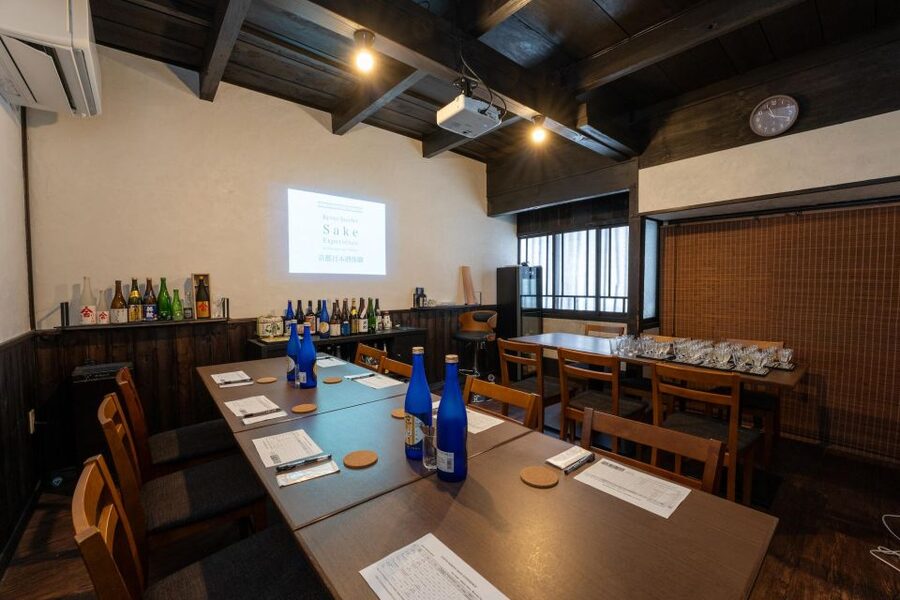
- A small, relaxed setting: The dedicated tasting room keeps the experience calm and personal.
- Practical advice: Learn when sake is served hot or cold and which styles work with sushi.
- A useful takeaway: Keep the sake cheat sheet and tasting notes for the rest of your Japan trip.
Why This Sake Class Is More Useful Than a Simple Flight
Sake menus can be hard to read even when you already know a little about Japanese food. Terms such as dry, aromatic, polished, sparkling, or cloudy may give you a clue, but they do not always tell you what will arrive in the glass.
This experience gives you a way to connect those words with actual tastes. You sample several styles in one sitting, then decide which ones suit you. That is far more useful than ordering a random bottle because its label looks attractive.
I like that the teaching begins with the basics. You learn how sake is made, what ingredients matter, and how rice polishing affects the final drink. The explanations are designed for beginners, but they still give you enough detail to make the tasting feel like a real lesson rather than a bar flight.
The session is also practical in a very Japanese way. You learn how to order with confidence, how to think about food pairings, and when hot or chilled sake makes sense. You are not expected to memorize a technical vocabulary. The goal is to leave knowing what you like and how to ask for it.
More Sake Tastings in Japan:
- 1-Day Snow Monkeys, Zenko-ji Temple & Sake in Nagano
★ 5.0 · 1,020 reviews - 3-Hour Kyoto Insider Sake Brewery Tour with Tastings & Pairings
★ 5.0 · 917 reviews - Nagano: Snow Monkeys, Zenkoji Temple & Sake Day Trip
★ 4.9 · 833 reviews
What Happens During the 90 Minutes
The activity takes place in the provider’s own tasting room. You should speak to the staff at the counter when you arrive, then settle in for an English-language session led by a certified sake expert.
The opening section covers the basics before the tasting gets properly underway. This pacing works well because you have a framework for understanding the glasses in front of you. Instead of hearing a list of facts after you have already tasted everything, you learn what to look for first.
Your guide explains the brewing process and the role of rice. One useful point is rice polishing. The more the rice grain is polished, the more the brewer can influence the style and texture of the sake. Seeing examples of different levels of refinement makes this easier to understand than hearing the idea in the abstract.
You then move through the tasting in a logical order. The exact selections can vary, but the aim is to show a broad range, from clean and dry to sweeter, fruitier styles. The supplied material describes more than 10 types being selected by a certified sake sommelier, while the tasting itself is generally presented as seven generous pours. That distinction is worth noting: you should expect a seven-sake flight, with the wider selection used to choose the bottles for the session.
You receive tasting notes and a sake cheat sheet to help record your impressions. This is especially handy if you are new to sake and find that the names blur together after several samples. Write down the styles you prefer while your memory is fresh.
The Seven-Pour Progression
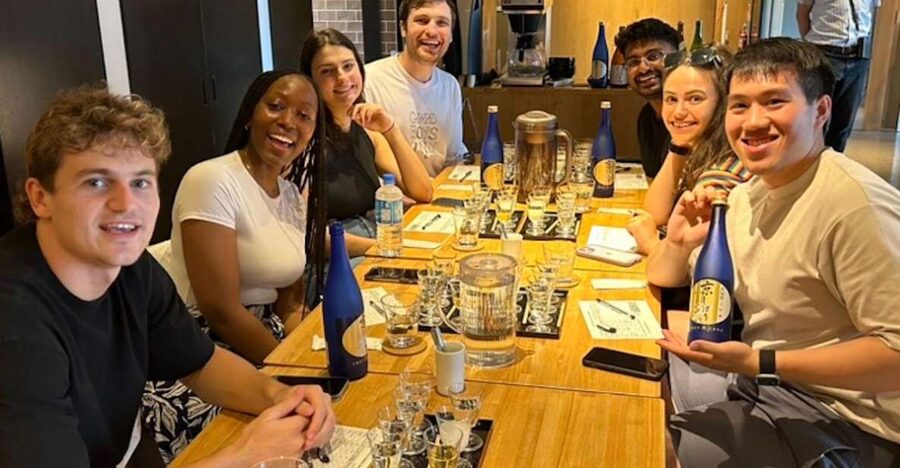
The strength of the tasting is comparison. One glass alone can be pleasant, but several glasses side by side show you how much sake can vary.
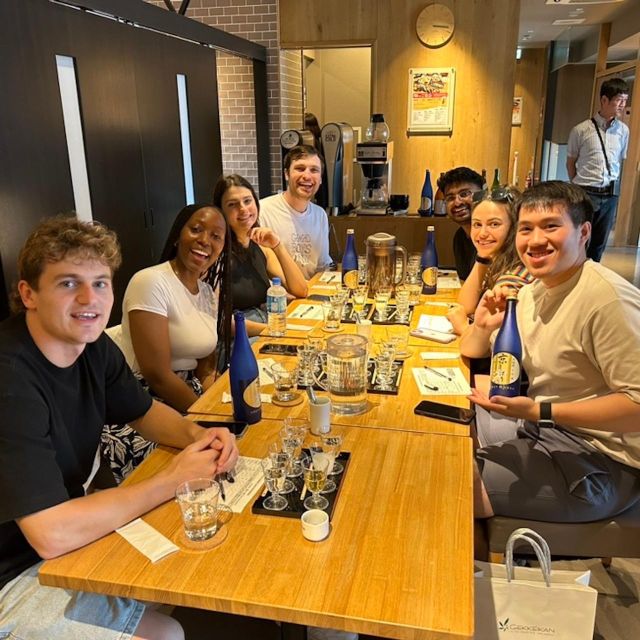
You may begin with a lighter or cleaner style, then move toward sake with more sweetness, aroma, or body. The guide helps you notice differences in smell, mouthfeel, finish, and balance. You do not need a trained palate. Simple reactions such as too dry for me, fruity but easy to drink, or better with food are enough.
This is where the session earns its price. At $66 per person, you are paying for more than alcohol. You get a structured explanation, several tastings, food, a printed reference guide, and the chance to ask questions in real time. If you bought several bottles at random, you could spend more and learn less.
The serving sizes are generous enough for proper comparison, but the format remains a tasting rather than an evening of drinking. Pace yourself and use the food. Sake can seem stronger when you arrive hungry, a point worth taking seriously since one person specifically advised eating before the session.
The guide also helps you identify your own preference instead of steering you toward a single answer. That matters because there is no one best sake. A person who loves crisp, dry sake may have very different tastes from someone who prefers soft, sweet, floral bottles.
Why the Otsumami Pairings Matter
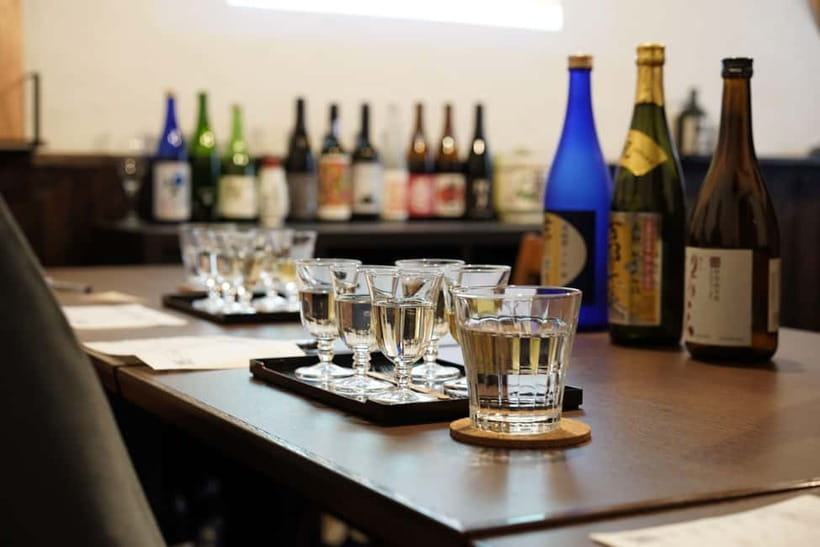
The small Japanese appetizers are not just something to nibble while you drink. They are part of the lesson.
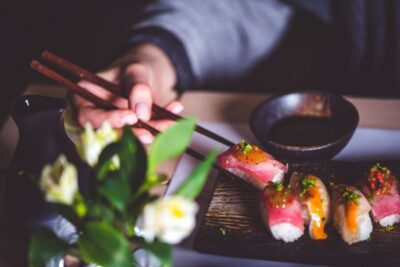
First, you taste the sake by itself. Then you try it with otsumami and pay attention to what changes. A dry sake may feel gentler with food, while a fruity style may seem different beside a salty or savory bite. The point is not to find one perfect pairing, but to see how food can alter your impression of the drink.
This exercise is one of the most valuable parts for anyone planning to eat well in Japan. You may discover that a sake you would not order alone works very well with dinner. One tasting exercise even changed a participant’s opinion of several pours after food was added.
The food is described as small dishes, not a meal. I would have a light snack before arriving, especially if you are not used to alcohol or plan to continue drinking afterward. You can tell the guide about food preferences or allergies at the site, and vegetarian replacements have been accommodated successfully.
The pairings also make the class more social. You have something to discuss besides the technical details, and the atmosphere remains relaxed. Guides such as Mayo and Kotaro are known for combining clear explanations with humor, while Kiyomi and Greg have been praised for being patient, warm, and attentive.
More drinks tours around Japan:
- Tokyo Bar Hopping Tour in Shinjuku (All-You-Can-Drink + Dinner)
★ 5.0 · 3,587 reviews - Best of Shinjuku: Izakaya Food Tour (4 Stops, 14+ Tastings)
★ 5.0 · 1,863 reviews - Tokyo: Shinjuku Local Bar and Izakaya Guided Walking Tour
★ 4.9 · 1,794 reviews - Shibuya Meltdown Nightlife Tour: All-You-Can-Drink Bar Hopping
★ 5.0 · 1,058 reviews
Learning to Read a Sake Bottle
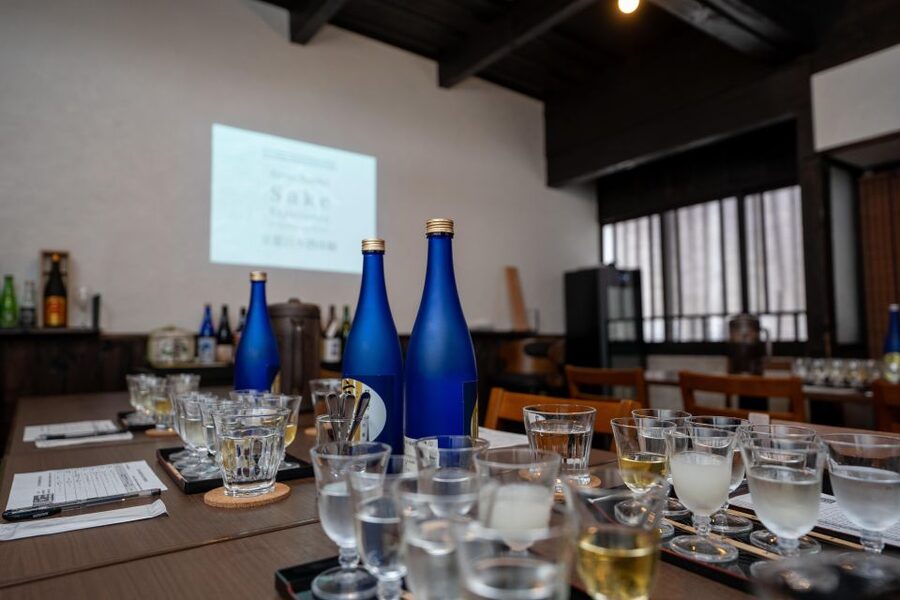
For many people, this is the part they remember most after returning to a restaurant or liquor shop.
Your guide shows you how to find useful information on a bottle and menu. You learn to connect the label with the style in your glass, rather than picking based only on price or appearance. You also get a practical exercise that lets you find key details on an actual bottle.
The cheat sheet gives you something to refer to later. That is important because sake terminology is not easy to retain after a busy day of sightseeing. Keep it in your day bag or photograph it before moving on.
This lesson will not make you a sake expert in 90 minutes, and it does not need to. It gives you enough confidence to ask better questions. You can tell a server that you prefer something dry, light, aromatic, or slightly sweet, then understand the recommendation more clearly.
You also learn how to select a bottle for yourself. Some participants have gone on to buy favorites after the session, which is a good sign that the class connects tasting with real decisions.
Hot, Cold, and Food-Friendly Sake
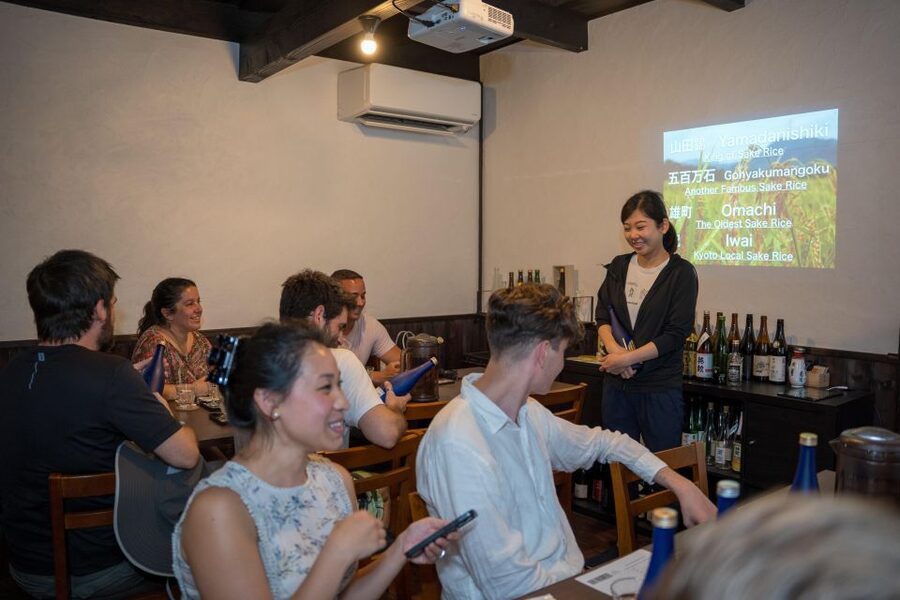
The experience covers how sake may be enjoyed at different temperatures. This is useful because many first-time drinkers assume all sake should be served warm, or that chilled sake is always superior.
Your guide explains when hot or cold service can suit a style. Temperature changes aroma and texture, so the same drink can give a different impression depending on how it is served. The lesson helps you ask for the style you want instead of accepting whatever arrives.
Food pairing advice is another strong practical feature. You learn which kinds of sake may work well with sushi and how to think about pairings more generally. The advice is not limited to formal meals. It can help when you are choosing a bottle to go with small plates, grilled food, or snacks.
I would pay attention to the vocabulary used by your guide, then repeat it when ordering later. You do not need perfect Japanese. Knowing how to describe your taste is the real advantage.
The Guides Make the Difference
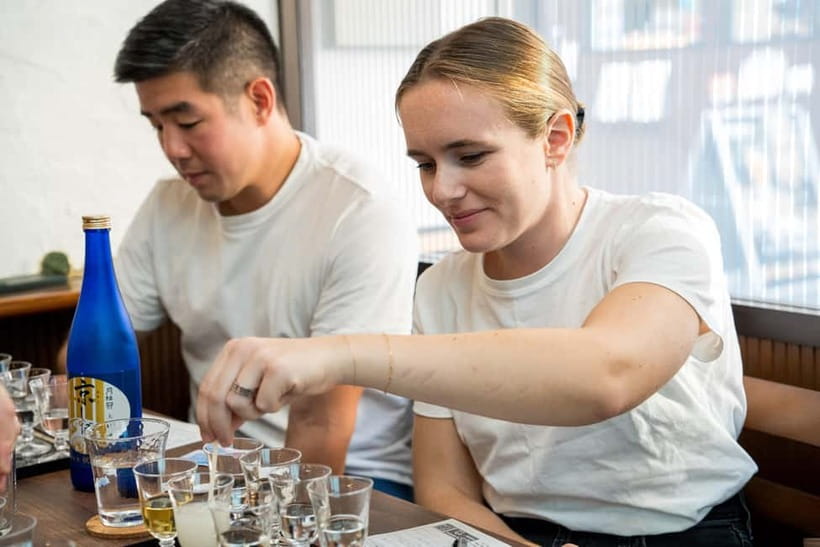
The guide can shape the entire experience, and this session has a rotating team rather than one fixed presenter. Names associated with the experience include Mayo, Kotaro, Kiyomi, Greg, Rieko, Shogo, Yui, and Mai.
Mayo is often noted for humor, energy, and clear instruction. Kotaro brings a friendly, patient approach and explains how to choose and pair sake. Kiyomi has been praised for making the class both informative and amusing, while Greg is described as thorough and attentive.
Shogo’s presentation has included a hands-on bottle-reading exercise, and Rieko has led a structured session with a clear progression between tastings. The exact guide depends on the date, but the format is built around conversation and questions rather than a lecture you simply sit through.
That makes this a good choice for a first sake experience. You can ask basic questions without feeling out of place. A person trying sake for the first time can still find a style they enjoy, while someone who already orders it can sharpen their understanding.
Setting, Timing, and Practical Details
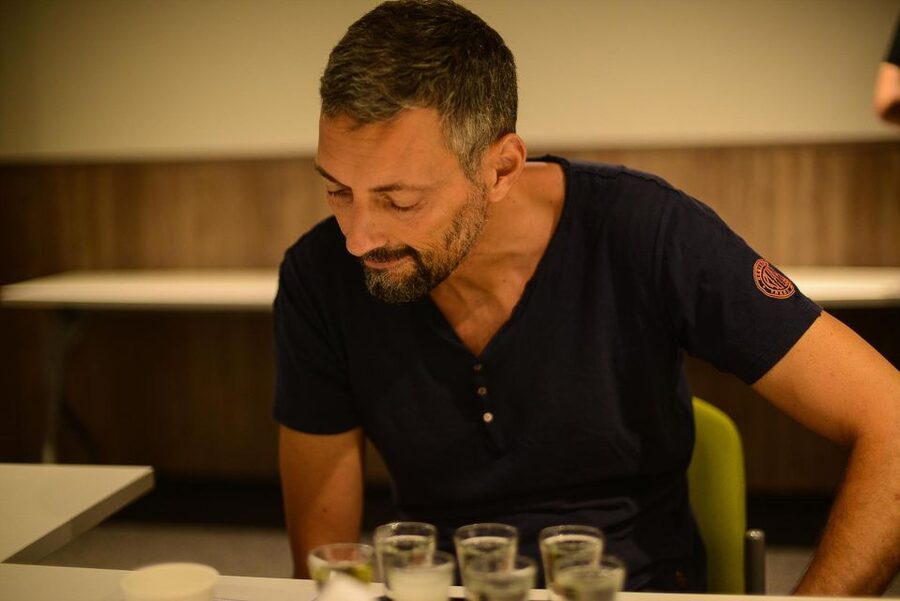
The dedicated tasting room provides a warm, intimate setting rather than a noisy bar. A small group can make it easier to ask questions and compare reactions, although the exact group size is not specified and may vary.
The session lasts 90 minutes. I would schedule it when you have enough time to enjoy the class without rushing to a major attraction. It can work well before dinner, but remember that the food served is only a tasting portion.
The meeting point is straightforward: speak to staff at the counter when you arrive. There is no hotel pickup or transport included, so you must make your own way there.
Arrive on time. If you are more than 20 minutes late, the booking is canceled. Bikes are not allowed, and alcohol cannot be served to anyone who arrives by car or bicycle for safety and legal reasons. Nonalcoholic drinks are available in that situation, but there is no refund if you cannot take part in the sake tasting.
Strong fragrances are also not allowed. This makes sense in a tasting room, where perfume or cologne can interfere with everyone’s ability to smell the sake.
Free cancellation is available up to seven days before the experience for a full refund. Check the available start times when booking, since the 90-minute duration does not mean you can arrive at any time.
Who Should Book This Experience
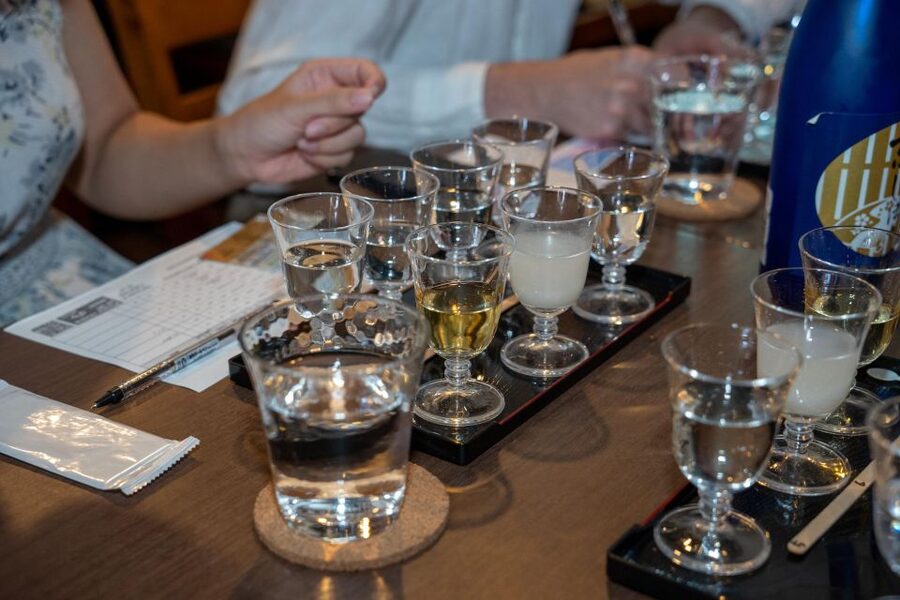
I would recommend it most strongly if you enjoy Japanese food but feel lost when faced with a sake menu. The bottle-reading practice and pairing lesson give you tools you can use immediately during the rest of your trip.
It also suits people who think they do not like sake. The tasting includes several styles, so you are not judging the entire drink by one warm cup or one very dry bottle. You may find a sweeter, fruitier, or cleaner style that fits your taste.
Couples, friends, and parent-and-adult-child groups can all get something from the session. One person described it as a highlight of a ten-day Japan trip, while another said it was particularly useful for choosing a bottle with confidence.
This is not suitable for young children, pregnant women, or people under 19. Japan’s legal drinking age is 20, and anyone under 20 receives only nonalcoholic drinks. Guests without reservations, including children and non-drinkers, cannot join, so do not assume you can bring someone along at the last minute.
Is $66 a Fair Price?
At $66, this is not the cheapest way to sample alcohol in Kyoto. It is a fair price if you value instruction, comparison, and food rather than simply wanting a quick drink.
You receive roughly seven substantial tastings, otsumami, an English-speaking certified sake expert, tasting notes, and a reference sheet. The lesson about labels alone can save you from buying a bottle you will not enjoy later.
The value is strongest for beginners. If you already know the main sake styles, can read Japanese labels, and regularly choose bottles with confidence, you may find the introductory material familiar. The provider may offer an advanced option in the future, but the details of that course are not included here.
For most visitors, I would treat the fee as a short food-and-drink class rather than a bar bill. That makes the cost easier to justify, especially in Kyoto, where a well-planned activity can add more to your trip than another generic stop.
Should You Book the Kyoto Insider Sake Experience?
Book it if you want to understand sake well enough to order it on your own. The strongest reasons are the side-by-side tasting, the food comparison, and the practical bottle-reading lesson.
Skip it if you want a full meal, a brewery visit, or a casual drop-in drink without instruction. You must reserve in advance, arrive sober enough to participate properly, and follow the car, bicycle, age, and fragrance rules.
For a first introduction to Japanese sake, I think the format works very well. You leave with a clearer sense of your taste, a few favorite styles, and a cheat sheet that can guide your next restaurant order.
FAQ
How long does the Kyoto sake experience last?
The experience lasts 90 minutes.
How many sake tastings are included?
The tasting is generally presented as seven generous sake tastings. The activity information also notes that more than 10 types may be selected by a certified sake sommelier, so the exact selection can vary.
Is the experience held in English?
Yes. The live guide leads the tasting in English.
What food is served?
You receive otsumami, or traditional Japanese appetizers, for pairing with the sake. The portions are tasting portions, not a full meal.
Can vegetarian food be requested?
Yes. You should tell the guide at the site about vegetarian needs, food preferences, or allergies. Vegetarian substitutions have been accommodated.
Can someone under 20 drink sake during the experience?
No. Japan’s legal drinking age is 20. People under 20 receive only nonalcoholic drinks.
Can I arrive by car or bicycle?
You may arrive by car or bicycle, but alcohol will not be served for safety and legal reasons. Nonalcoholic drinks are available, and there is no refund if you cannot take part in the sake tasting. Bikes are also listed as not allowed.
What happens if I arrive more than 20 minutes late?
Your booking will be canceled if you are more than 20 minutes late. Speak to the staff at the counter when you arrive, and avoid strong fragrances during the experience.
Freshly poured around Japan
- Osaka: Bar-Hopping Night Tour in Namba★ 4.7 · 117 reviews
- Osaka Sake Tasting with Takoyaki Cooking★ 5.0 · 156 reviews
- Osaka: Guided Pub Crawl★ 4.4 · 331 reviews
- Nagano: Snow Monkeys, Zenkoji Temple & Sake Day Trip★ 4.9 · 833 reviews
- Kyoto: Sake Brewery and Tasting Tour in Fushimi★ 4.8 · 55 reviews
- Kyoto: Afternoon Japanese Izakaya Cooking Class★ 4.9 · 241 reviews
- Kobe: Guided Sake Breweries Tour with Tastings★ 5.0 · 55 reviews
- 1-Day Snow Monkeys, Zenko-ji Temple & Sake in Nagano★ 5.0 · 1,020 reviews
Sake Tastings, side by side.
1-Day Snow Monkeys, Zenko-ji Temple & Sake in Nagano
Read our review →
3-Hour Kyoto Insider Sake Brewery Tour with Tastings & Pairings
Read our review →
Nagano: Snow Monkeys, Zenkoji Temple & Sake Day Trip
Read our review →
Kyoto: Insider Sake Brewery Tour with Sake and Food Pairing
Read our review →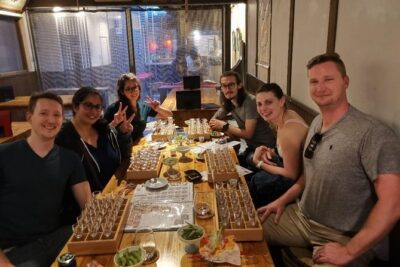
Düsseldorf: Sushi, Sake & Japanese Lifestyle Tour
Read our review →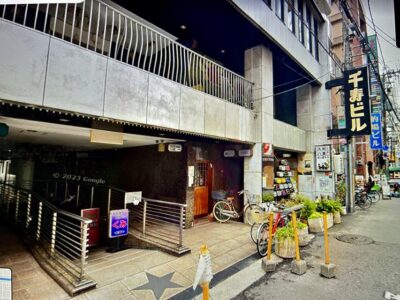
Lists this tasting sits in