
Review · OSAKA
Osaka Sake Tasting with Takoyaki Cooking
Osaka’s signature food and Japan’s most interesting drink come together in one small, friendly class. You make your own takoyaki, turning batter and fillings into crisp little octopus balls, then sit down with sake selected and explained by Momo, a trained sake sommelier and former brewer.
I like two things right away: the class is limited to six people, so questions do not get lost, and the sake lesson has a useful purpose. You are not just tasting random pours. You learn how sake is made, how styles differ, and how to choose a bottle later in Japan. The only real caution is that $70 is a serious price for two hours, and the sake servings can be generous, so this is not merely a light tasting.
Key points
- Cook Osaka’s street-food classic: Make takoyaki from scratch, then fill some with octopus, wagyu beef, cheese, kimchi, corn, or other ingredients.
- Learn from Momo: Your English-speaking host is a sake sommelier and former brewer who explains production, styles, flavor, and ordering tips.
- Taste beyond one standard pour: More than 10 Japanese sakes are available, with a seasonal selection chosen by the sake expert.
- Keep the group small: A maximum of six people makes this more personal than a large cooking demonstration.
- Finish with food and drink together: The class cooks first, then pairs your handmade takoyaki with sake.
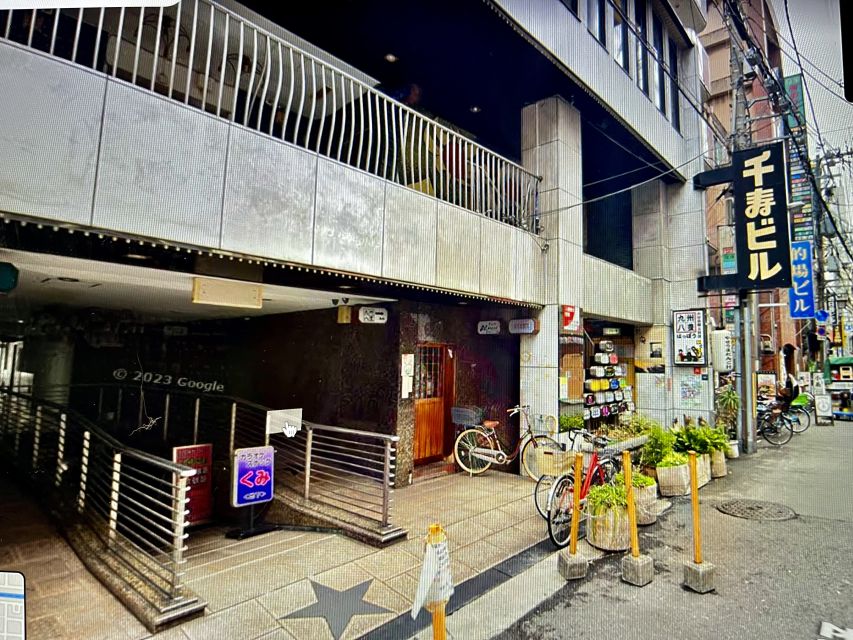
- Reach it from Namba: The meeting point is MOMO to SAKE, on the second floor of the building, near Osaka’s main entertainment area.
Why this Osaka class works so well
This is a good match for you if you want more than a quick plate of street food. Takoyaki is easy to find around Osaka, but eating it from a vendor and making it yourself are different experiences. You learn why the soft batter, hot pan, turning technique, sauces, and toppings matter.
The sake portion adds another layer. Many visitors know sake only as a clear drink served warm. Momo explains the drink as nihonshu, including its history, culture, brewing process, and broad range of flavors. That short lesson can change the way you order at a sake bar later.
I especially like the combination because neither part feels detached from Osaka. Takoyaki is local, casual food. Sake connects you with a larger Japanese craft tradition. Put both together in a small room near Namba, and you get a social evening that feels more personal than a standard restaurant meal.
The class has earned a perfect 5 rating from 156 reviews, and the praise is unusually consistent. The strongest themes are Momo’s warmth, her clear English, her sake expertise, and the fun of making food with your own hands. That does not mean every person will value the class equally. If you dislike alcohol, want a formal brewery visit, or prefer to watch rather than cook, you may find the format less appealing.
More Sake Tastings in Japan:
- 1-Day Snow Monkeys, Zenko-ji Temple & Sake in Nagano
★ 5.0 · 1,020 reviews - 3-Hour Kyoto Insider Sake Brewery Tour with Tastings & Pairings
★ 5.0 · 917 reviews - Nagano: Snow Monkeys, Zenkoji Temple & Sake Day Trip
★ 4.9 · 833 reviews
Getting to MOMO to SAKE near Namba
The meeting point is MOMO to SAKE, located on the second floor of the building. The location is described as easy to reach from Osaka Namba, making it practical to fit into a day around Dotonbori, Shinsaibashi, or the wider Namba area.
You should allow time to find the correct entrance and floor. The activity takes place inside the venue rather than at a street stall or brewery, so look for the store name and remember that it is upstairs. Exact starting times depend on availability when you book.
The setting appears to be intimate rather than spacious. That is useful for the lesson, since Momo can speak directly with the group and guide each person at the pan. It also means you should not expect a large, theatrical cooking show. This is a hands-on class where you take part.
Making takoyaki from batter to plate
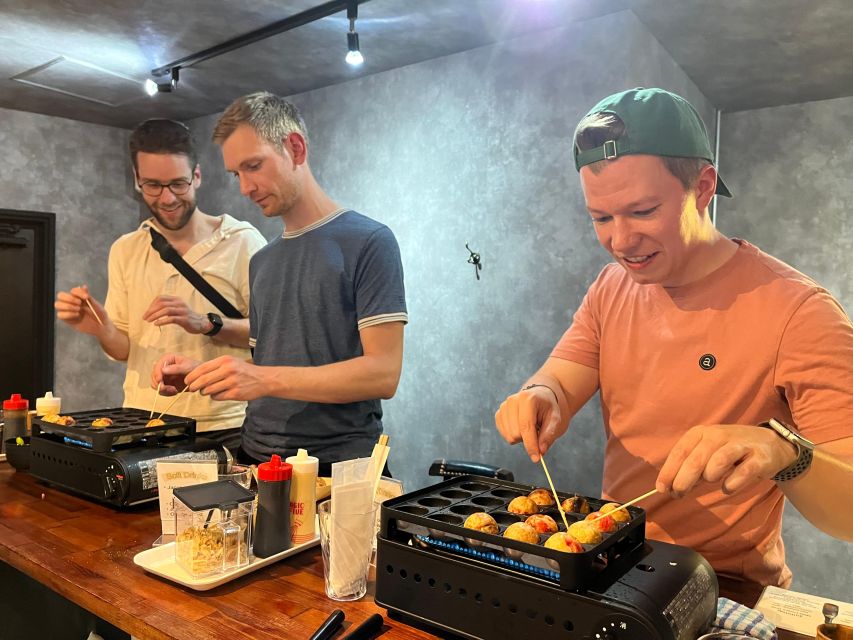
The cooking section comes first. You receive the ingredients and instructions, then learn how to cook takoyaki in the round cavities of a special pan. At first, the batter can look loose and difficult to control. The turning stage is where the fun begins, as you shape the partly cooked balls with picks until they become neat rounds.
Momo supplies a secret recipe and additional fillings beyond the standard octopus. You may make versions with wagyu beef, cheese, kimchi, and corn, along with the classic octopus filling. This matters if someone in your group does not eat octopus, since the class can be adapted around different tastes.
One useful detail is that the cooking is genuinely interactive. You are not handed a finished plate after watching Momo work. You do the turning yourself, with guidance when needed. That creates a little chaos, but it also gives you a new appreciation for the speed and skill of Osaka’s takoyaki vendors.
The food is served after cooking, alongside the sake. You should arrive hungry. The portions and sake pours have been described as generous, and some people have found they had more food and drink than they could finish. Water and soft drinks are available, which helps keep the pace comfortable.
The end result is not meant to be judged like a cooking-school exam. Your takoyaki may be uneven, but that is part of the charm. What matters is that you learn the method and get to eat the food while it is fresh and hot.
Momo’s sake lesson is the heart of the class
After the cooking, Momo guides the sake tasting. Her background is a major reason to book this particular class. She is a sake sommelier and former brewer, so she can explain both the finished drink and the process behind it.
The lesson covers the basics of sake, including history, culture, brewing, types, grading, and flavor. Momo also explains how to taste properly and how to notice differences between styles. The aim is not to turn you into a sake professional in two hours. It is to give you enough useful language and confidence to make better choices at a bar, restaurant, or bottle shop.
I like this practical angle. You do not need to memorize technical terms. Instead, you can learn what you like, identify flavors that suit you, and ask more precise questions when ordering. One person may prefer a lighter, cleaner sake, while another may enjoy something fuller or more aromatic. Momo helps connect those preferences with the bottles in front of you.
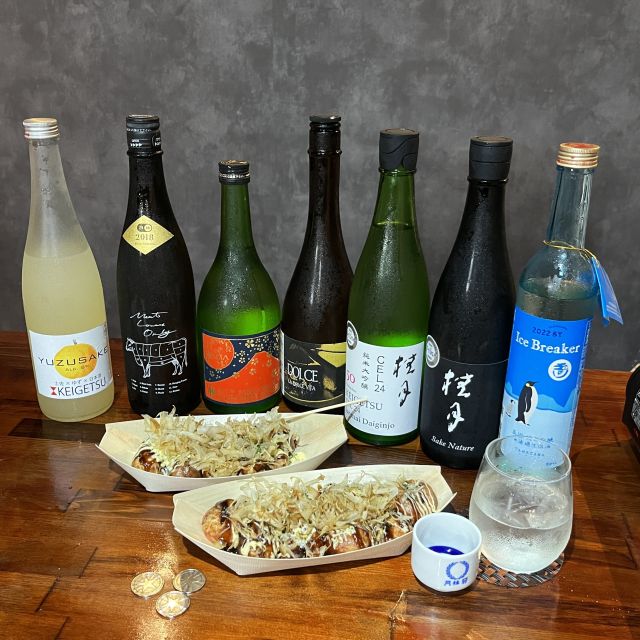
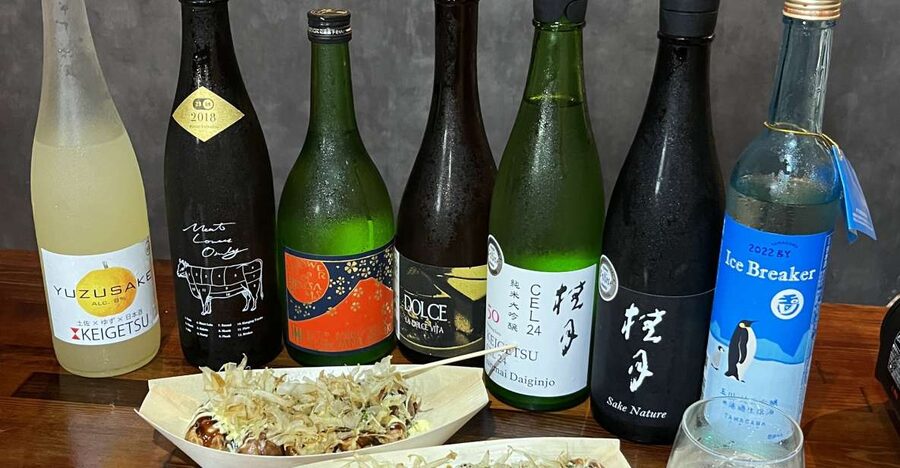
The menu includes more than 10 types of Japanese sake, with seasonal selections chosen by the expert. The exact number you taste may vary. Past sessions have included several generous pours, sometimes seven or eight, but the description promises access to a broad selection rather than a fixed number of samples.
That distinction is worth noting. If you expect to taste every bottle available, this is not the right assumption. The value comes from having Momo select and explain suitable options, not from racing through a long list.
More Cooking Classes in Japan:
- Kyoto: Afternoon Japanese Izakaya Cooking Class
★ 4.9 · 241 reviews - Rome: Pasta Making Class with Wine, Limoncello, and Dessert
★ 4.9 · 3,177 reviews - Rome Cooking Class: Make Pasta and 3 Spritz Cocktails
★ 5.0 · 2,937 reviews - Barcelona Paella Cooking Class with Market Visit, Tapas & Sangria
★ 5.0 · 2,531 reviews
Tasting sake with takoyaki
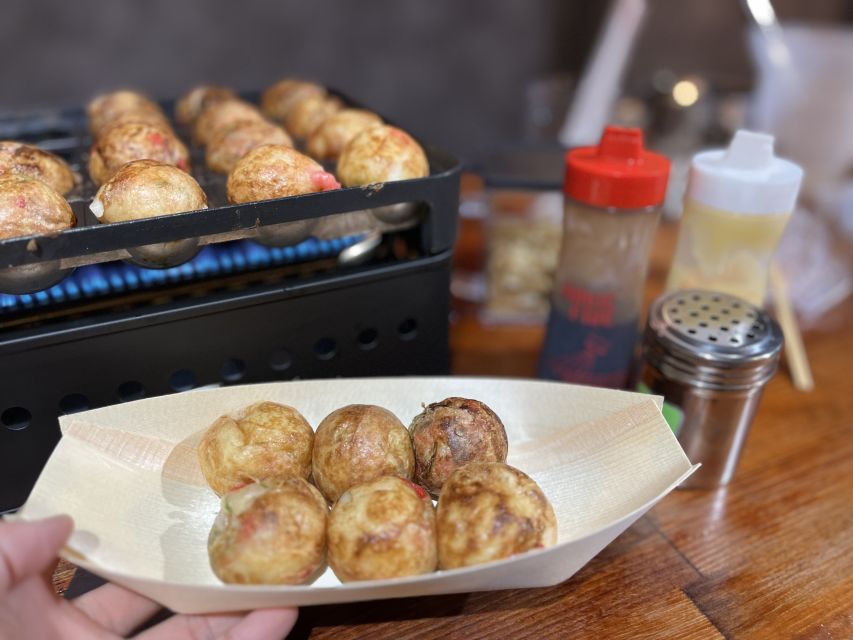
The order of the evening makes sense. You cook first, then taste the sake with the finished food. This keeps the tasting grounded in an actual meal rather than a string of isolated samples.
Takoyaki has a soft center, a savory filling, sauces, and toppings. Those flavors can make sake easier to understand because you can notice how each style works with food. Momo can also suggest which sake suits your palate, rather than asking you to choose blindly from unfamiliar labels.
Some sessions include a dessert, though this is not listed as a formal inclusion, so I would not book the class expecting one. The confirmed food element is the takoyaki you prepare, with all cooking ingredients supplied.
The alcohol deserves a clear warning. This is not just a symbolic sip of sake. The pours can be substantial, and the activity finishes with drinking the selections alongside your food. Eat beforehand only if you need a small snack, but do come ready for a full meal and pace yourself.
Soft drinks are included, making the experience workable for people who do not drink. Families have also attended, with children enjoying the takoyaki while adults tasted sake. Still, the central focus is sake, so a group made up entirely of non-drinkers would not get the full value.
A small group makes the class personal
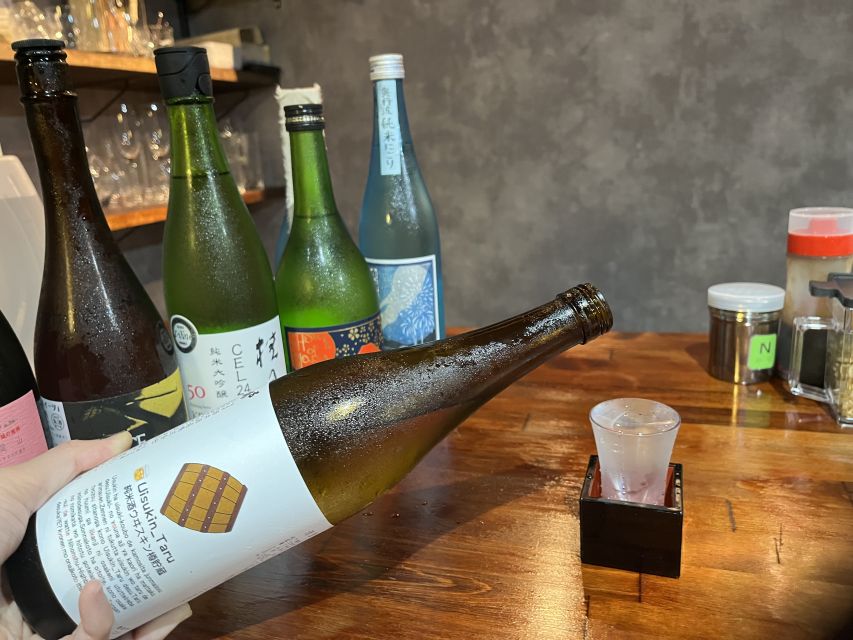
The maximum group size is six. That number is large enough for conversation but small enough for Momo to answer individual questions and help at the pan.
A couple might share the class with another couple, while some dates could feel nearly private if few places are booked. One past participant had a one-on-one session, and other small groups described the atmosphere as similar to spending time with a friend. The exact group size will depend on bookings, so you should not assume a private lesson.
This format suits curious beginners. You can ask basic questions without feeling awkward, and Momo can adjust her explanations to the group. She also speaks English and Japanese, with English used for international visitors.
The friendly tone is a large part of the appeal. The class is educational, but it is not stiff or formal. Momo’s humor and easy conversation help keep the sake lesson approachable, especially if Japanese drink terminology feels intimidating.
There is also room for wider conversation. Momo has answered questions about daily life in Japan and suggested nearby local bars after class. Those suggestions are not a promised part of the itinerary, but the small-group setting gives you a better chance to ask for personal recommendations.
Dietary needs and family considerations
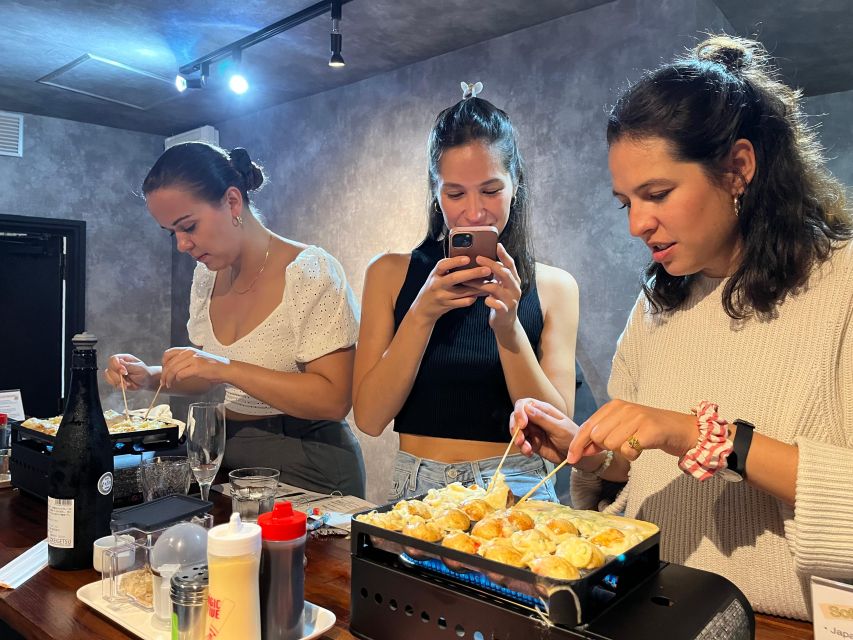
The class has shown flexibility with food preferences. A person with coeliac disease was accommodated, and octopus-free fillings such as beef and cheese are available. You should still tell the provider about allergies or dietary restrictions before arrival, since the supplied information does not list a full allergen policy or guarantee a particular substitution.
Children can take part in the cooking and have soft drinks while adults taste sake. That makes the activity more family-friendly than the alcohol focus might suggest. Even so, parents should remember that the class includes real sake tasting and generous pours, so the adults in the group should be comfortable with that setting.
Vegetarians, people with serious allergies, and anyone with strict dietary requirements should ask in advance. The available information supports some flexibility, but it does not promise every dietary arrangement.
Is $70 a fair price?
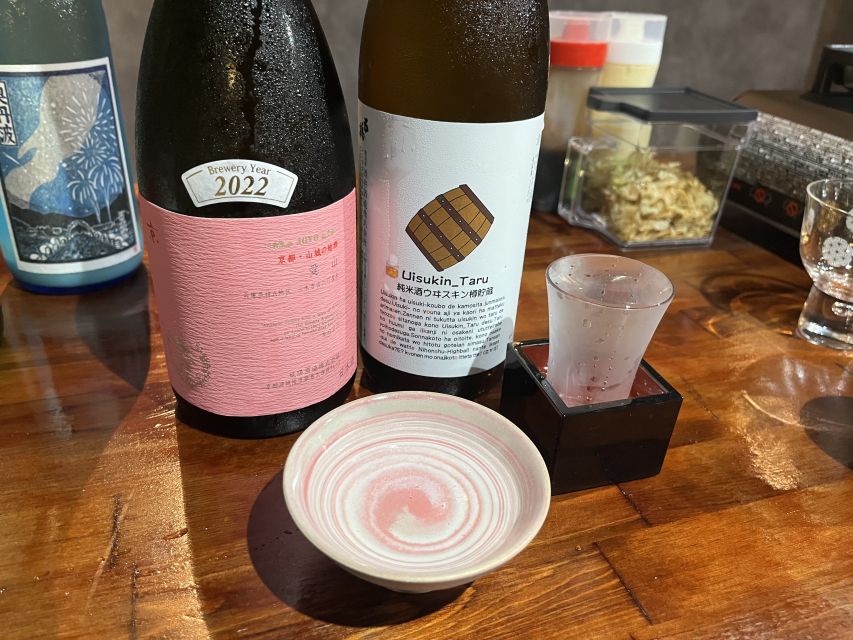
At $70 per person, this is not the cheapest way to eat takoyaki in Osaka. You can buy the street food for far less. You are paying for the instruction, all ingredients, a small group, a sake lesson led by a specialist, and several tastings from a seasonal menu.
The value improves if you are interested in sake. A short restaurant tasting may give you a few pours without explaining why they differ. Here, you leave with a working sense of sake styles and a better idea of how to order on the rest of your trip.
The price also covers an activity that occupies two hours and serves as both a meal and a cultural lesson. If Momo’s guidance helps you choose bottles you genuinely enjoy later, the class can pay off beyond the afternoon or evening itself.
I would call it good value for a food and drink class, but not an automatic bargain for everyone. Someone who only wants cheap local food should skip it. Someone who wants an easy, social introduction to takoyaki and sake will likely find the price reasonable, particularly with the small group and broad selection.
When to book and what to know
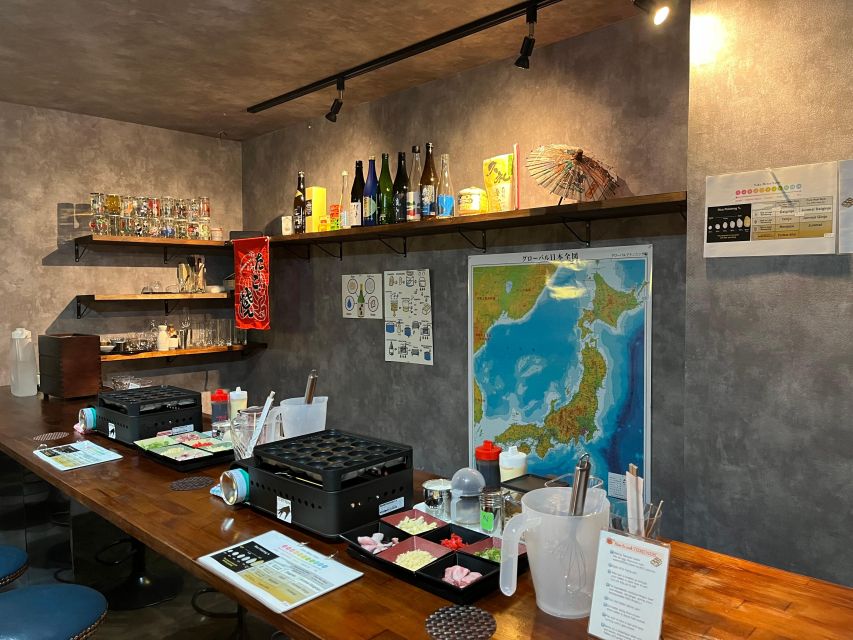
The activity lasts two hours, and starting times vary by availability. It is sensible to place it early in your Osaka visit if you plan to visit sake bars afterward. You will have more confidence ordering once you know which styles and flavors suit you.
The venue is near Namba, so it can fit well before or after time around Osaka’s main food and nightlife areas. Because the class includes alcohol, avoid scheduling it immediately before a demanding sightseeing plan.
Free cancellation is available up to 24 hours before the activity for a full refund. You can also reserve now and pay later, which helps if your Osaka schedule is still changing.
For the smoothest visit, arrive ready to cook, eat, and ask questions. Wear something you are comfortable moving around in, though no special clothing requirement is provided. Most important, do not treat the sake as tiny ceremonial samples. The class can be more substantial than its title first suggests.
Who should book this Osaka experience?
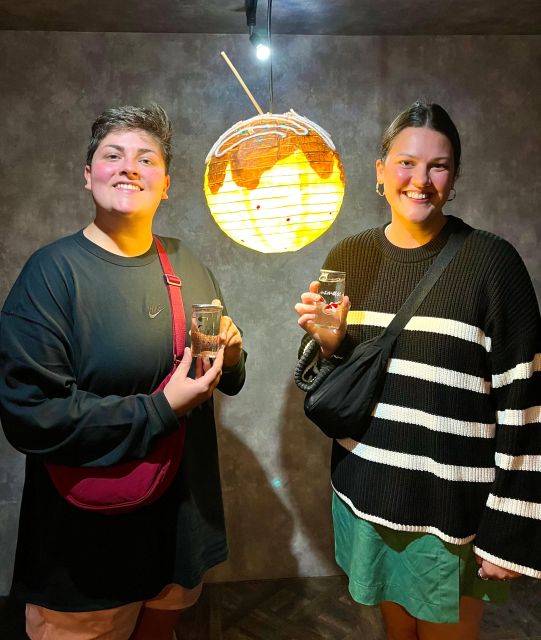
I would recommend it most strongly to:
- First-time sake drinkers who want clear guidance without a formal lecture.
- Food lovers who want to understand how takoyaki is made.
- Couples and small groups looking for a shared activity near Namba.
- Families where adults want sake and children want a hands-on cooking activity.
- Visitors planning to explore Osaka’s sake bars after the class.
- Anyone who enjoys meeting a local host and asking questions about Japan.
I would be more cautious if you do not drink alcohol, dislike group cooking, have strict dietary needs that have not been confirmed, or want a brewery tour with industrial equipment and production rooms. This is a small food-and-drink class, not a full-day sake study.
Should you book it?
Book this if you want a relaxed, personal introduction to two Osaka favorites. The strongest reason is the combination of Momo’s sake instruction and the chance to make your own food. You get practical information, a filling meal, and a social evening in one compact activity.
The main trade-off is cost and alcohol volume. At $70, it asks more than a casual takoyaki stop, and the tasting can involve several full pours. If that sounds enjoyable rather than excessive, this is one of the better ways to get beyond Osaka’s food surface and learn how to order sake with confidence.
FAQ
How long does the Osaka sake and takoyaki experience last?
The activity lasts two hours.
Where is the meeting point?
Meet at MOMO to SAKE, on the second floor of the building. The venue is easily reached from the main Osaka Namba area.
How many people can join the class?
The group is limited to six participants.
What languages are available?
The instructor speaks English and Japanese.
How many types of sake can I taste?
More than 10 types of Japanese sake are available. The exact number you taste can vary, with a seasonal menu selected by the sake expert.
Is food included?
Yes. All cooking ingredients are included, and you make and eat your own takoyaki. Soft drinks are also available.
Can I cancel for a full refund?
Yes. You can cancel up to 24 hours in advance for a full refund. You can also reserve now and pay later.
Freshly poured around Japan
- Osaka: Bar-Hopping Night Tour in Namba★ 4.7 · 117 reviews
- Osaka: Guided Pub Crawl★ 4.4 · 331 reviews
- Nagano: Snow Monkeys, Zenkoji Temple & Sake Day Trip★ 4.9 · 833 reviews
- Kyoto: Sake Brewery and Tasting Tour in Fushimi★ 4.8 · 55 reviews
- Kyoto: Afternoon Japanese Izakaya Cooking Class★ 4.9 · 241 reviews
- Kobe: Guided Sake Breweries Tour with Tastings★ 5.0 · 55 reviews
- Kyoto: Insider Sake Experience with 7 Tastings and Snacks★ 5.0 · 266 reviews
- 1-Day Snow Monkeys, Zenko-ji Temple & Sake in Nagano★ 5.0 · 1,020 reviews
Sake Tastings, side by side.
1-Day Snow Monkeys, Zenko-ji Temple & Sake in Nagano
Read our review →
3-Hour Kyoto Insider Sake Brewery Tour with Tastings & Pairings
Read our review →
Nagano: Snow Monkeys, Zenkoji Temple & Sake Day Trip
Read our review →
Kyoto: Insider Sake Brewery Tour with Sake and Food Pairing
Read our review →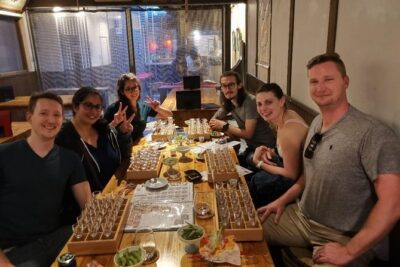
Düsseldorf: Sushi, Sake & Japanese Lifestyle Tour
Read our review →
Kyoto: Insider Sake Experience with 7 Tastings and Snacks
Read our review →
Lists this tasting sits in