
Review · WORLDWIDE
Bratislava: Wine Tasting with Sommelier
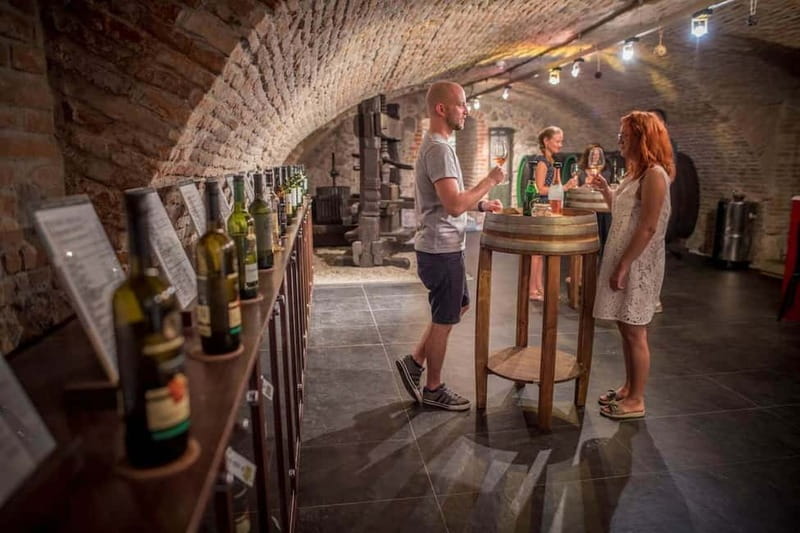
Slovakia’s wine story comes into focus in a historic cellar beneath Bratislava’s Apponny Palace. Here, the National Collection of Wines presents the country’s top 100 bottles, and your sommelier helps you taste across six wine-growing areas without leaving the city center. I especially like the personal tasting style and the chance to try wines that are not widely exported.
I also like the good value: $22 can cover five generous pours, depending on the program you choose. The main drawback is that the experience can feel brief or slightly awkward if you are alone, and some guests spend the tasting standing beside a barrel. Snacks are not included, so eat beforehand if wine on an empty stomach is a bad plan for you.
Key points at a glance
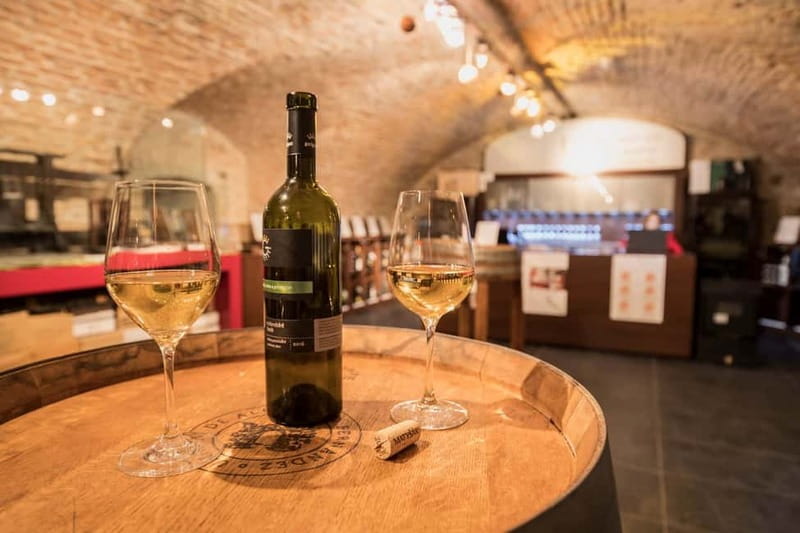
- Taste six Slovak wine areas: The program gives you a useful sample of the country’s regional styles.
- Choose your tasting size: Pick three wines, five wines, or a longer tasting with access to as many as 72 Slovak wines.
- Meet a real sommelier: Your English-speaking host explains grapes, regions, aromas, and taste, then adjusts the pours to your preferences.
- Step into Apponny Palace: The tasting takes place in a stylish historic cellar belonging to the Museum of Viticulture and Enology.
- Expect generous pours: Several sessions include larger tasting measures than you might expect at this price.
- Plan for a simple setting: There may be no snacks, music, or seating, and the entrance can take a little effort to find.
Inside Bratislava’s National Collection of Wines
This is not a vineyard tour. You will not ride into the countryside or walk among vines. Instead, you get a compact introduction to Slovak wine in the middle of Bratislava, which makes it easy to fit around sightseeing, a river cruise, or an afternoon in the old town.
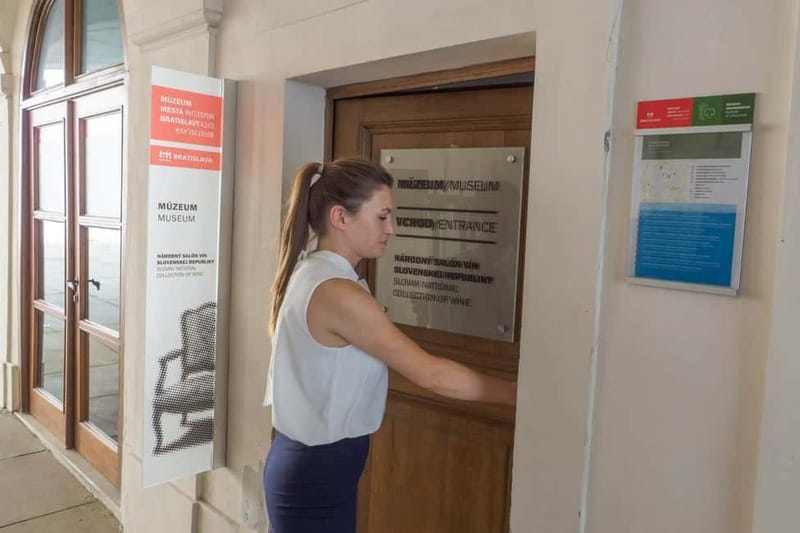
The tasting takes place in the Slovak National Collection of Wines, part of the Museum of Viticulture and Enology in Apponny Palace. The collection gathers the top 100 Slovak wines selected by oenologists, sommeliers, winemakers, and the National Wine Salon of the Slovak Republic.
That selection gives the experience a clear purpose. You are not simply drinking whatever happens to be open behind a bar. You are sampling bottles chosen to represent the best of the country’s wine production. For visitors who know little about Slovak wine, this is a neat way to get oriented quickly.
The cellar itself is part of the appeal. Expect old stone, underground rooms, barrels, and a quiet atmosphere rather than a polished modern tasting room. One especially interesting detail is the explanation of tunnels and cellars beneath Bratislava, including how such spaces were used during occupation periods. That piece of local context helps turn a wine stop into a small cultural experience.
The location also matters. You can reach it while exploring central Bratislava, and one tasting worked well for a visitor arriving from a river cruise. It is close to the river dock, so you may be able to fit it between a morning excursion and an evening walk through the center.
More Wine Tasting Classes in the world:
- Paris: French Wine Tasting Class with Sommelier
★ 4.8 · 550 reviews - Porto: Douro Valley Wine Tour with a Sommelier & Boat Trip
★ 5.0 · 463 reviews - Port Wine class with 3 or 5 Port tasting and pairings
★ 4.9 · 441 reviews
Choosing between three, five, and longer tastings
You can choose between three samples, five samples, or a full program offering access to as many as 72 Slovak wines. The number of available wines does not mean you must attempt a heroic march through the entire national collection. Your actual tasting depends on the option you book and the pace of your session.
The three-wine option suits a short stop. It gives you a taste of Slovak whites, rosés, or reds without taking much time. One session included three wines and received only brief explanations, so this option may feel more like an introduction than a full lesson.
The five-wine tasting is the best middle ground for most people. It gives the sommelier room to show differences between styles and regions, while keeping the visit under an hour in many cases. Several tastings included three whites, a rosé, and a red, though your selection may change according to your preferences.
The longer tasting is for people who already enjoy wine or want to compare many styles. The full selection can include up to 72 Slovak wines, with the program covering wines from six growing areas. Since the available duration ranges from 30 to 100 minutes, check the exact option before booking. A guest who chose five wines later wished for a longer session because the experience was so enjoyable.
How the sommelier shapes the tasting
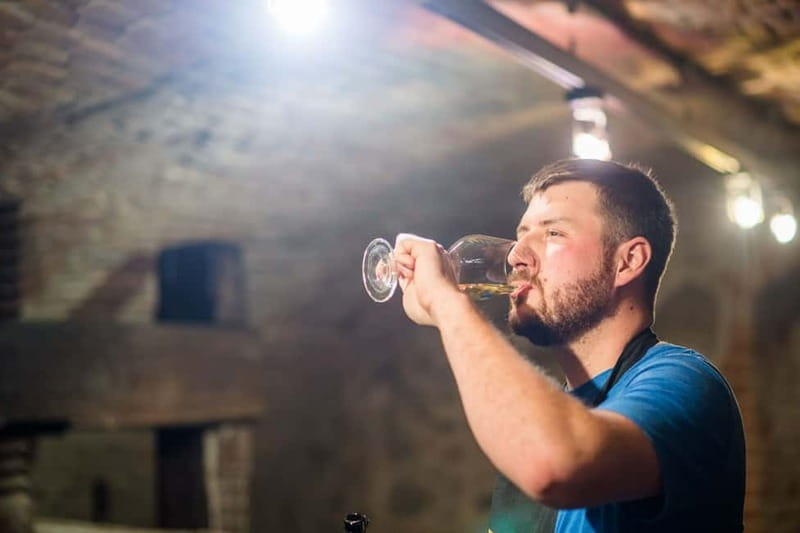
The sommelier is the heart of this activity. The setting is attractive, and the wines are the reason to come, but the explanations make the tasting useful instead of random.
Your host asks what you normally like. You might be guided toward a crisp white, a fuller red, a sweeter style, or something unusual if you want to experiment. This is helpful for beginners because you do not need to know grape names or technical tasting terms before you arrive.
The sommelier introduces each wine through its grape, region, expected flavors, and sensory character. You then taste it with a clearer idea of what to notice. The best sessions feel conversational rather than stiff. You can ask questions, compare one pour with another, and say plainly if a style is not for you.
English is the stated language, and the hosts have been praised for clear explanations and friendly conversation. Names connected with recent sessions include Simon and Peter, both noted for their warm approach and strong command of Slovak wine. Your host may be someone else, but the format remains the same: an English-speaking sommelier guides the tasting and explains the bottles in front of you.
I would not worry about being a wine expert. One of the strongest uses of this activity is for people who normally do not drink much wine. The sommelier can explain the basics without making the session feel like a lecture.
What six Slovak wine areas add to the experience
The six wine-growing areas give the tasting a useful geographic frame. You are not just trying five unrelated bottles. You are getting a chance to compare how grapes and local conditions produce different results across Slovakia.
The experience does not provide a detailed walking tour of each region, so do not expect a full geography lesson. Instead, the sommelier uses the wines in front of you to point out regional and stylistic differences. This is enough to help you decide which bottles appeal to you most.
Slovak wine is also a good choice for a city tasting because it is less familiar to many international visitors. You may recognize grape varieties, but the wines can still feel new because Slovak bottles are not as common abroad as those from France, Italy, or Austria.
If you find a favorite, take a note of the name and region. Several people wanted to buy bottles after tasting, and some did. However, wine shipping is not available on site, and hand luggage creates an obvious problem. If you are moving through several cities, buying a bottle may be more trouble than it is worth.
More Wine Tasting Tours in the world:
- From Porto: Douro Valley w/ Boat Tour, Wine Tasting & Lunch
★ 4.7 · 19,061 reviews - Complete Douro Valley Wine Tour with Lunch, Wine Tastings and River Cruise
★ 5.0 · 12,920 reviews - Florence: Chianti Wineries Tour with Wine Tasting
★ 4.5 · 10,071 reviews - From Split: Krka Waterfalls, Food & Wine Tasting Tour
★ 5.0 · 9,326 reviews
The cellar setting, from charming to slightly plain
The underground room is attractive and gives the experience a real sense of place. You are surrounded by Slovak wine in a cellar connected to the city’s wine museum, rather than sitting in a generic restaurant.
The atmosphere is quiet and intimate. A small party may receive very direct attention from the sommelier, and some sessions feel almost private. That is ideal if you want to ask questions or discuss your taste without a large group listening.
The same intimacy can feel a little odd for a solo visitor. If you are the only person booked, you may spend the session alone with the sommelier, which can feel less natural than joining a lively group. I would still consider it worthwhile if you enjoy wine and conversation, but it is not the strongest choice if you want a social activity with other people.
There are also a few comfort limits. Some tastings take place standing beside a barrel, and seating is not guaranteed. One person found the lack of chairs tiring, especially during a longer visit. Music and extra entertainment are not part of the setup either. The cellar supplies the atmosphere, while the sommelier supplies the energy.
Pace, pours, and what to expect minute by minute
A short tasting may begin with a quick introduction to the collection and the cellar. Your sommelier then asks about your preferences and starts selecting wines.
Each bottle comes with an explanation of its grape, area, and expected taste. You receive a pour, taste it, and discuss what you notice before moving on. The exact rhythm depends on the host and the program.
The pours are often generous for a tasting. That is a plus for value, but it also means you should pace yourself, especially if you choose five wines or more. There is no food included, so a light meal before the visit is sensible.
The main issue is inconsistency in pace. Some sessions allow plenty of time to enjoy each wine. Others move quickly, with several wines poured within a short period. If you want a slow, thoughtful tasting, say so at the start. The sommelier can then give you more time between samples when the schedule allows.
The experience lasts from about 30 to 100 minutes. The three-wine option may be enough for a quick pre-dinner stop. The five-wine program is better if you want conversation and comparison. The longest format deserves a clear stretch of free time rather than being squeezed between timed plans.
Is $22 good value in Bratislava?
At $22 per person, the tasting is priced well for the amount of wine and personal attention involved. The value is strongest if you choose five samples and receive the generous pours described above.
You are also paying for access to wines selected for the National Collection, not only for the liquid in the glass. The sommelier’s explanations add practical value because they help you understand what you are tasting and why one bottle differs from another.
The activity can be cheaper than wine-focused options arranged through a cruise program, particularly if you are already near the river dock. It also gives you something different from another church, museum, or city-view stop.
Still, value depends on what you want. If you dislike wine, the cellar and short cultural explanation may not be enough to justify the price. If you want a full meal, snacks, or a lively party, you will need to budget separately. And if you are hoping to bring bottles home, the lack of shipping may reduce the practical appeal.
Who will enjoy this Bratislava tasting?
I would recommend it most strongly to:
- Curious first-time wine drinkers: You can ask basic questions and learn how to taste without needing prior experience.
- Couples and small groups: The personal format works well when you want to compare reactions and preferences.
- Cruise passengers: The central location and short duration make it an easy afternoon activity.
- Wine fans seeking something less familiar: The National Collection offers a focused look at Slovak bottles that may be hard to find abroad.
- Visitors looking for a rainy-day plan: The cellar is indoors and open throughout the year.
I would be more cautious if you are traveling alone and dislike one-to-one conversation, need guaranteed seating, or want a busy group atmosphere. I would also choose the longer option if tasting slowly matters to you, since the shortest program may feel rushed.
Small practical points that make a difference
Allow extra time to find the entrance. One person found the location difficult to identify at first, and an underground museum space is not always obvious from the street.
Wear something comfortable for a cellar setting. The room is attractive, but you may be standing, particularly during a shorter tasting. Do not count on snacks, and avoid arriving hungry.
Use the booking flexibility if your schedule is uncertain. You can cancel up to 24 hours ahead for a full refund, and the reserve-now, pay-later option lets you hold a place without paying immediately.
Finally, tell the sommelier what you like. The most satisfying sessions are not fixed scripts. Your preferences help determine the bottles, so mention if you favor dry whites, soft reds, sweet wines, or something unfamiliar.
Should you book it?
Yes, if you want a compact and fairly priced introduction to Slovak wine in a place with real local character. The best reason to book is the combination of selected national wines, a helpful English-speaking sommelier, and a central historic cellar.
Choose five wines if you have the time. It gives you enough range to compare styles without turning the visit into a marathon. Pick three if you only want a quick taste, and choose the longer program if you care more about pace and breadth than convenience.
Skip it if you need a full meal, guaranteed seating, lively group entertainment, or a way to ship wine home. For everyone else, this is a smart Bratislava stop, especially after a morning of sightseeing or a river cruise.
FAQ
Where does the wine tasting take place?
It takes place in the historic cellar of the Museum of Viticulture and Enology in Apponny Palace, in central Bratislava.
How many wines can I taste?
You can choose a program with three samples, five samples, or a longer tasting with up to 72 Slovak wines available to choose from.
Does the tasting include wines from different parts of Slovakia?
Yes. The program is designed to include wines from six Slovak wine-growing areas.
Is an English-speaking sommelier included?
Yes. An English-speaking sommelier manages the tasting and explains the wines.
Are snacks included?
No. The price includes the Slovak wine tasting and English-speaking sommelier, but snacks are not included.
How long does the activity last?
The duration ranges from 30 to 100 minutes, depending on the program you choose.
Is the tasting suitable for beginners?
Yes. The sommelier explains the wines and can select pours based on your preferences, making the activity suitable even if you do not know much about wine.
Can I buy wine or have it shipped home?
Some visitors have bought bottles, but shipping is not available on site. Hand luggage may also limit what you can take with you.
Can I cancel the booking?
You can cancel up to 24 hours in advance for a full refund. You can also reserve now and pay later.
Freshly poured around the world
- Porto: 6 Bridges Port Wine River Cruise with 4 Tastings★ 4.9 · 586 reviews
- Porto: Daytime or Sunset Douro River Cruise With Port Wine★ 4.7 · 714 reviews
- Porto: 6 Bridges Cruise & Port Wine with Sunset Option★ 5.0 · 997 reviews
- Porto: 6 Bridges Port Wine River Cruise with 4 Tastings★ 4.8 · 219 reviews
- Porto: Douro Cruise, 6 Bridges & 4 Port Wines (Max 7)★ 5.0 · 69 reviews
- Portland: Happy Hour Sightseeing Cruise★ 4.6 · 74 reviews
- Portland: Underground Shanghai Tunnel Tour with Beer Tasting★ 4.3 · 102 reviews
- Porto: 3 or 5 Port Wine Tasting with Pairings★ 4.9 · 152 reviews
Wine Tasting Classes, side by side.
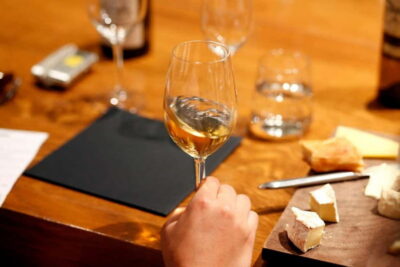
Paris: French Wine Tasting Class with Sommelier
Read our review →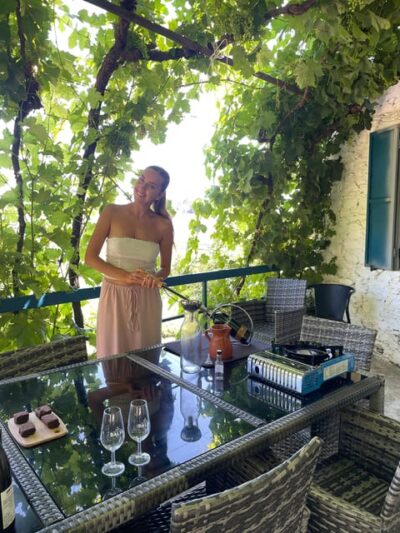
Porto: Douro Valley Wine Tour with a Sommelier & Boat Trip
Read our review →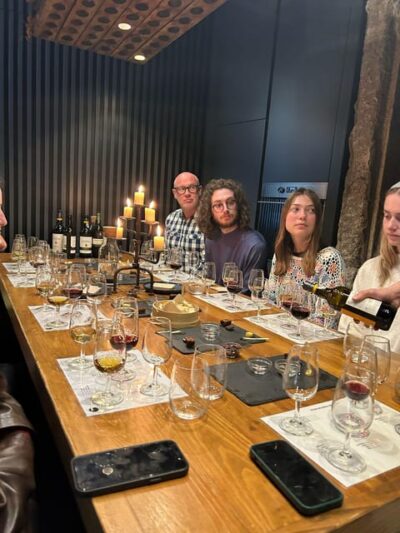
Port Wine class with 3 or 5 Port tasting and pairings
Read our review →
Athens: Wine Tasting with a Sommelier under the Acropolis
Read our review →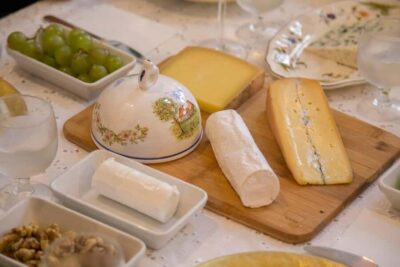
Paris: Wine and Cheese Tasting with a Chef Sommelier
Read our review →
Paris: Cheese and Wine Class in a 17th Century Cellar
Read our review →
Paris: Champagne Cellars Tour and Tastings with a Sommelier
Read our review →Lists this tasting sits in