
Review · KYOTO
Kyoto Sake Brewery & Tasting Walking Tour
Fushimi is one of Japan’s best places to learn about sake, and this three-hour tour gives you a useful mix of brewery history and local walking before the tasting begins. You’ll see how Gekkeikan developed its brewing tradition, pass the historic Teradaya site, and learn about the area’s connection to Japan’s sake trade.
I like the small group, capped at seven, which makes questions easy and keeps the tasting from feeling like a lecture. I also like the sheer range of sake included: 18 types are listed, though some outings have included 17, 21, or 22 samples. The main caution is that you visit a museum and tasting venues rather than several working breweries, so this may not suit you if you expect a full behind-the-scenes brewery tour.
Key points to know before booking
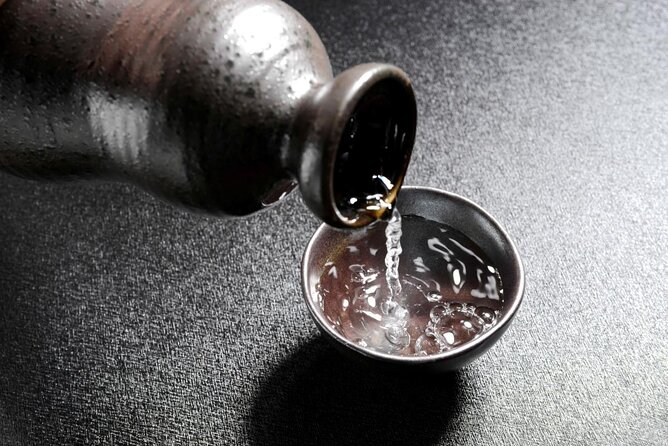
- Gekkeikan Okura Sake Museum: Spend about 30 minutes learning the basic brewing process and the long story of one of Kyoto’s best-known sake makers.
- Up to 18 tastings: The included sake set gives you a broad comparison of styles, though the number can vary by outing.
- Fushimi walking route: The tour passes Teradaya and includes the Kappa Gallery, adding local culture beyond the drink itself.
- Small groups of seven or fewer: You get more time to ask about flavors, brewing, and Kyoto.
- Food costs extra: You can buy food and additional drinks at the sake restaurant, but they are not part of the $98.82 price.
- Plan for plenty of alcohol: Eat sensibly beforehand, drink water, and remember that 18 small pours still add up.
Why Fushimi is the right place for a sake tour
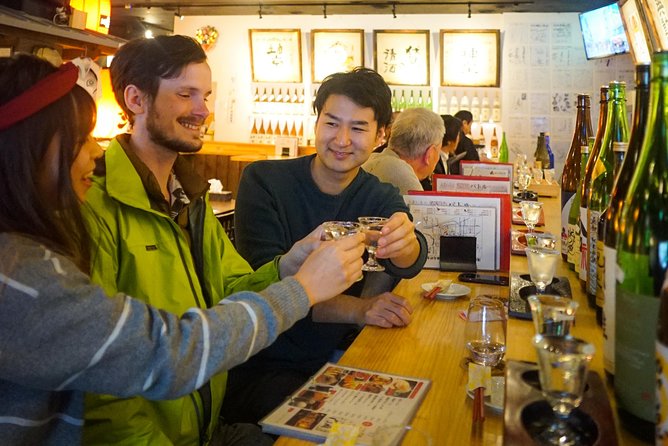
Fushimi is a historic brewery district in southern Kyoto. The area is closely tied to sake production, and the tour uses its streets to connect the drink with the place where it is made.
That setting matters. You are not simply seated at a bar and handed a flight of samples. The walk gives you a sense of how sake fits into Fushimi’s identity, while the museum supplies the basic vocabulary you need before tasting. You learn why rice polishing matters, how fermentation works, and why two clear drinks can taste so different.
The route also includes a quick look at Teradaya, a famous local site linked to Sakamoto Ryoma and the Teradaya Disturbance near the end of the Edo period. You do not visit this as a full historical stop, but passing it adds context to the walk.
The tour begins at Chushojima Station and finishes at Fushimi-Momoyama Station. That arrangement is handy if you plan to continue exploring Fushimi afterward or return toward central Kyoto by train.
More Sake Tastings in Japan:
- 1-Day Snow Monkeys, Zenko-ji Temple & Sake in Nagano
★ 5.0 · 1,020 reviews - 3-Hour Kyoto Insider Sake Brewery Tour with Tastings & Pairings
★ 5.0 · 917 reviews - Nagano: Snow Monkeys, Zenkoji Temple & Sake Day Trip
★ 4.9 · 833 reviews
Inside the Gekkeikan Okura Sake Museum
The Gekkeikan Okura Sake Museum is the main educational stop. Admission is included, and the visit lasts about 30 minutes.
Expect displays on Gekkeikan’s past and the methods used to make sake. The museum helps explain the work behind the bottle: rice preparation, fermentation, storage, and the tools used by brewers. You will not need prior sake knowledge. The guide fills in the gaps and can answer questions as you go.
Gekkeikan dates its brewing tradition to the 1600s, which gives the stop useful scale. Sake is not a new lifestyle product created for modern tourism. It is an old craft that has changed with technology, markets, and drinking habits.
One practical point is worth keeping in mind. Gekkeikan is a major, internationally active producer. It has distribution and brewing connections outside Japan, including the United States and China. That gives you a look at a traditional Kyoto sake maker with a modern reach, but it may disappoint you if you expect a tiny family brewery making bottles only sold in Fushimi.
The museum also helps prevent the tasting from becoming a blur of unfamiliar labels. You get a basic framework first, then can begin asking useful questions: Is this sake dry or sweet? Is the aroma fruity, floral, or subdued? Does it feel light, creamy, sharp, or full?
Some people feel 30 minutes is longer than necessary, especially if tasting is their main goal. I would treat the museum as preparation rather than an attraction that needs extensive study. The more attention you give the brewing displays, the more useful the later samples become.
Teradaya and the streets of Fushimi
The walk between stops is not filler. It gives you time to see Fushimi as a neighborhood instead of a collection of tasting rooms.
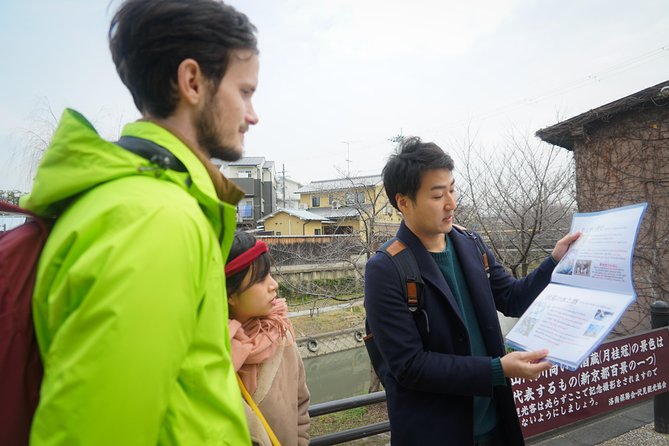
The route passes Teradaya, associated with Sakamoto Ryoma, a major figure in Japan’s late Edo period. The site is connected to the Teradaya Disturbance, an incident that helped make this modest-looking place famous.
You will not spend a long time here, and the tour is not primarily a political history walk. Still, this brief stop broadens the experience. Fushimi is known for sake, but its streets also carry stories from one of the most dramatic periods in Japanese history.
The walking portion also means you should wear comfortable shoes. The operator specifically warns that the tour is not a good choice for people who have trouble walking, although you can contact the company about arranging a private version. Kyoto summers are hot and humid, so bring water and wear a hat in warm weather.
What the Kappa Gallery adds
The Kappa Gallery introduces a very different side of Japanese culture. It focuses on the kappa, a legendary water creature that has long appeared in Japanese folklore and popular culture.
This is a short stop, listed at about 30 minutes with admission included. It may sound unrelated to sake, but the kappa fits the water-rich character of Fushimi and gives the walk a lighter cultural turn. The museum is not a second brewery tour, so keep your expectations in the right place.
The combination of the sake museum, local history, and kappa display makes the outing broader than a simple tasting flight. If you want nothing but production equipment and fermentation science, part of the route may feel like a detour. If you like seeing how food, folklore, and local identity overlap, it adds welcome variety.
More Brewery Tours in Japan:
- Kyoto: Insider Sake Brewery Tour with Sake and Food Pairing
★ 5.0 · 704 reviews - Kyoto: Sake Brewery and Tasting Tour in Fushimi
★ 4.8 · 55 reviews - Kobe: Guided Sake Breweries Tour with Tastings
★ 5.0 · 55 reviews - Bruges: Guided Tour & Boat Ride with Optional Beer Tasting
★ 4.4 · 3,894 reviews
The tasting: 18 chances to find your style
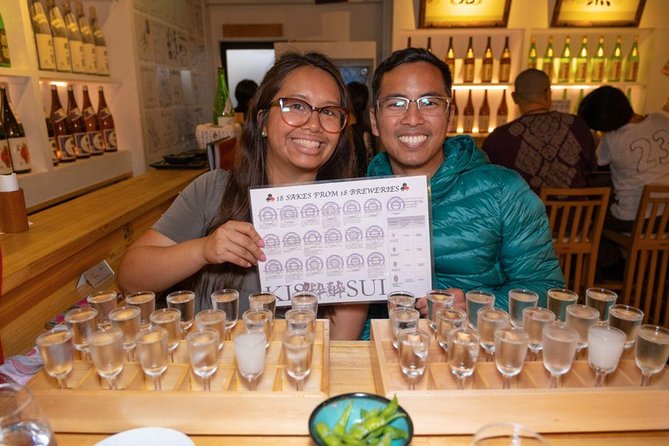
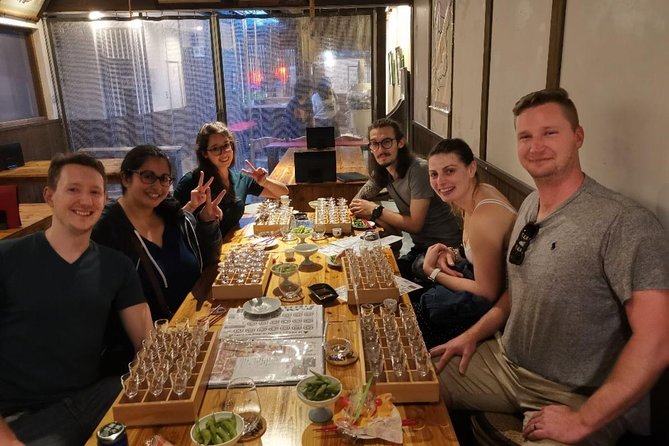
The tasting is the heart of the tour. The listed arrangement includes 18 types of Kyoto sake at a sake restaurant, with food and extra drinks available to purchase separately.
Eighteen samples is a serious comparison. You can expect to notice differences in sweetness, dryness, aroma, weight, and finish. Some tastings on this tour have included 17, 21, or 22 pours, so the exact number may vary. Either way, you should prepare for more alcohol than the word sample suggests.
The tasting works best if you do not try to remember every label. Instead, note the styles you prefer. You might find that you like crisp, dry sake with food, or softer and fruitier sake on its own. The point is not to become an expert in one afternoon. It is to learn what you enjoy, then use that knowledge when ordering or shopping later.
Several guides have helped guests compare flavors and choose favorites. Matt is praised for explaining both the brewing process and the area’s past. Kumi has been especially good at answering broader questions about Japanese culture and Kyoto. Rika has led tastings with as many as 22 types and helped people identify bottles they wanted to buy. Other highly regarded guides include Ayu, Linda, Yukari, Yuka, Karin, Eri, Peco, Nobu, and Karie.
The guide quality matters here. A large flight can become confusing without someone to set a pace and explain the basics. The best guides on this tour seem to make the tasting social rather than stiff, while still giving you information you can use.
One limitation is that the guide may not explain every bottle in equal detail. At 18 or more pours, there is simply a lot to cover. If you want a technical explanation of every label, ask questions early and tell your guide what interests you most.
Food, extra purchases, and the real value of the price
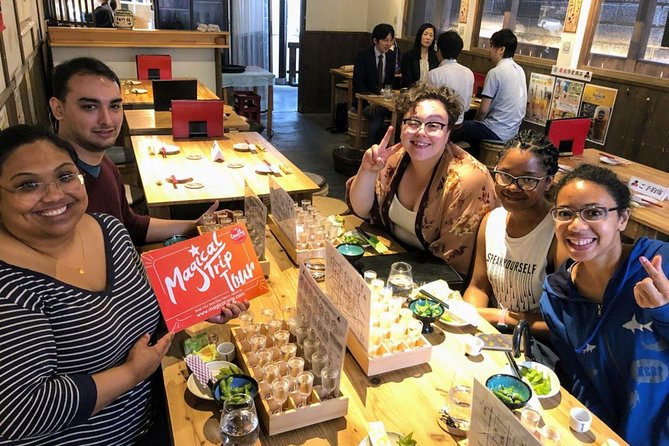
At $98.82 per person, this is not a cheap bar crawl. It is also more than a museum visit followed by a single drink. The price includes the museum admission, guide, photos taken during the tour, and the large sake tasting.
I think the value depends on how much you want the explanation and local orientation. If you already know sake well and only want inexpensive pours, you can likely spend less on your own. If you want someone to explain the brewing process, organize the route, guide you through a broad tasting, and help you understand what you are drinking, the price is easier to justify.
Food is extra. The restaurant has food options, and pairing something savory with the sake is a smart idea. Do not assume a meal is built into the booking. You may also want to buy a bottle at one of the stops, which adds to the final cost.
The included photos are a nice practical touch, but they are not the main reason to book. The value comes from the combination of access, organization, and guided tasting.
The small-group cap matters too. With no more than seven people, you are less likely to be lost in a crowd. You can ask about a particular flavor, request a recommendation, or get help choosing a bottle to take home. On some dates, the group may be even smaller, and one outing became private. That is not guaranteed, but it shows how personal the format can feel.
What kind of sake drinker will enjoy this most?
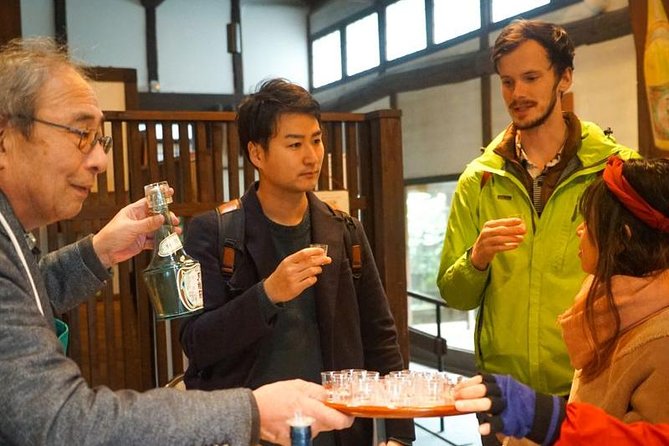
This tour works well for a first-time sake drinker. You do not need to know the difference between junmai, ginjo, and daiginjo before arriving. The museum and guide give you a starting point, then the tasting lets you compare styles in a relaxed setting.
It also suits an experienced sake drinker who wants to connect the drink with Fushimi. You may already know the basics, but the local setting, museum displays, and chance to compare Kyoto bottles can still add value.
I would especially recommend it for couples, friends, and small groups who want a social afternoon with some structure. It is also a good fit if you enjoy asking questions about food and drink rather than rushing from one attraction to the next.
I would think twice if you dislike alcohol, have mobility problems, or want a tour focused only on working production floors. The route involves walking, and the alcohol level is substantial. Anyone under 20 receives food or snacks instead of the sake tasting set.
The tour also is not a good place to count on special dietary arrangements. The operator cannot guarantee allergy-free food or meet every dietary restriction because the food comes from kitchens outside its control. Tell the company about your needs, but be prepared for limited substitutions.
A few smart ways to prepare
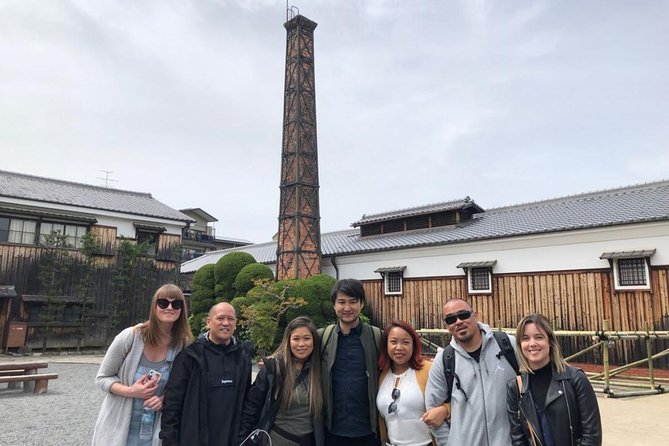
Eat something before the meeting time, especially if you are not used to tasting many alcoholic drinks. A meal during the tour can help, but food must be purchased separately.
Bring water. This is especially important in Kyoto’s summer heat, when the walk can feel harder than expected.
Wear shoes you can walk in for three hours. The route connects several stops, and the operator warns that it may not suit people with walking difficulties.
Use the tasting to find preferences, not to prove endurance. Eighteen pours can leave you with a strong buzz even when each serving is small. Slow down, eat, and ask for water when you need it.
If buying sake interests you, keep space in your luggage. Several tasting locations may offer bottles for purchase, and guides such as Yuka have helped people locate a specific sake after the tour.
The tour offers free cancellation up to 24 hours before the start time. Changes made inside that window are not accepted, and poor weather can lead to a new date or a full refund.
Should you book the Kyoto sake tour?
Book it if you want a friendly introduction to Kyoto sake with a real sense of place. The museum explains the craft, the walk adds Fushimi’s local stories, and the large tasting gives you enough variety to discover what you actually like.
Go in knowing what it is not. You are not touring several active breweries from floor to floor, and Gekkeikan is a large producer with an international business. The Kappa Gallery and Teradaya stop add culture, but they also take time away from brewery instruction.
For most visitors who enjoy Japanese food and drink, I think the balance works. The small group, strong guide lineup, included museum, and generous tasting make the $98.82 price reasonable, provided you will use the information and not just chase the alcohol. Eat first, wear good shoes, and plan a quiet evening afterward.
FAQ
How long does the Kyoto Sake Brewery and Tasting Walking Tour last?
The tour lasts approximately three hours.
How much does the tour cost?
The listed price is $98.82 per person.
How many types of sake are included?
The tour includes a tasting of 18 types of sake. Some outings have included 17, 21, or 22 samples, so the exact number may vary.
Where does the tour begin?
The meeting point is Chushojima Station at Yoshijima Yaguracho in Fushimi Ward, Kyoto.
Where does the tour finish?
The tour ends at Fushimi-Momoyama Station at 4 Chome Ryogaemachi in Fushimi Ward, Kyoto.
Is admission to the sake museum included?
Yes. Admission to the Gekkeikan Okura Sake Museum is included.
Is food included?
No. Additional food and drinks are available for purchase, but they are not included in the tour price.
What happens if someone is under 20?
Anyone under 20 receives food or snacks instead of the sake tasting set.
How many people can join the tour?
The tour has a maximum of seven travelers.
Is the tour suitable for someone with mobility problems?
The tour is not recommended for people with mobility issues because it involves walking. You can contact the operator to ask if a private version is possible.
Can I cancel for a full refund?
Yes. You must cancel at least 24 hours before the experience start time for a full refund. Poor weather may result in a different date or a full refund.
Freshly poured around Japan
- Osaka: Bar-Hopping Night Tour in Namba★ 4.7 · 117 reviews
- Osaka Sake Tasting with Takoyaki Cooking★ 5.0 · 156 reviews
- Osaka: Guided Pub Crawl★ 4.4 · 331 reviews
- Nagano: Snow Monkeys, Zenkoji Temple & Sake Day Trip★ 4.9 · 833 reviews
- Kyoto: Sake Brewery and Tasting Tour in Fushimi★ 4.8 · 55 reviews
- Kyoto: Afternoon Japanese Izakaya Cooking Class★ 4.9 · 241 reviews
- Kobe: Guided Sake Breweries Tour with Tastings★ 5.0 · 55 reviews
- Kyoto: Insider Sake Experience with 7 Tastings and Snacks★ 5.0 · 266 reviews
Sake Tastings, side by side.
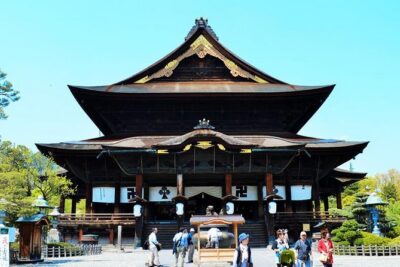
1-Day Snow Monkeys, Zenko-ji Temple & Sake in Nagano
Read our review →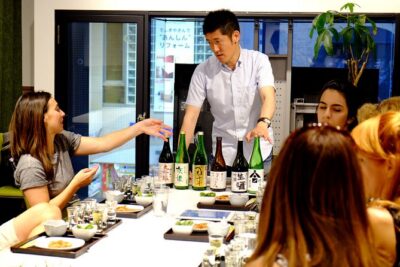
3-Hour Kyoto Insider Sake Brewery Tour with Tastings & Pairings
Read our review →
Nagano: Snow Monkeys, Zenkoji Temple & Sake Day Trip
Read our review →
Kyoto: Insider Sake Brewery Tour with Sake and Food Pairing
Read our review →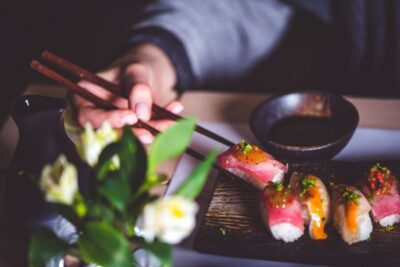
Düsseldorf: Sushi, Sake & Japanese Lifestyle Tour
Read our review →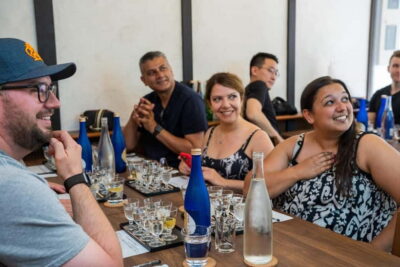
Kyoto: Insider Sake Experience with 7 Tastings and Snacks
Read our review →
Lists this tasting sits in