Review · PARIS
Paris Art of Pairing Cheese and Wine Tasting in a Cheese Cellar
Paris knows how to make a meal feel like a lesson in culture. Here, you put on a protective suit, walk into a cool cheese cellar, and taste seven cheeses with three French wines. Wheels weighing up to 77 pounds sit nearby, and the cellar gives the experience a sense of place that a restaurant tasting cannot match.
I like the small groups of no more than 12 and the chance to ask direct questions. I also like the practical side: your guide can teach you how to read a French menu, match cheese with wine, and choose better food for the rest of your stay. Guides such as Pierre, Gabriel, Agathe, Paul, and Dion are praised for bringing warmth and clear explanations.
The main thing to keep in mind is that this is as much a cheesemaking lesson as it is a wine pairing. You may spend a good part of the session learning about cheese production and French regions, so anyone seeking a wine-focused tasting may find the balance a little cheese-heavy.
Key points to know before booking
- Seven cheeses and three wines: Expect fresh-cut samples such as Gruyère, bôfavre, Camembert, Etivaz, and Beaufort.
- A real maturing cellar: You wear a hygienic protective suit and go downstairs among aging blocks, rolls, and wheels.
- Small-group format: The maximum group size is 12, with some sessions much smaller.
- Practical Paris food advice: You learn how to pair cheese and wine and may get help with French menus.
- Short but substantial: The activity lasts about 90 minutes, with cheese, wine, bread, and a lesson packed into that time.
- Plan for the cold and stairs: The cellar is chilly and only reached by stairs, so dress warmly and wear sensible shoes.
Why this Paris tasting feels different
Many Paris food activities take place at a table in a shop, restaurant, or market. This one adds a working cheese environment. You do not simply see a plate of finished products. You get a look at the place where cheeses mature, and that changes how you think about texture, smell, age, and storage.
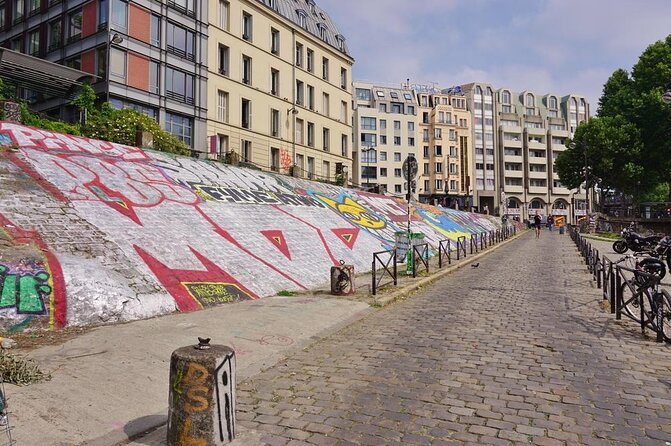
The experience is operated by Paroles de Fromagers at the Musée Vivant du Fromage. The meeting point is 39 Rue Saint-Louis en l’Île, 75004 Paris, on Île Saint-Louis. The location is close to public transportation, and the activity ends where it begins.
The setting works especially well for people who like food with context. A hard Alpine cheese tastes different when you understand the mountain regions, milk, and aging process behind it. A soft cheese such as Camembert becomes more than a familiar name when you hear how delicate it is and why its ripening matters.
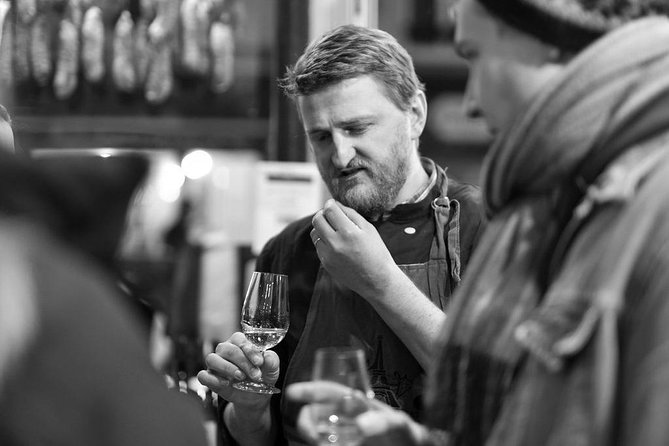
The guides are a large part of the experience. Pierre is often described as patient, friendly, and passionate. Gabriel is praised for making the session relaxed and enjoyable. Agathe brings clear enthusiasm to the subject, while Paul and Dion are also noted for creating an easy atmosphere for questions. Since the exact guide can vary, you should book this for the cellar and teaching format rather than for one particular person.
More Wine and Cheese Tastings in France
- Paris: Wine and Cheese Lunch
★ 4.9 · 596 reviews - French Wine, Champagne And Cheese Tasting Paris SECRET WINE DOOR
★ 5.0 · 464 reviews - Paris: Wine and Cheese Tasting with a Chef Sommelier
★ 4.7 · 277 reviews
Starting at the Musée Vivant du Fromage
The first stop is the Musée Vivant du Fromage, a specialty cheese setting on Île Saint-Louis. You meet your guide here and begin with an introduction to French cheese, its regions, and the basic stages of production.
This opening matters because it gives the tasting a framework. Instead of judging each sample only by whether you like it, you can begin to notice why cheeses differ. Milk, aging, firmness, aroma, and region all affect what arrives on your plate.
The session may include a walk through a cheese cooling or maturing room before you go down to the cellar. This is one area where the activity may feel broader than its title suggests. The focus is not only on which wine goes with which cheese. You also spend time learning how cheese is made and how French cheesemaking developed.
I see that as a plus if you enjoy food history and production methods. If your only goal is to drink wine and taste a large number of cheeses, the introductory portion may seem long. The tasting is the reward, but the lesson comes first.
Putting on the suit and going below ground
Before entering the cellar, you receive a protective suit. It is provided for hygiene and to help protect the delicate cheeses from outside contamination. The suit is a small but memorable detail, and it makes the visit feel closer to a working food space than a polished tasting room.
The cellar is cool, so bring a warm layer even if Paris is mild above ground. You will also need to use stairs. The supplied information says that the cellar is only accessible by stairs, so this activity may not work for anyone who cannot manage them comfortably.
Inside, you see ripening blocks, rolls, and wheels. Some are very large, weighing as much as 77 pounds, or 35 kilograms. The sight helps explain why cheesemaking is not just a matter of producing a food and placing it on a shelf. Time, temperature, care, and storage all shape the final result.
The cellar itself is not a long sightseeing stop. Its value comes from the explanation. Your guide can point out what is aging, describe the maturing process, and connect the surroundings with the samples you taste later.
Seven cheeses, from alpine hard styles to Camembert
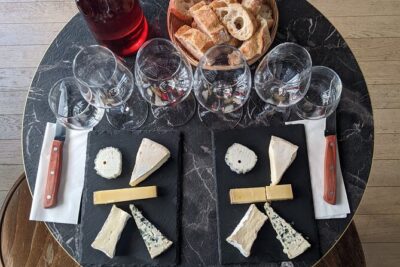
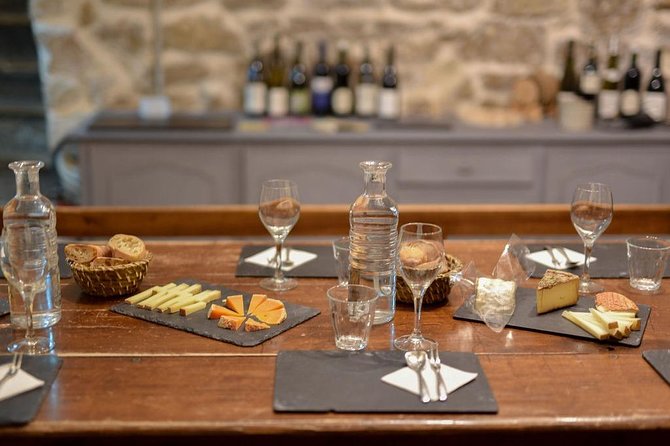
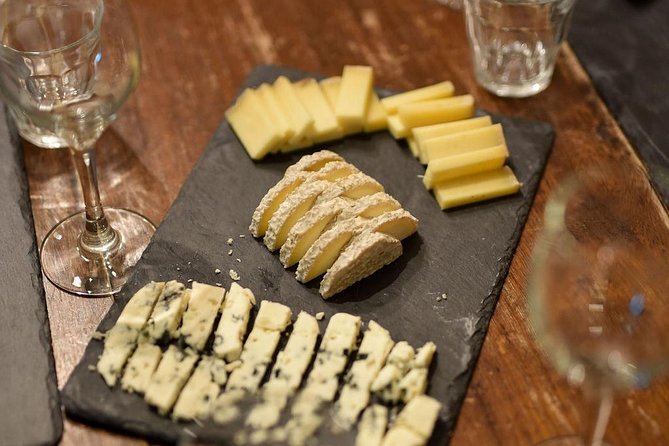
The tasting includes seven cheeses, with samples cut fresh from the block or wheel. The exact selection may vary, but the listed examples give you a good idea of the range.
You may taste Swiss Gruyère, a familiar hard cheese with enough character to show why age and texture matter. Bôfavre, a hard cheese from Switzerland’s Jura Mountains, offers another regional style. Etivaz comes from the Alps, while Beaufort is made from raw cow’s milk and gives the guide a chance to discuss milk, place, and production rules.
Camembert brings a softer and more delicate contrast. After several firm cheeses, its texture and aroma feel different. That contrast is useful because it makes the pairing lesson easier to follow. You can compare how a wine behaves with a hard, salty cheese against how it works with something softer and more fragrant.
You will not simply be handed a plate and left to decide. The guide explains what to notice and how to taste. The point is not to memorize every French cheese. It is to understand a few simple habits you can use later: take a small bite, sip the wine, notice what changes, and decide whether the combination improves both parts.
Fresh baguette is served throughout the experience. It is listed humorously as the dessert, but it also has a practical role. Bread gives you a neutral, familiar base between samples and completes the classic French cheese course.
More Wine and Cheese Tastings in Paris
- Paris: French Wine and Cheese Guided Tasting
★ 5.0 · 201 reviews - Paris: Wine and Cheese Tasting
★ 4.6 · 91 reviews - Paris: Cheese and Wine Class in a 17th Century Cellar
★ 4.8 · 91 reviews
Three wines and the art of matching them
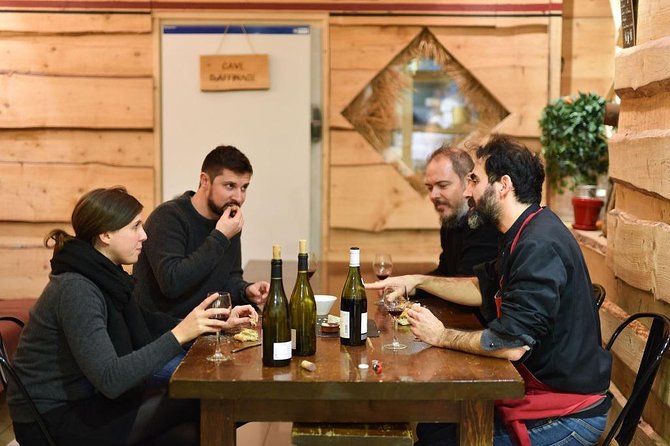
The experience includes three wines chosen to accompany the cheeses. The strongest part of the wine lesson is practical rather than technical. You learn why certain wines complement particular textures, aromas, and levels of richness.
The wine side receives less attention than the cheese side, so set your expectations accordingly. This is not a detailed course on French vineyards or a formal tasting devoted to grape varieties. The wines support the cheese lesson.
That balance will suit you if you want to become more confident ordering cheese and wine in France. You may leave knowing how to experiment instead of automatically choosing the most familiar bottle.
It is also useful for the rest of your trip. A guide can help you decipher French menus and explain how to approach fromage in a restaurant or market. Several guides are praised for giving direct, useful tips rather than delivering a dry lecture.
Alcohol is included, but the minimum drinking age for this activity is 18. The format is not suitable for children who are too young to drink the wine, even if they can participate in most of the general food discussion.
The small-group advantage
The maximum group size is 12. That is small enough for a real conversation, and it gives you a better chance to ask about a cheese, a wine, or a food custom that interests you.
Some sessions can be much smaller. A very small class creates a more personal lesson, though group size can change from one departure to another. You should not book expecting a private tour unless the booking specifically says so.
A compact group also helps in the cellar. A large crowd would make a close look at the cheeses harder and would reduce the time available for questions. Here, the guide can usually keep the discussion moving without turning the experience into a speech from across the room.
The tone is generally relaxed. The guides are described as friendly and engaging, which matters in a tasting. You will learn more if you feel comfortable saying that you do not like a particular cheese or asking why one wine works better than another.
Is $84.69 a fair price?
At $84.69 per person, this is not a cheap snack stop. You are paying for more than the food and wine. The price includes a professional cheese and wine master, access to the cheese setting and cellar, the protective suit, seven cheeses, three wines, bread, and roughly 90 minutes of instruction.
The value is strongest if you want an activity with both tasting and teaching. Seven cheeses and three wines make this more substantial than a quick sample at a shop. The cellar access adds something you would not get from buying a cheese plate on your own.
The value is weaker if you mainly want a large meal or a long wine seminar. This is a tasting, not lunch, and the session is relatively short. The cheese portions are designed for comparison rather than for replacing a full meal.
I would place it early in a Paris visit. The pairing tips can shape how you order cheese, wine, and bread for the rest of your time in the city. It also gives you vocabulary and confidence before you face a French menu on your own.
Timing, meeting point, and a useful address check
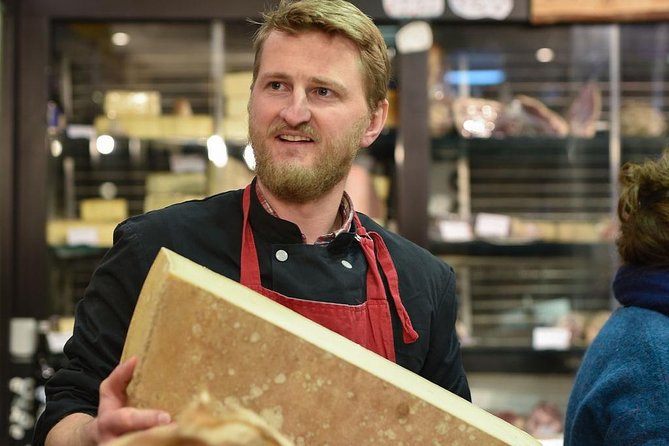
The scheduled duration is about one hour and 30 minutes. That makes it easy to fit between sightseeing plans, though you should allow extra time to find 39 Rue Saint-Louis en l’Île and arrive before the start.
No hotel pickup or drop-off is included. You make your own way to Île Saint-Louis using public transportation or another option. The activity ends back at the meeting point.
One practical warning deserves attention. The meeting location has changed for at least one booking, and a customer arrived at the old address after relying on a printed ticket. Check your booking messages and the current address shortly before leaving for the activity. If you are already in transit or not checking the app, this simple step could save you from missing the introduction.
The experience is offered in English and uses a mobile ticket. Confirmation is sent at booking. Free cancellation is available until 24 hours before the start time, while cancellations or changes inside that window are not refunded or accepted. If the minimum number of participants is not reached and the operator cancels, you are offered another option or a full refund.
Who will enjoy this most
I would recommend this for food-focused visitors, couples, curious solo travelers, and anyone who wants a break from museums and monuments without giving up cultural content. It also works well for people who already like cheese but want to understand French styles better.
It is a good choice for a first or second day in Paris because the lessons carry into later meals. If you plan to visit markets, order a cheese course, or buy a bottle of wine, the information will have immediate use.
You may want something else if you dislike strong aromas, cannot manage stairs, or want a full meal. The cellar is cold, the tasting is cheese-centered, and the wine discussion is part of the program rather than the whole point.
Should you book it?
Book this experience if you want to understand French cheese while tasting it in a real cellar. The small group, protective suit, large aging wheels, and mix of hard and soft cheeses give it a clear sense of place.
Skip it if you are looking for a long, wine-first tasting or a generous lunch. For most food lovers, the price is justified by the setting, instruction, and number of samples. Bring a warm layer, verify the address before setting out, and arrive ready to taste slowly. That is how you get the most from the 90 minutes.
FAQ
Where does the cheese and wine tasting begin?
It begins at the Musée Vivant du Fromage, at 39 Rue Saint-Louis en l’Île, 75004 Paris, France.
How long does the experience last?
The activity lasts approximately one hour and 30 minutes.
How many cheeses and wines are included?
The tasting includes seven cheeses, three wines, and fresh bread.
Is the tasting offered in English?
Yes. The experience is offered in English.
Is the cellar accessible to everyone?
The cellar is accessible only by stairs. It can also be cold, so warm clothing is recommended.
Is a protective suit provided?
Yes. A hygienic protective suit is provided before you enter the cheese cellar.
What is the cancellation policy?
You can cancel for a full refund up to 24 hours before the start time. Cancellations or changes made less than 24 hours before the experience are not accepted or refunded.
More Wine Tasting Tours in Paris
- Cheese & Wine Tasting in Montmartre with Local Cheesemonger
★ 5.0 · 470 reviews - Paris: Food and Wine Tasting Walking Tour in Le Marais
★ 4.9 · 446 reviews - Paris: Wine Tasting Experience with 6 Wines and Cheese Board
★ 4.9 · 80 reviews - Paris: Loire Valley Chambord Castle, Wine Tasting & Lunch
★ 4.7 · 69 reviews
More Wine Tasting Tours in France
- Montmartre Hill French Gourmet Food and Wine Tasting Walking Tour
★ 5.0 · 2,588 reviews - From Paris: Loire Valley Castles Day Trip With Wine Tasting
★ 4.6 · 1,727 reviews - Paris: Les Caves du Louvre Guided Tour with Wine Tastings
★ 4.7 · 932 reviews - Paris: French Wine Tasting Class with Sommelier
★ 4.8 · 550 reviews
Freshly poured around Paris
- Paris: Tasting of 3 Wine and 3 Cheese★ 5.0 · 74 reviews
- Paris: Wine and Cheese Tasting★ 4.6 · 91 reviews
- Paris: Wine Tasting Experience with 6 Wines and Cheese Board★ 4.9 · 80 reviews
- Paris : Scenic Cruise on the Seine River with Champagne★ 4.0 · 81 reviews
- Paris: Seine River Champagne Dinner Cruise with Live Music★ 4.4 · 287 reviews
- Paris: Seine River Cruise with Champagne from Eiffel Tower★ 4.4 · 381 reviews
- Paris: Moulin Rouge Show with Champagne and Drop-Off Service★ 4.2 · 130 reviews
- Paris: Pub Crawl with Shots and Nightclub Entry★ 4.9 · 321 reviews
Wine & Cheese Tastings, side by side.
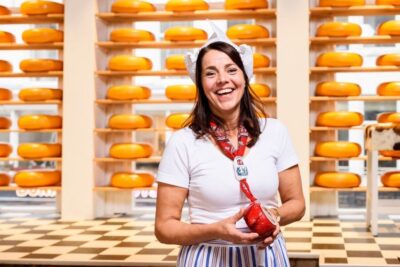
Amsterdam: Premium Henri Willig Cheese Tasting Experience
Read our review →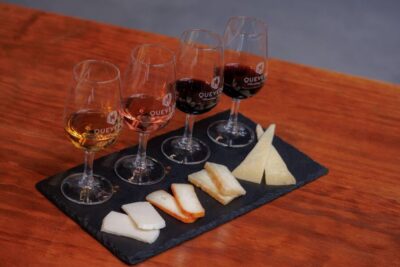
Vila Nova de Gaia: Port Wine Tasting with Cheese Pairing
Read our review →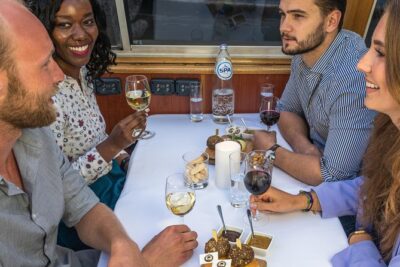
Amsterdam: Dutch Cheese Tasting Experience with Wine
Read our review →
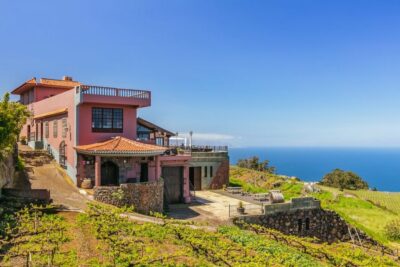
Tacoronte: Guided Winery Tour with Wine and Cheese Tastings
Read our review →