Review · PARIS
Paris: Cheese and Wine Class in a 17th Century Cellar
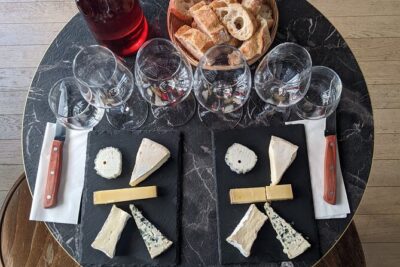
The setting does much of the work here: you taste French cheese inside a 17th-century cellar at the Musée Vivant du Fromage, not in an ordinary shop or hotel room. Over 90 minutes, an English-speaking guide introduces seven cheeses, three wines, and the maturing process that gives each fromage its character.
I like the thoughtful pairings and the small-group feel, which lets you ask questions rather than simply eat your way through a fixed platter. I also like the mix of practical cheesemaking knowledge and good humor, qualities praised in guides including Pierre, Agathe, Guillaume, Gala, and Marie. The main drawback is simple: this is not a good pick if you cannot eat dairy, and the minimum drinking age is 18.
Key points at a glance
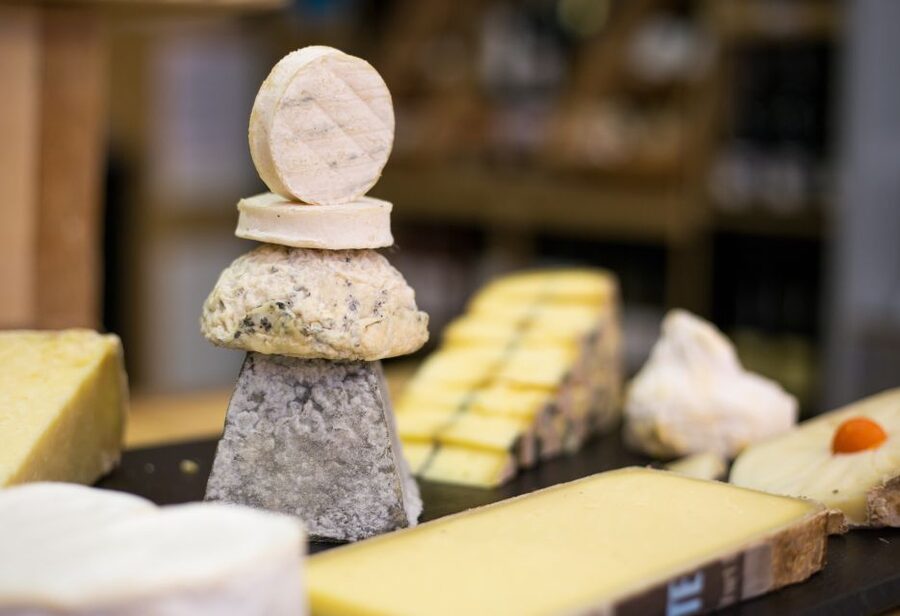
- Seven cheeses from different French regions: Compare milk types, textures, aromas, and stages of maturity in one sitting.
- Three wines with guided pairings: You learn why a particular wine works with a particular cheese, rather than tasting random samples.
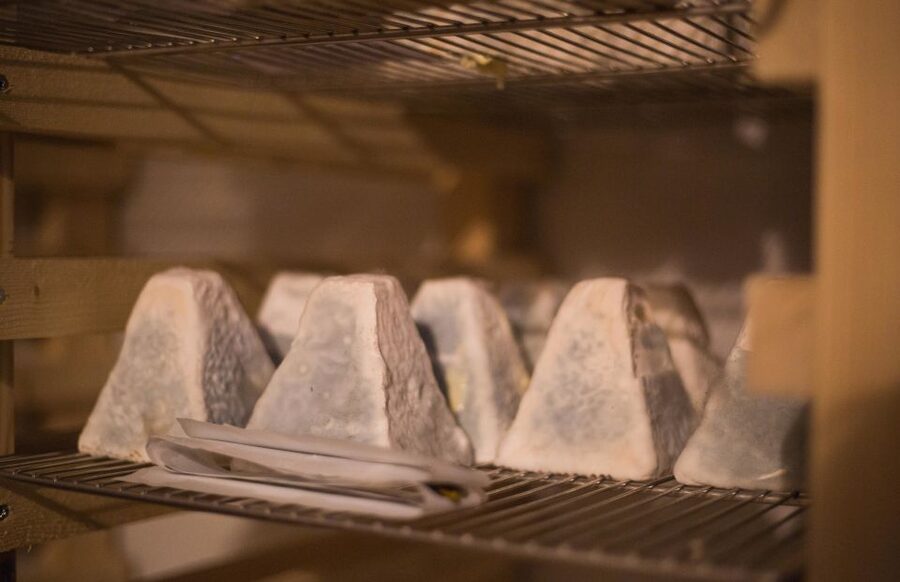
- A real cheese cellar setting: The old grotto gives the class a sense of place and helps explain why cheese needs time and careful storage.
- English instruction with lively guides: Pierre, Agathe, Guillaume, and other guides have been praised for clear explanations, humor, and strong command of the subject.
- A compact 90-minute activity: It fits neatly between sightseeing plans, especially if you are staying near Île Saint-Louis.
- Good value for food lovers: At $82 per person, the price covers seven cheeses, three wines, bread, and professional instruction.
Inside the Musée Vivant du Fromage on Île Saint-Louis
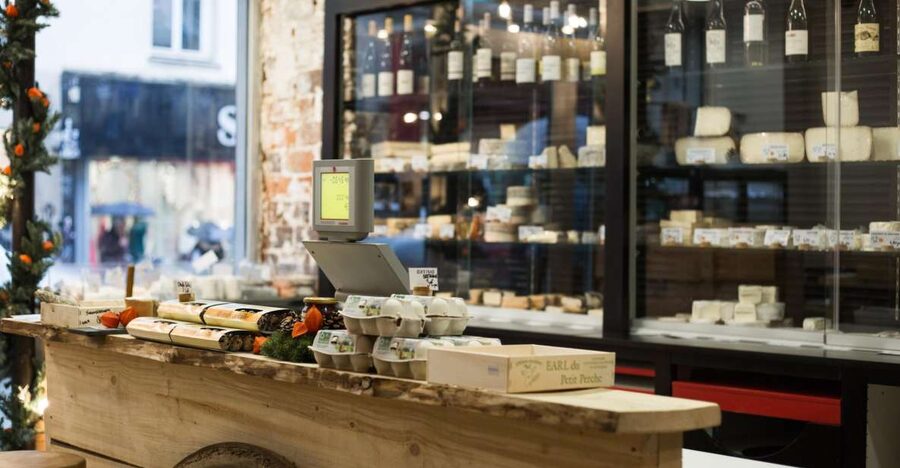
The class meets at the Musée Vivant du Fromage, 39 rue Saint Louis en l’île, in the 75004 district. That places you on Île Saint-Louis, one of the central islands of Paris, rather than at a distant producer outside the city.
The meeting point matters because this is not a countryside cheesemaking excursion. You are getting a focused Paris experience, with the cheese cellar itself serving as the main setting. It is a useful choice if your schedule is already full of museums, churches, and neighborhood walks but you still want a taste of French food culture.
The cellar gives the class a physical connection to the subject. You can look at the stored cheeses while hearing about the maturing process, the stage when cheese develops much of its flavor and texture. That is more useful than hearing a generic explanation in a bright restaurant dining room, because the storage environment is part of the lesson.
The room has character, according to the available descriptions, but it is still a working tasting space rather than a grand dining venue. Go expecting an intimate workshop with a historic feel, not a long meal with table service.
More Wine and Cheese Tastings in France
- Paris: Wine and Cheese Lunch
★ 4.9 · 596 reviews - French Wine, Champagne And Cheese Tasting Paris SECRET WINE DOOR
★ 5.0 · 464 reviews - Paris Art of Pairing Cheese and Wine Tasting in a Cheese Cellar
★ 5.0 · 386 reviews
What happens during the 90-minute class
The experience begins with an introduction to traditional French cheesemaking. Your guide explains how cheese is made and why the aging period matters. The aim is not to turn you into a cheesemaker in one afternoon, but to give you enough background to understand what you are tasting.
You then work through seven cheeses from different French regions and with different textures and milk types. This variety is important. A tasting with seven similar soft cheeses would teach you very little, but a spread across styles lets you compare how the source milk, production method, and aging affect the result.
Pay attention to the order of tasting. Start with the guide’s explanation, then try the cheese on its own. After that, add a sip of the paired wine and notice what changes. The wine may soften a salty note, sharpen a creamy texture, or balance a stronger aroma. You do not need expert vocabulary. The useful question is simply: does the wine make the cheese taste better, different, or less appealing?
Fresh baguette comes alongside the tasting. Bread gives you a neutral, familiar contrast and helps turn the samples into a small meal. Still, the bread is a supporting part of the experience, not the main attraction. The focus remains on the seven cheeses and the three wines.
By the end, you should have a clearer sense of how to approach a French cheese counter. Instead of choosing only by appearance, you can think about texture, milk, region, age, and what you want to drink with it.
Why the cheese selection matters
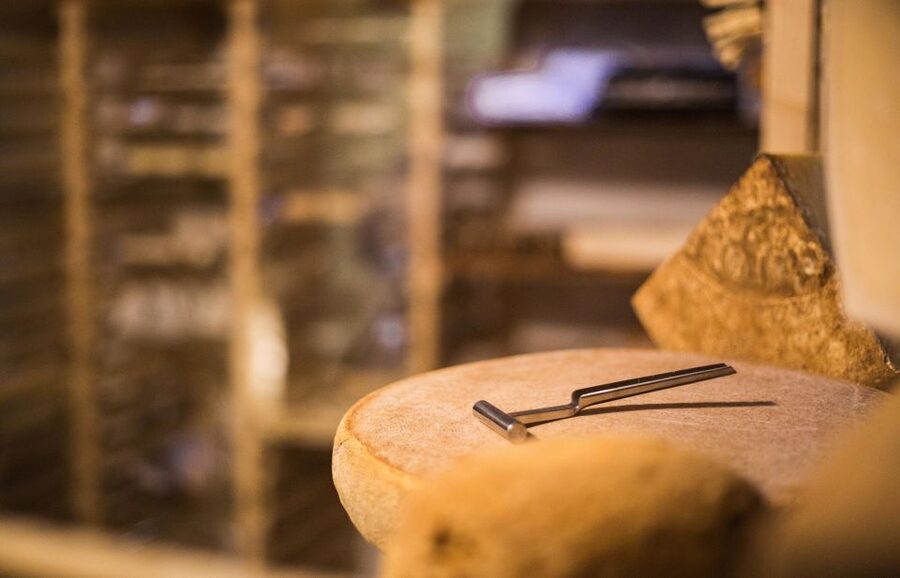
The strongest part of this class is the range. You are not simply told that French cheese is good. You get a guided comparison of different styles, which makes the subject easier to understand.
One sample may be soft and fragrant, another firm and more concentrated, and another shaped by a different milk or aging method. The supplied details do not name the exact seven cheeses, and that is worth noting if you want to plan around a particular variety. The selection can vary, so book this for the learning and tasting format rather than for one specific named cheese.
The class also gives you a chance to find a new favorite. One participant discovered a cheese they hoped to seek out again. That is one of the best results of a tasting: you leave with a clearer idea of what to buy for a picnic, a hotel-room supper, or a meal back home.
The guide’s role is especially important here. Cheese can seem confusing when every label comes with a French name and a regional reference. A good explanation turns the display into a set of choices you can understand. Pierre was singled out for spending time with the group, while Agathe was praised for sharing interesting facts without overloading the class with detail.
That balance suits most people. You get useful information, but the activity stays social and appetizing rather than becoming a technical lecture.
The wine pairings are more than a drink on the side
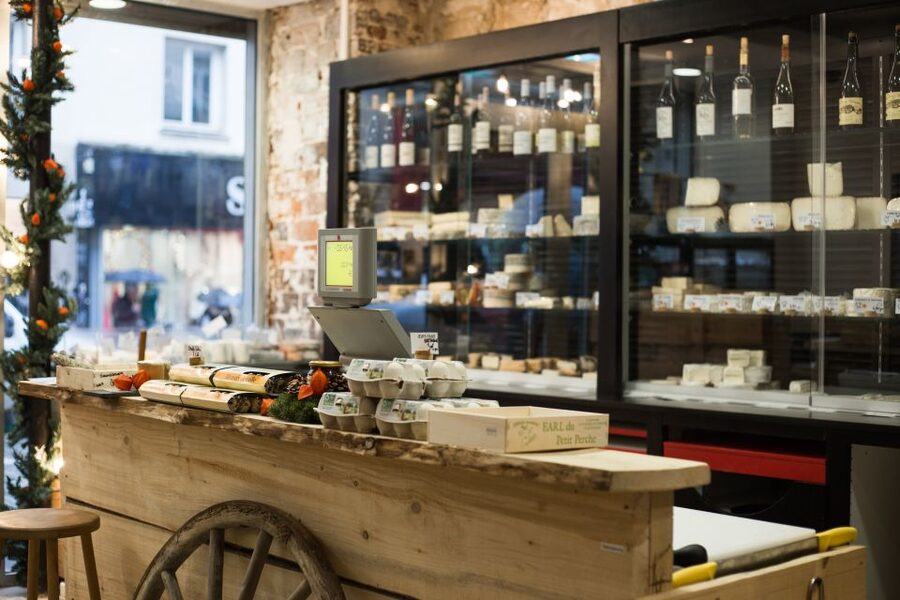
Three wines are included, and each is paired with the cheeses. That gives the class a clear structure and adds real value to the $82 price.
A casual cheese plate can be enjoyable, but it does not always teach you why one wine works better than another. Here, the pairing is part of the lesson. You taste the cheese, sip the wine, and compare the combination under the guide’s direction.
You should not expect a full wine course or a broad survey of French vineyards. The class is centered on cheese, with wine used to show how flavors interact. That is the right balance for a 90-minute activity.
The amount served is not specified, so you should think of this as a tasting rather than an evening of unrestricted drinking. It is also why the 18-and-over rule matters. Anyone under the minimum drinking age cannot take part in the wine portion.
If you do drink, pace yourself. There are three wines over a short period, and the food makes the tasting comfortable but does not remove the need to drink responsibly. The class works best when you pay attention to the differences rather than simply treating the wine as a reward between cheese samples.
More Wine and Cheese Tastings in Paris
- Paris: Wine and Cheese Tasting with a Chef Sommelier
★ 4.7 · 277 reviews - Paris: French Wine and Cheese Guided Tasting
★ 5.0 · 201 reviews - Paris: Wine and Cheese Tasting
★ 4.6 · 91 reviews
The guides make or break the experience
This is a teaching session, so the person leading it matters almost as much as the cheese. The guides repeatedly received praise for being friendly, clear, and entertaining.
Pierre led several particularly well-received sessions and was described as welcoming, funny, interactive, and deeply informed about cheese and wine. Agathe was praised for her passion and sense of humor. Guillaume was noted for being welcoming and well informed, while Gala and Marie were also remembered for clear, engaging instruction.
Names and guide assignments can change, so you cannot book a specific personality unless the provider confirms it. Still, the pattern is encouraging: the experience depends on staff who can explain the subject without making it feel like school.
The best guides do more than recite facts. They answer questions, explain how to assess cheese, and connect the production process to what you taste. That interactive quality is a major reason the small group matters.
One account placed the group size at 12. That is small enough to feel personal, though not private. If all places are filled, you will still share the table and the discussion with other people. For many visitors, that is part of the pleasure, but couples seeking a quiet private tasting should keep the format in mind.
Is $82 per person a fair price?
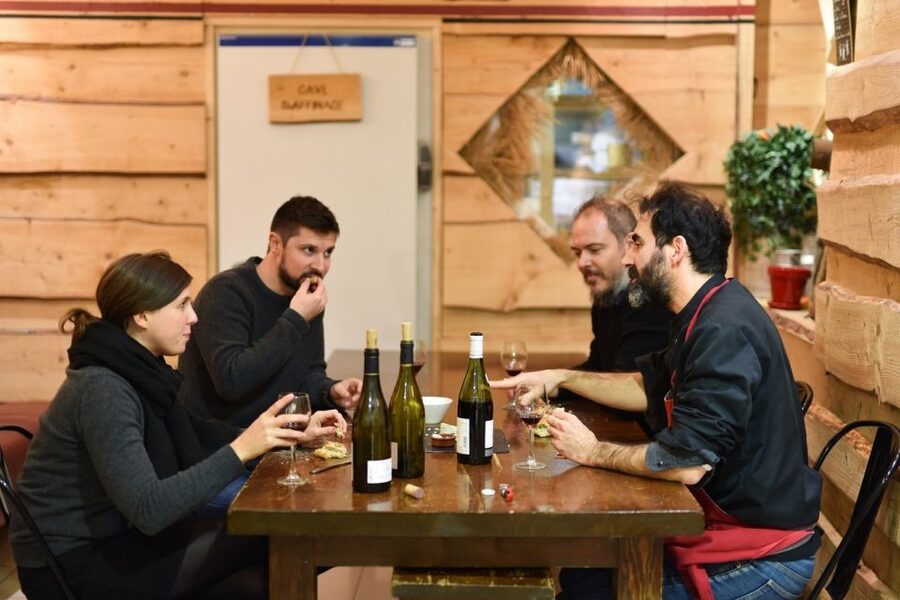
At $82, this is not a budget snack stop. You are paying for seven cheeses, three wines, bread, a professional guide, and access to a distinctive cellar setting.
The value depends on what you want from a food activity. If you only want to taste cheese, you could buy a selection at a market for less. That cheaper option would not include guided pairings, an explanation of traditional production, or the chance to ask questions in a museum cellar.
For someone who already plans to visit Île Saint-Louis, the price is easier to justify because the class adds a structured food experience without requiring a trip outside Paris. The 90-minute length also keeps the opportunity cost under control. You can fit it into a sightseeing day instead of giving up half a day for a distant excursion.
I would consider the price fair for visitors who value instruction and atmosphere as much as the food itself. It is less compelling for anyone who dislikes guided tastings, rarely drinks wine, or wants a substantial meal. Bread is included, but this should not replace lunch or dinner for most people.
Some participants bought wine afterward and received a 10 percent discount. That detail may be useful if you discover a bottle you want to take home, though the discount applies to the purchase at the end and does not change the basic cost of the class.
How to fit it into a Paris day
The short duration is one of the experience’s practical strengths. Ninety minutes gives you enough time for a proper tasting while leaving room for other plans.
The class is a natural match for a day centered on central Paris. You can visit Île Saint-Louis, walk through the nearby streets, and build the tasting into an afternoon or evening schedule. The supplied information does not give exact starting times, so check availability for the date you want before arranging a tight connection with another activity.
Do not schedule something that requires you to cross the city immediately afterward. The class itself lasts 90 minutes, but you should allow extra time to locate 39 rue Saint Louis en l’île and to leave the area at an easy pace.
The activity also works well as a change of rhythm during a museum-heavy trip. Several people described it as a welcome break from standard sightseeing. That makes sense: you sit down, eat, talk, and focus on one part of French culture rather than moving from one major sight to the next.
An evening booking can function as a light pre-dinner activity. Just remember that the tasting includes bread and samples, not a complete restaurant meal.
Who should book this cheese cellar class?
I would recommend it most strongly to:
- First-time visitors who want a guided introduction to French cheese.
- Couples and friends who enjoy food, conversation, and small-group activities.
- People who want a Paris experience beyond major monuments.
- Wine drinkers interested in learning how pairings work.
- Curious eaters who are happy to try different textures and milk types.
- Visitors with a 90-minute opening in a central Paris itinerary.
Families need to check the age issue carefully. The minimum drinking age is 18, and the wine tasting is part of the experience. The activity is also not suitable for people with lactose intolerance.
You do not need prior knowledge of cheese or wine. In fact, beginners may get the most from the class because the guide starts with basic ideas and builds through the tasting. If you already know French cheese well, you may still enjoy the cellar and pairings, but you should not expect an advanced certification course.
The class is in English, which makes it a practical option for visitors who want detailed instruction without relying on limited French-language skills.
Small details that improve the experience
Arrive ready to pay attention to texture. Smell the cheese before tasting it, notice how it feels in your mouth, and try it again with the wine. These simple steps will help you get more from the class.
Ask questions. The guides are described as interactive and happy to explain the cheese, the production process, and the pairings. A tasting becomes far more useful when you ask why a cheese was selected or what to look for when buying it later.
Leave room in your luggage, or at least in your plans, if you think you may buy wine afterward. A 10 percent discount was available to one group at the end, but confirm the current terms when you attend.
Finally, do not treat the old cellar as decoration only. The setting helps connect the cheese on your plate to the time and care involved in maturing it. That connection is the central lesson of the experience.
Should you book it?
Book this class if you want a social, food-focused activity with real instruction and a strong sense of place. The combination of seven cheeses, three wines, fresh baguette, and an old Paris cellar offers more than a simple snack, while the 90-minute format is easy to fit into a busy itinerary.
Skip it if you cannot eat dairy, do not drink wine, or want a full meal rather than a guided tasting. Also keep your expectations realistic: the exact cheese selection and guide may vary, and the group may include up to about 12 people.
For most cheese lovers, though, the format makes good use of your time and money. You leave with a better understanding of French cheese, a few pairing ideas, and perhaps a new favorite to look for at a Paris market.
FAQ
Where does the cheese and wine class take place?
It takes place at the Musée Vivant du Fromage, 39 rue Saint Louis en l’île, 75004 Paris, on Île Saint-Louis.
How long does the activity last?
The class lasts 90 minutes.
How much does the experience cost?
The listed price is $82 per person.
How many cheeses are included?
You taste seven different French cheeses.
How many wines are included?
Three wines are included in the tasting.
Is bread provided?
Yes. Fresh bread is included with the cheese and wine tasting.
Is the class taught in English?
Yes. The available instructor language is English.
What is the minimum drinking age?
The minimum drinking age is 18 years old.
Is the experience suitable for people with lactose intolerance?
No. The activity is listed as unsuitable for people with lactose intolerance.
Can I cancel for a full refund?
Yes. You can cancel up to 24 hours in advance for a full refund.
More Cheese Tastings in Paris
- Cheese & Wine Tasting in Montmartre with Local Cheesemonger
★ 5.0 · 470 reviews - Paris: Wine Tasting Experience with 6 Wines and Cheese Board
★ 4.9 · 80 reviews - Paris: Tasting of 3 Wine and 3 Cheese
★ 5.0 · 74 reviews - Krakow–Zakopane: Cable Car, Chocholow Baths, Cheese & Vodka
★ 5.0 · 10,720 reviews
More Wine Tasting Classes in Paris
- Paris: French Wine Tasting Class with Sommelier
★ 4.8 · 550 reviews - Paris: Champagne Cellars Tour and Tastings with a Sommelier
★ 4.9 · 74 reviews - Porto: Douro Valley Wine Tour with a Sommelier & Boat Trip
★ 5.0 · 463 reviews - Port Wine class with 3 or 5 Port tasting and pairings
★ 4.9 · 441 reviews
Freshly poured around Paris
- Paris: Tasting of 3 Wine and 3 Cheese★ 5.0 · 74 reviews
- Paris: Wine and Cheese Tasting★ 4.6 · 91 reviews
- Paris: Wine Tasting Experience with 6 Wines and Cheese Board★ 4.9 · 80 reviews
- Paris : Scenic Cruise on the Seine River with Champagne★ 4.0 · 81 reviews
- Paris: Seine River Champagne Dinner Cruise with Live Music★ 4.4 · 287 reviews
- Paris: Seine River Cruise with Champagne from Eiffel Tower★ 4.4 · 381 reviews
- Paris: Moulin Rouge Show with Champagne and Drop-Off Service★ 4.2 · 130 reviews
- Paris: Speakeasy and Hidden Bars Tour★ 4.5 · 174 reviews
Wine & Cheese Tastings, side by side.
Amsterdam: Premium Henri Willig Cheese Tasting Experience
Read our review →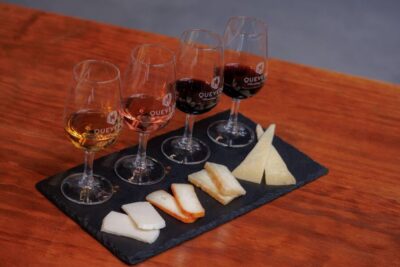
Vila Nova de Gaia: Port Wine Tasting with Cheese Pairing
Read our review →
Amsterdam: Dutch Cheese Tasting Experience with Wine
Read our review →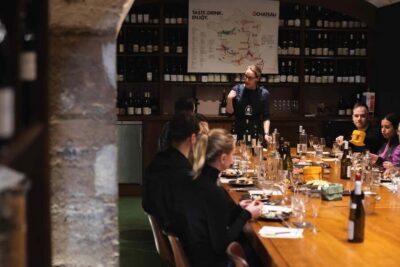
Tacoronte: Guided Winery Tour with Wine and Cheese Tastings
Read our review →